
Jacobean Period Furniture
Jacobean period furniture brings heavy timber construction and geometric mouldings into a room, offering sturdy seating, tables and storage built to last.
Jacobean Period Furniture
Jacobean period furniture encompasses robust domestic pieces designed for daily utility in seventeenth-century English households. Buyers encounter practical forms such as joint stools, gateleg tables, coffers, wainscot armchairs and chests of drawers.
The material vocabulary centres on native timber, predominantly oak complemented by elm, fruitwood and walnut. Surviving examples reflect the transition of domestic interiors through the seventeenth century and into the Georgian era.
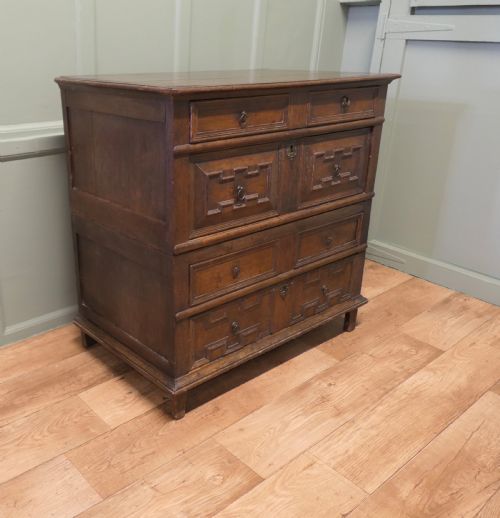
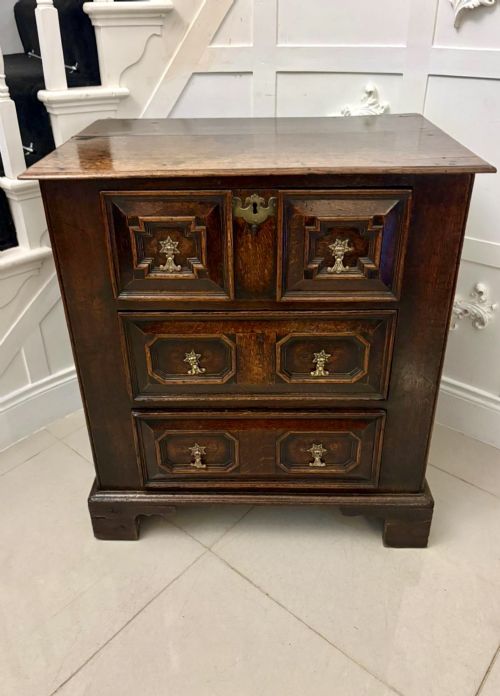
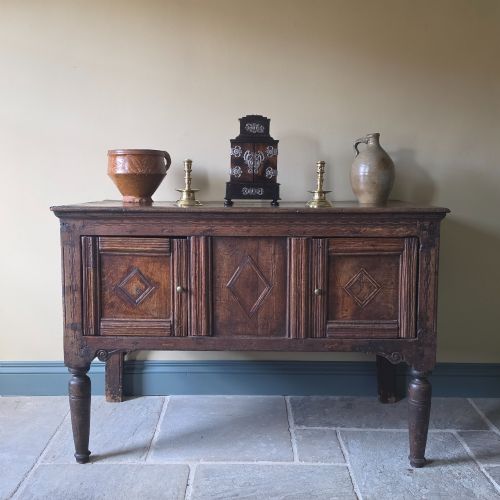
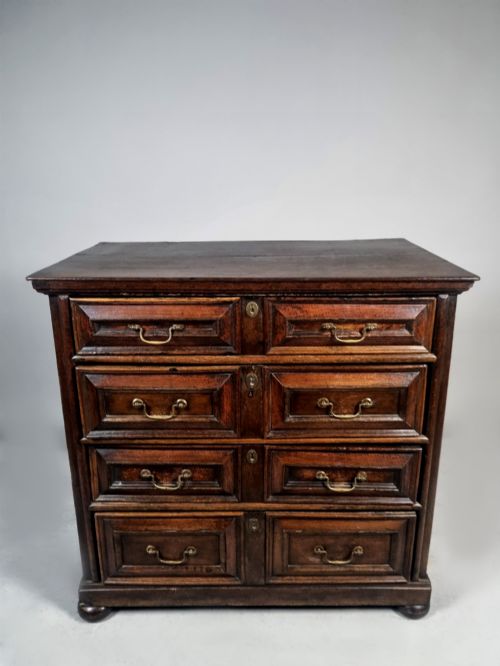
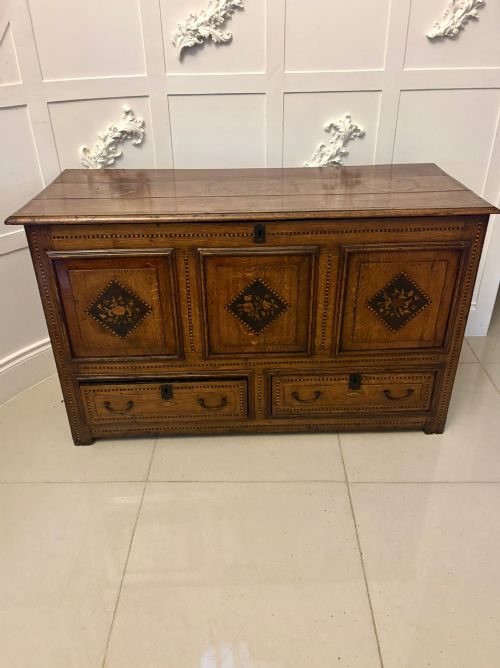
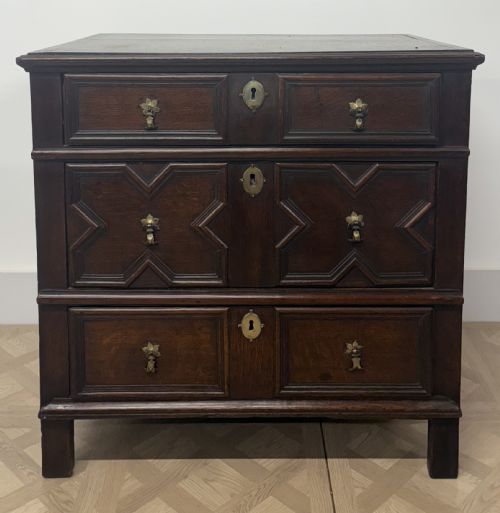
Chests of drawers and side tables frequently display geometric mouldings or panelled construction characteristic of the period. Dining tables and refectory boards utilise thick plank tops supported by substantial framing.
Materials and Construction
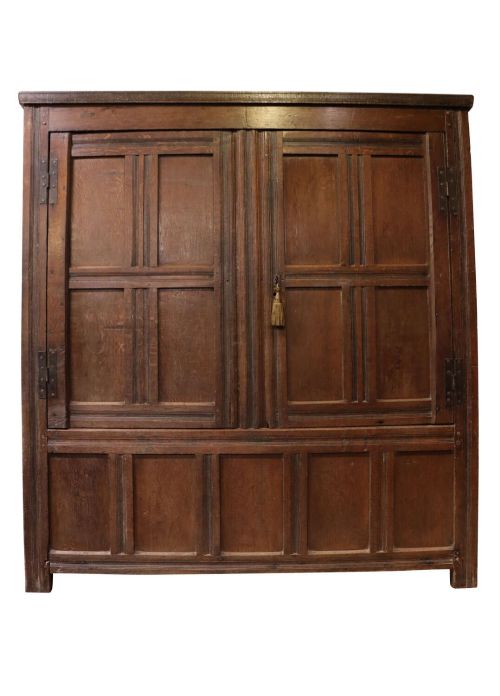
Makers relied on solid oak joined by traditional framing methods, pegged mortise and tenon joints, and board construction for chests and coffers. Elm and walnut appear in tabletops and decorative elements, whilst wrought iron and brass provide functional hinges and handles.
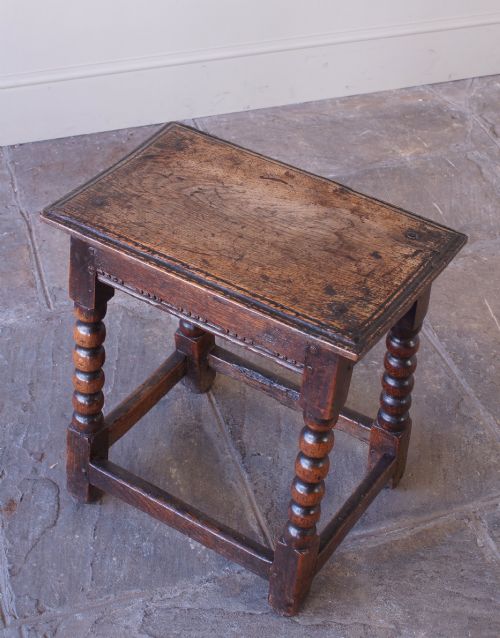
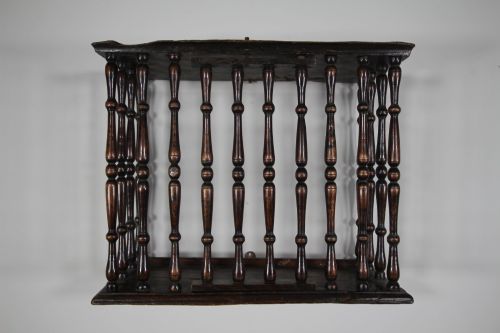
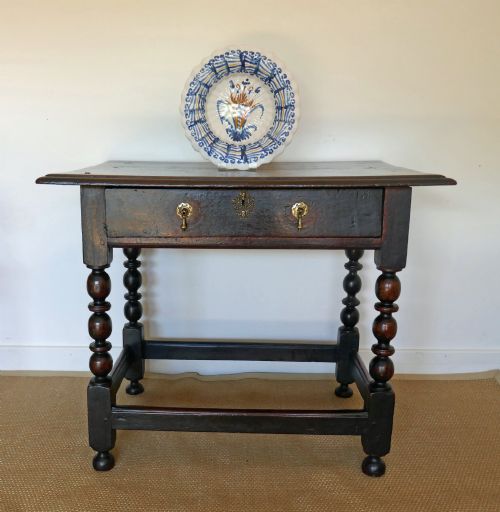
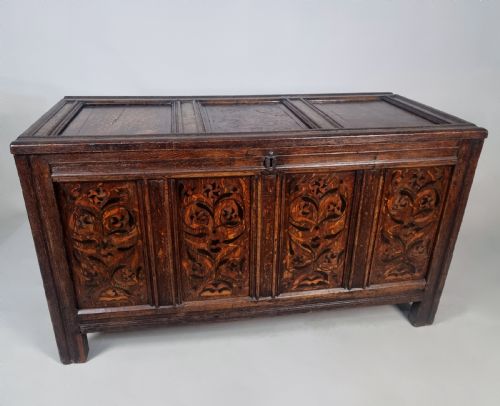
Surface enrichment involves applied geometric mouldings, chip carving, and occasional marquetry inlay using mixed inlay woods. Turning lathes shaped uprights and stretchers into bobbin-turned or columnar profiles.
Judging the Range
The upper tier of pieces exhibits crisp geometric moulding profiles, untouched original surface patination, and minimal timber replacement in structural framing. Lesser examples show excessive surface abrasion, unsympathetic timber repairs, and heavy timber loss.
Proportion and scale dictate visual success, where bold mouldings and well-balanced dimensions distinguish superior chests and tables from utilitarian items. The presence of documented early dates or regional characteristics elevates historical interest.
The Jacobean Period Furniture Glossary
- Joint Stool
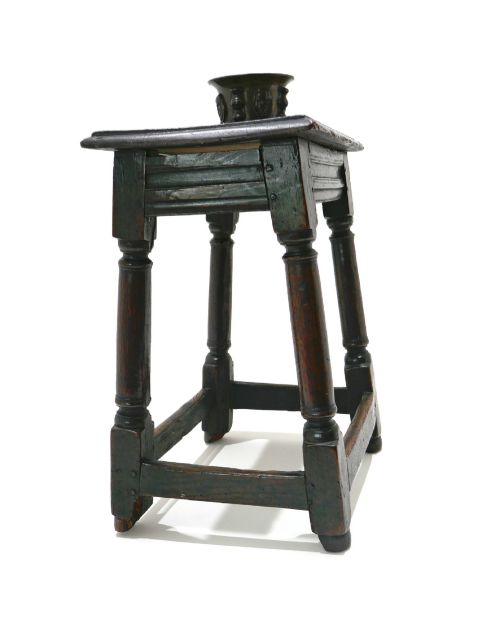
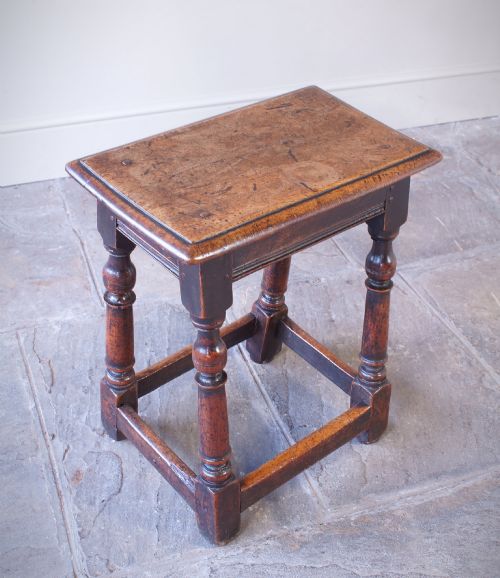
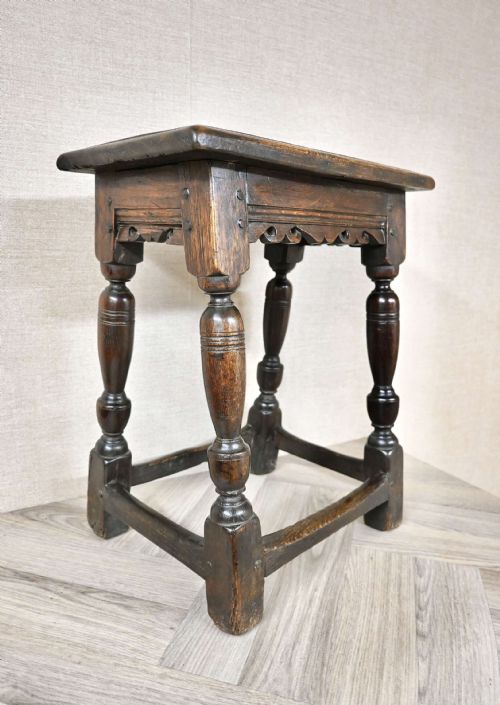
- A sturdy wooden stool constructed with mortise and tenon joints rather than turned legs inserted into a seat. These sturdy seats served various household functions beside dining tables.
- Wainscot Armchair
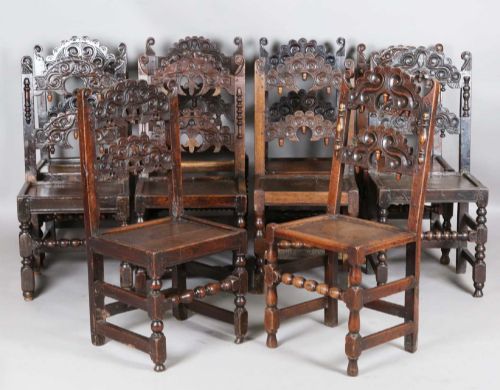
- A heavy wooden chair constructed with panelled backboards and solid armrests. This seating form resembles the wood panelling found in seventeenth-century domestic interiors.
- Refectory Table
- A long dining table featuring substantial wooden legs connected by low floor stretchers. These tables provided communal dining surfaces in large halls.
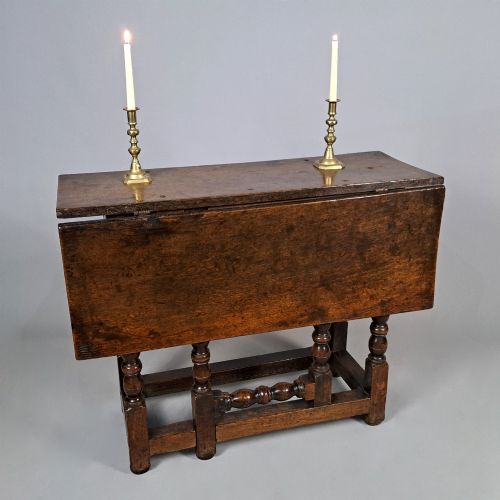
- Gateleg Table
- A table with hinged drop leaves supported by swing-out legs. This clever mechanism allows the surface area to expand or contract according to domestic needs.
- Coffer
- A heavy wooden chest used for storing valuables, textiles, and household provisions. Coffers often feature hinged lids and boarded construction.
Jacobean Period Furniture: Frequently Asked Questions
How do I identify a joint stool?
A joint stool is an early wooden seat built using pegged mortise and tenon joinery rather than turned legs driven directly into a plank seat. They feature four vertical legs connected by stretchers near the floor.
These pieces were used daily for seating at dining tables or as portable stands throughout the household. Their rigid frame construction provides exceptional structural strength.
Where were these pieces made?
These items originated in English workshops, with regional variations occasionally documented in counties such as Lancashire and Cheshire. Local timber supplies dictated the choice of woods, favouring native oak, elm and fruitwood.
Craftsmen utilised locally available materials and traditional joinery techniques passed down through generations. This regional production creates subtle variations in decorative carving and moulding profiles.
How do I care for antique oak?
Antique oak benefits from stable indoor humidity levels and protection from direct sunlight and heat sources. Regular dusting with a dry cloth preserves the dry or polished surface patina without stripping historic finishes.
Applying traditional beeswax occasionally helps nourish the aged timber surface. Avoid modern silicone polishes that penetrate the wood grain and alter the historic appearance.