
Panelled Blanket Box
A panelled blanket box is a sturdy joined timber chest built to hold linens and woollens, offering centuries of dependable storage and honest craftsmanship.
Panelled Blanket Box
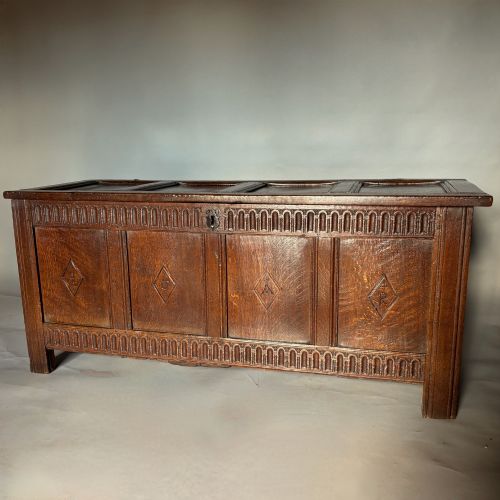
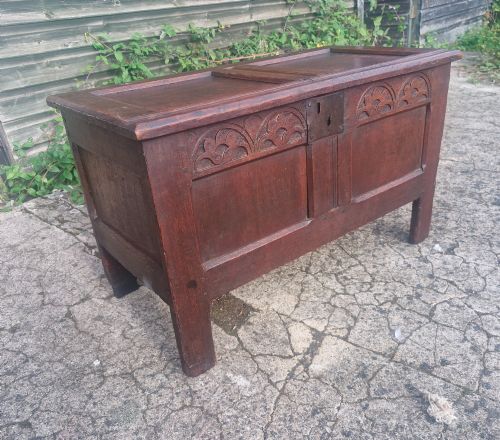
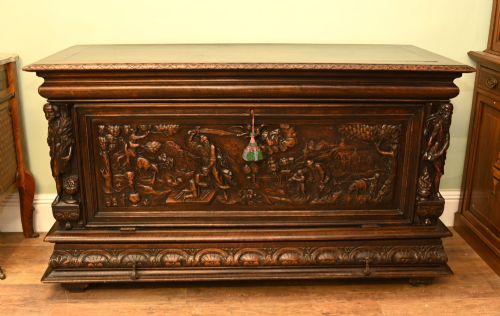
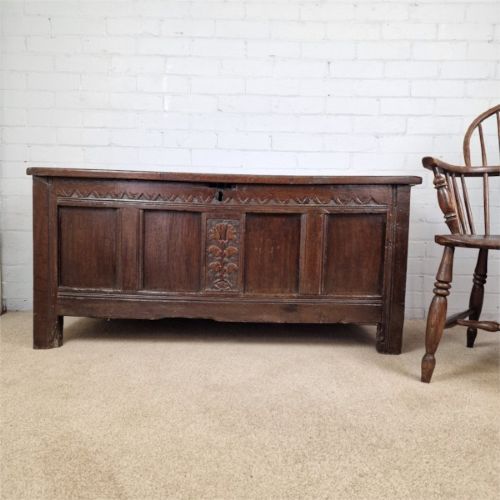
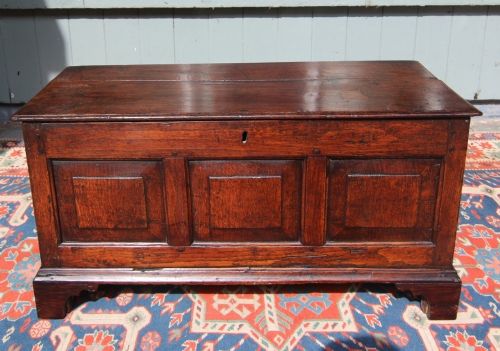
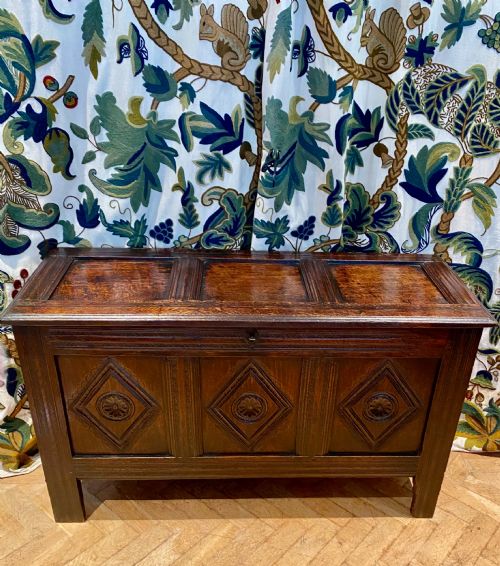
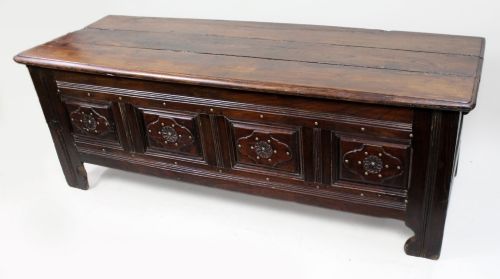
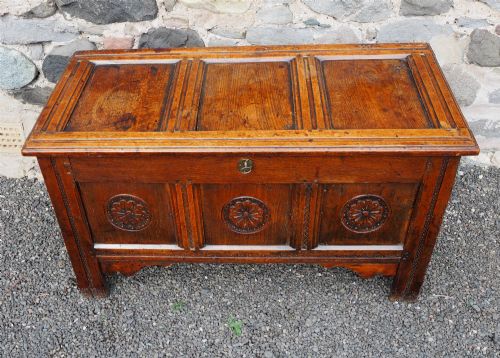
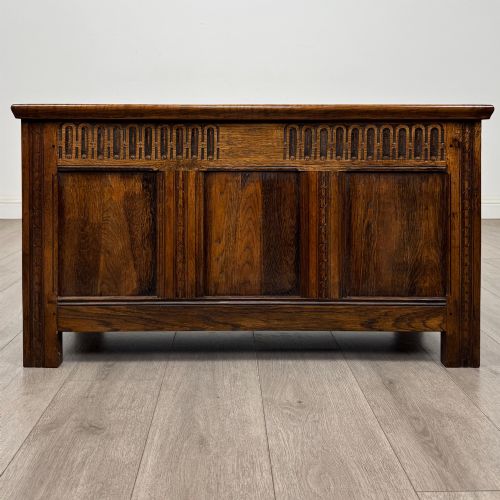
A panelled blanket box is fundamentally a robust storage chest constructed from solid timber frames surrounding fitted panels. These pieces appear primarily as seventeenth-century and eighteenth-century coffers, trunks, and mule chests designed to safeguard household textiles.
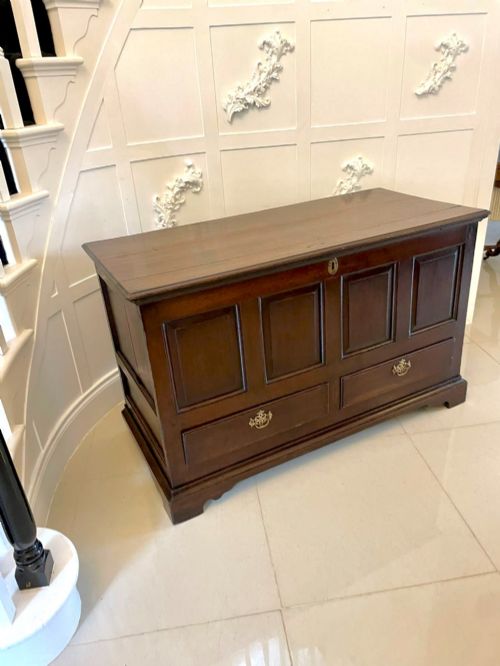
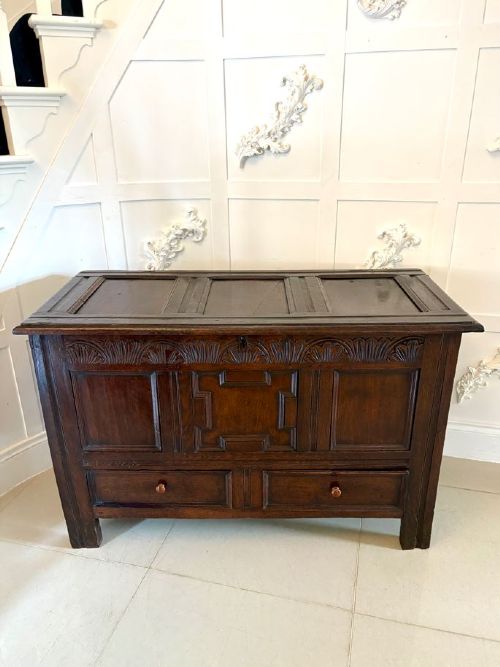
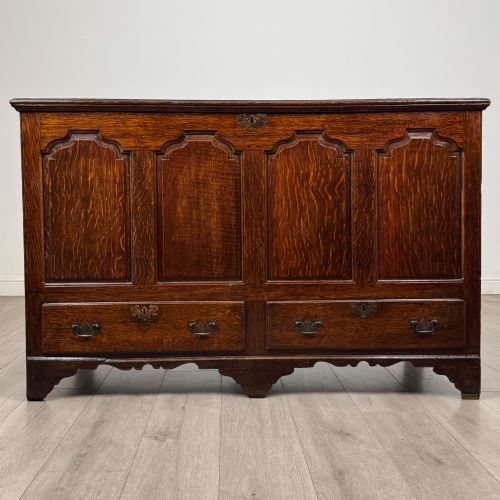
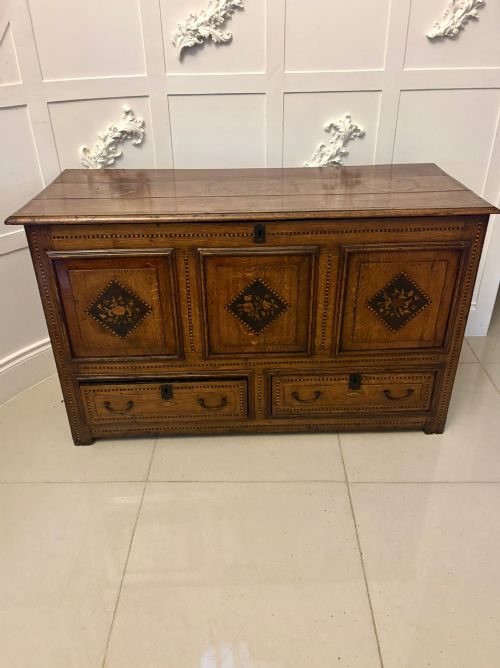
The version most commonly encountered on this page is the English or Welsh oak coffer featuring joined panel construction. Many examples hail from the Georgian period or earlier, occasionally incorporating lower drawer sections characteristic of mule chests.
Makers built these heavy storage boxes to withstand domestic use over generations, resulting in functional furniture that doubles as a sculptural anchor for a bedroom or hallway.
How They Were Made
Cabinet makers utilised heavy oak timber joined through traditional mortise and tenon frames that securely captured floating panels to allow for seasonal wood movement. Iron hinges and brass fittings provided operational strength to the heavy lids.
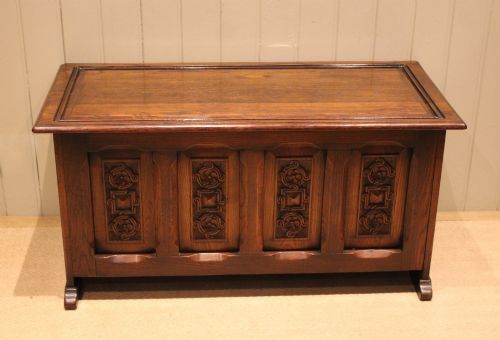
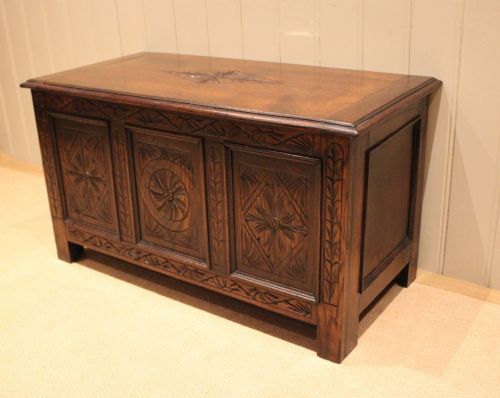
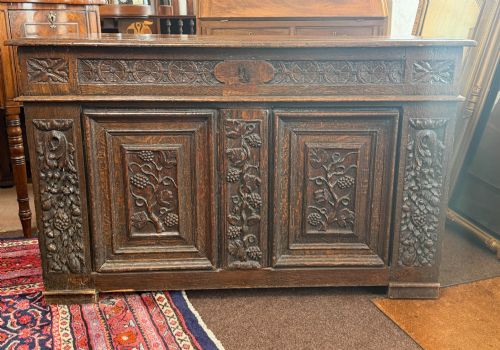
Surface enrichment often involved hand carving with geometric or floral motifs, alongside occasional marquetry inlay or wood inlay to accent the panels. Ebonised wood details also appear on select regional pieces.
Regional variations feature prominently, including specific Welsh and French provincial workshops alongside English Georgian pieces.
What Varies in Quality
Quality rests upon the integrity of the original timber framing and the depth of the hand carving rather than surface polish alone. Cohesive proportions and untouched original hardware elevate a piece far above heavily restored examples.
The presence of regional characteristics, such as specific Welsh provenance or intricate marquetry inlay, separates standard utilitarian boxes from exceptional decorative works.
The Panelled Blanket Box Glossary
- Mule chest
- A storage chest featuring one or more drawers beneath the main internal compartment. This form evolved from the traditional coffer to provide more accessible storage for garments.
- Panelled construction
- A framing technique where individual boards are set within grooved stiles and rails. This method accommodates the natural expansion and contraction of timber without splitting.
- Coffer
- A heavy wooden box with a hinged lid used historically for valuables and textiles. These vessels form the direct ancestor of the modern blanket box.
- Marquetry inlay
- Decorative patterns formed by fitting contrasting veneers into prepared recesses in the wood surface. This technique creates elaborate pictorial or geometric designs.
- Joined construction
- Cabinet making using rigid mortise and tenon joints secured by wooden pegs. It represents the primary structural backbone of early oak furniture.
Panelled Blanket Box: Frequently Asked Questions
What is a panelled blanket box used for?
These robust chests served historically to store household textiles, blankets, and woollens away from dampness and pests. In modern homes, they function as practical storage furniture placed at the foot of a bed or within a living space.
Their sturdy flat lids also allow the chests to double as occasional seating or display surfaces while concealing bulky items inside.
How do I tell a seventeenth-century box from a later copy?
Early pieces display distinct tool marks, hand-split or sawn timber surfaces, and traditional peg construction without modern machine screws. The timber develops a deep, organic patina over centuries that cannot be easily replicated by later workshops.
Examining the underside and interior boards reveals the aged grain and historical wear patterns consistent with genuine period use.
What is the difference between a coffer and a mule chest?
A coffer consists of a simple deep box accessed exclusively through the hinged lid on top. A mule chest incorporates one or more drawers built into the base beneath the main compartment.
This addition of lower drawers made frequently accessed items easier to retrieve without needing to lift the heavy top lid.
How do I care for antique oak storage chests?
Keep wooden chests away from direct heat sources and dramatic humidity shifts to prevent the solid oak panels from splitting. Feeding the timber occasionally with a traditional wax maintains the protective finish and enhances the natural patina.
Avoid harsh modern chemical cleaners that strip the historic surface oils built up over generations.