


Jacobean Oak Cabinet
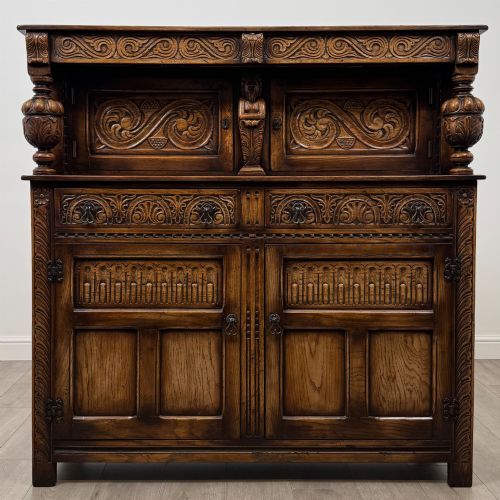
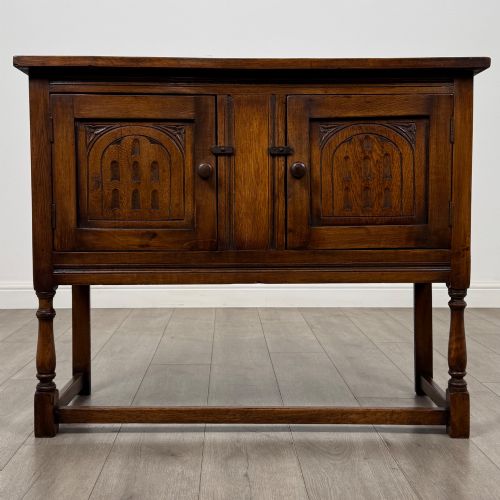
A jacobean oak cabinet brings solid timber and centuries of carving into a room, offering substantial storage with a distinct historical silhouette.
Jacobean Oak Cabinet
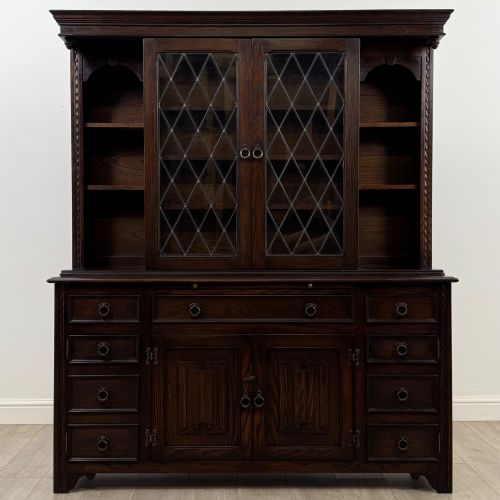
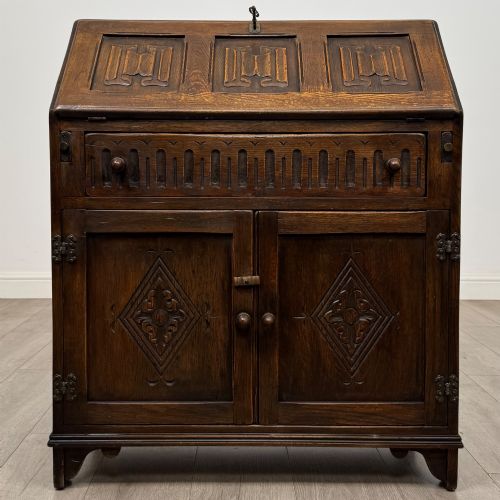
When searching for a jacobean oak cabinet, buyers encounter pieces spanning genuine seventeenth-century originals to later revival interpretations from the Victorian and Edwardian eras. The listings mix traditional forms such as court cupboards, press cupboards, and strong boxes with revival display cabinets, sideboards, and bureau bookcases.
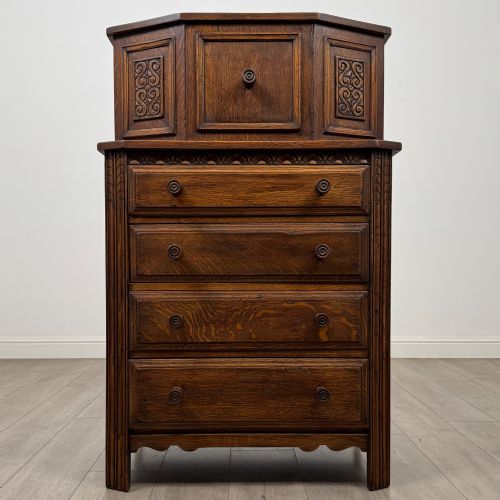
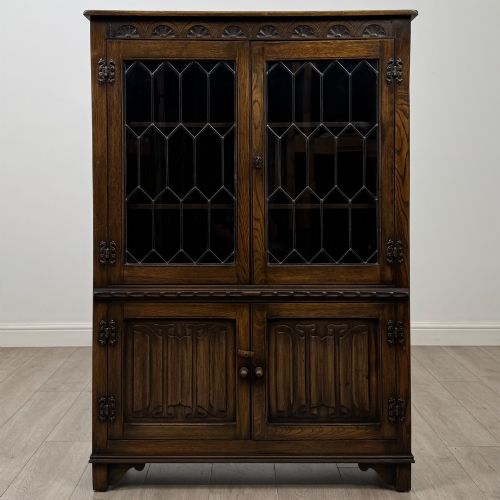
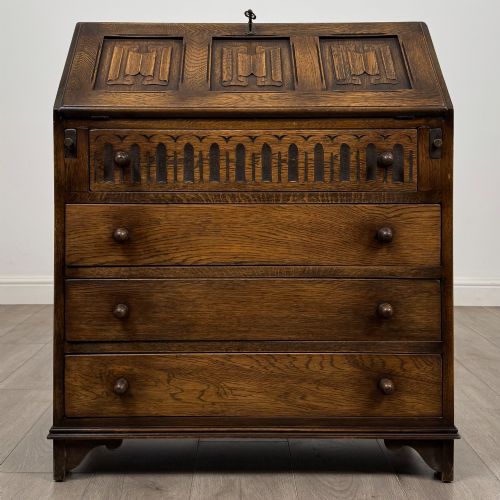
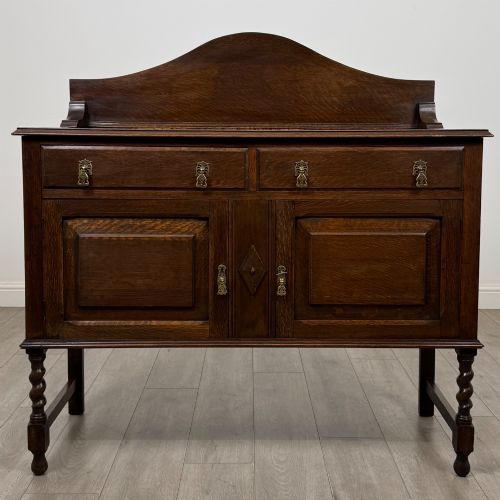
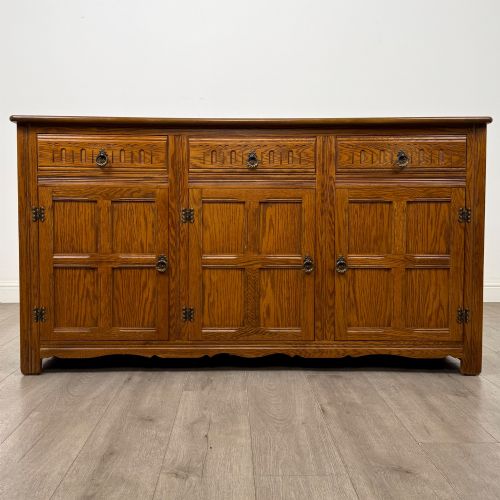
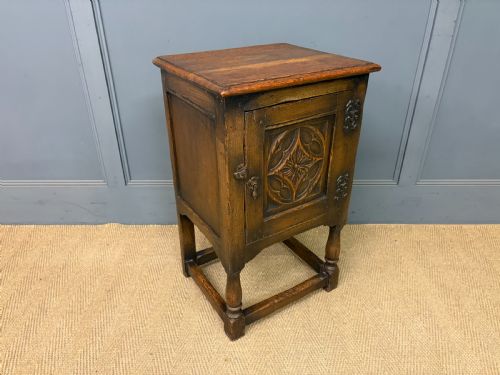
The version most commonly met on this page is the Jacobean Revival or Jacobean style piece produced during the late nineteenth and early twentieth centuries, often constructed in solid or dark oak. These revival items adapt seventeenth-century motifs for later domestic use, taking the form of corner cabinets, bedside units, and cocktail cabinets.
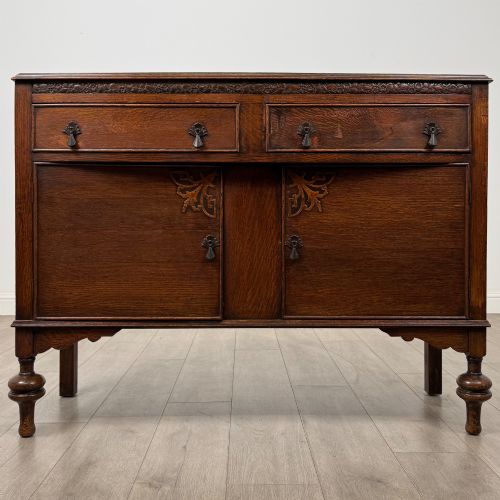
True seventeenth-century examples appear alongside these later interpretations, showing joined construction and period hardware in brass and iron. Whether looking at an Edwardian sideboard or a mid-seventeenth-century press cupboard, the category centres on heavy timber construction and carved surface detail.
How they were made
Construction relies primarily on oak, utilised in both solid and golden or dark finishes depending on the period of manufacture. Carpenters employed traditional joining techniques, building strong frames to support heavy panelled doors and carved facades.
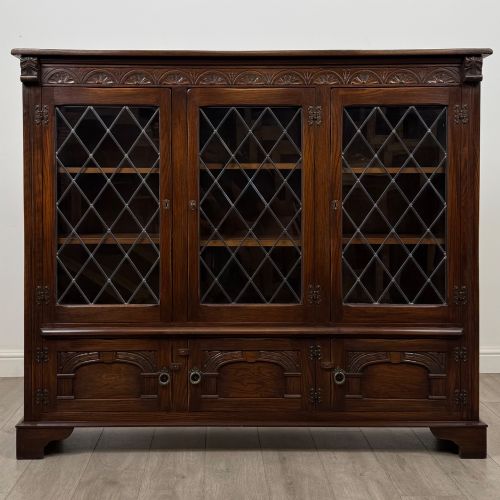
Hardware incorporates brass and iron for hinges, handles, and locks, while select pieces integrate glass panels or lead details in doors and display sections. Surfaces frequently display intricate carving, linenfold panels, and beaded edges executed by hand or specialised machinery in later revival workshops.
Secret compartments hidden behind carved linenfold panels reward those who tap gently on seventeenth-century press cupboards.
What varies in quality
Quality rests upon the integrity of the timber and the crispness of the carved ornamentation, distinguishing solid construction from lighter secondary woods. Pieces retaining original surface finishes and patination command higher regard than those stripped or heavily altered over time.
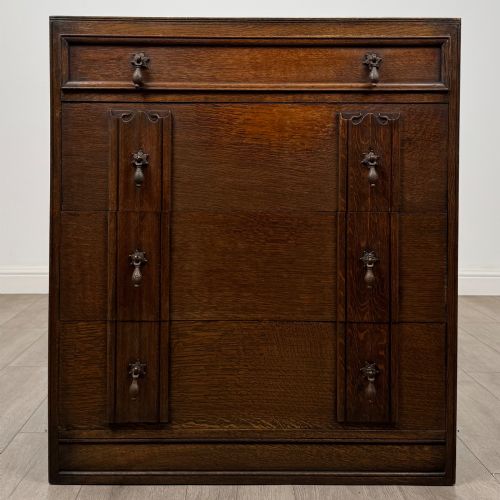
The precision of the joinery and the authenticity of period hardware, such as brass drop handles and iron strap hinges, separate standard production items from finer workshop pieces. Proportions and the balance of revival details relative to the underlying form dictate the visual success of the cabinet.
Leemings Halifax·Waring and Gillow
The Jacobean Oak Cabinet Glossary
- Court cupboard
- A heavy seventeenth-century storage piece featuring an upper recessed cabinet supported by pillars above a lower section. These items typically display extensive carved panels and robust oak construction.
- Linenfold
- A style of wood carving that mimics the appearance of folded fabric or linen cloth. This technique appears frequently on the panels of Edwardian revival bureaus and cupboards.
- Barley twist
- A turned wooden column resembling a helix or twisted rope used as a structural support on legs and uprights. This decorative turning is common in Edwardian sideboards and later revival furniture.
- Press cupboard
- A large enclosed storage furniture item designed for linen and garments, usually fitted with internal shelves or hanging space. Seventeenth-century examples feature heavy panel doors and original untouched patination.
- Bureau bookcase
- A combination piece comprising a sloping desk flap above drawers, surmounted by a glazed or panelled bookcase section. These items provide both writing space and elevated display storage.
Jacobean Oak Cabinet: Frequently Asked Questions
Are these cabinets made of solid oak?
Most pieces utilise solid oak throughout their primary framework, panels, and doors. Later revival pieces may incorporate secondary timbers in internal linings or drawer bottoms.
Examination of the interior and structural joints clarifies the timber composition of individual sideboards and cupboards.
How do I identify a 17th-century original?
Seventeenth-century originals display joined oak construction, hand-carved panels, and period iron or brass hardware reflecting the technology of the era. Tool marks, peg construction, and natural patination distinguish these early pieces from later revival work.
Revival pieces from the Victorian and Edwardian periods often show machine-cut elements and standardised fittings despite copying older styles.
Where were these cabinets used originally?
Early cupboards and press cabinets stood in the principal rooms and halls of substantial houses for storing food, textiles, and valuables. Later revival cabinets served domestic dining rooms, libraries, and hallways for display and general storage.
Their substantial weight and dark timber tones suited the architectural interiors of their respective periods.
How do I care for dark oak furniture?
Maintenance involves applying appropriate beeswax or polish to nourish the timber and preserve the surface finish. Direct sunlight and sudden changes in room temperature should be avoided to prevent wood movement.
Gentle dusting with a soft cloth maintains the patination on both antique and revival surfaces.