



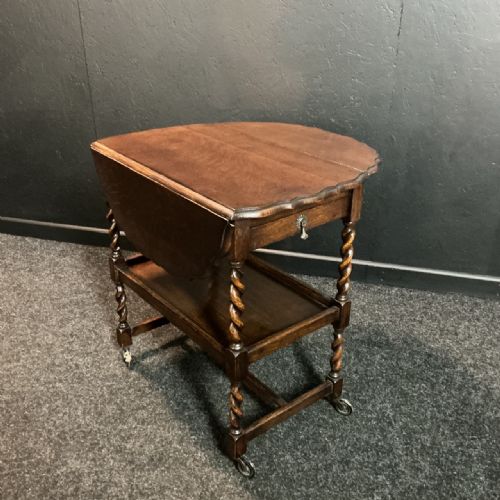
Jacobean Drop Leaf Table
A genuine jacobean drop leaf table provides sturdy timber construction and folding flaps that expand surface space when needed.

Jacobean Drop Leaf Table
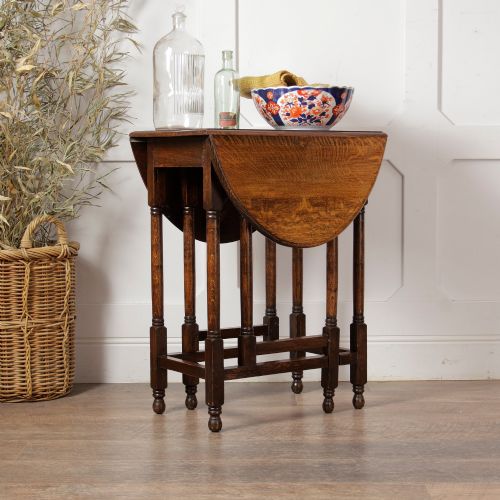
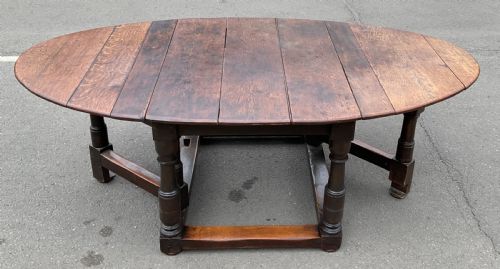
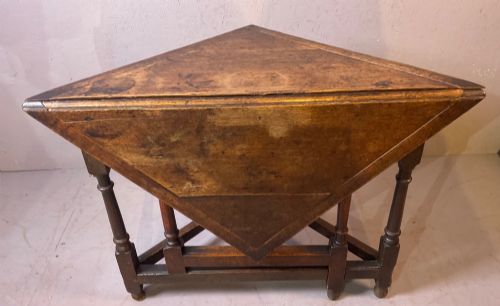
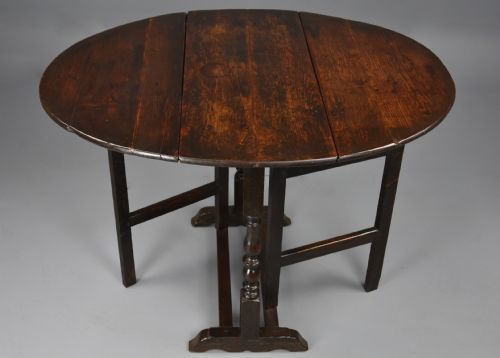
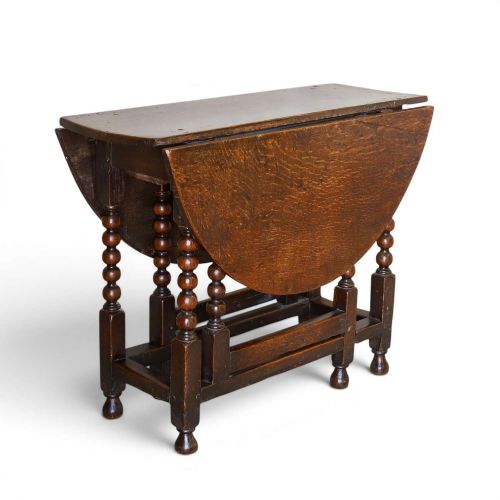
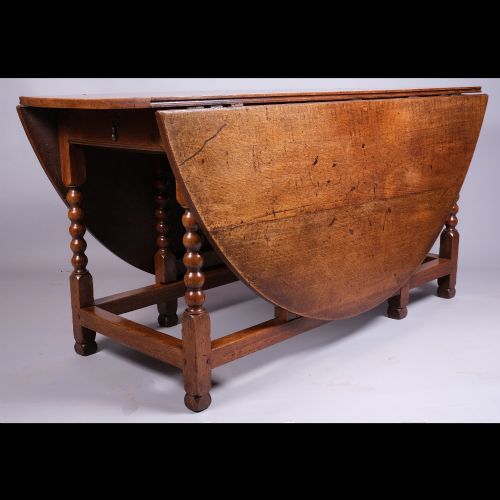
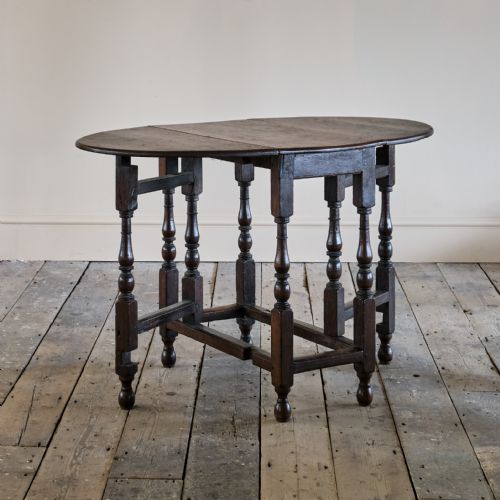
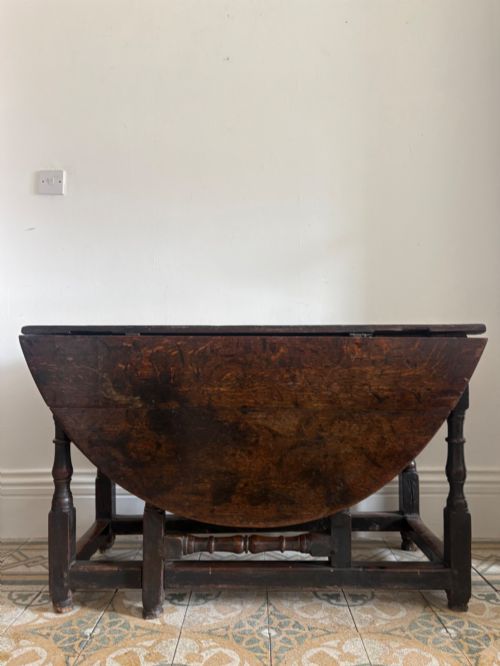
A jacobean drop leaf table typically presents an oval or rectangular top supported by hinged leaves and pivoting legs. These pieces range from compact side tables and coffee tables to large dining tables designed to seat several guests.
The selection includes authentic pieces dating back to the seventeenth century alongside later revival interpretations produced during the nineteenth and twentieth centuries. Oak forms the primary structural material across these different periods.

Materials and construction
Solid oak and ash provide the heavy structural framework required to support folding leaves and dynamic use. Carpenters shaped these dense timbers using traditional jointing methods alongside turned supports.
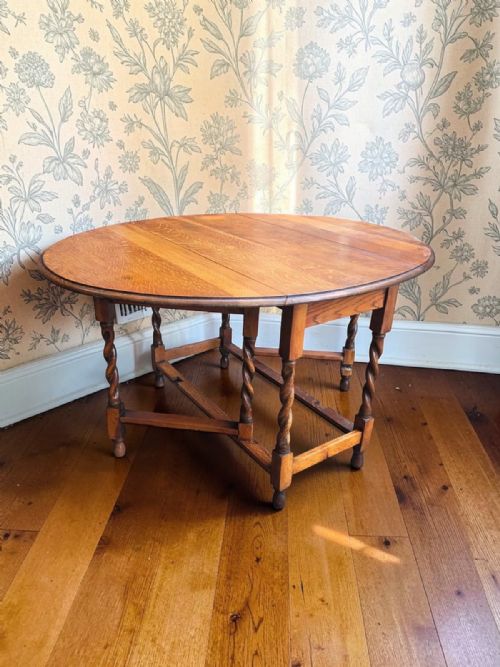
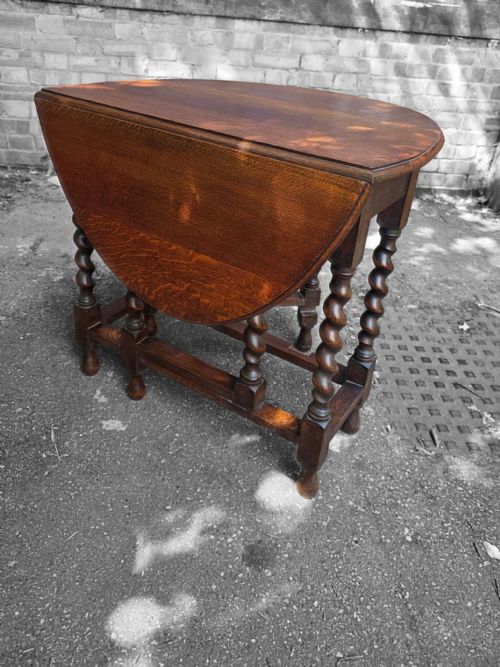
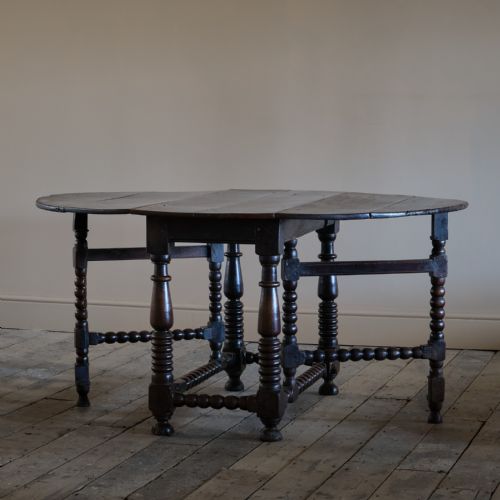
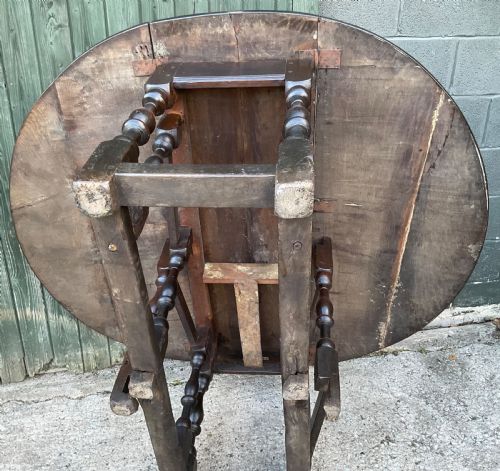
Turning techniques define the legs, featuring bobbin, barley twist, and baluster profiles that pivot outward to hold the drop leaves in position.
Some seventeenth-century gatelegs served as supper tables, cleverly engineered to tuck away completely when the evening meal ended.
Judging build and preservation
Quality rests upon the integrity of the timber, the depth of the original surface patina, and the tightness of the structural joints. Superior examples retain their early hinges, authentic timber planks, and unblemished turning.
Later revivals from the twentieth century often display lighter honey tones and different machining marks compared to seventeenth-century originals, while maintaining functional utility.
The Jacobean Drop Leaf Table Glossary
- Gateleg table
- A table featuring hinged leaves supported by one or more legs that swing outward like a gate. This design allows the surface area to expand or contract easily.
- Barley twist
- A spiral turning technique carved into wooden table legs and supports. This decorative form appears frequently on seventeenth-century pieces and later revival furniture.
- Bobbin turning
- A type of lathe-turned leg resembling a string of rounded spools or bobbins. It is also known as bobbin-jointed or spool-turned furniture.
- Patina
- The surface sheen and colour developed by aged wood through handling, polishing, and exposure to light over centuries. A desirable surface shows depth without heavy restoration.
- Plank top
- A table surface constructed from solid wooden boards joined edge to edge. This method precedes modern veneering techniques.
Jacobean Drop Leaf Table: Frequently Asked Questions
How do I use a drop leaf table daily?
Keep the leaves dropped against the sides for a compact console or side table profile in a hallway or smaller room. Raise one or both leaves and swing out the supporting gatelegs when you need an expanded surface for dining or working.
Ensure heavy items rest over the fixed centre section rather than directly upon the unsupported outer edges of the folding leaves.
How can I tell a seventeenth-century table from a later revival?
Examine the timber grain, construction marks, and the method used to join the frame together. Seventeenth-century originals show hand-tooling, pegged joints, and deep patination accumulated over centuries.
Twentieth-century revival pieces often feature standardised machine cutting, lighter honey oak finishes, and more uniform timber surfaces.
Are these tables suitable for small rooms?
Many surviving examples are built with small proportions specifically for compact spaces. Dropping both leaves reduces the footprint significantly so the table sits neatly against a wall.
Occasional and side table formats provide convenient surface space without overwhelming narrow corridors or modest living areas.
What maintenance does solid oak require?
Dust the timber regularly with a dry cloth and apply a quality bees-wax polish occasionally to nourish the grain. Avoid placing solid oak furniture near direct heat sources or in damp areas to prevent wood movement.
Use coasters and placemats to protect the historic surface finish from moisture rings and heat damage.