


Ivory Porcelain Figure
An ivory porcelain figure brings refined historic detail to a room, offering classical and orientalist forms shaped across the nineteenth and early twentieth centuries.
Ivory Porcelain Figure
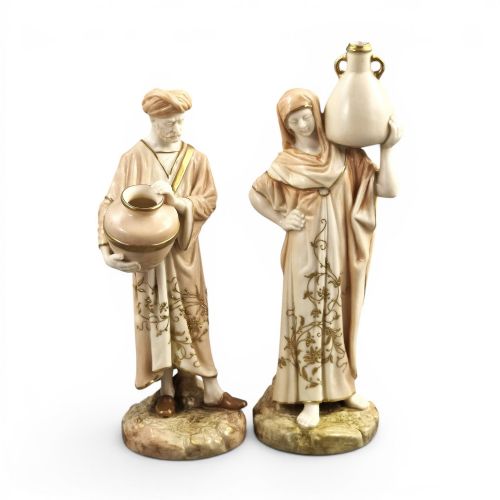
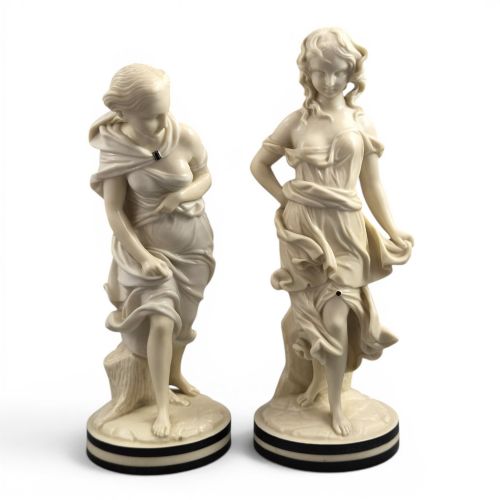
An ivory porcelain figure represents detailed sculptural work in ceramic, often taking the form of figurines, candlesticks, and candelabra. These objects frequently depict maidens, musicians, water carriers, and dancers modelled with great sensitivity.
Forms vary from single decorative statuettes to substantial pairs mounted on circular rustic bases. Collectors encounter both classical revival subjects and striking orientalist figures designed by prominent modellers.
Materials and production methods
Makers shaped these sculptures from fine ceramic paste, applying specialised blush ivory glaze to achieve a warm, matte surface. Enamel colours and gold leaf accents were frequently added by hand to highlight jewellery, garments, and decorative borders.
Certain pieces incorporate parian ware, a biscuit porcelain that imitates carved marble, providing a smooth texture for classical figures. Gilding and gilt details catch the light against the muted tones of the ceramic body.
Several Victorian figures share space with ceramic lizards clinging faithfully to rustic tree stumps.
Assessing craftsmanship and finish
Quality rests in the crispness of the modelling and the subtlety of the hand-painted enamel work. Superior examples exhibit intricate detailing in facial expressions, hair, and textiles without losing definition beneath the glaze.
The application of gold leaf and the preservation of delicate limbs, fingers, and accessories distinguish finer works. The sophistication of the design, whether an elaborate candelabrum or a single figure, dictates the standing of the piece.
James Hadley·Royal Worcester·Royal Dux·Kerr and Binns
The Ivory Porcelain Figure Glossary
- Blush ivory glaze
- A tinted ceramic finish developed to resemble aged ivory. It provides a soft background for hand-painted floral motifs and gilt highlights.
- Parian ware
- A fine-grained unglazed porcelain resembling marble. Sculptors favoured this material for nineteenth-century classical figures.
- Candelabra
- A branched candlestick holding multiple lights. These often match the sculptural style of companion figurines.
- Shot enamel
- A technique where enamel colours shift depending on the angle of light. This finish adds shimmering complexity to robes and garments.
- Orientalism
- An artistic style drawing inspiration from Middle Eastern and Asian subjects. Victorian modellers frequently portrayed water carriers and musicians in this manner.
Ivory Porcelain Figure: Frequently Asked Questions
What is blush ivory porcelain?
Blush ivory is a specialised ceramic finish developed during the nineteenth century to give porcelain the warm, creamy appearance of genuine elephant ivory.
Potters used this subtle glaze as a canvas for delicate enamel painting and gilding.
How do I identify a Victorian figure?
Victorian figures typically display classical revival or orientalist themes, often featuring ornate drapery, naturalistic stump bases, and muted enamel palettes.
Dates and registry marks impressed into the ceramic body provide precise chronological confirmation.
Are these figures functional or decorative?
Most pieces serve a purely decorative function as sculptural table ornaments, statuettes, or mantel centrepieces.
Certain items combine this sculptural form with utility, functioning as candlesticks or candelabra.