


Edwardian Porcelain Sculpture
Edwardian porcelain sculpture brings graceful figures and expressive busts into a room, offering a tangible link to the decorative arts of the early twentieth century.
Edwardian Porcelain Sculpture
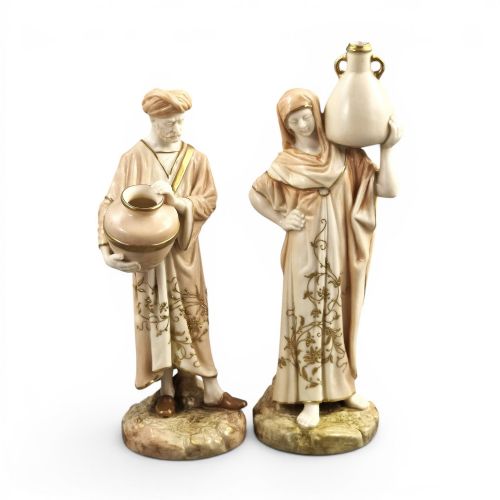
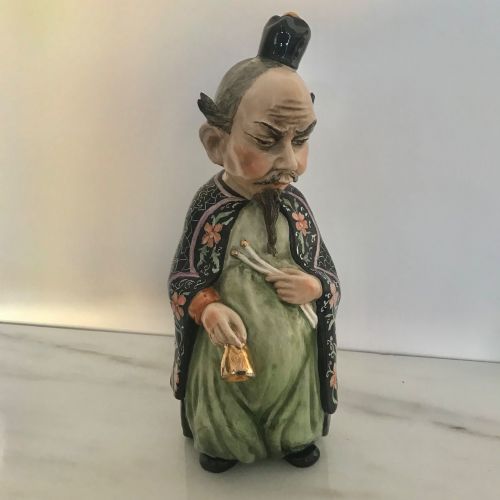
Edwardian porcelain sculpture encompasses decorative figurines, portrait busts, and figurative groups created around the turn of the twentieth century. These pieces frequently capture human forms, water carriers, nymphs, and figures in historical or domestic attire.
The objects span production from major European factories, including English works by Royal Worcester and continental pieces from Bohemia and Germany. Art Nouveau styling often influences the curves and floral motifs of these sculptural works.
Collectors encounter diverse forms, ranging from single figures to large figurative groups and functional spill vases. The pieces reflect both classical revival aesthetics and the flowing lines typical of the early 1900s.
Materials and manufacture
Makers utilised fine ceramic bodies, predominantly porcelain and bisque, shaped through specialised moulding techniques. Glazes and enamel decoration were then applied by hand to add colour and surface detail.
Many examples incorporate delicate gilt highlights and shot enamel finishes to create shimmering textural contrasts. Parian ware and terracotta also appear, offering alternative matte surfaces favoured for portraiture and classical figures.
Fishermen, water carriers, and whimsical nymphs populate these early ceramic scenes, forever frozen in mid-pour or casting a bronze-tinted net.
Quality and execution
The complexity of the form and the scale of the composition distinguish standard productions from exhibition-worthy groups. Well-preserved gilding and unblemished glazed surfaces elevate the visual presence of the sculpture.
Royal Dux Bohemia·Royal Worcester·James Hadley·Volkstedt·Ernst Wahliss
The Edwardian Porcelain Sculpture Glossary
- Bisque
- Unglazed porcelain with a matte, marble-like texture. This finish was widely favored for portrait busts and detailed figures.
- Shot enamel
- A specialised glazing technique that produces iridescent colour shifts across the surface of the ceramic. It creates a shimmering quality under changing light.
- Parian ware
- A fine-grained, unglazed porcelain resembling white marble. It gained popularity for nineteenth-century portrait busts and classical figures.
- Spill vase
- A small decorative vessel designed to hold taper matches for lighting lamps or fires. These often incorporated figural sculptural elements.
- Enamel
- Vitreous colouring applied to the fired ceramic surface and fixed by subsequent heating. It provides rich hues and durable detail on porcelain sculptures.
Edwardian Porcelain Sculpture: Frequently Asked Questions
How were these porcelain figures used originally?
Sculptural ceramics served primarily as decorative ornaments displayed on mantelpieces, sideboards, and occasional tables in formal drawing rooms. Some forms, such as spill vases, combined sculptural display with a practical household function.
Their presence added cultural refinement and aesthetic interest to Edwardian domestic interiors. Wealthy households and middle-class homes alike collected them to demonstrate taste and sophistication.
How should I care for porcelain sculptures?
Regular dusting with a soft, dry brush keeps unglazed bisque surfaces clean without trapping moisture in the porous ceramic. Glazed and enameled pieces tolerate gentle cleaning with a slightly damp cloth when necessary.
Displaying the sculptures away from direct sunlight protects hand-painted enamel colours from fading over time. Stable indoor placement prevents accidental tipping of delicate limbs and projecting drapery.
How do I distinguish different periods and styles?
Art Nouveau examples feature asymmetrical flowing lines, floral motifs, and organic drapery inspired by natural forms. Pieces from the Edwardian era often balance these curvilinear tendencies with classical restraint and naturalistic flesh tones.
Factory marks, model numbers, and signature styles help pinpoint origins in English or continental European kilns. Examining the type of glaze, such as shot enamel or matte bisque, further clarifies the date of manufacture.