


Italian Painted Console Table
An italian painted console table brings architectural presence and fluid painted surface to a hall or reception room.
Italian Painted Console Table
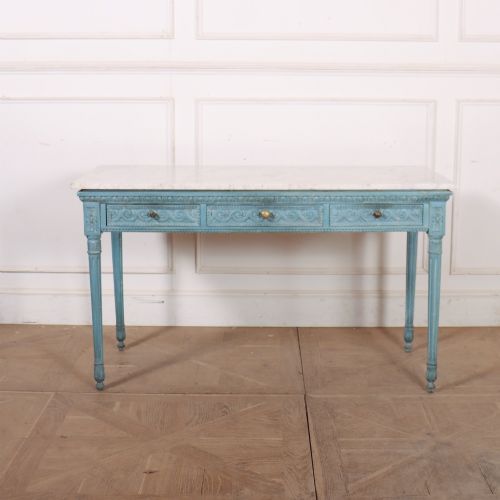
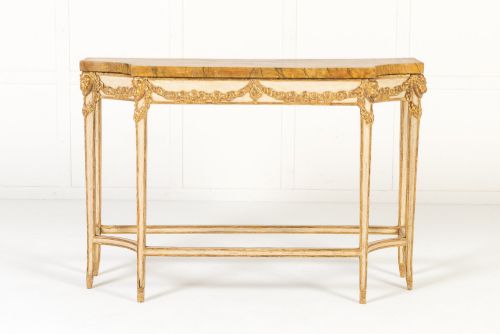
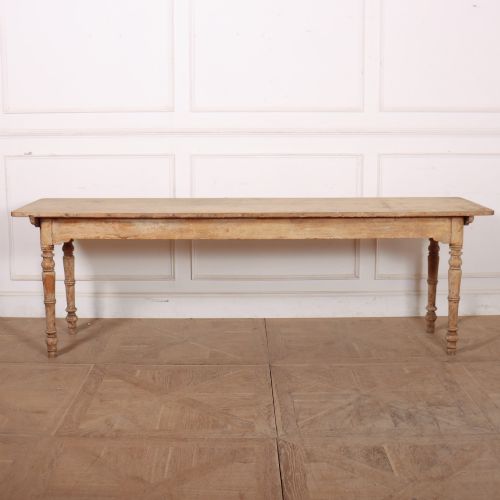
An italian painted console table serves primarily as a wall-anchored or freestanding architectural accent, frequently appearing in forms ranging from grand eighteenth century neo-classical designs to nineteenth century rustic pieces.
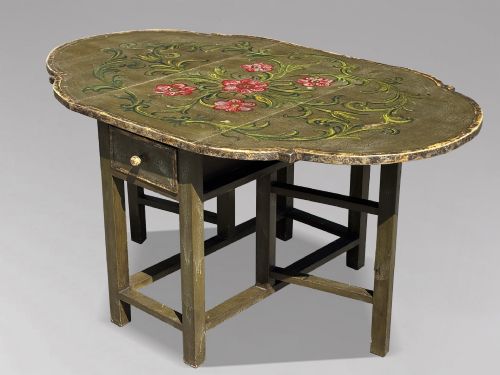
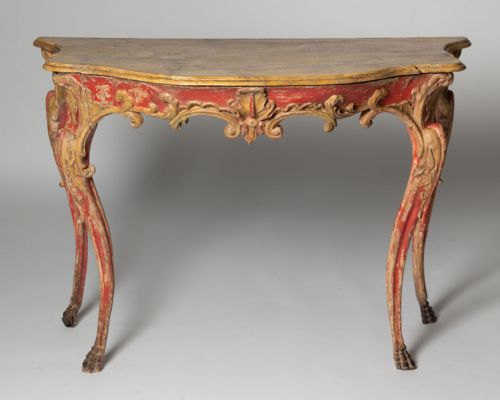
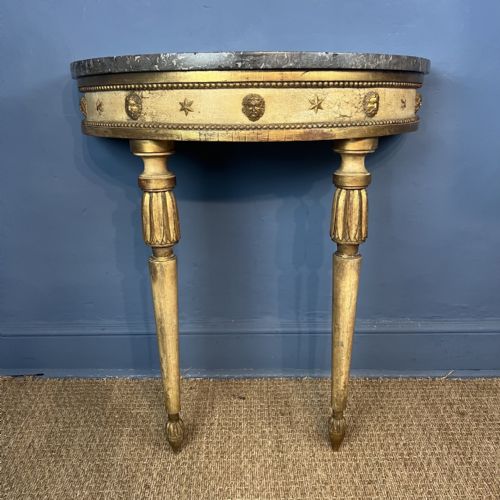
The pieces on this page span several centuries and regional traditions, encompassing the restraint of neo-classical geometry, the flourish of Venetian rococo, and the charm of folk art or country variants.
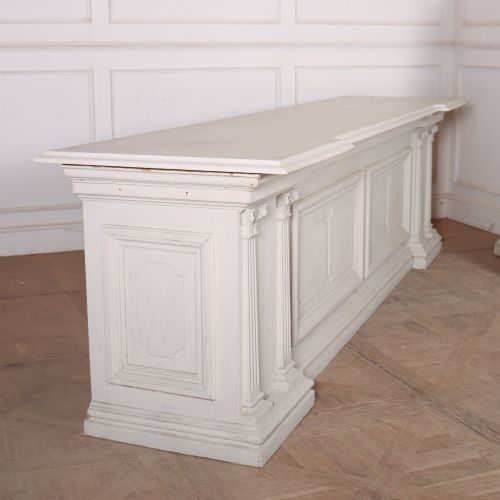
Console tables share space here with related side tables, drop-leaf tables, and occasional shop counters, all united by Italian craftsmanship and painted or gilded surfaces.
Materials and Construction
Carved wood provides the structural base, often shaped into serpentine or straight forms and overlaid with gesso to prepare the surface for decoration.
Painters applied decorative schemes using pigments, gold leaf, or silver gilt, occasionally combining faux finishes such as faux porphyry with natural stone or specimen marble tops.
Listings feature pieces spanning the eighteenth and nineteenth centuries, including the Regency period and the early twentieth century.
Judging Quality
Quality rests upon the crispness of the carved wood details and the integrity of the original painted surface rather than applied modern decoration.
The presence of matching elements, such as original marble tops and integrated mirrors, separates standard side tables from significant architectural examples.
Pauly et Cie
The Italian Painted Console Table Glossary
- Console table
- A table designed to stand against a wall, frequently supported by wall brackets or decorative legs. These pieces anchor entrance halls and principal reception rooms.
- Gesso
- A plaster mixture applied to wood surfaces to create a smooth base for painting and gilding. This material allows for crisp carved relief details.
- Giltwood
- Wood that has been coated with gold leaf or silver leaf. It catches ambient light in formal interiors.
- Serpentine
- A furniture contour featuring a curving line that bends inward and outward. This shape adds movement to eighteenth and nineteenth century case pieces.
- Faux porphyry
- A painted decorative finish that imitates the deep purple-red igneous rock used in antiquity. Artisans employ this technique to achieve grand decorative effects.
Italian Painted Console Table: Frequently Asked Questions
Where should I place a console table?
These tables suit entrance halls, corridors, and principal reception rooms where wall space supports their architectural presence.
Their shallow depth allows them to sit neatly against walls without obstructing pathways.
Are marble tops original?
Many examples feature stone or specimen marble tops integrated into the original design, particularly neo-classical pieces.
Inspection of the bedding and edges helps determine whether the top corresponds to the base's period.
How do I identify neo-classical style?
Neo-classical tables display straight lines, symmetry, and architectural motifs drawn from classical antiquity.
This aesthetic contrasts with the curving asymmetry of rococo designs.
What maintenance do painted surfaces need?
Painted and gilded wood requires gentle dusting with a dry cloth and protection from direct sunlight and moisture.
Avoid chemical cleaning agents that can damage historic paint layers.