

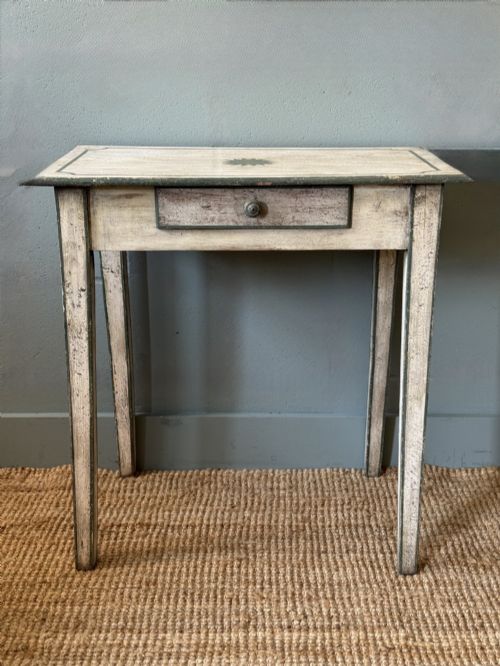
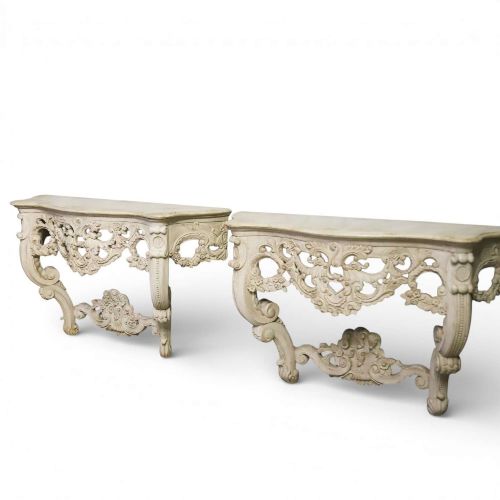
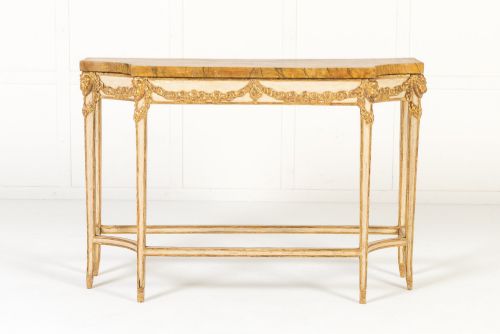
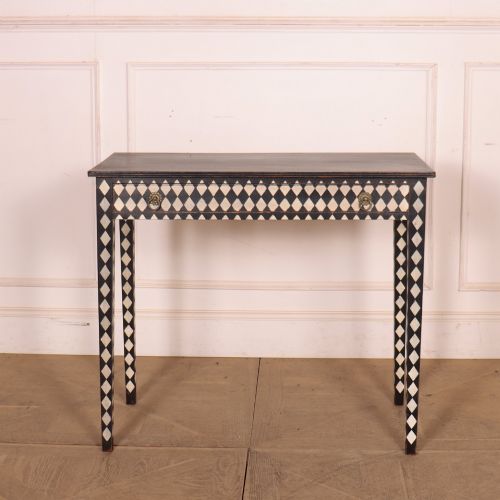
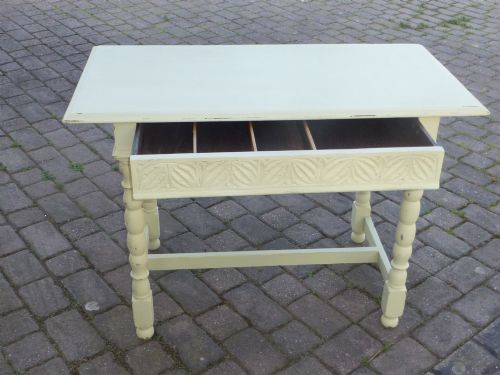
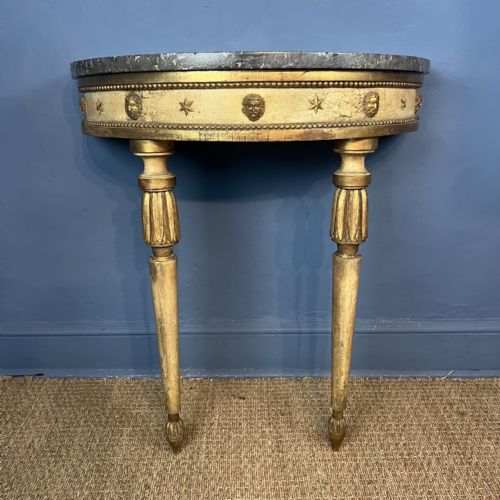
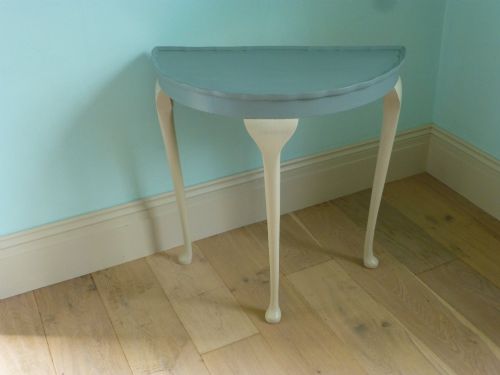
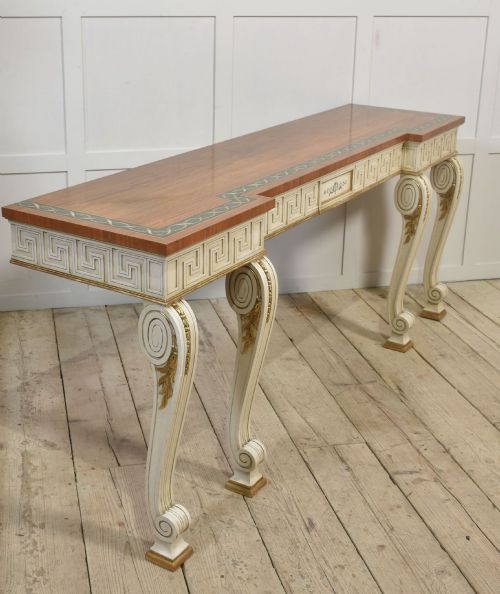


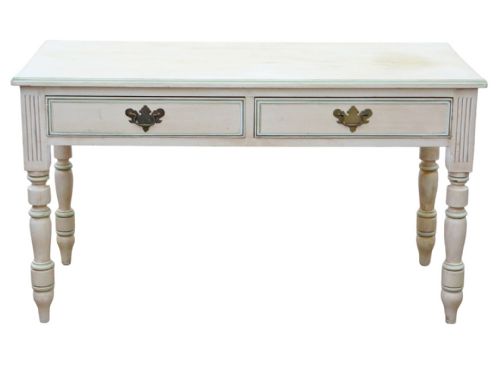
Cream Painted Hall Table
A cream painted hall table brings lightness and continental elegance to an entrance, offering a functional surface shaped by centuries of European craftsmanship.
Cream Painted Hall Table
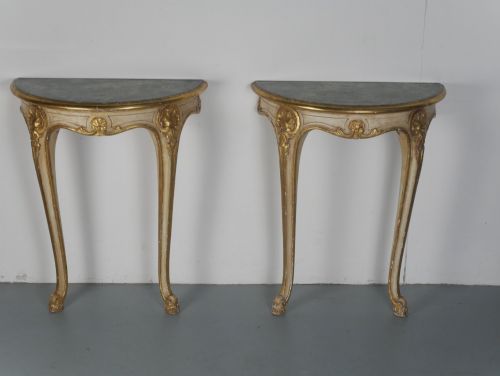
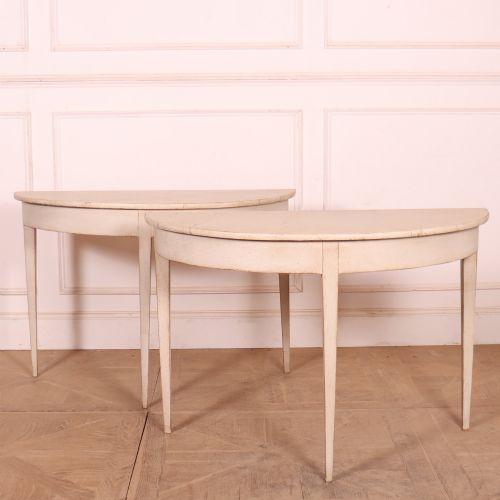
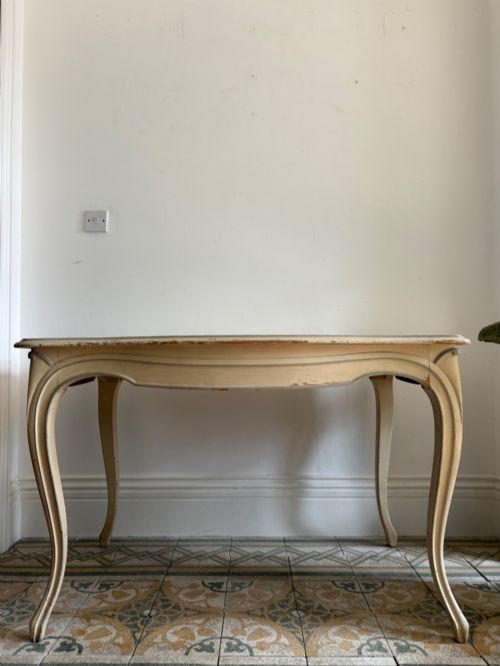
When you search for a cream painted hall table, you encounter a diverse selection of furniture spanning the seventeenth through to the twentieth centuries. The listings predominantly feature console tables, side tables, and demi-lune forms designed to sit neatly against an entryway wall.
Originating largely from French, Italian, and Swedish traditions, these pieces range from rustic country house styles to ornate Neoclassical and Rococo designs. Alongside dedicated hall tables, the selection includes adaptable dresser bases, desks, and serving tables adapted for modern living.
The aesthetic leans heavily towards muted, aged painted finishes often paired with parcel gilt highlights or contrasting marble tops. Buyers find everything from compact bedside console pairs to substantial nineteenth-century serving pieces suited to generous proportions.
Materials and construction
Makers built these pieces primarily from traditional timber foundations, utilising oak, fruitwood, pine, and general wood substrates beneath decorative layers. Surfaces received coats of paint, gesso, and occasionally gold leaf to achieve the characteristic aged antique white or cream appearance.
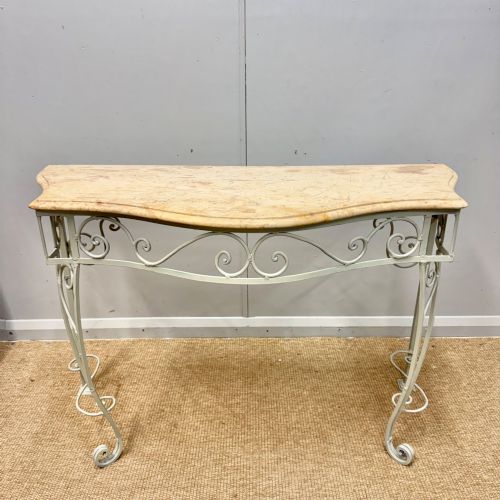
Many examples incorporate substantial marble tops, wrought iron elements, and brass details to add weight and textural contrast to the painted woodwork. Hand-carved motifs, serpentine fronts, and cabriole legs reflect regional cabinet-making techniques from French provincial workshops to Italian studios.
Cream Painted Hall Table Retail Price Guide 2026
Typical asking prices for cream painted hall table among the pieces listed under this phrase on Sellingantiques today, from the lower quarter to the upper quarter. They describe what is for sale here now, not the wider market.
One industrious Victorian craftsman even converted a tilt-top dining table into a grand hallway centrepiece.
What sets examples apart
Quality rests heavily on the integrity of the original paint surface and the subtlety of the underlying carved detail. Pieces featuring untouched patination, hand-carving, and period-correct materials distinguish themselves from later, more heavily distressed interpretations.
Structural execution in the timber joinery and the selection of secondary materials like genuine marble or wrought iron frame components define the upper tier. The balance of proportions, particularly in demi-lune and serpentine forms, dictates a piece's architectural success.
The Cream Painted Hall Table Glossary
- Demi-lune
- A half-moon shaped table designed to stand flat against a wall. This form became particularly popular in Swedish and French neoclassical interiors.
- Console table
- A table supported by wall brackets or console legs, traditionally positioned in formal hallways. They often feature decorative aprons and marble tops.
- Gesso
- A plaster-like mixture applied to wood surfaces as a base for paint or gilding. It allows for intricate, sharp carved details to be built up before finishing.
- Parcel gilt
- A decorative technique where specific carved elements or details are partially covered with gold leaf. This creates a subtle contrast against the cream painted body.
- Serpentine front
- A furniture front characterised by a wavy outline featuring a convex centre flanked by concave curves. It requires advanced woodworking skill to execute properly.
Cream Painted Hall Table: Frequently Asked Questions
What is a demi-lune hall table?
A demi-lune table is built with a half-circular top and a flat back designed to sit flush against an entrance wall. These pieces maximise floor space while providing a practical surface for everyday items.
They frequently appear in Swedish and French regional styles with painted wooden frames and tapered legs.
How do I style a painted hall table?
Pair the table with a matching wall mirror or hang artwork above to anchor the piece within your hallway. Keep the surface uncluttered with a simple lamp, a ceramic bowl, or seasonal foliage.
The neutral cream finish allows these tables to complement both traditional period properties and modern neutral interiors.
Are marble top console tables heavy?
Yes, marble tops add considerable weight to console and side tables, which often aids stability against the wall. Many period pieces feature loose marble slabs resting directly on the wooden base.
Exercise caution when moving these tables by lifting the wooden structure rather than relying on the stone top for grip.
How do I identify a painted antique?
Examine the paint surface for natural wear patterns, craquelure, and multiple underlying layers accumulated over decades of use. Authentic period pieces show hand-mixed pigments and wear consistent with age rather than artificial distressing.
Tool marks from hand-carved woodwork and traditional joinery methods further support an authentic nineteenth or early twentieth-century origin.