

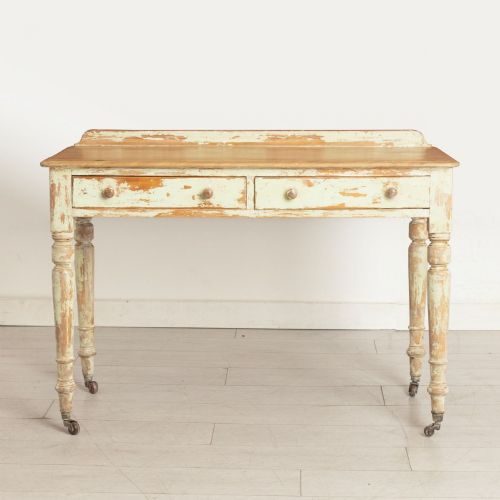
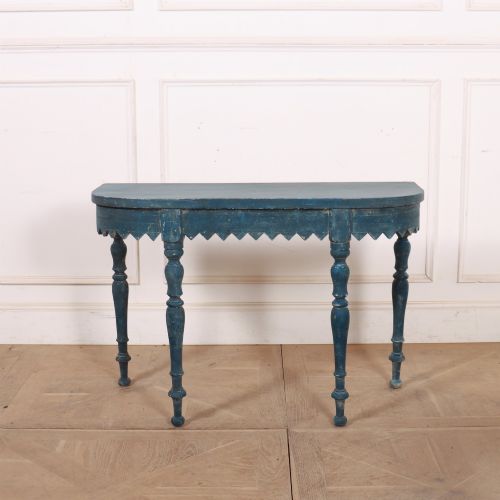
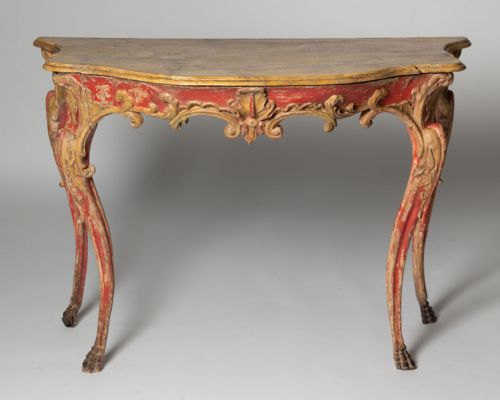

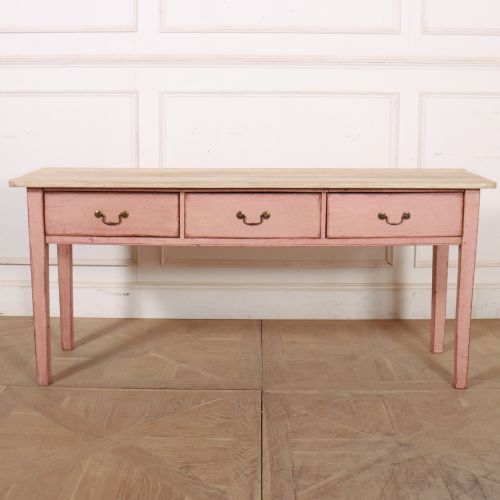


Distressed Paint Console Table
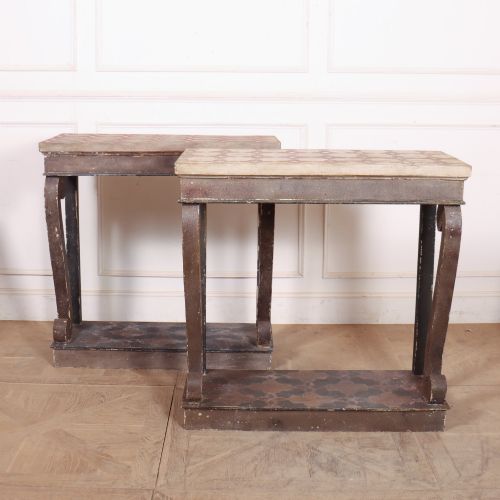
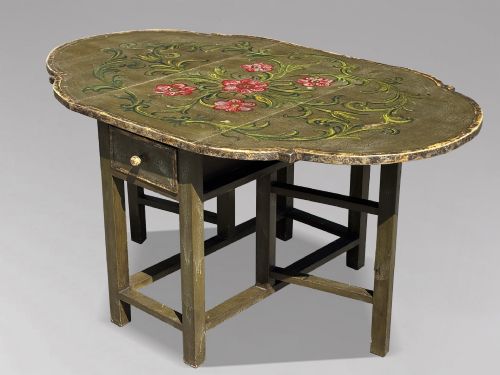
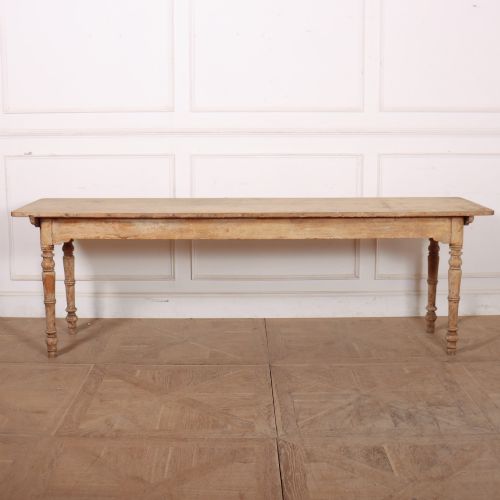
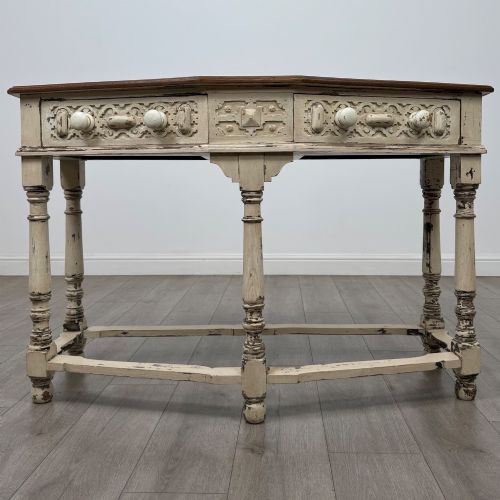
A distressed paint console table brings surface history and regional character into a hallway or living space.
Distressed Paint Console Table
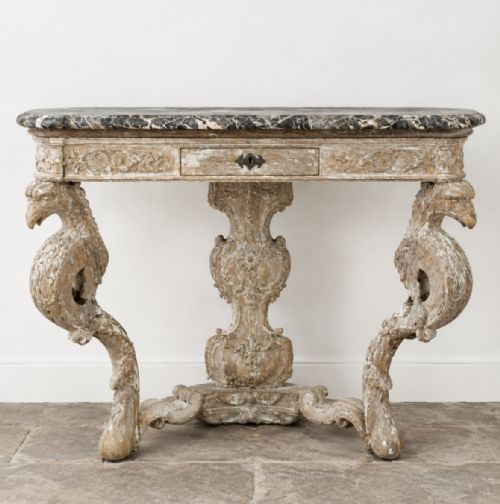
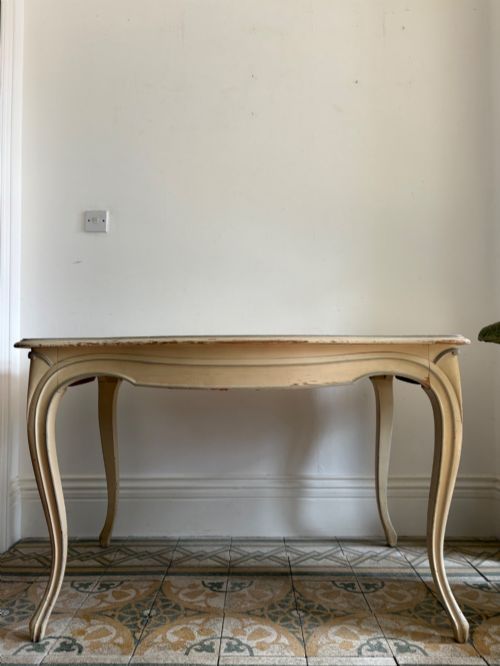
A distressed paint console table encompasses side tables, servers, and writing desks originating primarily from the eighteenth and nineteenth centuries. Buyers frequently encounter regional European forms, particularly Swedish demi-lune designs and Italian painted pieces.
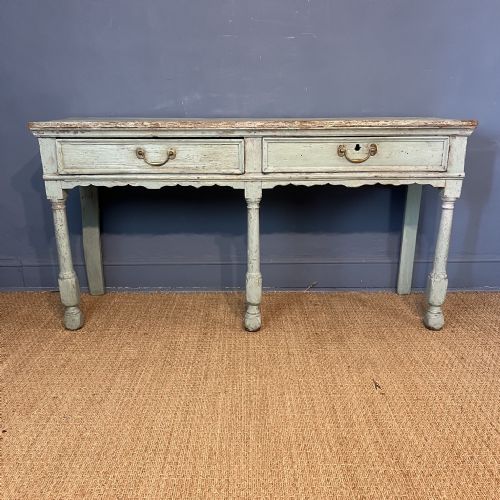
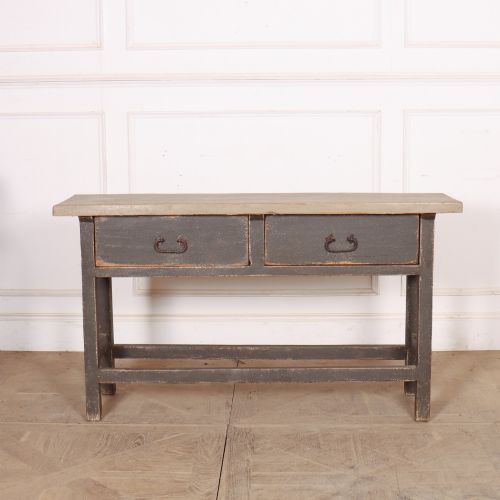
The selection ranges from English country pine dresser bases to French provincial and Gustavian console tables. These pieces serve primarily as architectural wall tables, often paired with marble tops or retaining aged timber surfaces.
How they were made
Construction relies heavily on pine, oak, birch, and general timber, shaped through cabinetmaking and carpentry techniques appropriate to the eighteenth and nineteenth centuries. Carved wood details frequently appear on continental examples from France and Italy.
Surfaces are finished with paint, sometimes complemented by brass hardware or inset marble and stone tops. The aged appearance results from historic layers of paint wearing down organically over decades of use.
Listings feature items from the eighteenth and nineteenth centuries, including Victorian and Edwardian examples.
What varies in quality
Quality rests upon the integrity of the original paint surface and the balance of the proportions. Tables retaining genuine historic pigment layers hold greater interest than modern reproductions finished to mimic age.
The sophistication of the timber construction and the presence of period materials such as marble or brass elevate certain pieces above standard utility furniture.
The Distressed Paint Console Table Glossary
- Demi-lune
- A half-moon shape common in console tables designed to sit flat against a wall. This format allows the table to occupy minimal floor space in hallways and reception rooms.
- Dresser base
- A low utilitarian wooden table featuring drawers or cupboards, often utilised as a serving surface. These pieces frequently display sturdy country construction.
- Gothic taste
- An architectural and decorative style drawing on medieval forms. Tables in this taste incorporate pointed arches and heavy proportions.
- Gustavian
- A Swedish neoclassical design movement championed by King Gustav III. Pieces from this aesthetic favour pale painted finishes and restrained classical ornamentation.
Distressed Paint Console Table: Frequently Asked Questions
Where should I place a console table?
These tables suit narrow hallways, entrance passages, and living room walls where floor space is limited. Their shallow profiles allow them to sit flush against vertical surfaces without obstructing movement.
Pairing a console table with a mirror or hanging artwork creates a focal point in domestic interiors. They also function as practical serving surfaces in dining rooms.
How do I identify a painted pine piece?
Pine displays a straight grain with characteristic knots and a softer density than hardwoods like oak or walnut. Historic painted surfaces on pine often show micro-cracking and natural thinning over the softwood grain.
Examining the underside and drawer construction reveals hand-cut joinery typical of eighteenth and nineteenth-century workshop production.
How do I care for aged painted surfaces?
Historic painted finishes require protection from direct sunlight and excessive moisture to prevent further flaking. Dusting with a dry, soft cloth preserves the delicate layers of old pigment.
Avoid chemical polishes and modern solvents, which can strip away historic paint layers. Maintaining stable room humidity prevents the underlying timber from expanding and contracting.