


Italian Inlaid Side Table
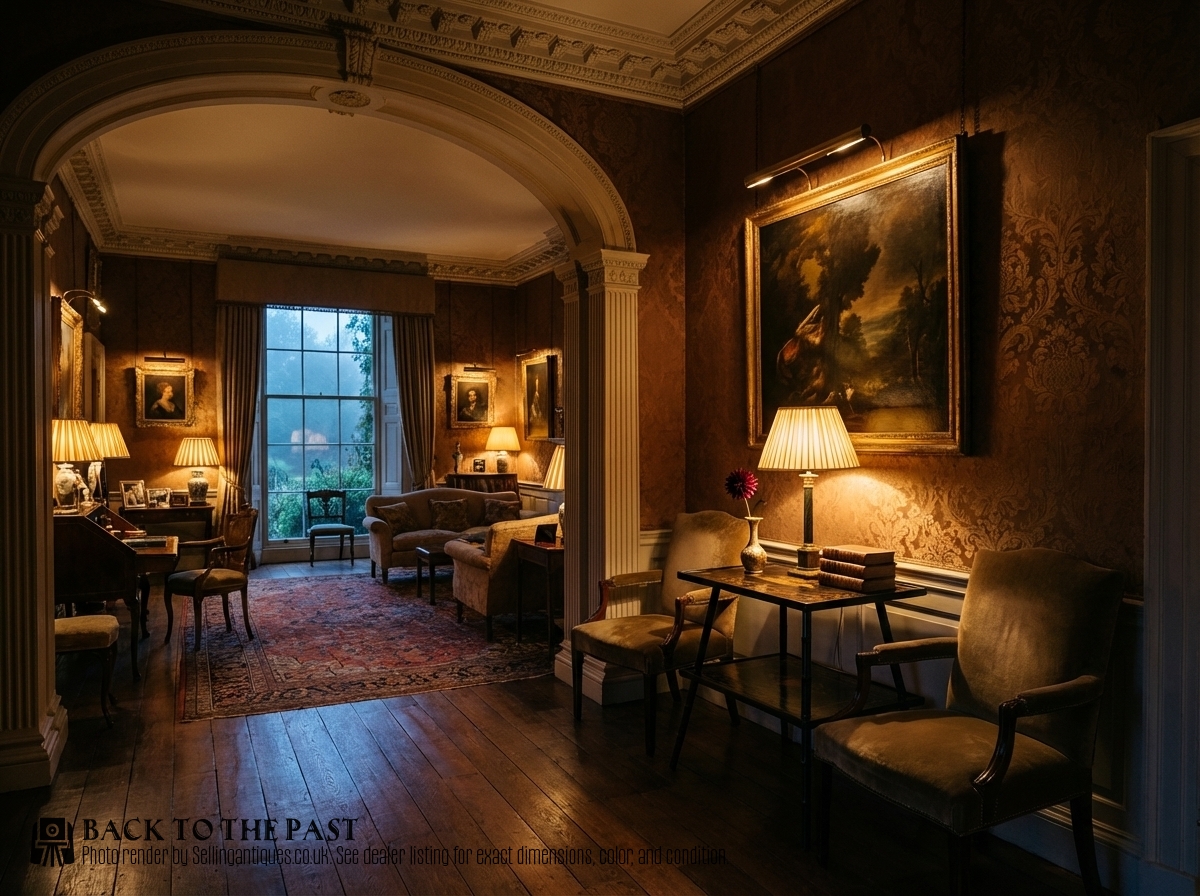
An italian inlaid side table brings tactile warmth and intricate geometric or figurative pictures straight into a room from nineteenth-century workshops.
Italian Inlaid Side Table
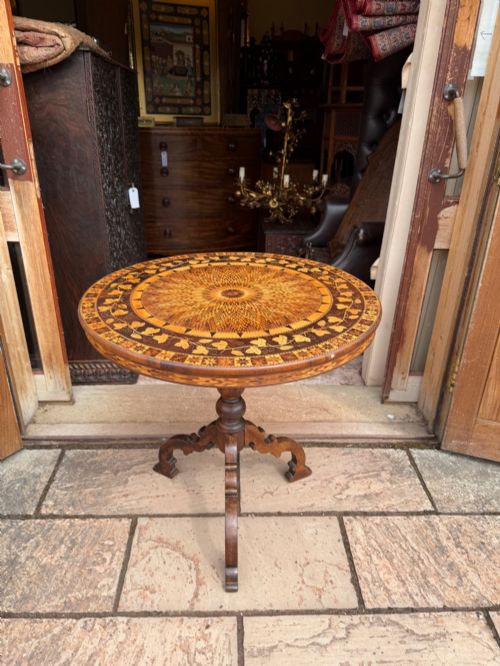
Every italian inlaid side table on this page represents a tradition of decorative woodwork spanning the nineteenth century, including Victorian interpretations and Grand Tour souvenirs. These pieces appear most frequently as occasional tables, centre tables, and tilt-top tables designed for display rather than heavy domestic use.
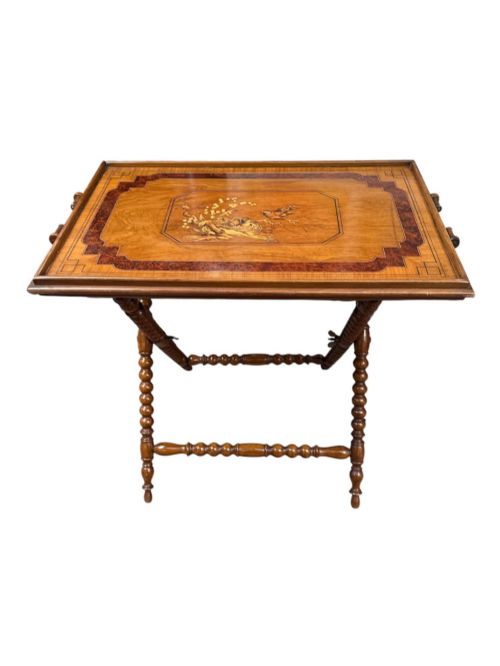
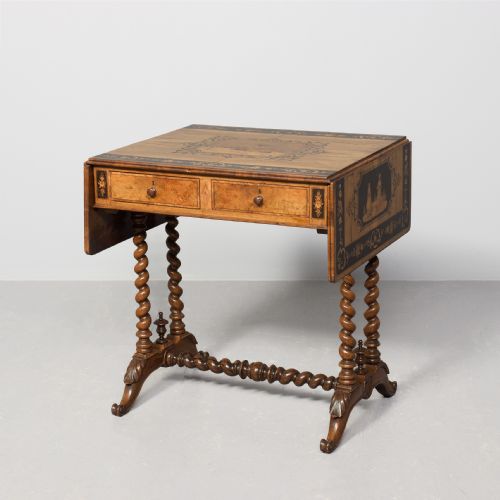
Makers often drew inspiration from Sorrento and the broader Italian craft tradition, utilising walnut, olivewood, fruitwood, and ebonised timber as a ground for complex surface decoration. Buyers encounter forms ranging from low bedside stands and butler's trays to grander pedestal and console designs.
Materials and Construction
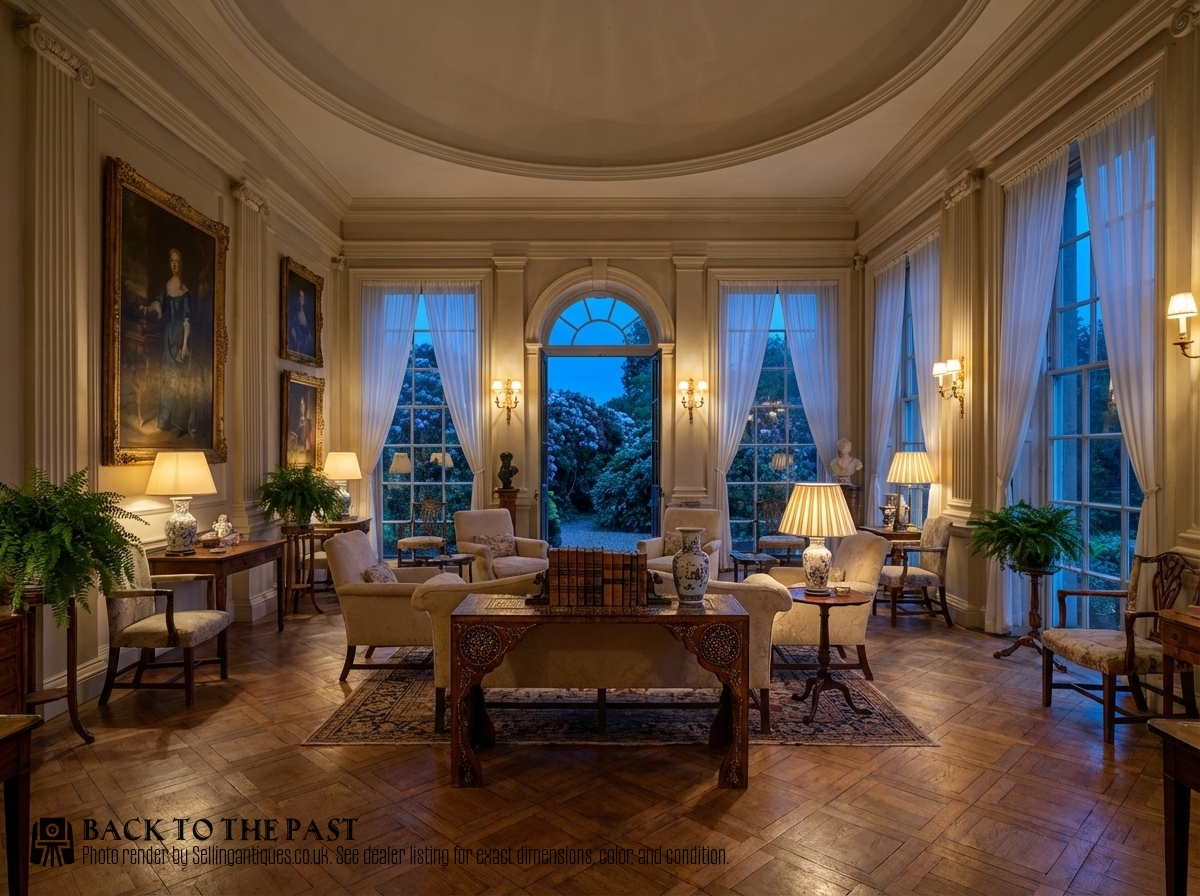
The primary structure relies on solid timbers like walnut, mahogany, and fruitwood, often combined with ebonised wood or satin birch to create contrasting dark frames. Surfaces receive elaborate marquetry and parquetry, cutting thin veneers of diverse woods to form pictorial scenes or geometric patterns.
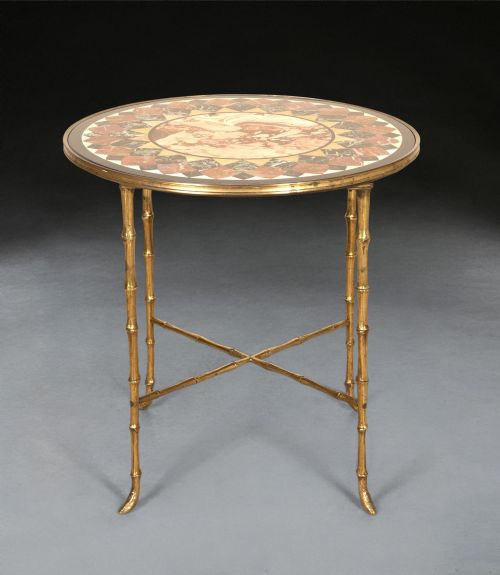
Many high-status examples incorporate specialist mineral tops, including specimen marble, scagliola, and pietra dura inlay using hardstones arranged into detailed compositions of birds or geometric motifs. Bone inlay also appears on select pieces to add brilliant white highlights against dark wood grounds.
Italian Inlaid Side Table Retail Price Guide 2026
Typical asking prices for italian inlaid side table among the pieces listed under this phrase on Sellingantiques today, from the lower quarter to the upper quarter. They describe what is for sale here now, not the wider market.
Certain nineteenth-century craftsmen concealed tiny secret compartments inside tilt-top tables, leaving a hidden drawer for illicit love letters or folded currency.
Judging Quality
Quality rests upon the precision of the timber fit and the complexity of the pictorial inlay rather than mere age alone. Pieces featuring meticulous marquetry showing subtle tonal shading in the woods demand higher regard than simpler geometric repeats.
The choice of top elevates certain examples, with multi-mineral specimen marble and hardstone pietra dura surfaces requiring exceptional lapidary skill. Frame construction matters equally, distinguishing straightforward utilitarian tables from exhibition pieces with ebonised and bone-inlaid details.
Pietro Ferrario·Almerico Gargiulo·Carlo Bugatti
The Italian Inlaid Side Table Glossary
- Marquetry inlay
- An art form where small pieces of tinted or natural wood veneer are assembled into decorative pictures or patterns. It covers flat surfaces like table tops with intricate grain contrasts.
- Pietra dura
- A technique utilising precisely cut and fitted polished hardstones to create pictorial mosaics. Artisans use jaspers, marbles, and pietres to depict birds, flowers, and geometric designs.
- Scagliola
- A composite material made from selenite, glue, and pigments that mimics natural marble. Craftsmen apply and polish it to achieve the appearance of expensive stone tops.
- Specimen marble
- A table top composed of numerous geometric geometric samples of different coloured marbles collected during the Grand Tour. Each individual marble sample is bordered by fine inlay lines.
Italian Inlaid Side Table: Frequently Asked Questions
What is Sorrento ware?
Sorrento ware refers to decorative wooden items, particularly tables and boxes, produced in the Italian town of Sorrento during the nineteenth century. These pieces showcase intricate marquetry using native timbers like olivewood.
Craftsmen cut veneers by hand to create detailed geometric patterns, landscapes, and floral designs that cover the entire upper surface.
How do I care for marble tops?
Specimen marble and stone surfaces require gentle cleaning with a soft, damp cloth and neutral soap. Avoid acidic liquids like citrus juice or vinegar, which etch polished stone.
Waxing is generally unnecessary for the stone itself, but the wooden base benefits from occasional application of quality beeswax.
What is pietra dura?
Pietra dura is a painstaking technique where artisans inlay finely cut polished hardstones into a solid marble or slate background. The resulting pictures often depict birds, fruit, or elaborate geometric patterns.
This method reached a peak in Italian workshops frequented by nineteenth-century travellers on the Grand Tour.
Where were these tables placed?
Nineteenth-century households positioned these decorative items in reception rooms, parlours, and hallways as display surfaces. Occasional tables held small lamps, calling card trays, or imported ornaments.
Tilt-top variants allowed owners to fold the surface upright against a wall when floor space was needed.
How do I date an inlaid table?
Dating relies on examining the secondary timbers, construction methods, and stylistic cues present in the woodwork. Nineteenth-century examples often combine walnut frames with distinctive Sorrento marquetry.
Earlier pieces from the Georgian era display heavier proportions, while Victorian and later nineteenth-century pieces lean towards eclectic revival styles.