







Italian Cherub Figures
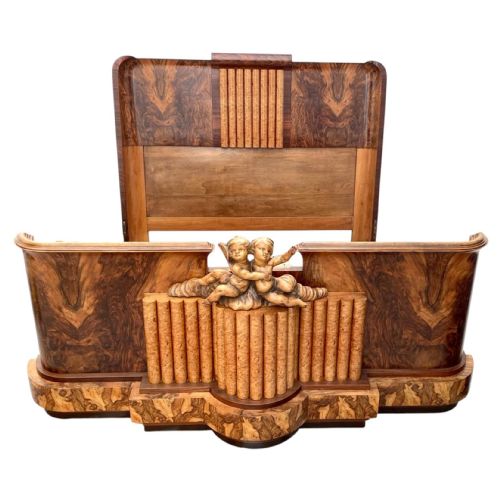
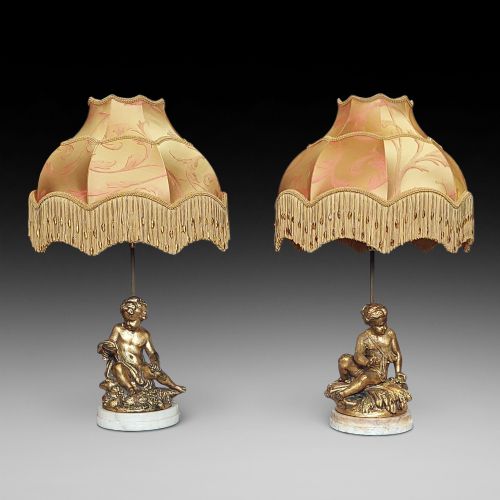
These Italian cherub figures are carved wood, marble, bronze and polychrome sculptures that bring classical presence and decorative movement to a room.
Italian Cherub Figures
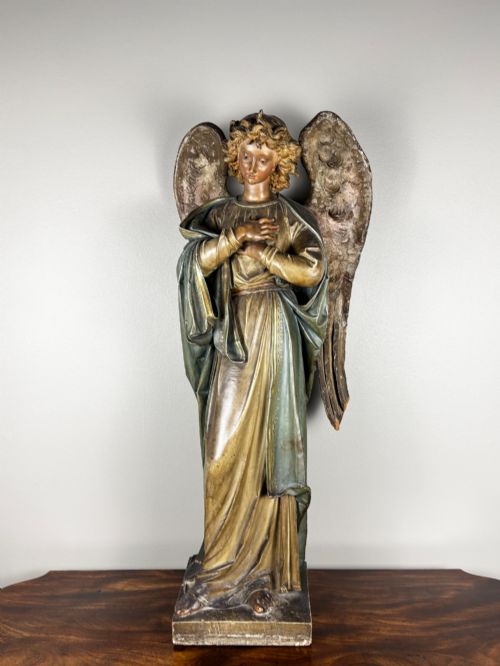
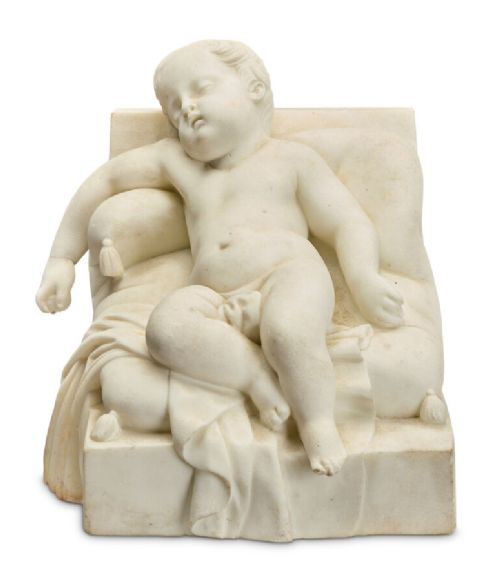
Italian cherub figures encompass carved wood sculptures, marble statues, bronze putti and polychrome angels originating from various periods including the eighteenth and nineteenth centuries. Buyers searching for italian cherub figures typically encounter decorative carvings, table lamps, bookends and religious sculptures reflecting styles from the Baroque to the Renaissance revival.
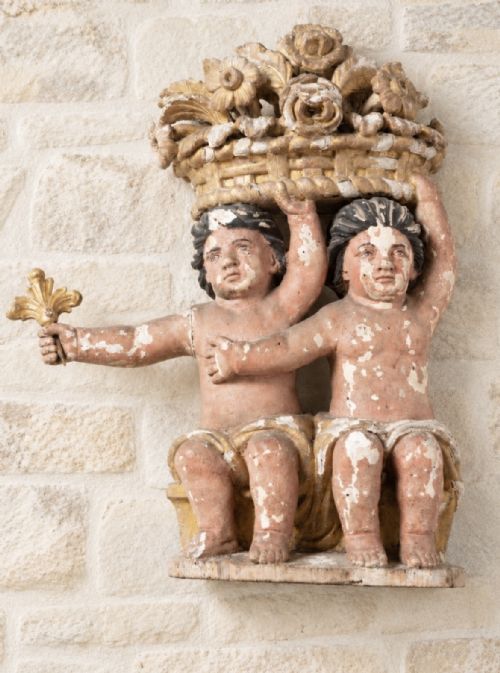
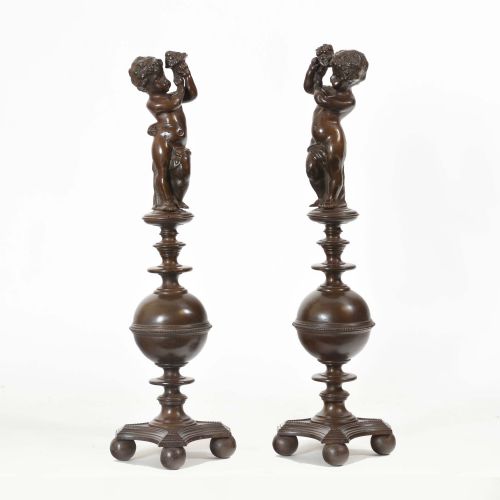
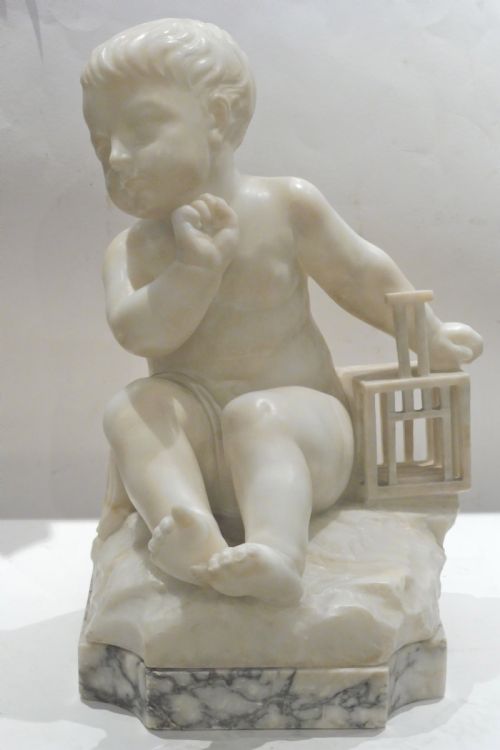
The objects vary from eighteenth century polychrome carved wood figures on clouds to nineteenth century marble statues and grand tour bronze pairings mounted on marble bases. Many pieces take the form of paired table lamps, book rests or architectural altar figures, capturing the theatrical postures characteristic of Italian workshops.
Materials and Craftsmanship
Carved wood examples rely on traditional substrates like lime wood finished with gesso, polychrome paint, silvering and gold leaf to create rich surface texture. Sculptural works utilise durable mediums such as white marble, alabaster and cast bronze, often pairing metal figures with heavy stone bases.
Makers applied polychrome pigments and metallic leaf by hand over prepared grounds, allowing carved details in hair, drapery and wings to catch the light. Bronze and cast iron pieces demonstrate detailed chasing and patination typical of grand tour production and nineteenth century foundry work.
Italian Cherub Figures Retail Price Guide 2026
Typical asking prices for italian cherub figures among the pieces listed under this phrase on Sellingantiques today, from the lower quarter to the upper quarter. They describe what is for sale here now, not the wider market.
Several cherubs are caught mid-cloud or mid-grape, proving that eighteenth-century cherubs knew how to snack.
Assessing Quality and Execution
Condition and originality dictate desirability, particularly regarding the integrity of applied gesso, gold leaf, paint layers and stone mounts. Pieces that retain their early surface patination without heavy later repainting offer a more authentic representation of their period.
Antonio Canova·Pugi
The Italian Cherub Figures Glossary
- Putto
- A figure of a small chubby infant, frequently winged, depicted in classical and Renaissance art. These figures appear frequently in Italian religious and secular sculpture.
- Gesso
- A plaster mixture applied to wood surfaces as a base for painting and gilding. This material allows for smooth preparatory grounds before gold leaf application.
- Polychrome
- Decorated in multiple colours. This technique is commonly found on carved wood figures from the eighteenth and nineteenth centuries.
- Grand Tour
- A cultural trip of Europe undertaken by wealthy young men in the eighteenth and nineteenth centuries. It generated demand for small bronzes and classical sculpture souvenirs.
- Alabaster
- A fine-grained mineral often carved into translucent statues and decorative objects. It provides a smooth surface favoured for nineteenth century sculptural works.
Italian Cherub Figures: Frequently Asked Questions
What periods do these figures come from?
The pieces span from the eighteenth century through the nineteenth century and into the early twentieth century. Most examples date to the Victorian era and the eighteen-fifties or eighteen-sixties.
Earlier works often feature carved wood with polychrome and gilt finishes, while later items include bronze grand tour casts and alabaster sculptures.
How were these figures originally used?
Many served as religious or altar decorations in Italian churches, while others formed part of secular domestic interior displays. Pairs often stood as architectural ornaments or supported bookends and lighting.
Grand tour bronzes were acquired by travellers as decorative souvenirs of their journeys through Italy.
Are these figures solid bronze?
Composition varies according to the specific medium and object type. Some pieces are cast in bronze or brass, while others combine bronze figures with heavy marble bases.
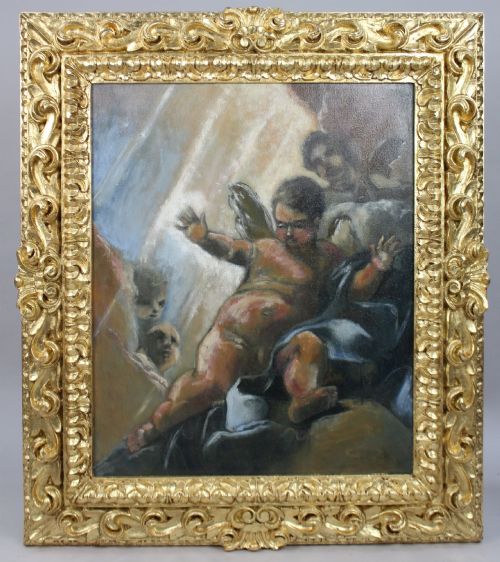
Alternative materials include carved lime wood, alabaster, cast iron and oil on canvas representations.
How do I care for polychrome and gilt wood?
Keep the figures away from direct sunlight and steady humidity fluctuations to protect fragile gesso and paint layers. Dust gently with a dry, soft brush rather than using liquid cleaners.
Avoid abrasive materials that might lift the delicate gold leaf or polychrome pigments.
What is the difference between a putto and an angel?
A putto is a secular mythological infant figure derived from classical art, often resembling a wingless or winged cherub. Angels carry specific religious significance within Christian iconography and church decoration.
In Italian art, the terms sometimes overlap depending on whether the sculpture adorned an altar or a domestic interior.