







Victorian Putti Statues
Victorian putti statues are winged child figures captured in bronze, marble, porcelain, and terracotta that bring classical mythology into nineteenth-century interiors.
Victorian Putti Statues
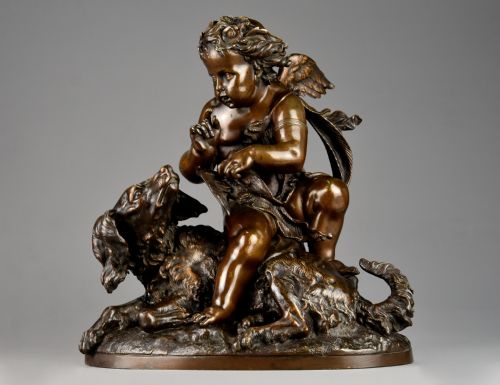
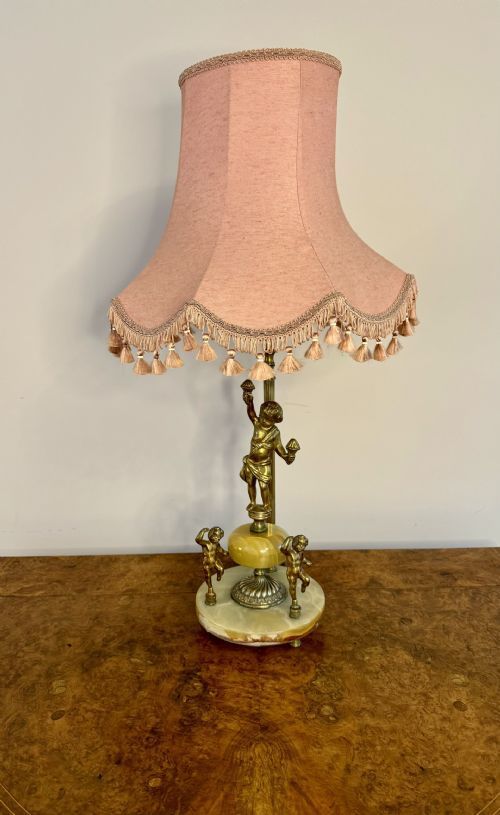
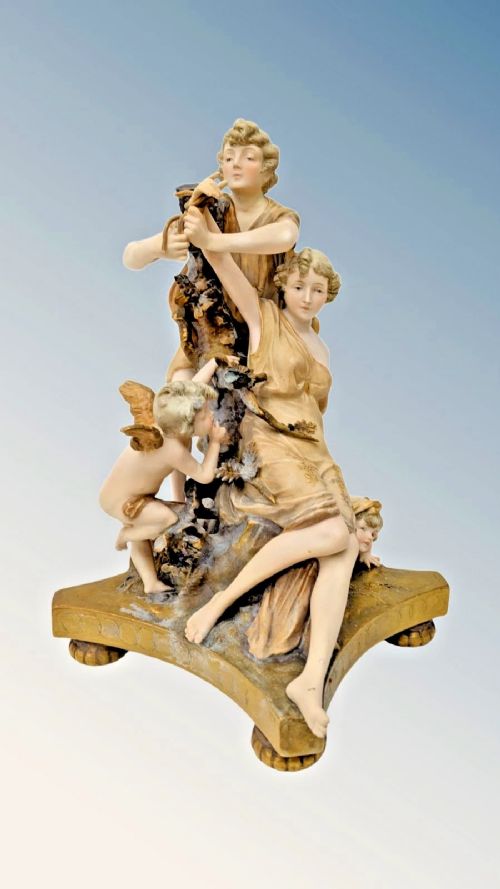
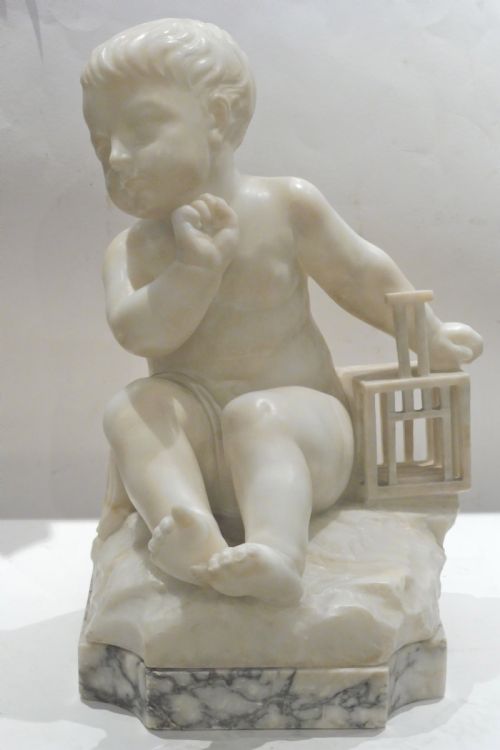
Victorian putti statues encompass sculptural figures, bookends, table lamps, and clocks produced across the nineteenth century. These pieces draw heavily on classical mythology, depicting cherubs, amorini, and infant satyrs engaged in music, hunting, or gathering grapes.
The bronze medium dominates current listings, often paired with marble bases or mounted as decorative groups. French and Italian workshops supply many of the sculptural studies seen here, reflecting the Grand Tour influence of the period.
How they were made
Foundries utilised traditional lost-wax casting methods to shape bronze into detailed figures, finishing the metal with patination or gilding. Carved marble and alabaster provide solid foundations and sculptural bodies, while terracotta and porcelain offer alternative modelled forms.
Makers integrated functional elements directly into the sculpture, converting statuettes into table lamps or mounting figures onto clock plinths and bookends. Hand-painting appears on ceramic dials and select porcelain surfaces to add colour and definition.
Victorian Putti Statues Retail Price Guide 2026
Typical asking prices for victorian putti statues among the pieces listed under this phrase on Sellingantiques today, from the lower quarter to the upper quarter. They describe what is for sale here now, not the wider market.
Bronze is the most frequently recorded material among these listings, followed by marble, porcelain, and terracotta.
What varies in quality
The refinement of the casting defines the upper tier of these pieces, where facial expressions, feather details, and musculature remain sharp and deep. Softer, shallower definition in secondary metalwork points to mass production or later secondary casting.
Material selection and structural integrity separate standard decorative objects from finer studio works. Heavy bronze castings mounted on solid marble or alabaster plinths demonstrate a superior standard of construction compared to lighter alloy or hollow alternatives.
Ernst Wallace·Royal Worcester·Kerr and Binns·Pugi
The Victorian Putti Statues Glossary
- Putto
- A plump, often winged infant depicted in classical art. This figure forms the primary subject matter across nineteenth-century sculptural groups and decorative objects.
- Grand Tour
- A cultural journey undertaken by nineteenth-century travellers who acquired classical bronzes and statues in Italy. These souvenirs heavily influenced British and continental manufacturing styles.
- Patinated bronze
- Metal treated with chemical solutions to produce a specific surface colour and tone. This finish protects the bronze while enhancing the visual depth of the sculpture.
- Bacchus
- The classical god of wine, frequently accompanied by putto figures playing with grapes or participating in bacchanalian revelry. Sculptors adopted this theme for decorative groups and bookends.
Victorian Putti Statues: Frequently Asked Questions
How do I clean a bronze putti statue?
Dust the surface regularly with a soft, dry cloth to prevent grime accumulation. Avoid harsh chemical cleaners that strip the original patination.
Apply a very thin coat of microcrystalline wax occasionally if the metal requires protection. Buff gently with a clean cloth to maintain the soft sheen.
Were these statues always mounted on marble?
Many nineteenth-century bronzes were paired with marble or alabaster bases to provide stability and visual weight. These heavy plinths were standard additions for decorative figures displayed on desks or mantelpieces.
Some figures stood independently or formed components of larger clock cases and lighting fixtures. The choice of base depends on the specific function and workshop design.
How do I distinguish French and Italian pieces?
French works often display refined patination and detailed chasing associated with Parisian foundries. Italian pieces frequently reflect Grand Tour subjects connected to classical antiquity and local marble carving traditions.
Exact origins can sometimes be confirmed through foundry marks or the specific type of stone used in the base. Many unmarked pieces rely on stylistic conventions and casting quality for attribution.
Can I convert a statue back to a lamp?
Most conversions utilised existing hollow channels or fitted wiring without drilling through primary sculptural details. Reversing the process generally involves removing the electrical components and restoring original fittings where possible.
Consult a professional restorer to ensure any alterations preserve the structural integrity of the metal or ceramic base. Retaining the lamp mechanism can also be preferred if the piece functions well as a desk accessory.