





Classical Stone Figurines
Classical stone figurines bring mythological subjects and portraiture into the home, carved from marble or alabaster to echo antiquity.
Classical Stone Figurines
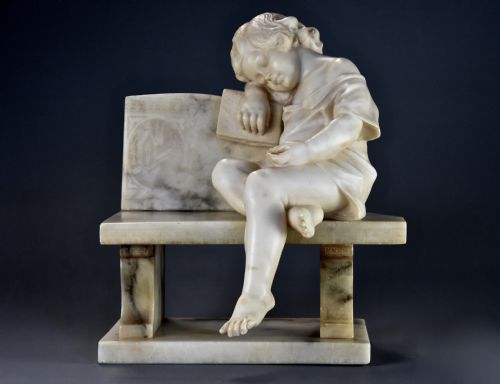
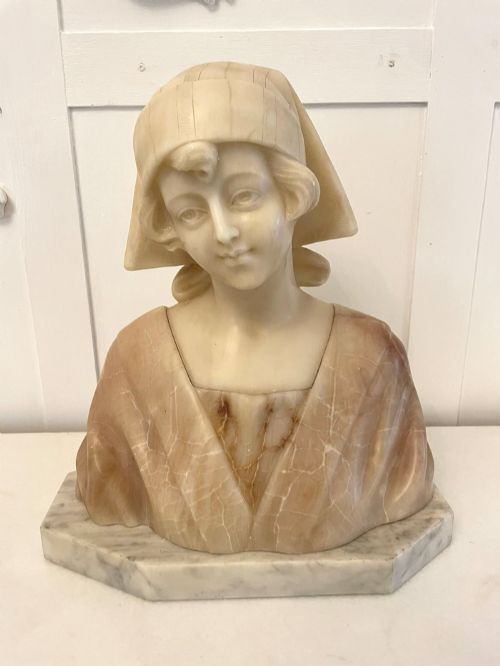
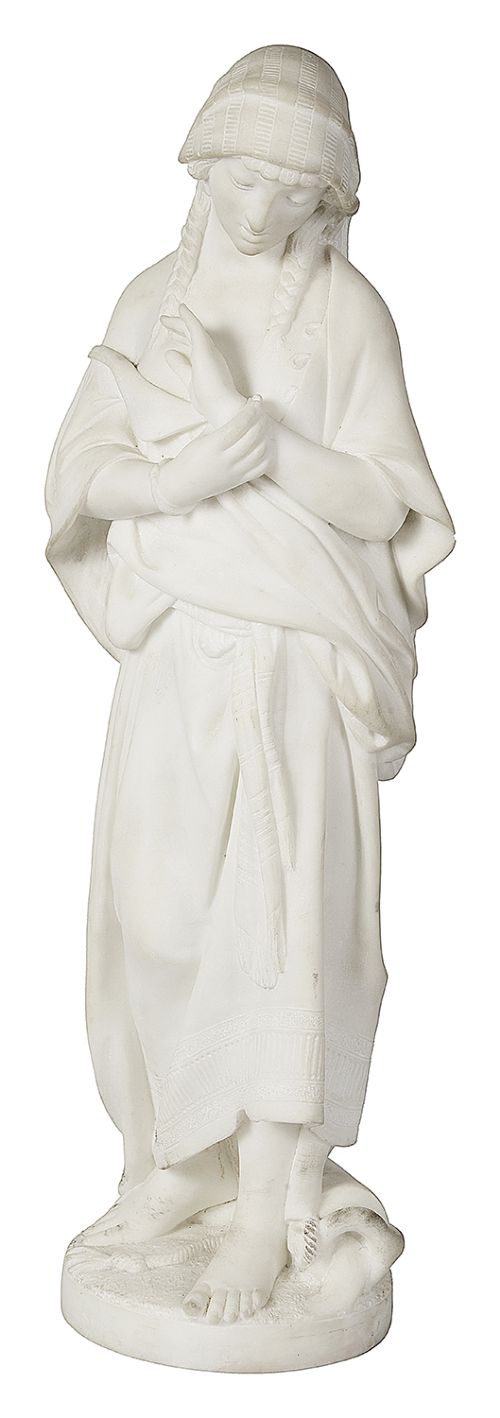
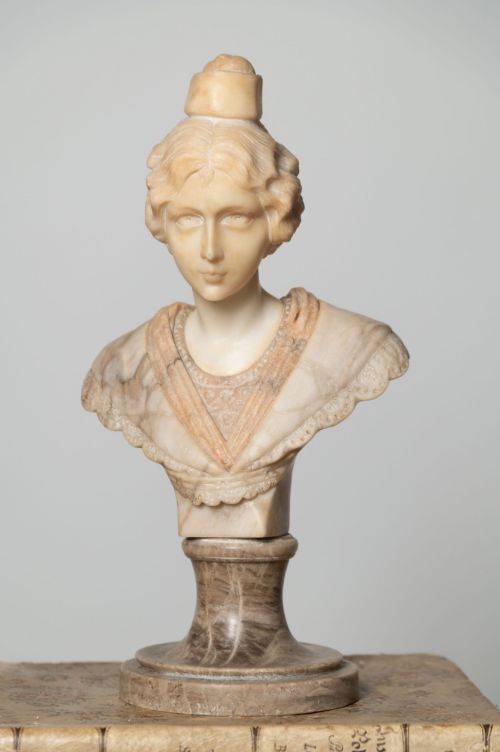
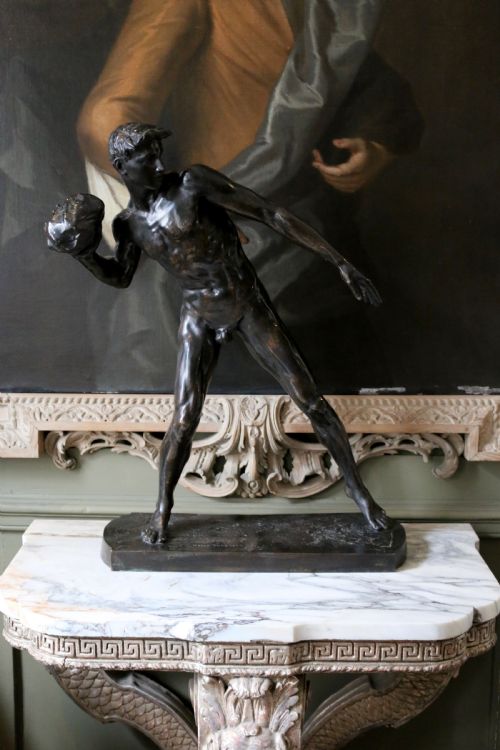
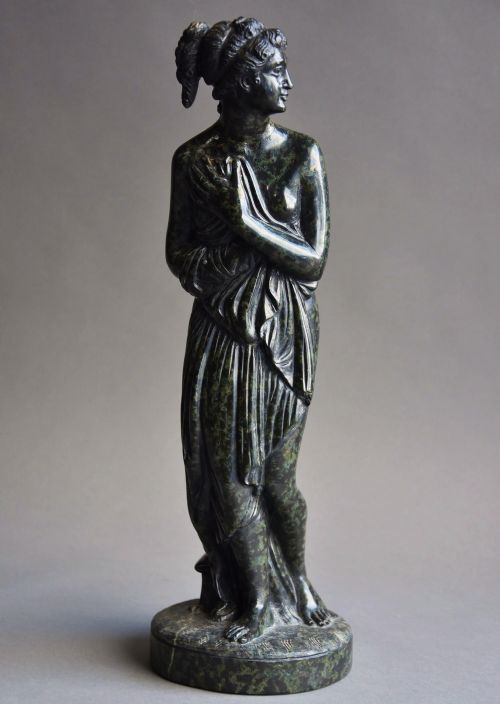
Classical stone figurines encompass carved marble sculptures, alabaster studies, and serpentine figures produced primarily across the nineteenth and early twentieth centuries. These pieces draw heavily on earlier sculptural traditions, ranging from Grand Tour souvenirs of Italian monuments to romantic figures of maidens and putti.
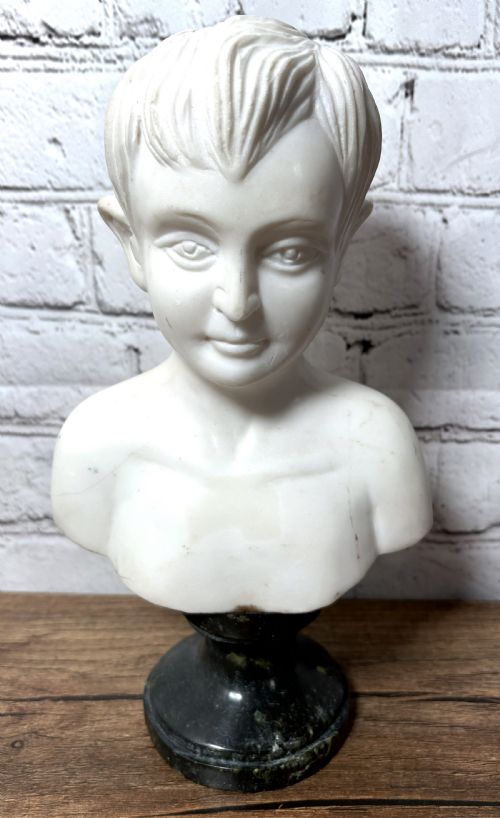
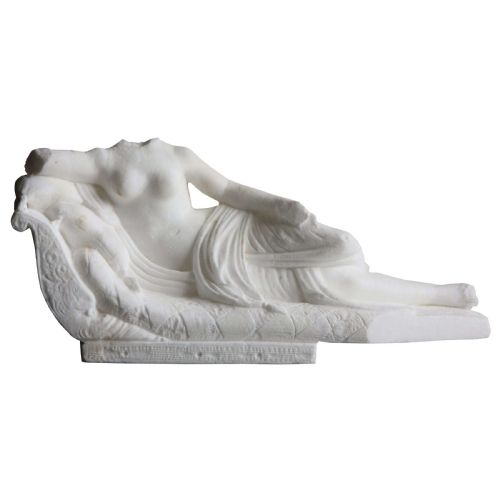
The versions most frequently encountered on this page date from the Victorian era up to the nineteen-twenties, often originating from Italian workshops in Florence or French studios. They take various forms, from library busts of young boys to reclining nudes and figural bookends.
Makers often adapted famous compositions by sculptors like Antonio Canova or Joseph Gott for domestic display. A buyer encounters everything from modest carved alabaster studies of female figures to substantial Carrara marble depictions of mythological deities.
Materials and carving techniques
Carvers utilised fine-grained stones such as Carrara marble, white marble, and translucent alabaster to achieve smooth, skin-like textures on figurative subjects. Serpentine and mixed marbles also appear, offering varied tones and green patination for garments or architectural bases.
Classical Stone Figurines Retail Price Guide 2026
Typical asking prices for classical stone figurines among the pieces listed under this phrase on Sellingantiques today, from the lower quarter to the upper quarter. They describe what is for sale here now, not the wider market.
Nineteenth-century sculptors occasionally carved marble puppies and cherubs to keep stern classical philosophers company on the library shelf.
Assessing quality in stone sculpture
Quality rests primarily on the sensitivity of the carving and the purity of the stone. Superior examples show crisp definition in the drapery and hands, whereas lesser pieces display softer contours and simpler polishing.
The presence of a signature from a known studio or artist distinguishes a masterwork from anonymous commercial production. Scale and ambition also divide the range, separating small decorative bookends from fully articulated sculptural groups.
Barranti Florence·Hamo Thornycroft·Antonio Canova·Fritz Kochendorfer·Mieczyslaw Leon Zawiejski·Pugi·Denis Delavigne·Joseph Gott·R Lusili·Greuze·A Cipriani
The Classical Stone Figurines Glossary
- Alabaster
- A soft, fine-grained stone used extensively for nineteenth-century figurative sculpture. It allows for a translucent quality resembling human skin.
- Carrara Marble
- A type of white or blue-grey marble quarried in the city of Carrara in Tuscany. It was favoured by Italian sculptors for its uniform grain.
- Grand Tour
- A cultural trip of Europe undertaken by wealthy young men in the eighteenth and nineteenth centuries. Travellers frequently collected small marble and bronze sculptures as souvenirs.
- Neoclassical
- A Western cultural movement drawing on the art of classical antiquity. This style heavily influenced the posture, drapery, and subject matter of these figures.
- Serpentine
- A group of green silicate minerals often used for decorative bases or figures. It polishes well and provides a distinct dark green colour contrast.
Classical Stone Figurines: Frequently Asked Questions
Where were classical stone figurines made?
Many of these pieces originated in Italian workshops, particularly in Florence and Carrara, where local artisans carved regional marble and alabaster. French studios also produced a large volume of alabaster and marble figures during the nineteenth century.
Export markets flourished as travellers purchased these sculptures on their Grand Tour journeys across Europe, bringing classical subjects back to British and continental homes.
How were marble and alabaster figures displayed?
Victorian collectors placed these sculptures on mantelpieces, library desks, and dedicated pedestals within the home. Smaller pieces such as bookends served practical functions while maintaining a classical aesthetic.
Lighting played an important role in display, as natural daylight emphasised the translucent qualities of alabaster and the polished surfaces of white marble.
What is the difference between marble and alabaster?
Marble is a metamorphic rock formed from recrystallised carbonate minerals, prized for its durability and bright white or veined appearance. Alabaster is a softer mineral that allows for greater translucency and smoother surface detailing.
Because alabaster is softer than marble, sculptors could carve intricate drapery and hair with high precision, though it requires more careful handling to avoid surface scratches.
How do I identify a Grand Tour sculpture?
Grand Tour sculptures typically replicate famous ancient monuments or canonical statues seen by travellers in Italian galleries. They often date from the nineteenth century and use materials like serpentine, bronze, or white marble.
These pieces were produced specifically as portable souvenirs for collectors, varying in scale from cabinet-sized busts to modest statues.