



Antique Library Bookends
These antique library bookends bring character and order to shelves, spanning carved woods, heavy bronze and rich mahogany from the Regency era through to the 1930s.
Antique Library Bookends
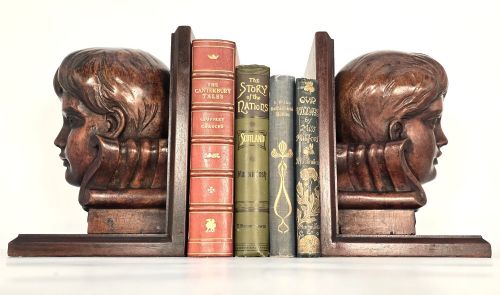
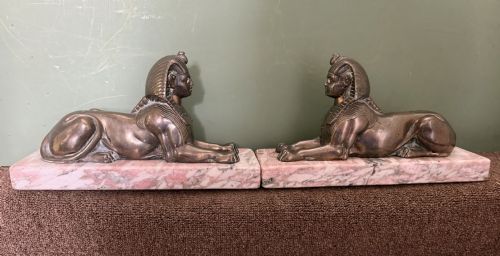
When you search for antique library bookends, you encounter a diverse range of items designed to keep volumes upright on desks and shelves. The pieces on this page include carved wooden animals, classical bronzes and extending book slides originating from the Regency period up to the 1930s.
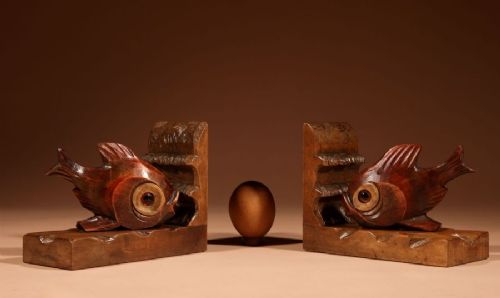
You are most likely to meet carved wooden examples, particularly from the Black Forest tradition featuring bears, elephants and goldfish, alongside Victorian Gothic revival and ecclesiastical mahogany designs. These decorative objects transitioned from simple utilitarian supports into expressive sculptural items for the home library.
The selection also encompasses maritime themes, sporting cricket pieces, and cast metal figures such as William Shakespeare or putti. Each pair reflects the aesthetic preferences of its specific period, ranging from formal neoclassical symmetry to playful animal carvings.
How they were made
Makers utilised traditional woodworking techniques, carving dense timbers such as oak, mahogany, ebony, yew and various softer woods to create substantial sculptural forms. Black Forest carvers employed detailed hand-chiselling to bring lifelike texture to animals and figurative subjects.
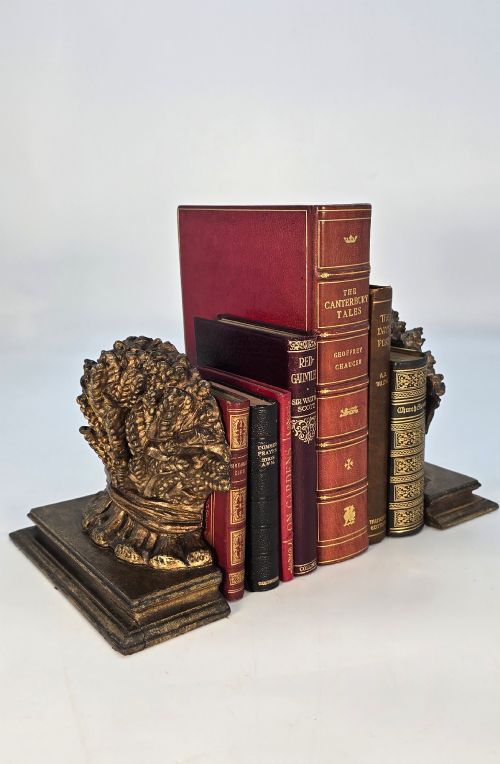
Foundry methods played a significant role in production, utilising bronze and brass casting techniques to produce heavier architectural bookends and classical figures like cupids and lions. Metal components were often patinated, chased or combined with wooden bases to ensure sufficient weight for holding books in place.
Antique Library Bookends Retail Price Guide 2026
Typical asking prices for library bookends among the pieces listed under this phrase on Sellingantiques today, from the lower quarter to the upper quarter. They describe what is for sale here now, not the wider market.
The listings span eight distinct periods, stretching from the Regency era and 1800 up to the 1930s.
What varies in quality
Material selection also dictates overall quality, with dense hardwoods, solid brass and well-cast bronze offering greater durability and visual weight than lighter composites. The integrity of the joins, stability of the plinths and the preservation of original patination further distinguish finer pieces in the range.
Thornton Smith Co.·K&O
The Antique Library Bookends Glossary
- Black Forest
- A style of wood carving originating from the Swiss and German mountain regions, characterised by naturalistic depictions of animals and foliage. Pieces from this tradition often feature bears, dogs or forest creatures rendered with expressive detail.
- Book slide
- An extending wooden or metal desktop rack designed to hold a varying number of volumes between two bookends. These items often incorporate sliding mechanisms to adjust the overall length according to the collection.
- Gothic Revival
- An architectural and decorative style drawing inspiration from medieval design forms. In library accessories, this translates to pointed arches, ecclesiastical tracery and heavy carved mahogany.
- Patina
- The surface sheen and colour acquired by wood, bronze or brass through age, handling and exposure to the environment. A natural patina indicates uncompromised historical surfaces.
- Plinth
- The solid architectural base or block upon which a sculptural bookend or figure is mounted. This component provides both stability and a formal visual foundation.
Antique Library Bookends: Frequently Asked Questions
How do I date antique bookends?
Dating relies on identifying the prevailing aesthetic style, such as Regency neoclassical motifs or 1930s Art Deco metalwork, alongside the construction methods and wood types used. Examining the patination and wear patterns on the base also provides clear indicators of age.
Makers' marks or foundry stamps found on bronze and brass examples help narrow down the period and origin. Comparing the specific carving style or material with documented pieces from the same decade confirms the historical timeline.
Were all bookends sold as pairs?
Many library supports were manufactured and sold as matched pairs to balance books evenly on either end of a shelf. Sculptural figures and animal carvings were frequently designed as symmetrical mirror images for this purpose.
Some items, such as extending book slides, functioned as a single integrated unit with built-in end supports. Other pieces listed as pairs consist of distinct individual sculptures adapted to hold volumes securely between them.
How heavy are antique bookends?
The weight varies considerably depending on the materials used in construction, ranging from light carved woods to dense cast bronze and brass. Metal and hardwood pairs provide substantial heft designed to prevent heavy folios and reference volumes from slipping.
Smaller wooden carvings or lighter specimens may rely on the weight of the books themselves resting on extended base plates. Heavier cast metal pieces stand securely on their own weight without requiring additional anchoring.
How do I care for wooden bookends?
Maintaining carved wooden pieces involves keeping them away from direct sunlight and fluctuating heat sources that can cause timber to dry out or split. Dusting regularly with a soft, dry cloth preserves the fine details of the hand-carved surfaces.
Occasional application of appropriate furniture wax helps nourish older woods like mahogany, oak and yew. Avoiding excessive moisture ensures the original finish and patination remain intact.