



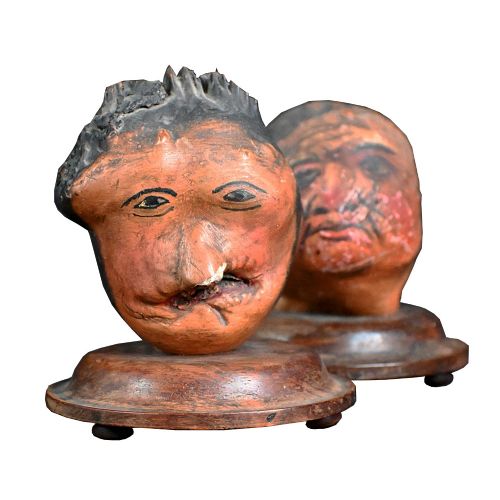


Carved Terracotta Figures
These carved terracotta figures bring warmth, modelled detail and earthen character into a room.
Carved Terracotta Figures
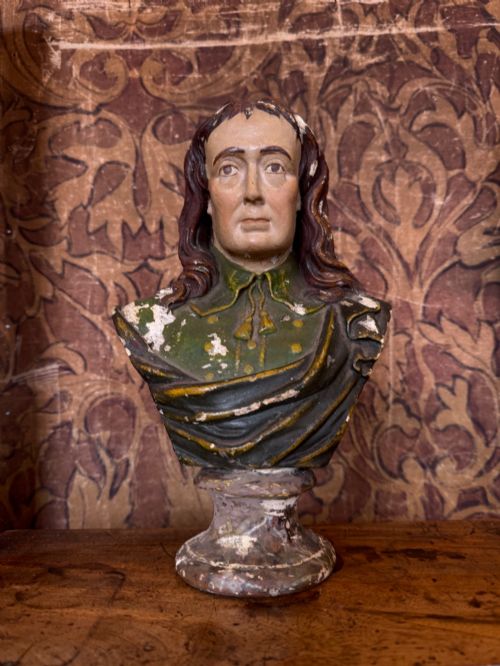
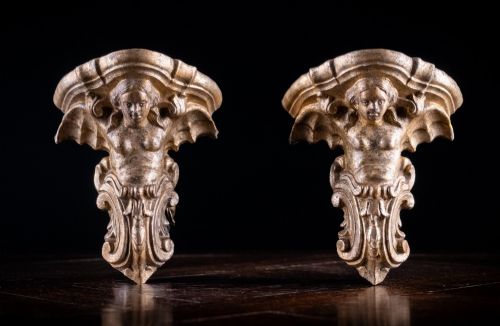
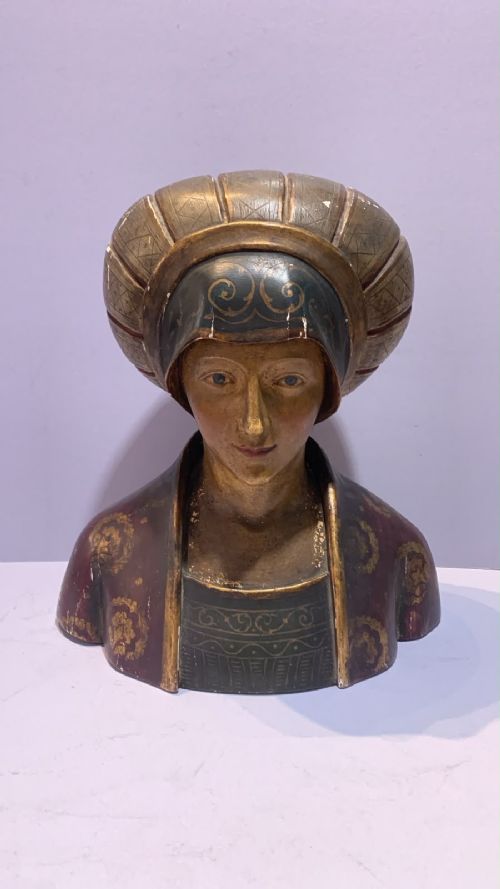
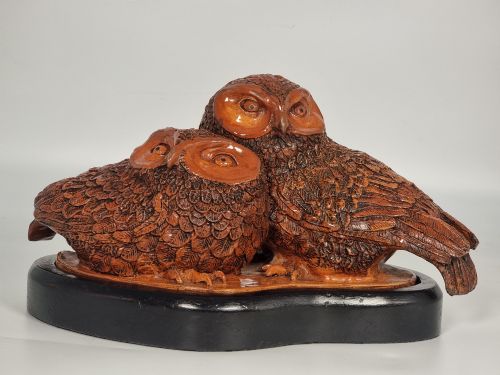
Carved terracotta figures encompass modelled and fired clay sculptures, statues and wall brackets spanning several centuries. The selection on this page ranges from 17th century pieces through Victorian examples and 19th century Grand Tour busts to studio pottery from the 1930s.
Buyers encounter diverse stylistic traditions within these listings, including Neapolitan Baroque creche sculptures, Southeast Asian temple figures, Khmer deities and Renaissance Revival wall brackets. Forms extend from pairs of bookends and owls to large statues and noblewomen busts.
How they were made
The primary material is fired clay or terracotta, sometimes paired with wood bases, ebonised wood or pottery glaze. Certain pieces incorporate applied gold leaf or gilt highlights over the earthenware body.
Makers shaped the clay by hand or in moulds before firing, occasionally mounting figures on specialised bases or incorporating carved stone elements alongside the terracotta.
Carved Terracotta Figures Retail Price Guide 2026
Typical asking prices for carved terracotta figures among the pieces listed under this phrase on Sellingantiques today, from the lower quarter to the upper quarter. They describe what is for sale here now, not the wider market.
Listings feature terracotta, earthenware, clay, wood, gold leaf, gilt, pottery glaze and ebonised wood.
What varies in quality
Surface finish also plays a role, where original gilt, gold leaf or pottery glaze remains intact and complements the underlying terracotta without masking the sculptor's hand.
Royal Dux
The Carved Terracotta Figures Glossary
- Terracotta
- A porous, fired red-brown earthenware clay used extensively for sculptural works. It hardens during kiln firing while retaining an earthy texture.
- Grand Tour
- A traditional trip through Europe undertaken by upper-class scholars, which popularised small-scale classical and Renaissance sculptural souvenirs. Busts and figures from this context often date to the 19th century.
- Creche figures
- Elaborate Nativity or devotional figures, historically associated with Naples, featuring modelled terracotta heads and limbs attached to wire or wooden armature bodies.
- Putti
- Depictions of chubby male infants, often winged, originating in classical art and frequently revived in Italian and Victorian decorative sculpture.
- Foo Dog
- A traditional Chinese temple guardian lion, typically rendered in pairs to protect sacred spaces and domestic thresholds.
Carved Terracotta Figures: Frequently Asked Questions
How do I date an old terracotta figure?
Dating relies on examining the style of the modelling, the tool marks left in the clay, and any associated base materials such as ebonised wood.
Period references in titles, alongside characteristics like glaze types or gilding, help place a piece within centuries ranging from the 17th to the 20th.
Where should I display these figures at home?
These sculptures suit stable, dry interior surfaces away from damp walls or direct moisture, given the porous nature of fired earthenware.
Wall brackets, bookshelves holding bookends, and sturdy console tables provide secure settings for displaying individual statues and pairs.
Are terracotta figures fragile?
Fired clay is robust in structure but susceptible to impact, chips, and surface abrasions if dropped or handled roughly.
Heavier pieces require solid support, and delicate elements like fingers, wings or projecting drapery demand careful placement.
What is the difference between earthenware and terracotta?
Terracotta is a specific, unglazed or glazed variety of porous earthenware fired at relatively low temperatures.
While all terracotta is earthenware, not all earthenware takes the reddish sculptural form seen in these carved and modelled figures.