
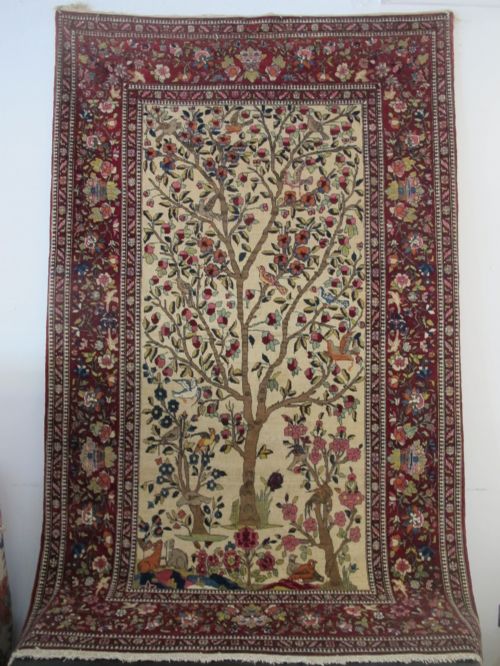


Isfahan Wool Carpet
An isfahan wool carpet brings the renowned knotting and classical design of central Persia directly to a floor.
Isfahan Wool Carpet
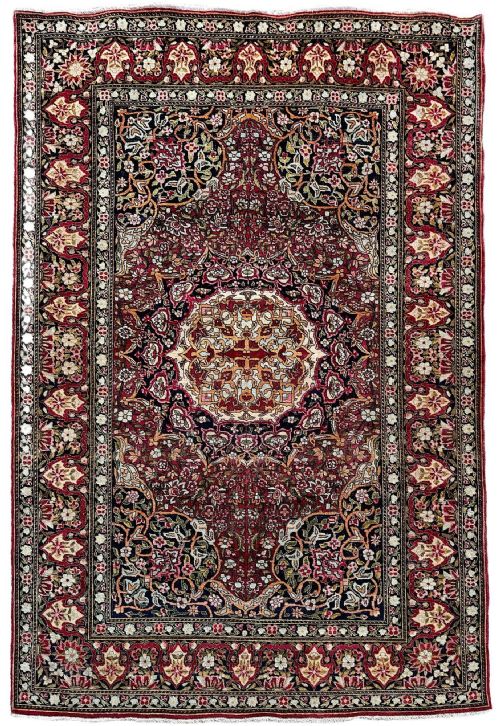
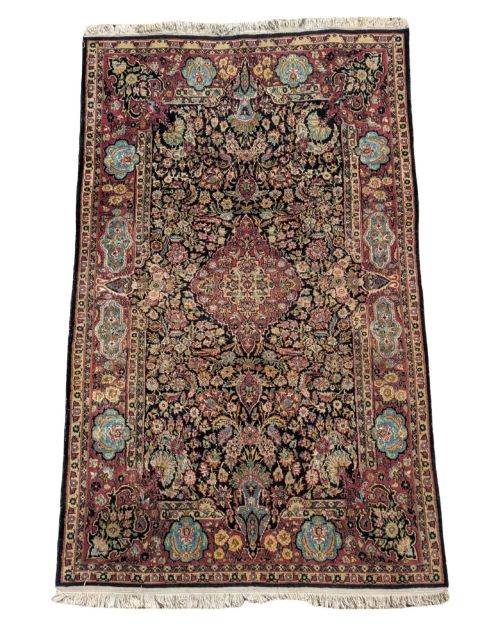
An isfahan wool carpet is a woven floor covering originating from central Persia, known for intricate patterns and refined execution. The pieces available here span from the late nineteenth century into the early decades of the twentieth century, including examples dated around 1890, 1900, 1910, 1920, and 1930.
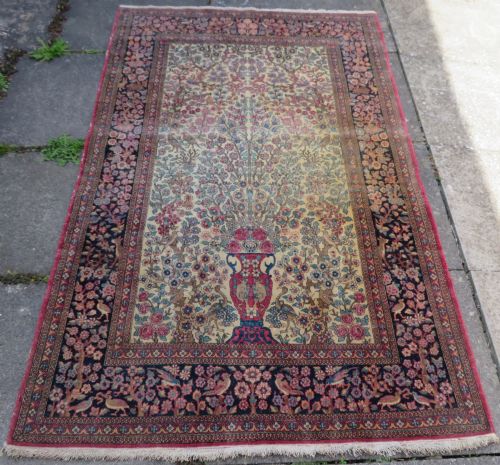
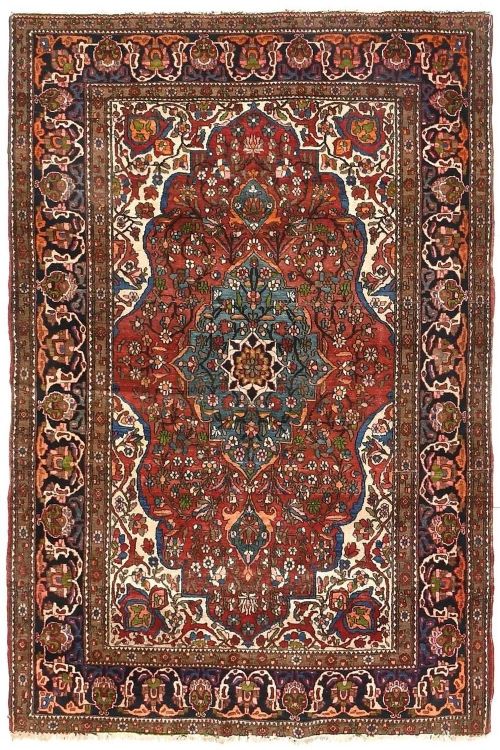
Buyers will encounter various formats ranging from smaller rugs to large carpets, often showcasing traditional Persian motifs such as central medallions or tree of life designs. Many of these rugs measure roughly two metres by one point four metres, whilst larger carpets extend past four metres in length.
The aesthetic falls broadly under Persian, Safavid, and Qajar stylistic traditions. These pieces reflect the established weaving heritage of Isfahan city workshops, adapting classical layouts for domestic and reception spaces.
What varies in quality
Quality in these carpets rests upon the density of the weave and the precision of the design execution. A finer knot count permits intricate curves and detailed pictorial elements to appear with sharp definition.
The choice of materials also divides the range, with select pieces using lambswool or silk foundations that elevate the handle and drape of the textile. Condition and the preservation of rich colour further separate standard room rugs from exceptional pictorial examples.
Isfahan Wool Carpet Retail Price Guide 2026
Typical asking prices for isfahan wool carpet among the pieces listed under this phrase on Sellingantiques today, from the lower quarter to the upper quarter. They describe what is for sale here now, not the wider market.
Listings span five distinct decades between 1890 and 1930, capturing the late Qajar and Pahlavi periods of Persian rug production.
Ahmadi
The Isfahan Wool Carpet Glossary
- Medallion
- A central ornamental motif set in the middle of the carpet field. This symmetrical design element is characteristic of classical Persian workshop weaving.
- Tree of Life
- A pictorial motif depicting a symbolic tree adorned with branches, flowers, and birds. It represents continuity and paradise in traditional Persian design.
- Foundation
- The underlying structural grid of warps and wefts that supports the pile knots. In finer Isfahan weaving, this foundation is occasionally spun from silk.
- Pile
- The upright yarn loop surface that forms the soft texture of the carpet. This layer is clipped evenly after knotting to reveal the pattern.
- Qajar
- A Persian dynastic period spanning the late eighteenth to early twentieth centuries. Carpets from this era often display distinctive regional colour palettes and decorative borders.
Isfahan Wool Carpet: Frequently Asked Questions
Where were these carpets made?
These carpets originate from Isfahan in central Persia, a city historically celebrated for its master workshops and court-sponsored weaving traditions.
The urban production centres produced refined pieces distinct in style from the work of nomadic tribes.
What size do these rugs come in?
The selection includes smaller area rugs measuring around two metres by one point four metres, suitable for study spaces or bedrooms.
Larger formats also appear, extending up to four metres in length to anchor principal reception rooms.
How do I care for an antique wool carpet?
Gentle vacuuming without a rotating brush roll helps remove embedded dust from the wool pile without straining the cotton foundation.
Professional cleaning tailored for antique Persian textiles preserves the natural lanolin in the wool and protects silk highlights.
What is a silk foundation?
A silk foundation uses fine silk threads for the structural warps and wefts instead of the standard cotton.
This material choice allows the weaver to pack knots extremely tightly, resulting in a thinner, more flexible rug with remarkable structural strength.