

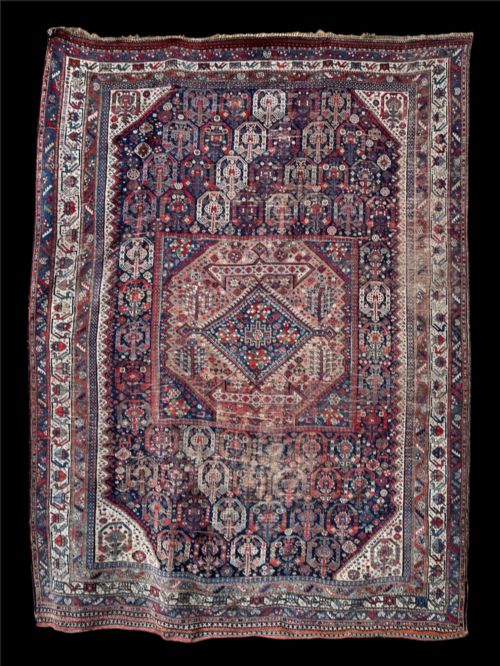


Traditional Persian Floor Mat
A traditional persian floor mat brings enduring warmth and intricate regional craftsmanship to a room.
Traditional Persian Floor Mat
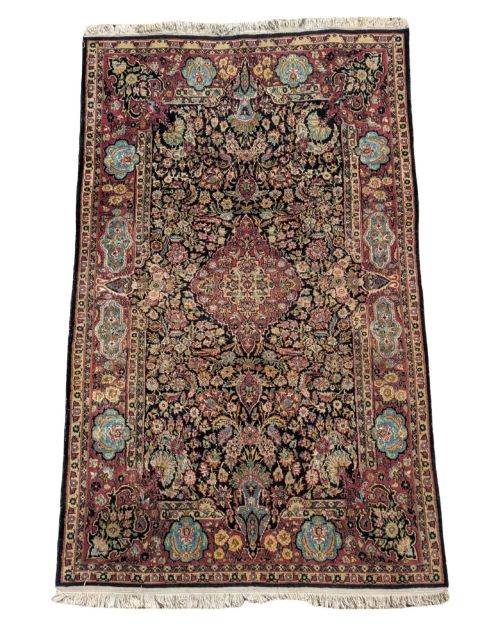
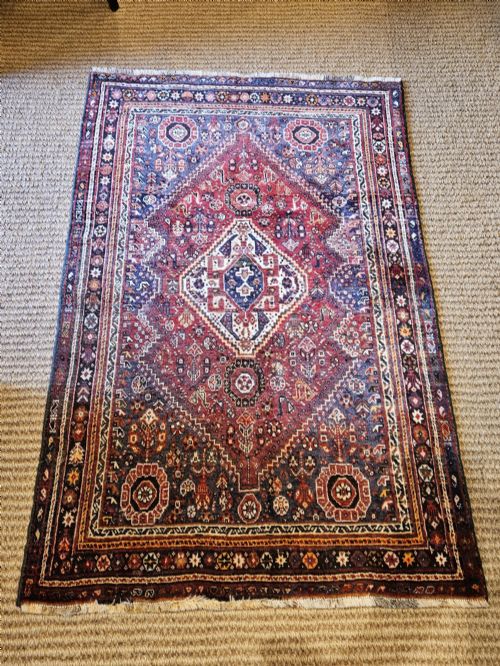
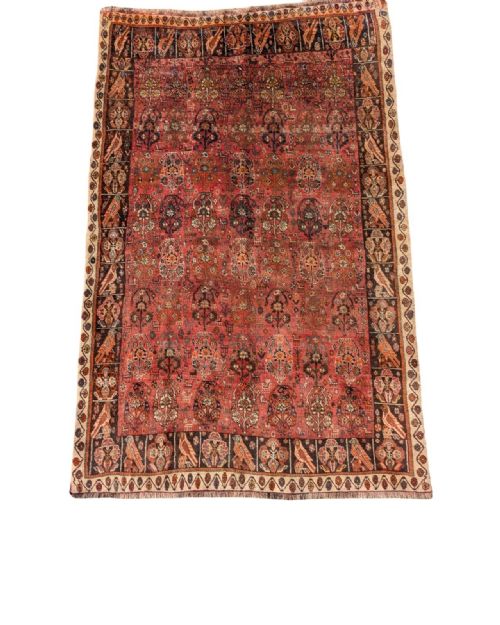
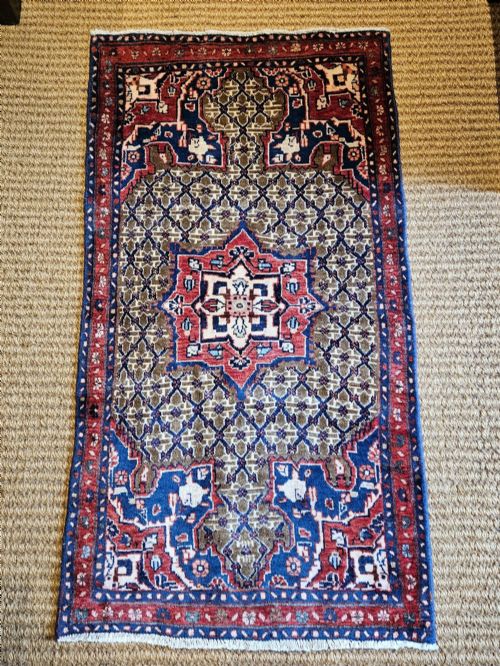
A traditional persian floor mat encompasses woven floor coverings originating from various regions and tribes across Persia, dating from the late nineteenth century through to the early twentieth century. Buyers encounter formats ranging from compact hearth rugs and hallway runners to room-sized carpets carrying distinct tribal and village motifs.
The selection includes specific regional styles such as Heriz, Kashan, Isfahan, Bidjar, and various tribal weaves like Khamseh and Baluch. These pieces reflect the traditional aesthetics and practical floor-covering needs of the households and weavers that produced them.
Materials and construction methods
The pieces listed utilise natural fibres, principally wool for the pile, often supported by cotton foundations, with occasional silk highlights integrated into the design. Weavers employed hand-weaving techniques to build dense, durable structures capable of withstanding heavy daily use.
Dyes derived from natural sources interact with the wool to create rich colour palettes that age gracefully over decades. The physical construction relies on knotting techniques tied onto warp and weft threads, varying in tightness according to whether the piece originated from a sedentary workshop or a nomadic tribal camp.
Certain early village rugs incorporate small protective motifs woven secretly into the corners to ward off misfortune.
Assessing quality and character
Quality in these floor coverings rests upon the density of the weave, the clarity and complexity of the design, and the resilience of the materials used. Finer knot counts and carefully selected wool stock allow intricate motifs, such as floral vases or geometric lattice patterns, to remain sharp and well-defined.
The distinction between standard examples and exceptional items also lies in the artistic expression of the weaver. Pieces displaying balanced proportions, harmonious colour distribution, and distinct regional iconography represent the higher tier of surviving examples.
Arab-jabbareh Tribe·Mahdad Khani Baluch
The Traditional Persian Floor Mat Glossary
- Pile
- The upright yarn loops forming the usable surface of the rug. This layer absorbs foot traffic and displays the woven pattern.
- Warp
- The stationary lengthwise threads stretched on the loom. They form the structural skeleton upon which the knots are tied.
- Weft
- The horizontal threads passed across the warp threads after each row of knots. They hold the knots firmly in place.
- Gul
- A repeating medallion or octagonal motif frequently found in tribal weaving. It often signifies a specific clan or ancestral heritage.
- Runner
- A long, narrow carpet format designed for hallways or corridors. These pieces direct movement across interior spaces.
Traditional Persian Floor Mat: Frequently Asked Questions
How do I clean an antique rug?
Gentle surface brushing and professional specialist cleaning are recommended for antique textiles. Avoid harsh chemical agents that can damage natural wool and silk fibres.
Regular light vacuuming without a rotating power brush helps remove embedded dust from the pile without straining the old foundation threads.
Are these rugs suitable for high traffic?
Many traditional Persian floor coverings were built for everyday domestic use using sturdy wool construction. Hallway runners and larger carpets handle moderate walking traffic well when paired with a quality underlay.
Placing a protective pad underneath prevents slipping and cushions the fibres against hard flooring surfaces, extending the lifespan of the weave.
How can I tell a tribal rug from a city rug?
Tribal rugs typically feature geometric patterns, asymmetric layouts, and earthy palettes woven by nomadic or village communities. Their designs rely on memory and traditional motifs rather than pre-drawn paper cartoons.
City carpets from workshops in centres like Kashan or Isfahan display precise floral curves, balanced symmetry, and higher knot densities achieved on fixed upright looms.