


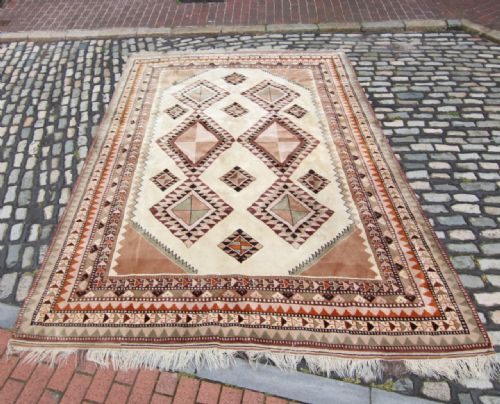
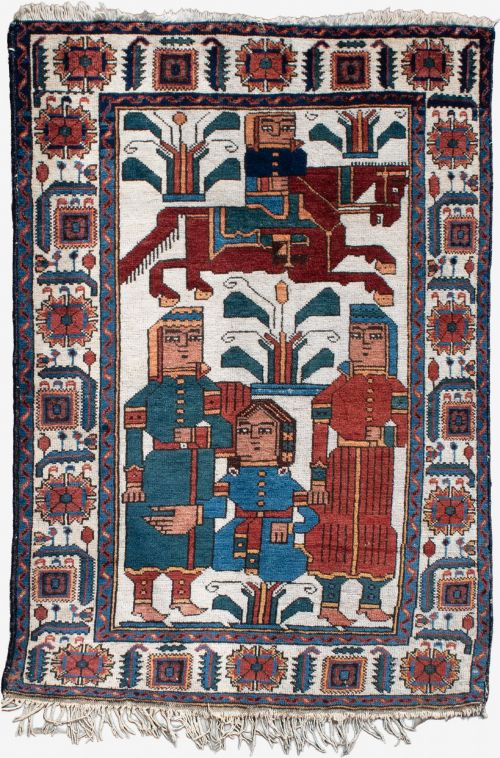
Cream Wool Area Carpet
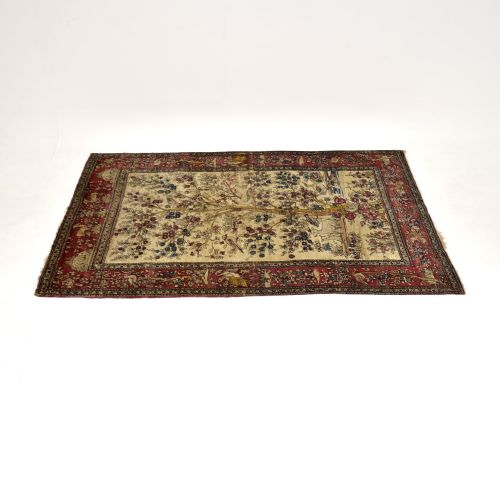
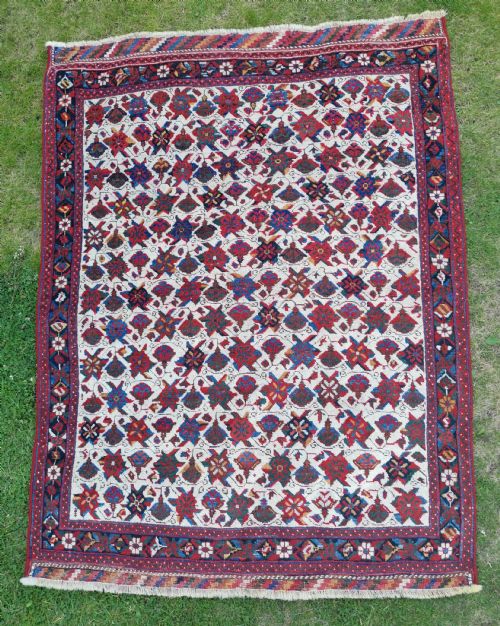
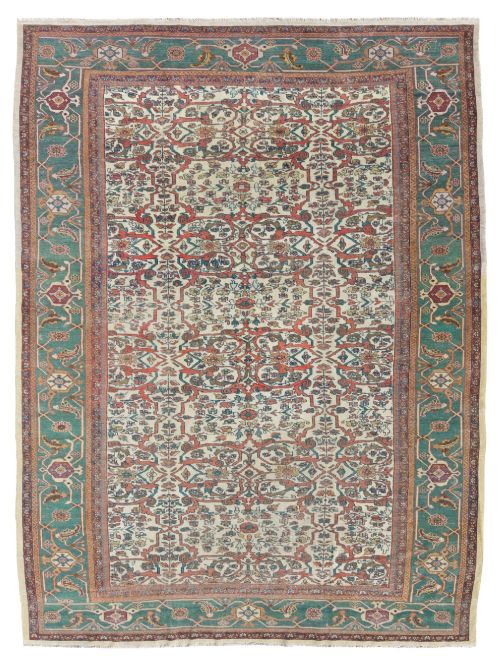
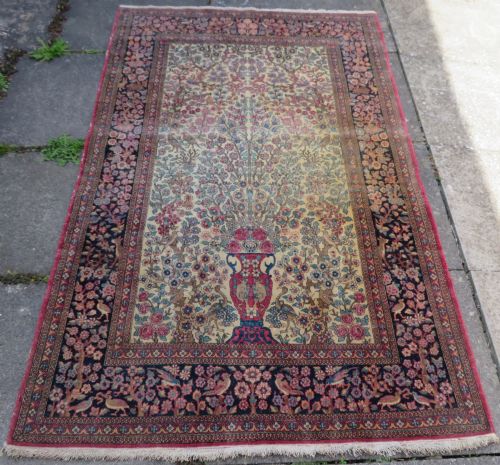
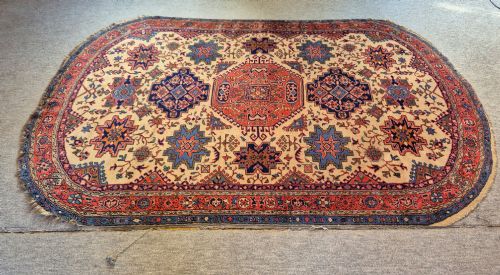
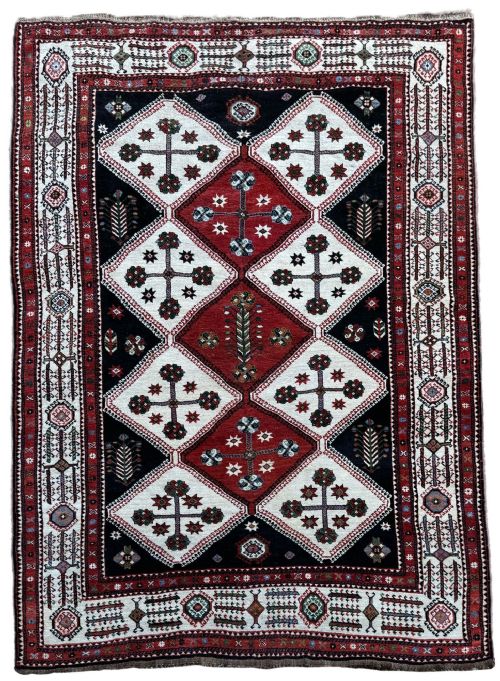
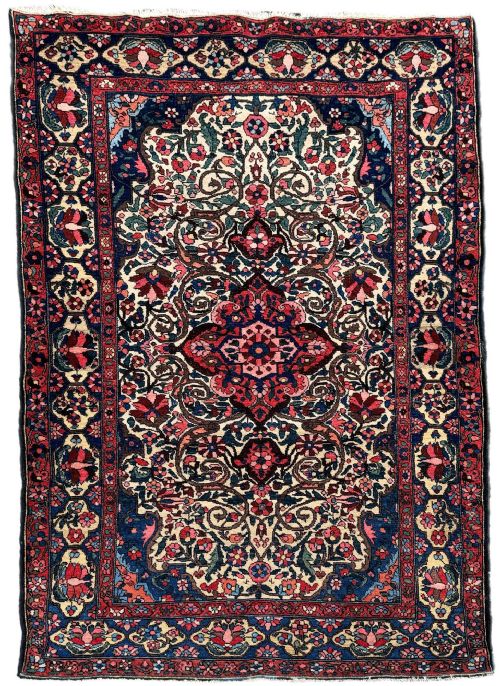
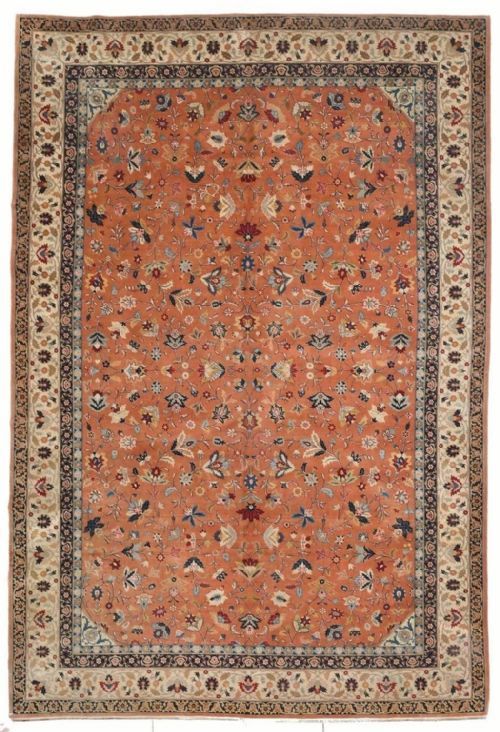
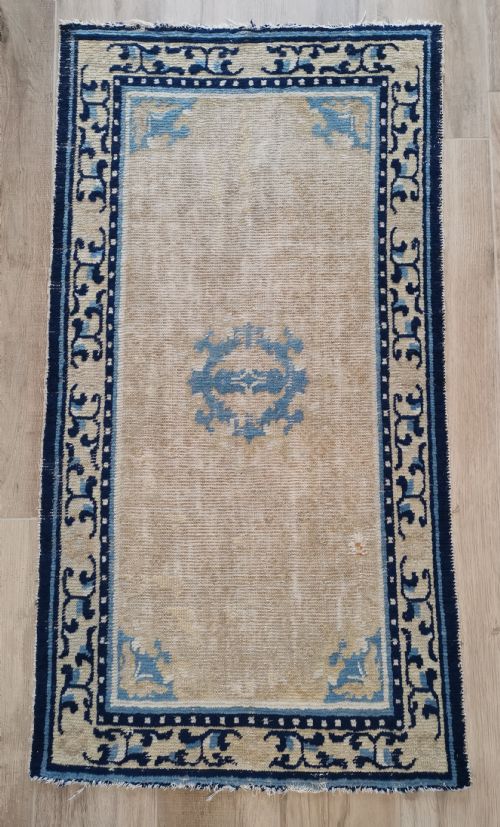
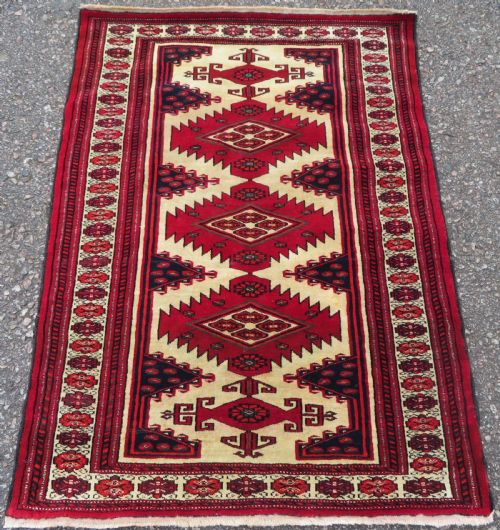
These cream wool area carpet selections unite traditional Persian and tribal craftsmanship from the nineteenth and early twentieth centuries.
Cream Wool Area Carpet
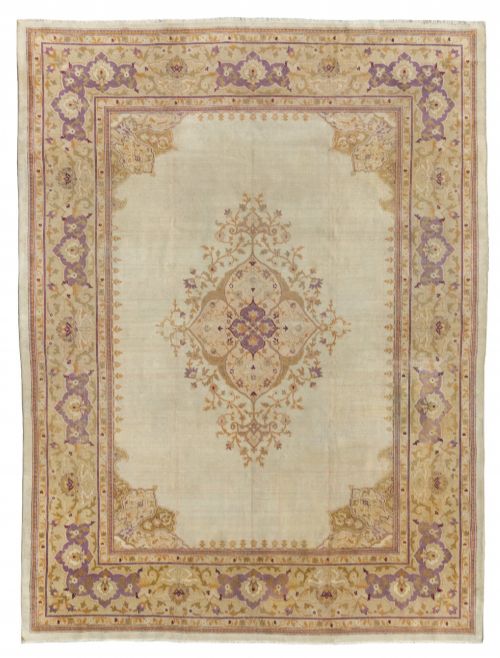
A cream wool area carpet brings substantial warmth and texture to a room, drawing on long traditions of floor covering production. Buyers searching for a cream wool area carpet encounter heavy hand-woven carpets and rugs originating from Persian urban workshops and tribal regions alike.
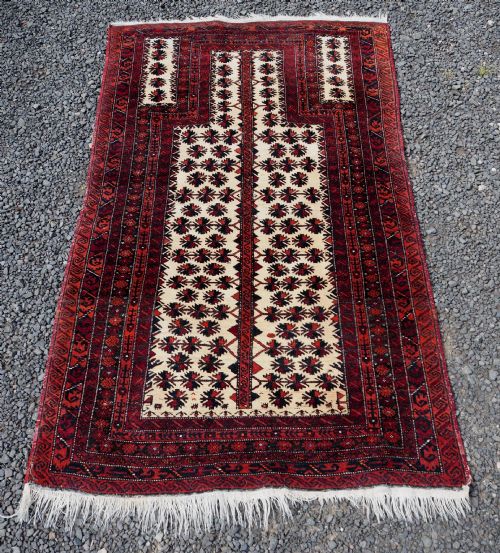
The inventory demonstrates a strong representation of nineteenth and early twentieth-century origins, spanning decades from the 1850s through the 1930s. Forms range from compact village prayer rugs to large room-size carpets.
Makers and weavers utilised traditional formats such as Heriz, Tabriz, Kirman, and Bakhtiar designs. These pieces function both as durable floor coverings and as notable examples of historic textile art.
What varies in quality
Quality differences stem from knot density, material selection, and the crispness of the woven design. Finer carpets exhibit greater precision in the execution of intricate floral or geometric motifs.
The integrity of the wool pile and the stability of the cotton foundation determine structural longevity. Variations in dye quality and the subtlety of colour blending also distinguish standard village pieces from fine workshop productions.
Tree of life designs quietly whisper ancient woodland myths right under your slippers.
The Cream Wool Area Carpet Glossary
- Pile
- The upright yarn loops or cut ends that form the soft surface of a carpet. This layer bears the weight of foot traffic and displays the woven pattern.
- Warp
- The stationary lengthwise threads stretched on a loom that hold the structure together. Weft threads are interlaced across these warp threads to secure the knots.
- Prayer rug
- A small rug featuring a mihrab or niche design used historically for individual prayer. These pieces often direct the eye toward a central arch motif.
- Kilim
- A flat-woven carpet or rug produced without a pile. These textiles rely on tightly packed horizontal weft threads pulled closely over vertical warp threads to create geometric patterns.
- Medallion
- A large central ornamental design placed in the middle of a carpet field. This focal point is common in formal Persian workshop carpets.
Cream Wool Area Carpet: Frequently Asked Questions
How do I clean a wool carpet?
Maintenance requires gentle vacuuming without a rotating brush to protect the delicate wool pile from pulling or fraying.
For deeper cleaning, professional textile conservation or specialist rug washing is recommended to preserve the natural fibres and historic dyes.
Are these carpets suitable for heavy traffic?
Traditional hand-woven wool carpets possess inherent durability that suits them well for domestic placement.
Using a quality underlay helps absorb impact and reduces friction between the floor and the woven foundation.
How do I identify the age of a rug?
Age is determined by evaluating the structural materials, the type of natural or synthetic dyes used, and stylistic markers specific to historical weaving centres.
Comparing knot construction and wear patterns against documented nineteenth and early twentieth-century examples provides further guidance.
What is the difference between a rug and a carpet?
In historical terms, carpets generally refer to larger floor coverings designed for full room dimensions.
Rugs typically describe smaller formats, such as area rugs, scatter rugs, or specific prayer formats.