



Blue Wool Area Carpet
These pieces deliver a blue wool area carpet underfoot, grounding a room with centuries of woven tradition.
Blue Wool Area Carpet
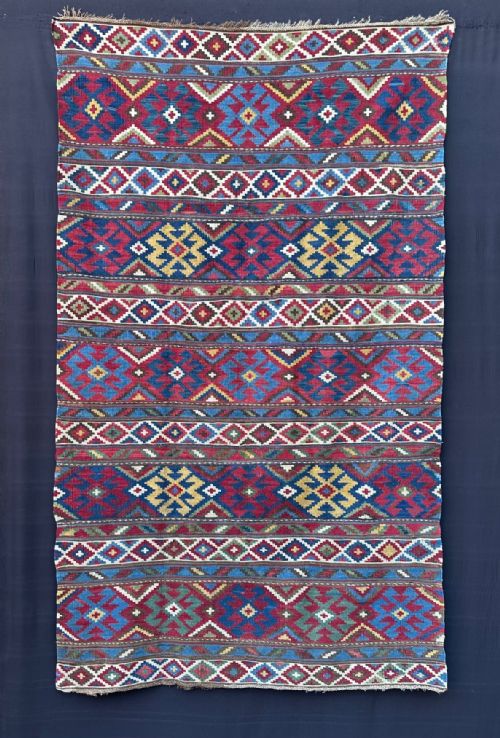
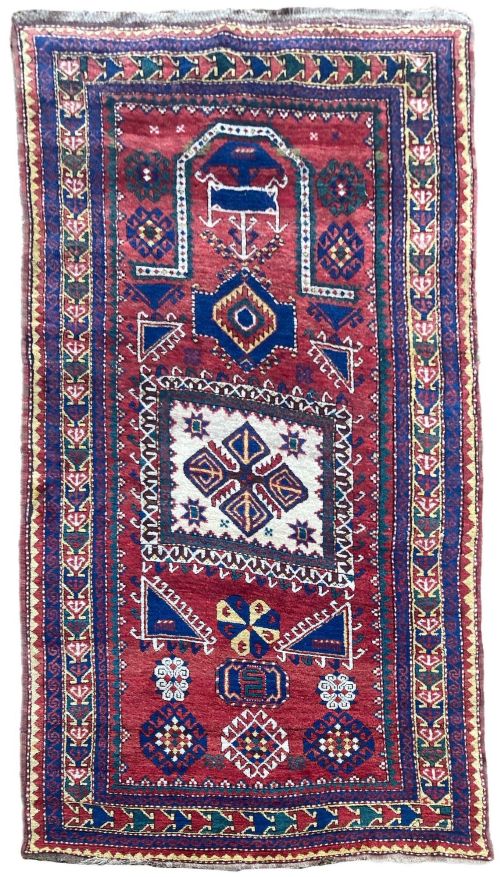
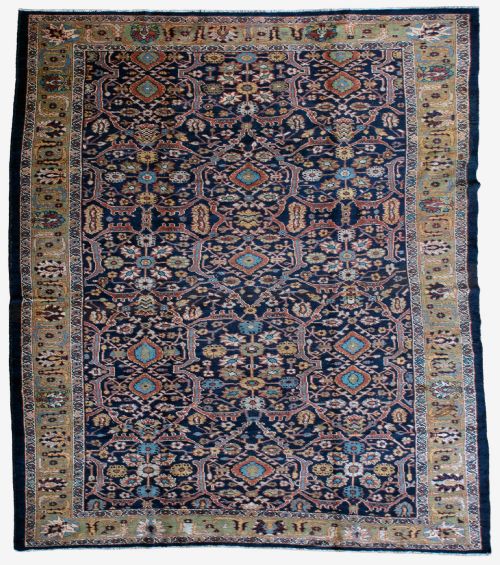
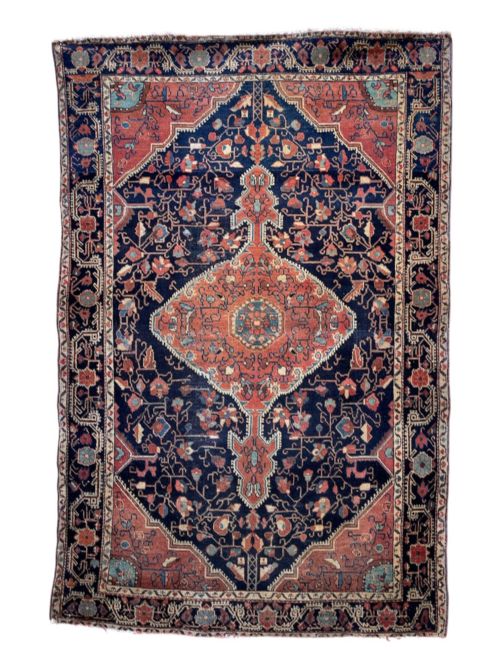
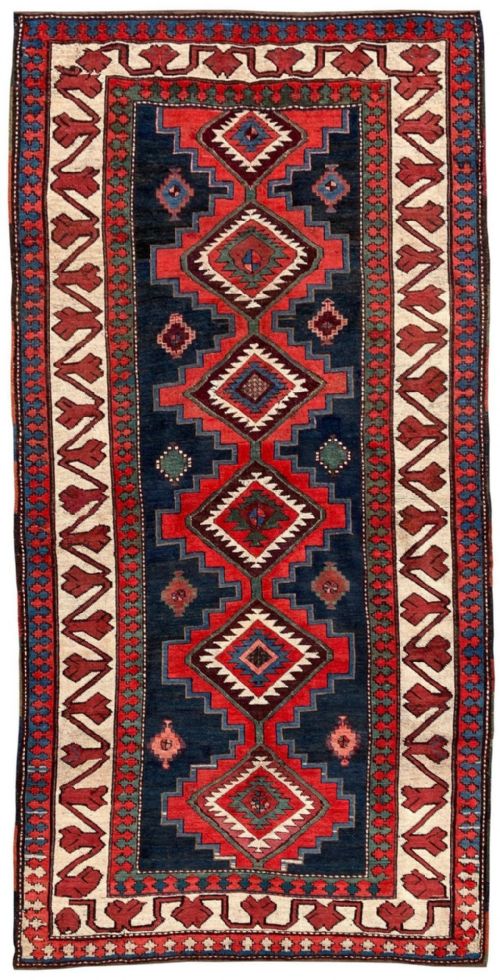
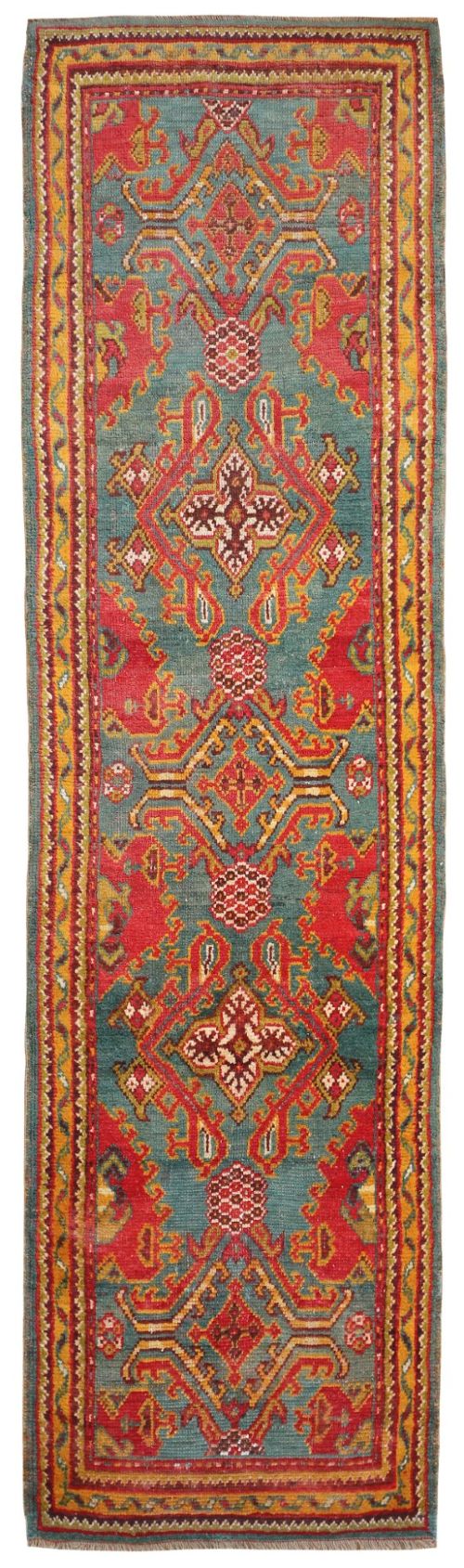
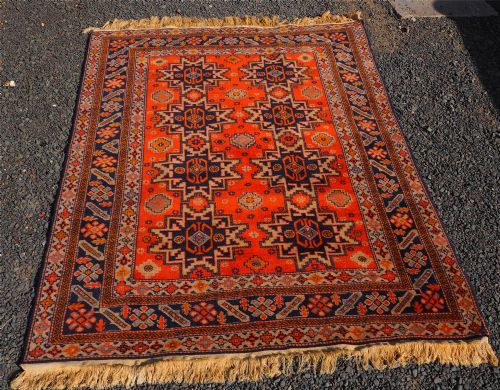
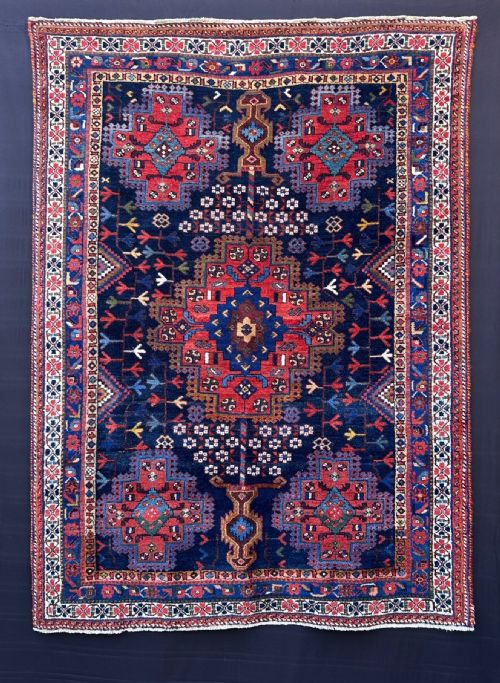
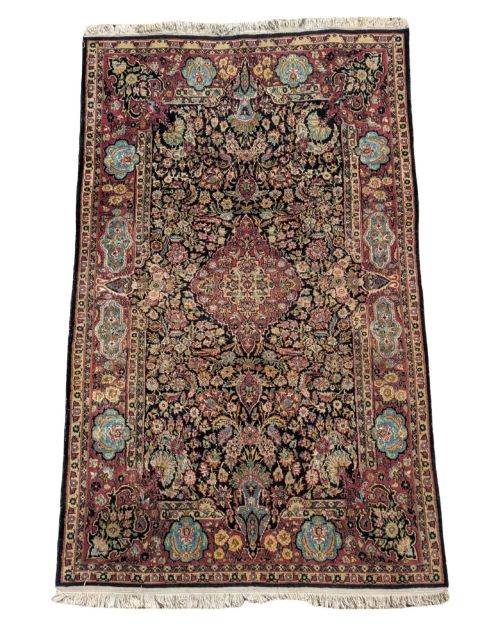
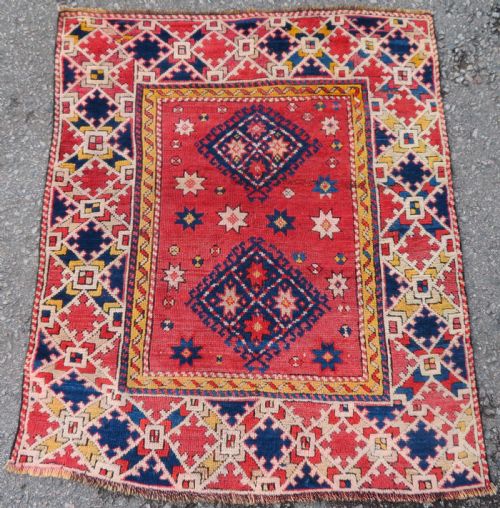
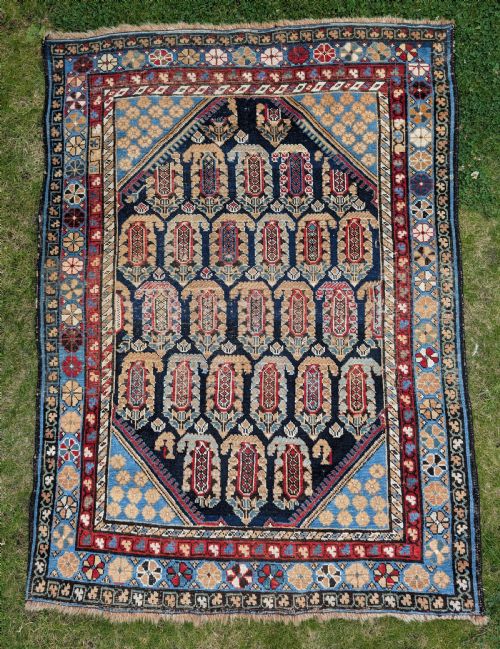
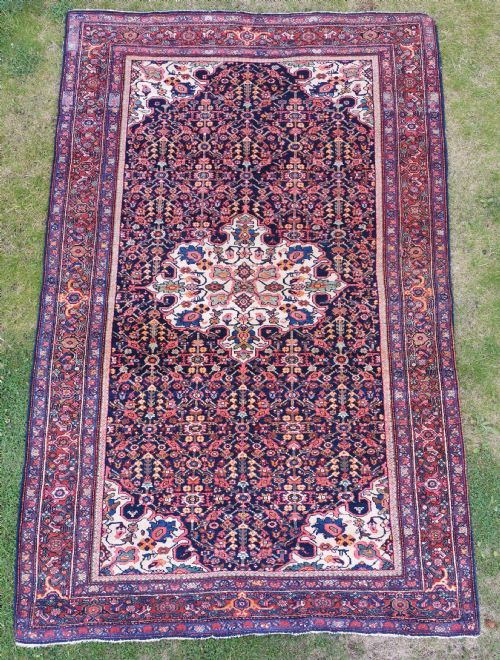
A blue wool area carpet brings together traditional regional weaving styles from Persian and Caucasian origins, alongside Anatolian and Tibetan examples. Buyers seek these floor coverings to anchor a room with distinct historical character and deep indigo or softer blue tones.
The pieces span various periods from the nineteenth century through the mid twentieth century, encompassing tribal and town workshop designs. Rugs and carpets appear in multiple formats, including large room-sized carpets, runner rugs, and smaller prayer rugs.
Geometric medallion patterns and tribal motifs dominate the visual language of these floor coverings. The blue wool area carpet connects modern interiors to the specific weaving traditions of regions such as Heriz, Khamseh, and Kazak.
Materials and construction
Makers utilised wool, cotton, and silk as the primary fibres for pile and foundation, often employing hand-spun wool for the main structure. Natural dyes provided the characteristic colour palette seen across these traditional floor coverings.
Weavers knotted the materials by hand onto supporting foundations, building durable floor pieces intended for daily use. Silk highlights occasionally appear alongside wool to emphasise specific details within the overall pattern.
Blue Wool Area Carpet Retail Price Guide 2026
Typical asking prices for blue wool area carpet among the pieces listed under this phrase on Sellingantiques today, from the lower quarter to the upper quarter. They describe what is for sale here now, not the wider market.
Many an antique runner retains the slight wobble of a weaver changing yarn halfway down a long corridor.
Distinctions in quality
Knot density and structural tightness set the standard for durability and fineness in these woven pieces. Finer execution allows complex geometric medallions and curvilinear motifs to maintain sharp definition.
The depth and consistency of natural dyes influence the visual success of each piece. Subtle variations in tone resulting from natural dyeing techniques separate standard examples from the finest productions.
The Blue Wool Area Carpet Glossary
- Medallion
- A central ornamental motif placed in the middle of the carpet field. This design element often anchors the entire composition of tribal and town rugs.
- Prayer rug
- A small format carpet featuring a mihrab or niche design at one end. Historically utilised for individual daily prayer.
- Runner
- A long, narrow carpet format designed for corridors, hallways, or stairs. These pieces guide movement through domestic spaces.
- Kilim
- A flat-woven carpet produced without a pile. These pieces rely on interlocking weft threads to create geometric patterns.
- Natural dye
- Colour derived from plant, insect, or mineral sources rather than synthetic chemistry. These dyes age with distinct patination over decades.
Blue Wool Area Carpet: Frequently Asked Questions
How do I clean an antique wool carpet?
Regular gentle vacuuming without a beater bar removes loose dust from the pile fibres. Professional specialist cleaning remains essential for deep washing to protect natural wool and dyes.
Avoid harsh household detergents or excessive water immersion. Prompt action on liquid spills prevents permanent staining of the wool.
Can I place these carpets in high traffic areas?
Traditional wool construction provides high natural resilience against daily foot traffic. Regular rotation helps distribute wear evenly across the surface of the carpet.
Using a quality underlay prevents slipping and cushions the foundation against hard flooring. This simple addition extends the working life of older woven textiles.
How do I identify different regional rug styles?
Regional styles reveal themselves through specific colour palettes, structural materials, and characteristic motif geometries. Caucasian pieces often display bold geometric forms, while Persian workshops favour intricate floral or medallion layouts.
Comparing border designs and knotting structure aids precise attribution. Each weaving group maintains distinct technical signatures passed down through generations.
What does a foundation of cotton or wool mean?
The foundation comprises the warp and weft threads that form the underlying grid of the carpet. Cotton foundations provide structural stability and help the carpet lie flat on the floor.
Wool foundations appear frequently in older tribal pieces, offering a softer handle. Both materials ensure traditional durability when properly maintained.