
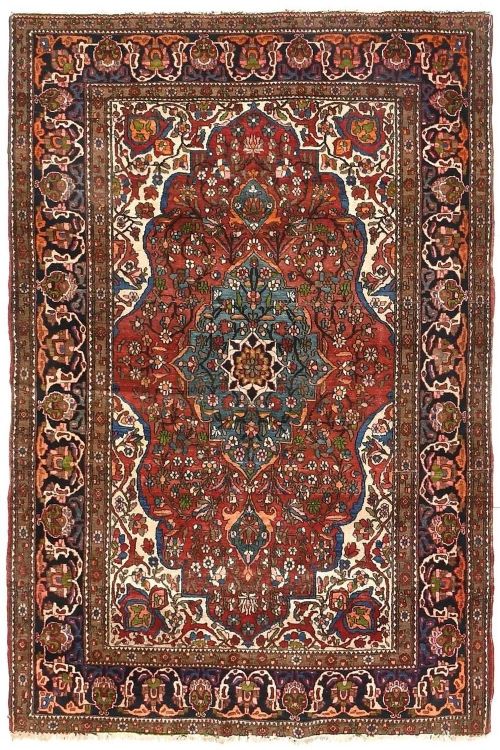


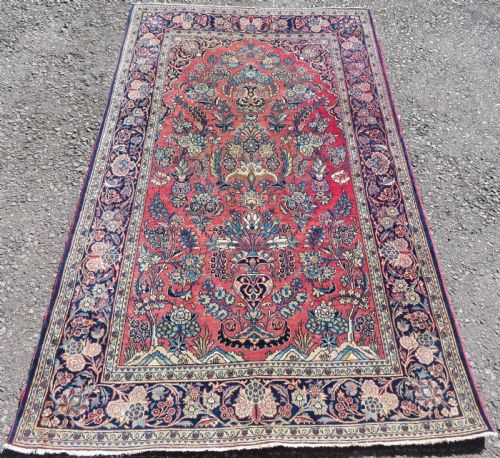


Classic Red Area Carpet
When you search for a classic red area carpet, you step into a tradition of hand-knotted wool floor coverings made across Persia, the Caucasus, and Anatolia.
Classic Red Area Carpet
A classic red area carpet brings together centuries of weaving heritage from regions such as Heriz, Kashan, Isfahan, and Tabriz. These pieces span the late nineteenth century through to the early decades of the twentieth century, taking the form of large room-size floor coverings or smaller rugs.
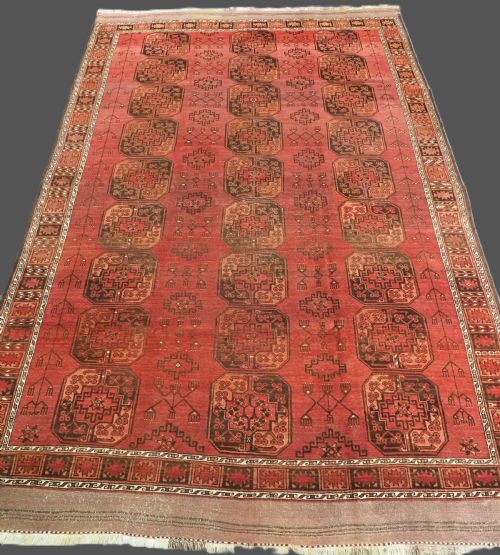
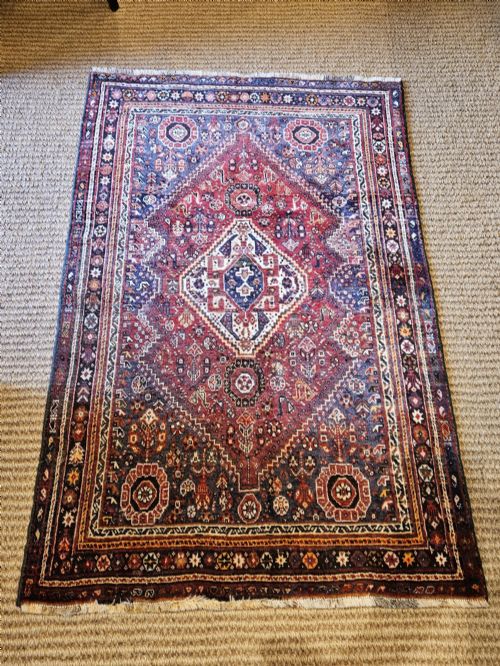
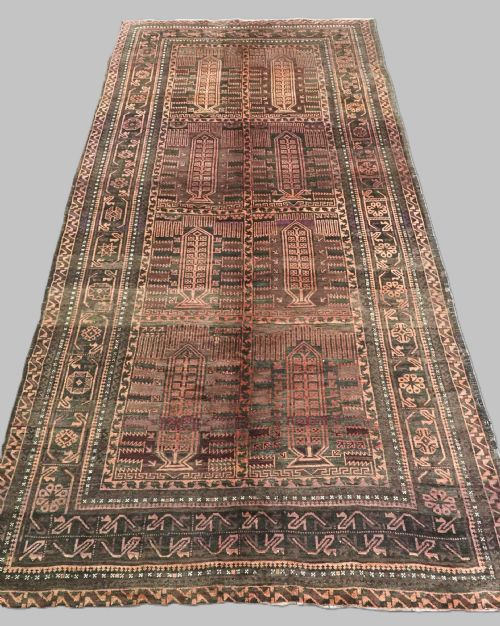
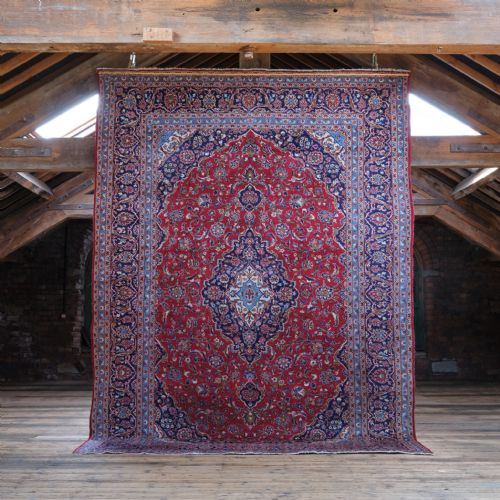
The selections on this page showcase traditional Persian and tribal designs, alongside Caucasian and Turkmen pieces. Buyers encounter various formats, from large central medallion compositions to repeating motifs grounded in rich red tones.
Materials and construction
Makers utilised natural materials such as wool, cotton, and goat hair to build the foundation and pile of each carpet. Natural dyes provided the deep red backgrounds and contrasting hues seen across the pieces.
The construction relies on hand-knotted techniques, producing durable textiles with dense piles and fine weaves. This traditional method ensures structural integrity across large room sizes and smaller formats alike.
The inventory includes room-size formats and smaller rugs displaying Persian, Caucasian, and Turkmen tribal styles.
Distinctions in quality
The standard of a carpet depends on the precision of the hand-knotted weave and the complexity of the traditional design. Finer knot densities allow for sharper geometric or floral detailing across the field.
Depth and variation in the natural dyes also set examples apart, with certain carpets displaying richer colour graduation and superior wool quality.
Ziegler & Co
The Classic Red Area Carpet Glossary
- Medallion
- A large central ornamental design motif placed in the middle of the carpet field. This element anchors the symmetry of traditional Persian compositions.
- Hand-knotted
- A construction technique where individual lengths of yarn are tied manually to the warp threads. This process forms the dense pile of the rug.
- Natural Dyes
- Colourants derived from plants, insects, and minerals rather than synthetic compounds. These dyes yield the characteristic soft and varied red tones found in older carpets.
- Warp
- The vertical foundation threads stretched tightly on the loom before knotting begins. The fringe of the rug is typically formed from these ends.
- Pile
- The soft, upright surface of the carpet created by the cut ends of knotted yarn. Its density dictates how the rug feels underfoot.
Classic Red Area Carpet: Frequently Asked Questions
How do I clean an old wool carpet?
Gentle surface brushing and professional specialist cleaning help maintain the wool pile without damaging the natural dyes.
Avoid harsh chemical treatments and excessive water exposure during routine maintenance.
Where were these carpets originally woven?
Weavers produced these textiles across workshops and tribal camps in Persia, the Caucasus, and Anatolia.
Specific towns and regions like Heriz, Kashan, and Isfahan developed distinct local design vocabularies.
Are these carpets suitable for heavy foot traffic?
Hand-knotted wool construction provides high durability, making many of these large room-size carpets suitable for everyday living areas.
Placing an appropriate underlay beneath the rug helps reduce friction and wear over time.
How can I tell different regional styles apart?
Regional styles reveal themselves through distinct design geometries, palette choices, and border arrangements. For instance, Heriz carpets often feature bold geometric medallions, while Isfahan and Kashan tend toward refined floral curves.