




Iron Red Japanese Vases
Iron red japanese vases bring striking colour and bold hand-painted detail to a room, drawing the eye instantly.
Iron Red Japanese Vases
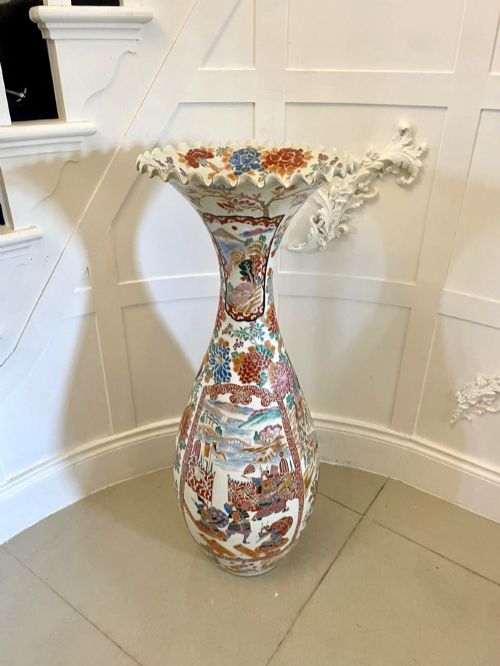
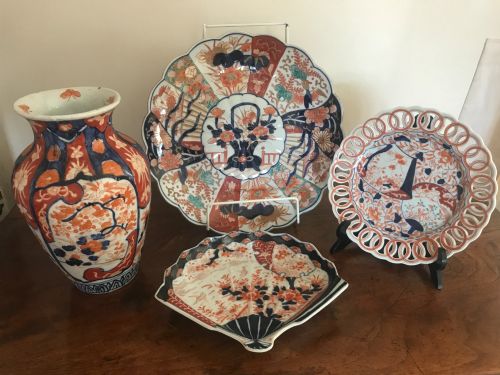
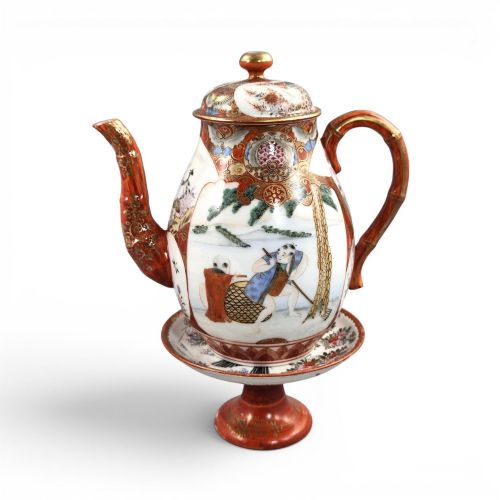
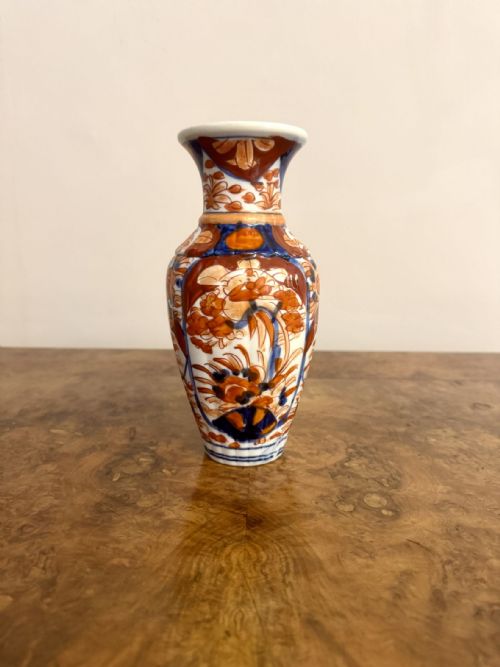
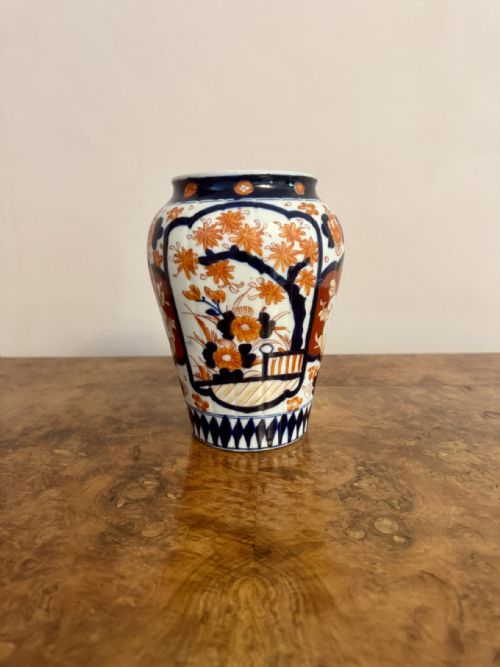
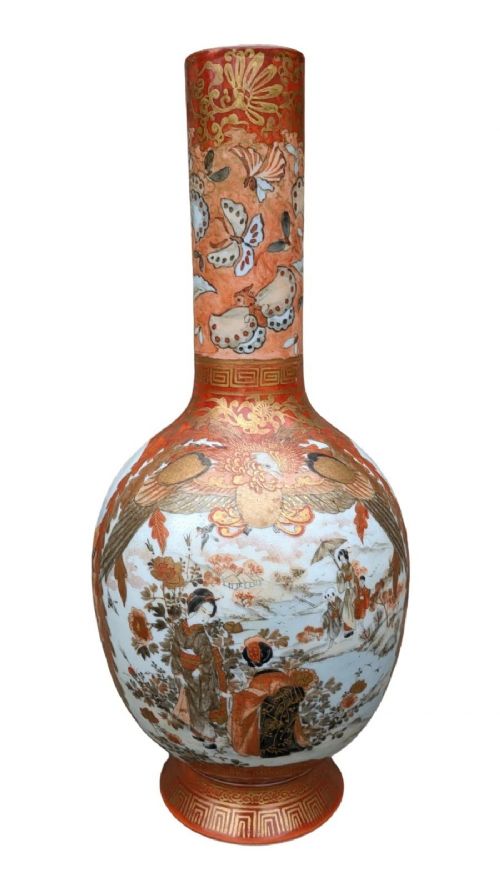
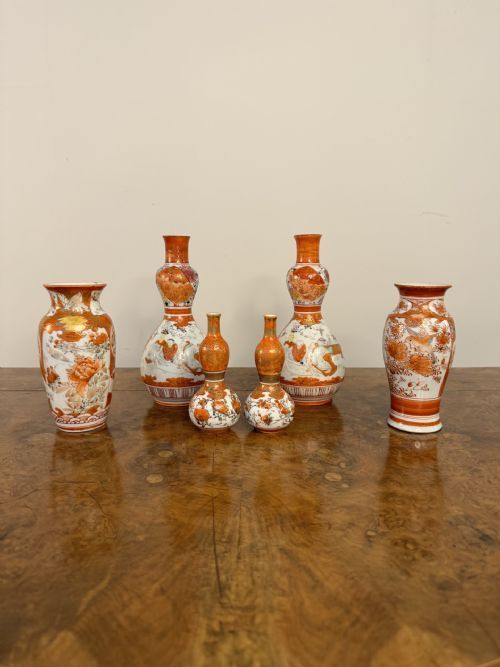
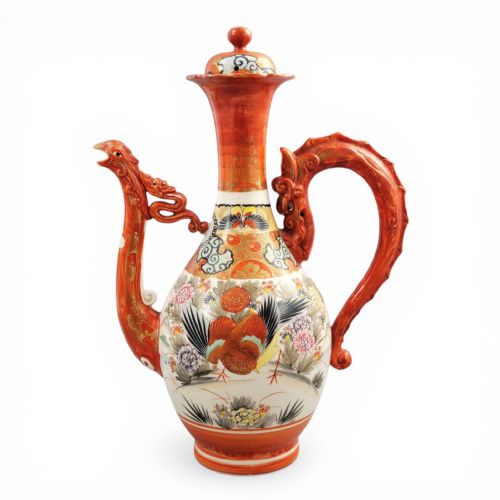
Iron red japanese vases encompass traditional ceramic forms created across the nineteenth century and into the Edwardian era. These pieces frequently take the form of Japanese Imari and Kutani wares, spanning floor standing examples, baluster bodies, and bottle shapes.
The selection on this page relies heavily on nineteenth century production, particularly pieces originating from the Meiji period. Buyers will encounter pairs, garnitures, and single vessels featuring distinct iron red pigment alongside cobalt blue and gold leaf highlights.
How iron red japanese vases were made
Potters shaped porcelain and ceramic bodies before applying underglaze cobalt and overglaze enamel decorations by hand. The distinctive iron red pigment was painted onto the surface alongside gilt detailing and ceramic glaze.
Kiln firing fixed the pigments and glazes to the porcelain base, creating a durable finish. Skilled artisans utilised gold leaf and intricate enamel work to build up the patterned panels characteristic of Japanese Imari and Kutani aesthetics.
Listings feature porcelain and ceramic pieces spanning the Victorian and Edwardian eras, alongside nineteenth-century Meiji period works.
What varies in quality
Execution of the hand-painted brushwork separates standard production from superior examples. Fineness in the rendering of figures, flora, and geometric borders indicates the skill of the original workshop.
Preservation of the enamel pigments and gold gilding impacts the overall visual weight of a piece. Depth of colour and crispness in the ceramic moulding distinguish large floor vases and baluster vessels of note.
Stevenson and Hancock
The Iron Red Japanese Vases Glossary
- Imari
- A style of Japanese porcelain featuring a palette of iron red, cobalt blue, and gold. It gained widespread popularity in the West during the nineteenth century.
- Kutani
- Japanese porcelain distinguished by pictorial designs, often incorporating intense iron red and gold overglaze painting. These wares frequently depict figures, birds, and natural scenes.
- Meiji Period
- The era of Japanese history lasting from 1868 to 1912, associated with a vast increase in decorative arts exported globally. Many vases on this page originate from this time.
- Baluster
- A vase form characterised by a bulbous lower portion tapering to a narrow neck and flared rim. This traditional shape provides stability for larger decorative vessels.
- Garniture
- A set of matching vases designed to be displayed together on a mantelpiece or sideboard. These sets typically comprise three or more coordinated pieces.
Iron Red Japanese Vases: Frequently Asked Questions
What are iron red japanese vases?
These pieces are ceramic and porcelain vessels created in Japan, predominantly during the nineteenth century and the Meiji period. They utilise a distinct iron red enamel pigment, frequently combined with cobalt blue and gold.
Collectors prize them for their vibrant decorative schemes and varied forms, ranging from small hand-painted bud vases to large floor-standing examples.
How were iron red japanese vases used?
Historically, these vessels served as decorative ornaments within domestic interiors both in Japan and abroad. Large floor vases and garnitures filled prominent spaces in nineteenth-century reception rooms.
Table lamps and smaller vases also function as interior accents, bringing traditional ceramic artistry into modern living spaces.
How do I style iron red japanese vases?
The bold palette of iron red and gilt pairs well with neutral backgrounds where the hand-painted details can stand out. Placing a pair on a sideboard or mantelpiece creates visual balance in a room.
Consider displaying single bottle vases or smaller Imari pieces alongside books and ceramics to introduce texture and historical depth.
How do I tell periods apart?
Dating relies on stylistic markers and manufacturing techniques visible across the porcelain body and glaze. Nineteenth-century and Meiji period pieces often exhibit dense hand-painted enamel work and rich gilding.
Earlier items show distinct potting traits, while Edwardian examples reflect the continued European demand for classic Imari patterns into the twentieth century.