




Red Ceramic Floor Vases
Red ceramic floor vases bring striking scale and historic Japanese artistry to interiors, offering monumental presence and rich historical depth.
Red Ceramic Floor Vases
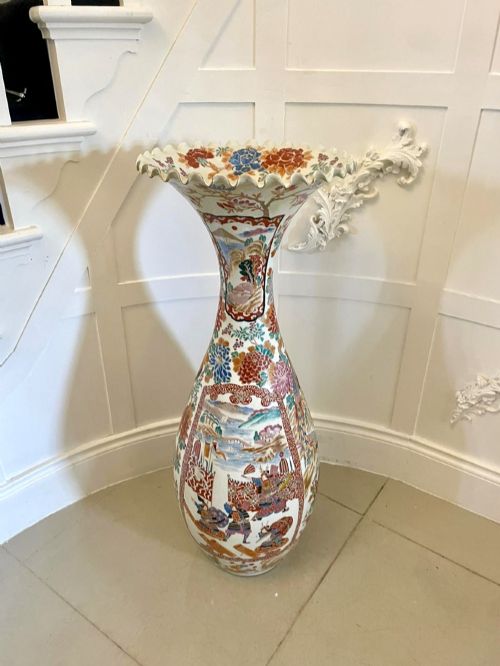
Red ceramic floor vases encompass grand nineteenth century Japanese export pieces designed to command attention in generous spaces. These monumental vessels include imposing pairs and substantial single floor standing vases created during the Meiji period.
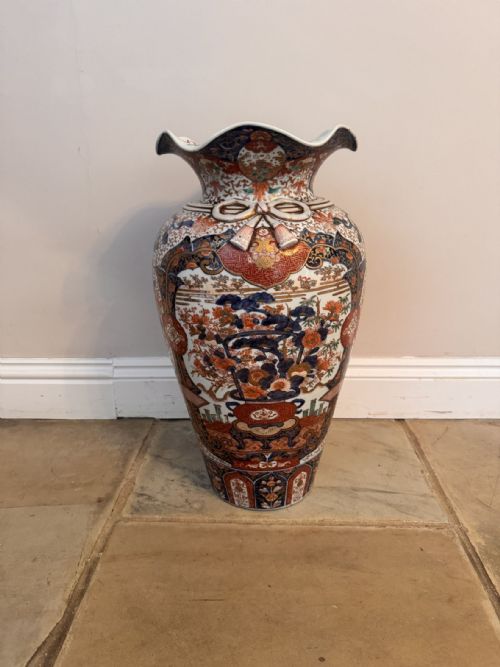
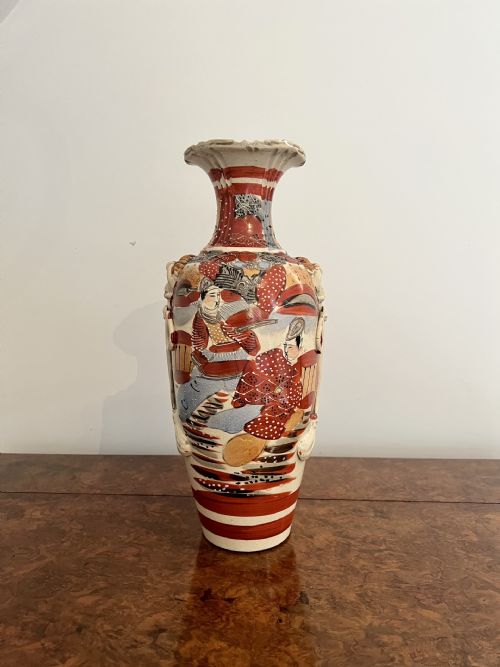
The selection centres heavily upon Japanese Imari and Kutani aesthetics dating from the 1880s through to 1900. Buyers encounter tall spill vases, two handle vessels, and flared neck forms that reflect late nineteenth century craftsmanship.
How they were made
The construction relies upon earthenware and porcelain bodies shaped into grand proportions to support heavy surface decoration. Artisans applied vibrant glazes and enamels across the ceramic surfaces, often incorporating detailed painting characteristic of Imari and Kutani traditions.
Gilt and gold leaf highlights frequently enhance the colourful glaze work, adding metallic brilliance to the finished decorative schemes. These meticulous finishing techniques required expert firing to achieve the enduring richness visible in nineteenth century examples.
Red Ceramic Floor Vases Retail Price Guide 2026
Typical asking prices for red ceramic floor vases among the pieces listed under this phrase on Sellingantiques today, from the lower quarter to the upper quarter. They describe what is for sale here now, not the wider market.
All listed pieces originate from the nineteenth century, spanning the decades between 1880 and 1900 during the Meiji period.
What varies in quality
Quality rests in the ambition of the scale and the precision of the hand painted surface decoration. Superior examples display confident proportion and intricate detailing that elevate the visual weight of the ceramic body.
The depth and complexity of the enamel and glaze application distinguish finer pieces from simpler decorative wares. The presence of sophisticated gold leaf work and harmonious palettes determines the upper tier of these historic vessels.
The Red Ceramic Floor Vases Glossary
- Imari
- A traditional Japanese style of porcelain decoration known for its distinctive palette of red, blue, and gold. This aesthetic heavily influenced nineteenth century export production.
- Kutani
- A style of Japanese coloured pottery and porcelain traditionally characterised by bold pictorial designs and rich enamel painting. These pieces often feature prominent figures and natural motifs.
- Meiji Period
- The era in Japanese history spanning from 1868 to 1912, marked by extensive international trade and the widespread export of decorative ceramics. Pieces from this time demonstrate remarkable technical ambition.
- Spill vase
- A tall, slender vessel originally designed to hold wooden spills used for lighting fires or candles. In larger formats, these tall forms served primarily decorative interior functions.
- Porcelain
- A hard, fine ceramic material fired at high temperatures to achieve a vitrified, non-porous body. It provides a smooth white base ideal for detailed enamelling and gilding.
Red Ceramic Floor Vases: Frequently Asked Questions
What defines the Imari palette?
The Imari palette is characterised by a striking combination of underglaze blue and iron red overglaze, frequently enriched with details in gold leaf. This vibrant colour scheme creates a rich, layered visual effect across the ceramic surface.
Artisans utilised this bold combination to catch the light and provide warmth to large interior spaces through contrasting primary tones.
How do I care for antique ceramic floor vases?
Maintenance requires gentle dusting with a soft, dry cloth to protect the historic glaze and delicate enamel work from abrasion. Avoiding harsh cleaning agents and moisture preserves the original surface finish and any applied gold leaf.
Placement should be considered carefully to avoid high traffic zones where the vessel might be knocked or disrupted due to its grand scale.
How can I distinguish Kutani from Imari ware?
Kutani wares generally feature more pictorial and narrative scenes executed in a dominant red and gold palette, often depicting figures and natural landscapes. Imari pieces typically rely on structured geometric, floral, and brocade patterns combined with cobalt blue.
Examining the underlying composition and dominant colour motifs helps clarify the specific regional tradition of each nineteenth century piece.