





Iron Red Japanese Pottery
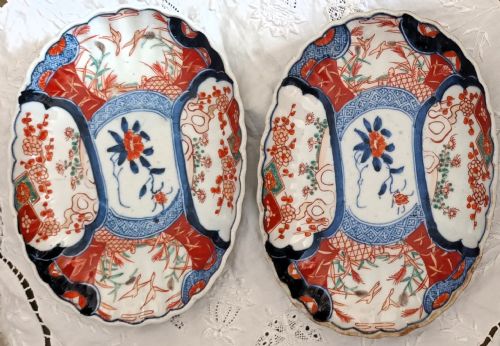
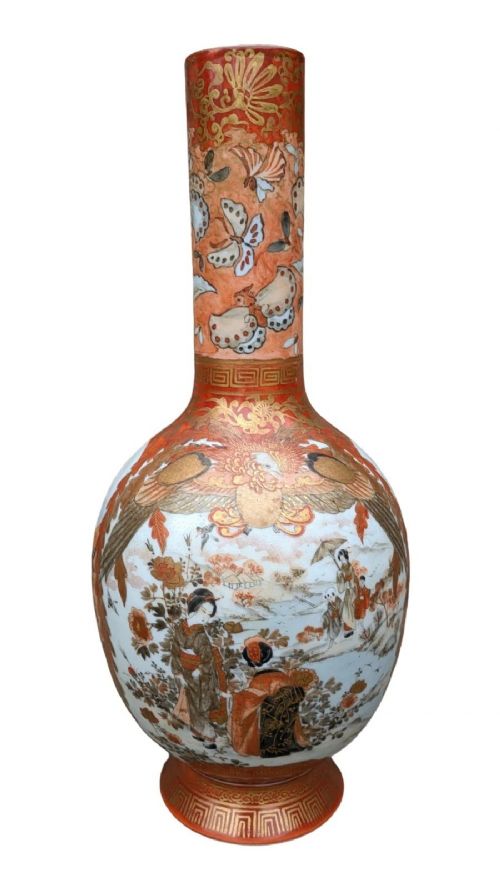
Iron red japanese pottery brings together vibrant ceramic vessels and plates defined by striking red pigments and traditional forms.
Iron Red Japanese Pottery
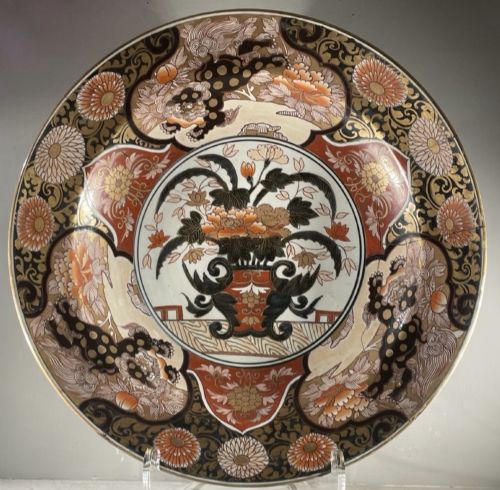
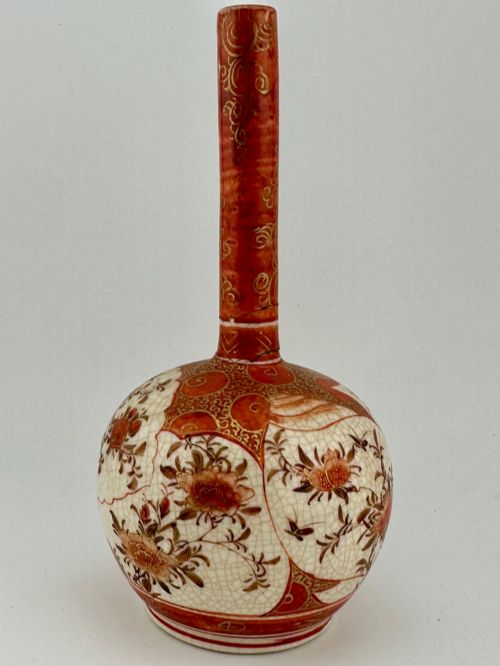
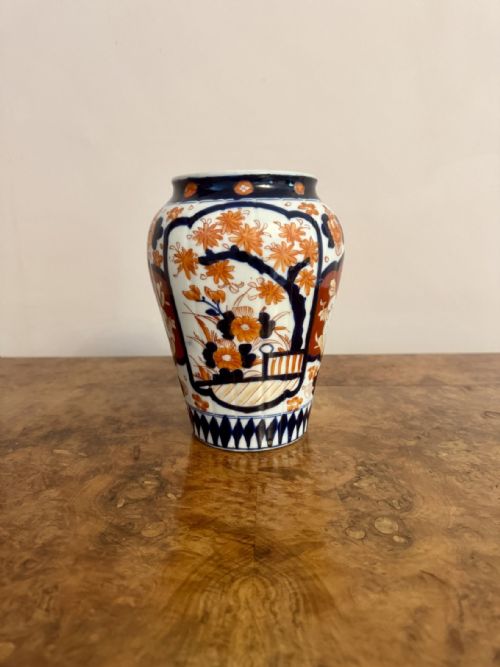
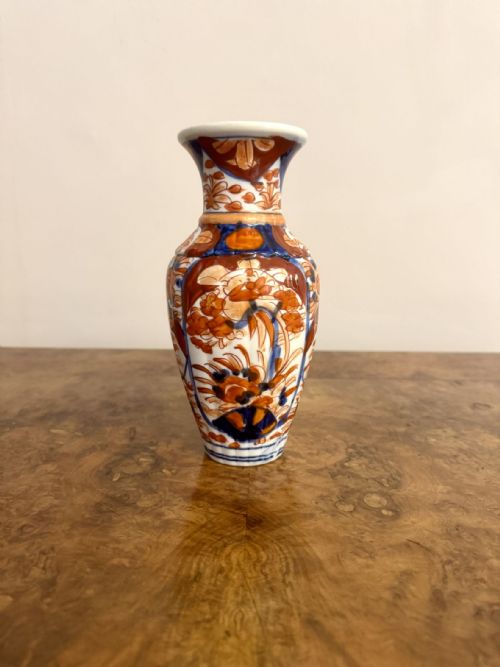
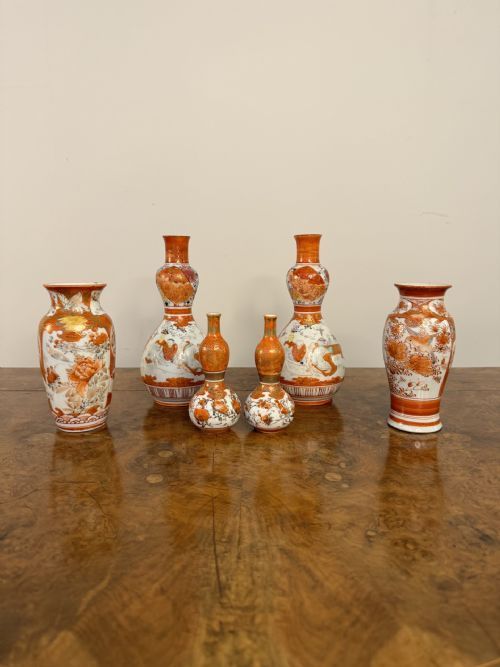
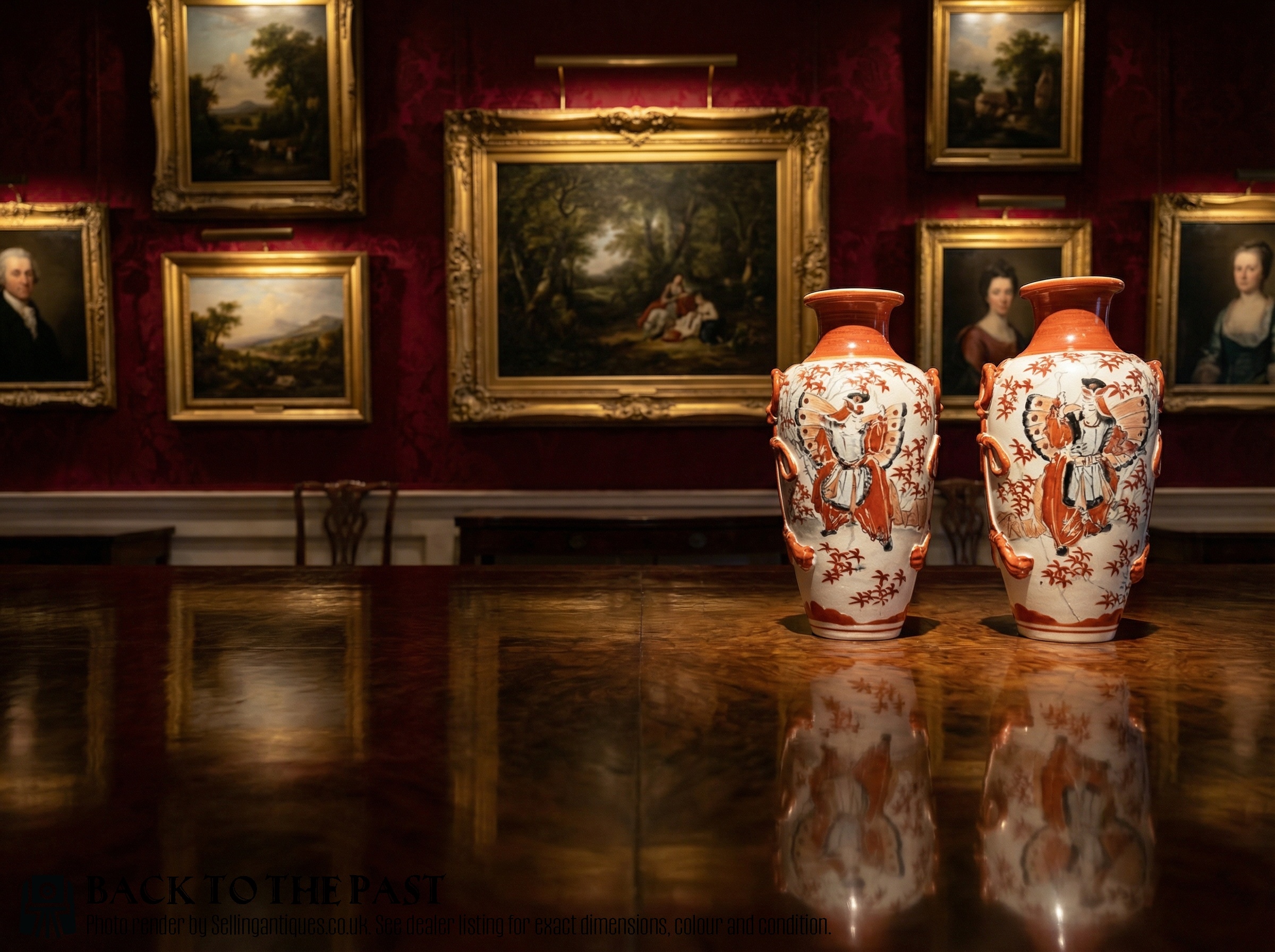
When you search for iron red japanese pottery, you encounter a selection of vessels and dishes spanning the Edo and Meiji periods alongside the nineteenth century. These items frequently manifest as Imari and Kutani wares, encompassing vases, decorative plates, dishes, bowls, and table lamps.
You are most likely to meet nineteenth century porcelain and earthenware pieces decorated in traditional palettes. The selection relies heavily on Japanese Imari and Meiji period examples, ranging from small hand-painted vases to large floor pieces and tripod bowls.
Materials and methods
The objects combine ceramic bodies like porcelain and earthenware with surface decoration including enamel, glaze, and enamel glaze. Artisans applied these mineral-based pigments by hand to create the characteristic iron red tones.
Makers integrated metallic elements such as gold leaf, gilt, and gilding alongside the pigments. This application of precious metal accents elevates the visual depth of the porcelain and earthenware surfaces.
Iron Red Japanese Pottery Retail Price Guide 2026
Typical asking prices for iron red japanese pottery among the pieces listed under this phrase on Sellingantiques today, from the lower quarter to the upper quarter. They describe what is for sale here now, not the wider market.
Listings feature items from the eighteenth, nineteenth, and early twentieth centuries, spanning the Edo and Meiji periods.
Judging the work
The division between standard production and superior execution rests upon the precision of the hand painting and the complexity of the design. Pieces featuring detailed bird motifs, bamboo patterns, and harmonious colour integration demonstrate greater artistic control.
Scale and form also determine distinction within the range, separating modest domestic items from impressive large vases and hexagonal vessels. The crispness of the glaze and the successful combination of iron red with gilt details mark the more accomplished examples.
The Iron Red Japanese Pottery Glossary
- Imari
- A style of Japanese export porcelain originating from the port of Imari, typically decorated in underglaze blue, iron red, and gilt. It dominated trade during the Edo and Meiji periods.
- Kutani
- A style of Japanese painted porcelain and pottery known for bold colour palettes including dominant iron red and gold. Production spans multiple centuries with notable output during the nineteenth century.
- Meiji Period
- The era in Japanese history lasting from 1868 to 1912, corresponding with the reign of Emperor Meiji. Pieces from this time show high levels of decorative detail.
- Edo Period
- The period in Japanese history spanning from 1603 to 1868 under the rule of the Tokugawa shogunate. Early examples of pottery and porcelain often date to the latter portion of this era.
- Tripod bowl
- A vessel elevated on three distinct feet or supports. These forms appear in early porcelain production from Arita.
Iron Red Japanese Pottery: Frequently Asked Questions
What is iron red japanese pottery?
These items comprise decorative vessels, plates, and bowls created in Japan during the Edo and Meiji periods. They rely on distinctive iron red pigments combined with porcelain and earthenware.
The category predominantly includes Imari and Kutani wares produced for both domestic use and export. You will find items ranging from small dishes to large display vases and converted lamps.
How do I identify Meiji period pieces?
Meiji period items date from the late nineteenth century to the early twentieth century. They often display intricate hand-painted patterns featuring birds, bamboo, and rich gilding.
The transition into this era brought increased production for Western export markets. The combination of bright enamel glaze and precise detail helps distinguish these works from earlier examples.
Where were these ceramics made?
The pieces originate from specific production centres in Japan, notably Arita for Imari wares and the Kutani region for Kutani ceramics. Kilns in these areas developed distinct regional styles.
Potters utilised local clay bodies and specialised mineral pigments. The resulting objects reflect the traditional techniques passed down through generations of artisans.
How should I display vases and plates?
Large vases and tripod bowls require stable surfaces where their weight and height are fully supported. Placing them away from direct traffic paths protects their hand-painted enamel and gilt surfaces.
Plates and dishes can be mounted on specialist stands to showcase their decorative borders and central motifs. Proper placement ensures the iron red and gold details remain visible without handling risks.