







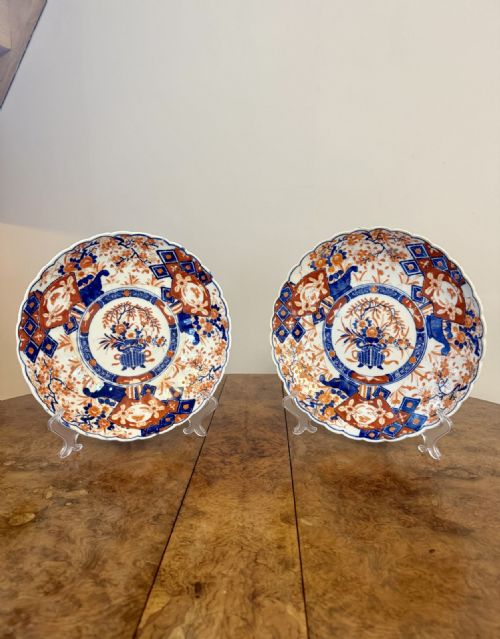
Iron Red Cobalt Plate
An iron red cobalt plate brings together vibrant pigments and intricate patterns on porcelain, offering a distinct aesthetic that draws collectors of traditional ceramic wares.
Iron Red Cobalt Plate
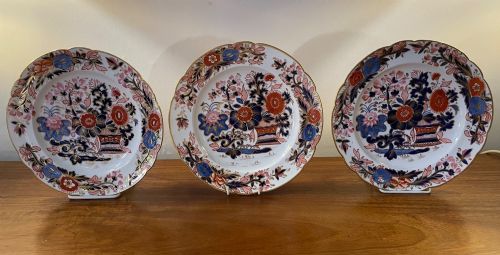
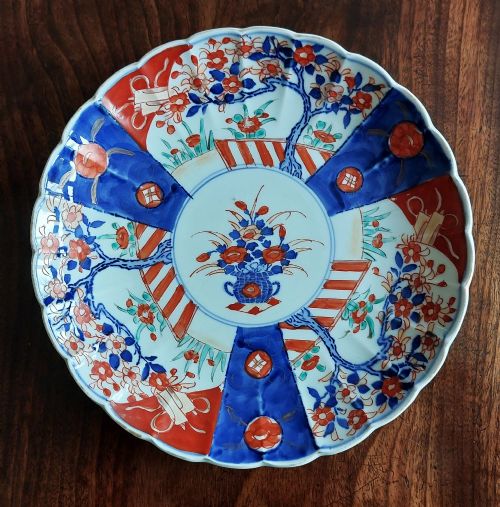
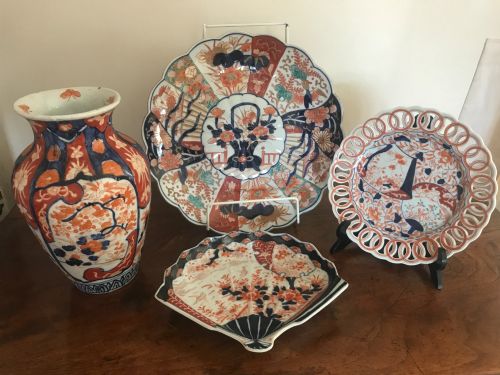
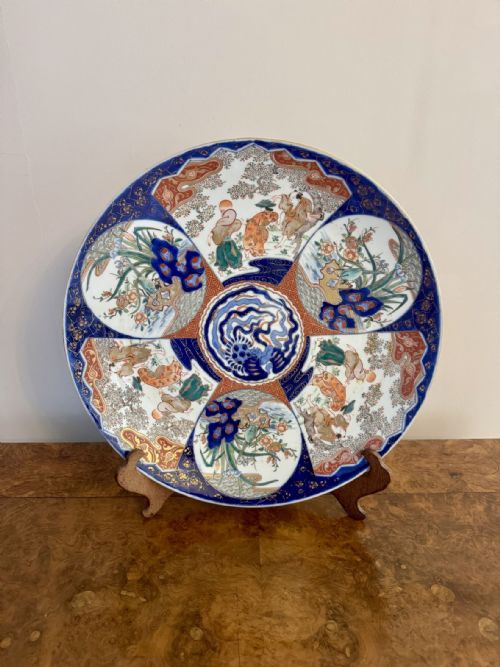
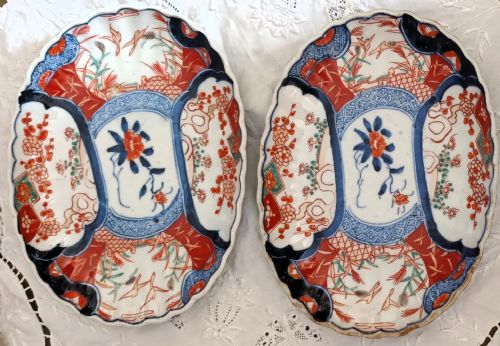
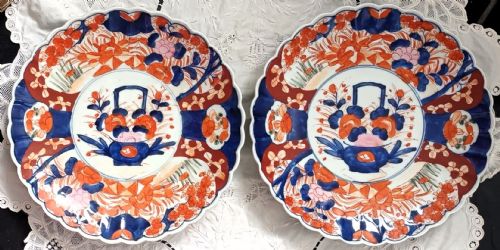
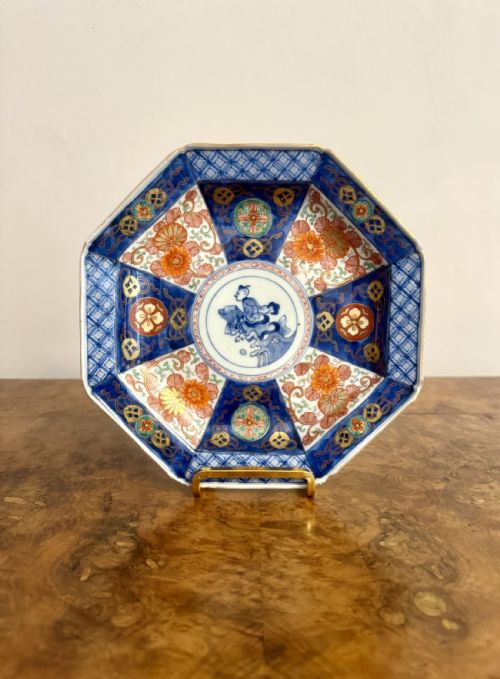
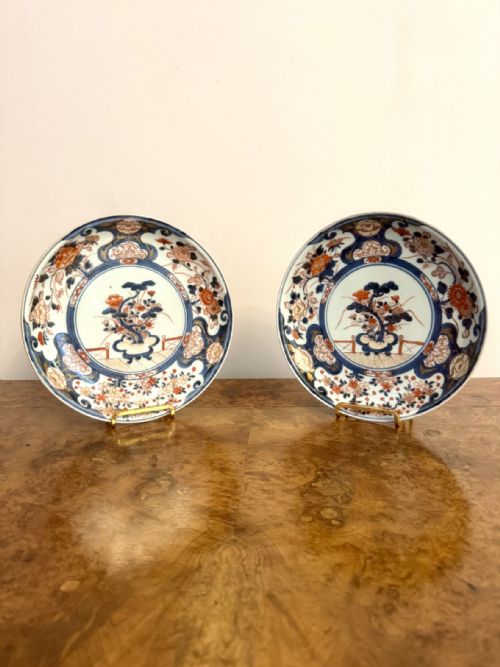
When searching for an iron red cobalt plate, buyers encounter a selection dominated by Japanese Imari ceramics from the Meiji period and the nineteenth century. These items typically appear as decorative plates, chargers, and dishes featuring distinct patterns and traditional shapes.
The inventory on this page ranges from standard circular dishes to hexagonal plates, square formats, and large decorative chargers. Examples often feature exotic birds or mythological figures such as the Seven Lucky Gods.
Originating largely from Japan alongside select nineteenth-century Staffordshire interpretations utilising an Imari palette, these ceramics serve primarily as decorative display pieces for walls and cabinets.
How they were made
Potters built these items using ceramic and porcelain bodies, applying cobalt underglaze details alongside iron red enamel pigments. Many examples incorporate gilding and gold leaf accents over the fired glaze.
Decoration was applied by hand, combining cobalt blue painted beneath the glaze with vibrant red enamel and supplementary gilding on top of the surface before secondary firing.
Selected porcelain plates depict the Seven Lucky Gods, ensuring your collection comes thoroughly backed by a divine administrative quorum.
What varies in quality
Quality differences emerge in the precision of the hand-painted motifs and the complexity of the overall design, ranging from standard geometric borders to elaborate depictions of figures and exotic birds.
The choice of form also dictates distinction, with unusual shapes like hexagonal or square plates and large-scale chargers requiring greater skill in shaping and firing than standard round dishes.
The Iron Red Cobalt Plate Glossary
- Cobalt Underglaze
- A blue pigment applied to the ceramic body prior to glazing and firing, creating a stable, permanent colour beneath the glassy surface.
- Imari Palette
- A traditional decorative scheme characterised by the combination of cobalt blue, iron red, and gold highlights.
- Meiji Period
- The era in Japanese history spanning from 1868 to 1912, noted for a surge in porcelain production exported to Western markets.
- Charger
- A large ornamental plate typically used for display on walls or sideboards rather than for dining purposes.
- Enamel
- Opaque vitreous material applied over a fired glaze and heated a second time to fuse the decorative colours to the ceramic surface.
Iron Red Cobalt Plate: Frequently Asked Questions
What is an iron red cobalt plate?
An iron red cobalt plate is a decorative ceramic dish decorated with blue cobalt underglaze and red enamel pigments, often associated with Japanese Imari styles.
These pieces typically date from the nineteenth and early twentieth centuries and are designed primarily for display.
How do I date an antique Imari plate?
Dating relies on stylistic indicators, materials, and documented production eras such as the Meiji period or the nineteenth century.
Examining the glaze, the quality of the hand painting, and the clay body helps narrow down the period of manufacture.
Were these plates used for dining?
While manufactured as ceramics, larger formats like chargers and highly ornate plates served decorative display roles in homes.
Many surviving examples retain pristine surfaces intended for visual appreciation rather than daily household use.
What makes a plate a charger?
A charger is substantially larger than a standard dining plate, generally measuring well over twelve inches in diameter.
These large vessels were made to sit centrally on sideboards or hang on walls as focal decorative art.