




Traditional Japanese China
These pieces of traditional japanese china bring robust Imari palettes and porcelain bodies straight to the table or display cabinet.
Traditional Japanese China
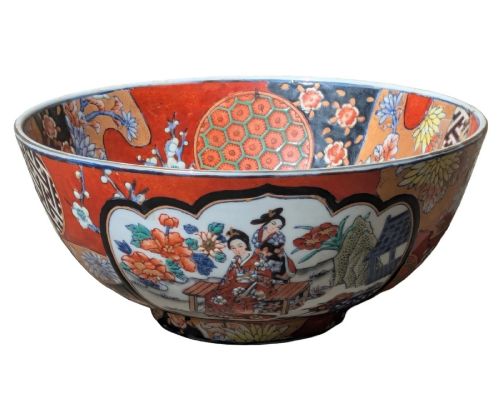
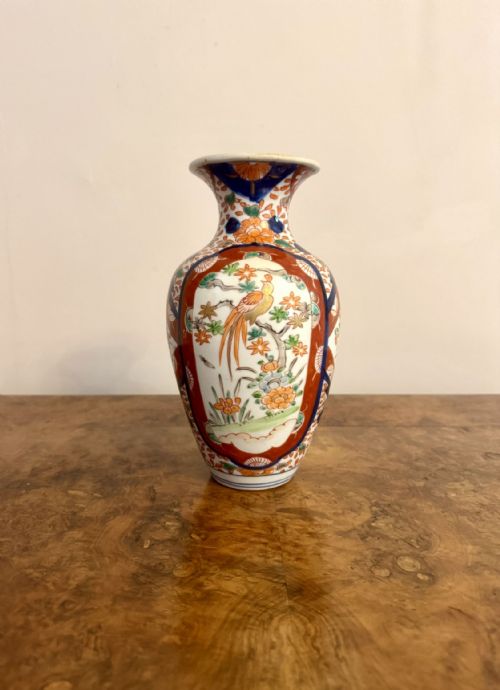
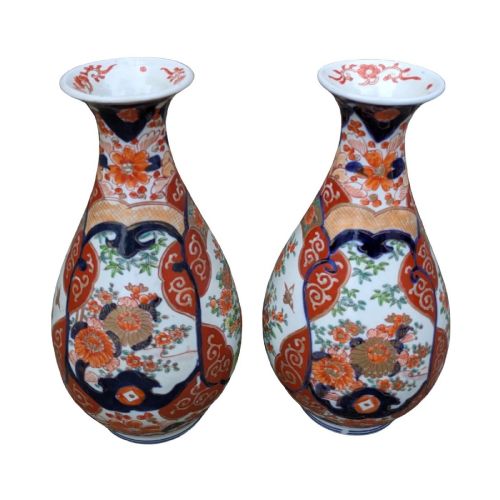
Traditional japanese china encompasses distinct items such as decorative plates, vases, bowls, and shaped dishes that showcase classic aesthetics. Collectors encounter pieces originating from the nineteenth century alongside later examples from the early twentieth century.
The selections on this page heavily feature Imari plates, chargers, and vases decorated in traditional styles. Buyers frequently find both individual decorative vessels and matching collections spanning multiple plates or vases.
Materials and construction methods
Potters built these items using hard-fired porcelain and ceramic bodies shaped into versatile tableware and display vessels. Artisans applied detailed hand painting alongside vibrant glaze work to decorate the surfaces.
Many items incorporate contrasting gold leaf and gilding to highlight intricate patterns across the porcelain. Selected objects also arrive paired with protective wooden storage boxes.
Traditional Japanese China Retail Price Guide 2026
Typical asking prices for traditional japanese china among the pieces listed under this phrase on Sellingantiques today, from the lower quarter to the upper quarter. They describe what is for sale here now, not the wider market.
Listings span porcelain, enamel, gold leaf, glaze, wood, iron, and gilding across multiple centuries.
Assessing quality and craftsmanship
Quality rests primarily in the precision of the hand painting and the vibrancy of the enamel and glaze applications. Superior items display crisp detailing across the Imari motifs and balanced proportions.
Condition consistency across matched pairs or larger collections dictates the overall standing of the set. Well-preserved gilding and intact porcelain forms elevate individual pieces within the range.
The Traditional Japanese China Glossary
- Imari
- A distinct style of Japanese porcelain featuring characteristic iron-red and cobalt-blue underglaze painting, often enriched with gold leaf. This aesthetic defined numerous export wares during the nineteenth century and beyond.
- Charger
- A large decorative plate utilised primarily for display rather than routine dining. These substantial pieces highlight complex patterns across wide porcelain surfaces.
- Shaped dish
- A vessel formed into non-standard geometric or organic outlines rather than a simple circle. Such items demonstrate varied moulding techniques employed by traditional ceramists.
- Gilding
- The application of gold or gold leaf to ceramic surfaces for ornamental effect. It frequently accents the borders and central motifs of traditional plates and vases.
Traditional Japanese China: Frequently Asked Questions
What defines traditional japanese china?
These pieces consist largely of nineteenth and early twentieth-century Imari porcelain plates, vases, and bowls.
They reflect traditional Japanese ceramic methods, utilising enamel painting and gold leaf on porcelain bodies.
How were Imari vases used?
Vases and urns served primarily as decorative display items within domestic interiors rather than functional vessels for fresh flora.
Their striking cobalt and iron-red palettes suited prominent placement on mantelpieces and tables.
How do I care for antique porcelain?
Maintain these ceramic items by dusting gently with a soft dry cloth and avoiding harsh chemical cleaning agents.
Protect delicate hand-painted surfaces and gilding by keeping pieces away from direct, prolonged sunlight.
How are nineteenth-century pieces identified?
Dating relies upon stylistic markers associated with Victorian production periods and early twentieth-century Showa contexts.
Material characteristics like traditional glaze finishes and hand-painted Imari details help determine the era.