


Iron Red Ceramic Jars
Iron red ceramic jars bring together vibrant copper-derived tones and robust ceramic bodies across centuries of Chinese and Japanese production.
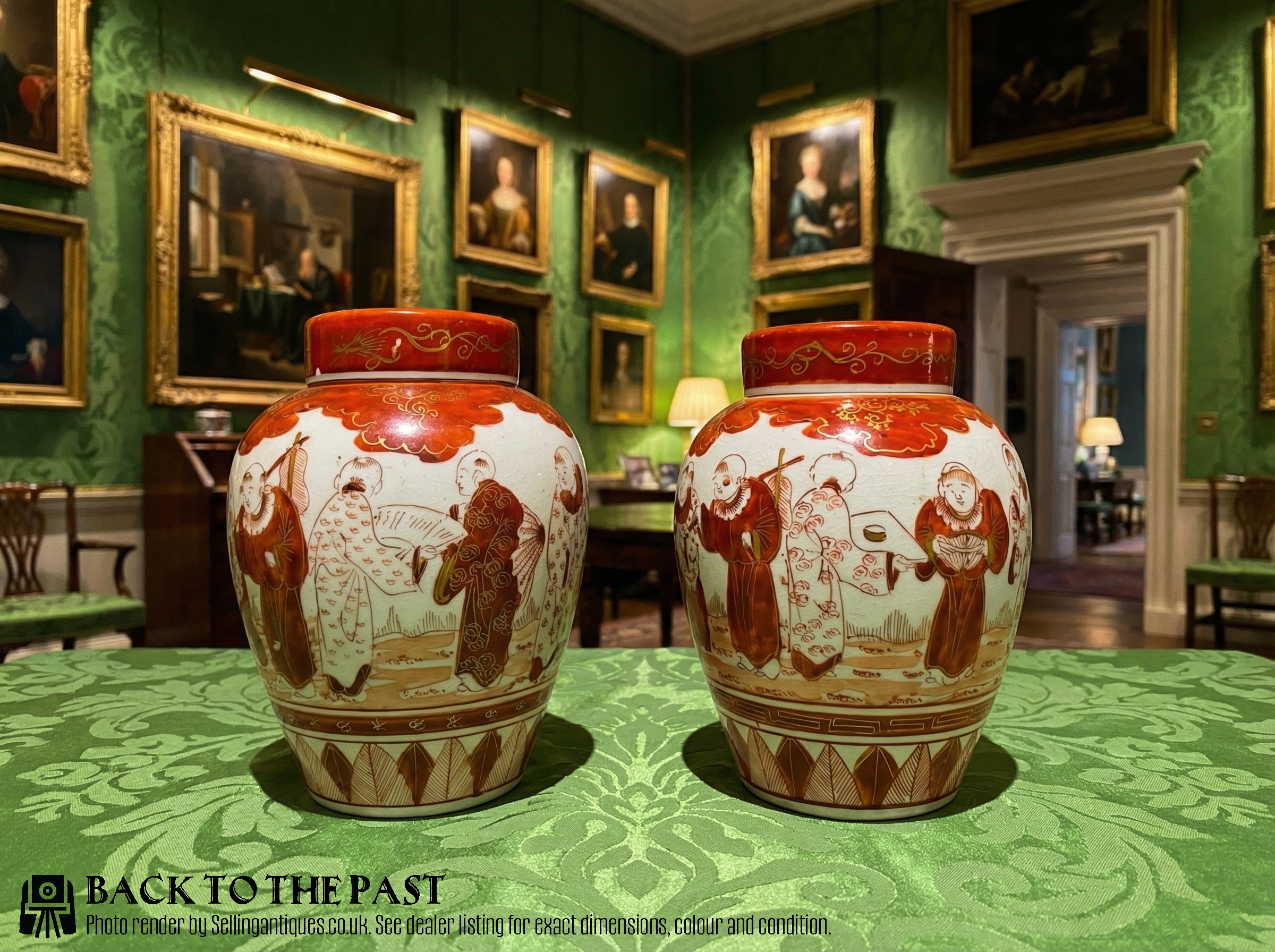
Iron Red Ceramic Jars
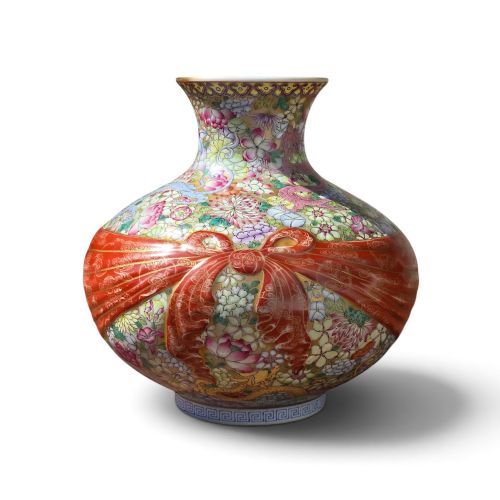
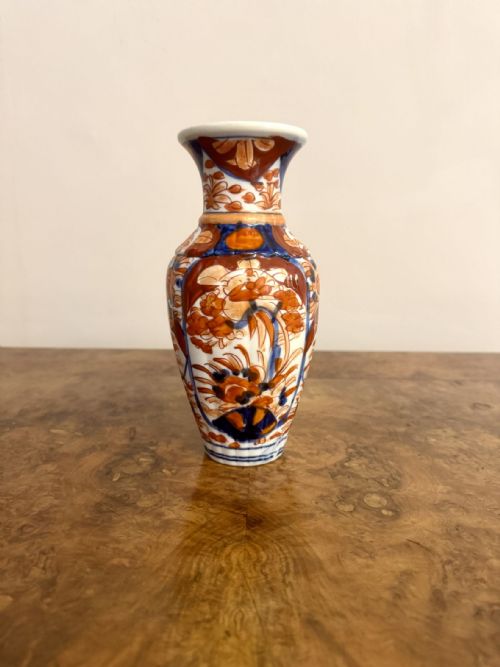
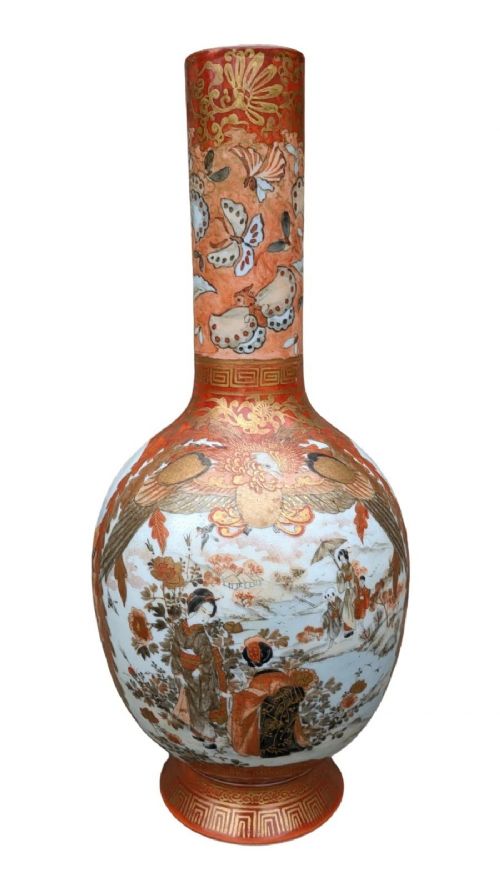
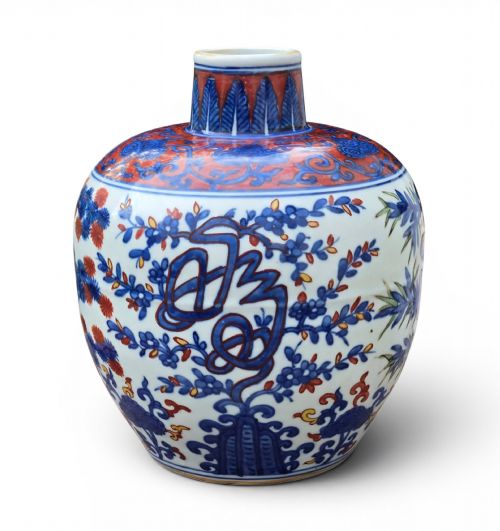
When searching for iron red ceramic jars, collectors encounter a diverse selection of forms spanning ginger jars, lidded vessels, and decorative vases originating from China and Japan. These pieces range from substantial nineteenth-century Japanese Imari and Kutani examples to earlier Ming Dynasty and Chinese Transitional wares.
The version most commonly met on this page is the nineteenth-century Japanese Imari or Kutani vase or ginger jar, frequently decorated with hand-painted enamels and iron red detailing. Alongside these, buyers find occasional earlier Chinese examples featuring underglaze blue and iron-red enamel or intricate ribbon-wrapped designs.
Materials and methods
These vessels utilise porcelain and ceramic bodies shaped into vases, ginger jars, and lidded forms. Artisans applied glazes and ceramic enamels, frequently combining cobalt glaze with iron-red enamel to achieve striking polychrome contrasts.
Decoration relied heavily on meticulous hand-painting techniques. Selected pieces incorporate additional embellishments such as gold leaf, enamel highlights, and gilt details to accentuate the patterns.
Listings feature porcelain and ceramic pieces spanning the sixteenth to the early twentieth century, encompassing Imari, Kutani, and Transitional styles.
Assessing quality and execution
Quality in these ceramics rests upon the precision of the hand-painted decoration and the depth of the iron-red and enamel pigments. Superior examples display crisp outlines, controlled brushwork, and harmonious integration of secondary colours like gold leaf or cobalt.
The physical form and presence of the vessel dictate distinction, where larger dimensions, balanced proportions, and well-preserved lidded pairs separate standard production from exceptional specimens.
The Iron Red Ceramic Jars Glossary
- Iron-red enamel
- A reddish pigment derived from iron oxide used over the glaze to impart rich warm tones to porcelain decoration.
- Imari
- A style of Japanese export porcelain characterised by a palette of cobalt blue, iron red, and gilt highlights.
- Kutani
- A traditional style of Japanese coloured pottery and porcelain known for intricate hand-painted designs in varied enamels.
- Ginger jar
- A ceramic vessel with a broad body and domed cover, originally designed for storing spices but widely collected for display.
- Underglaze blue
- A method of decorating pottery where cobalt pigment is applied to the clay body before glazing and firing.
Iron Red Ceramic Jars: Frequently Asked Questions
What are iron red ceramic jars?
These pieces are decorative vessels, vases, and ginger jars featuring distinctive reddish iron-based pigments.
They originate primarily from historical kilns in China and Japan, spanning multiple centuries of ceramic tradition.
How were these jars used?
Many of these vessels served as utilitarian storage containers for spices or valuable goods.
Over time, numerous examples shifted towards purely decorative display roles within interiors.
How do I live with antique jars?
These ceramics suit prominent display on sideboards, mantels, or within dedicated shelving.
Placement should avoid areas of heavy traffic or direct sunlight to protect the enamel surfaces.
How do I tell periods apart?
Differentiating periods relies on observing stylistic conventions, potting techniques, and specific enamel palettes.
Earlier Ming and Transitional pieces differ distinctly from nineteenth-century Japanese Meiji production.