





Iron Red Ceramic Dish
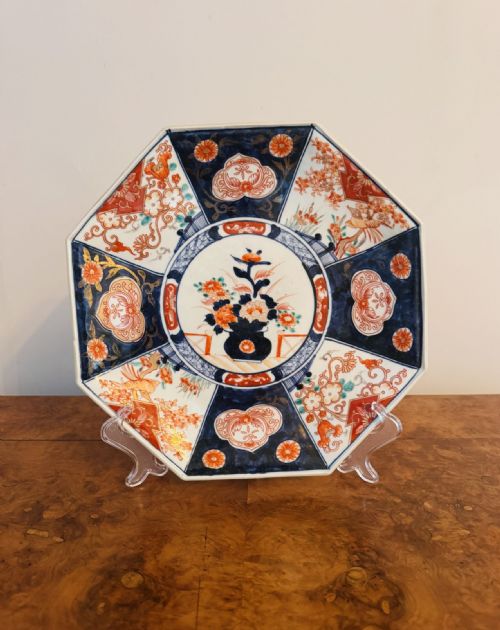
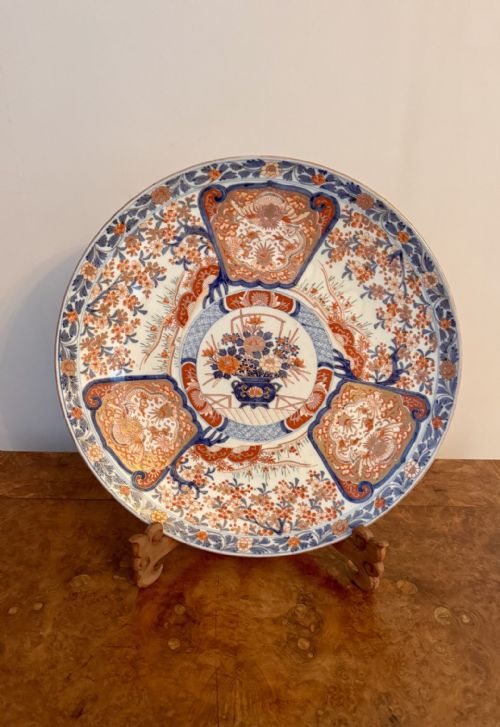
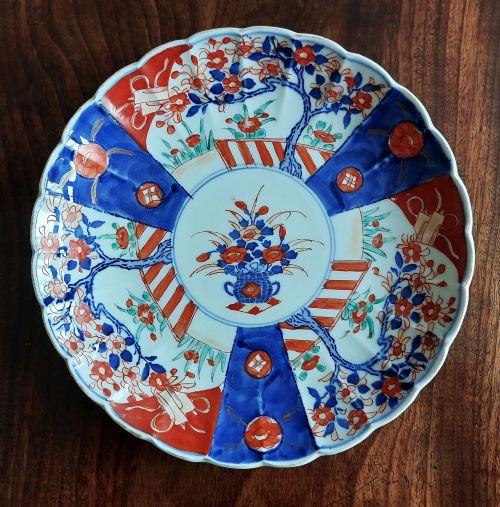
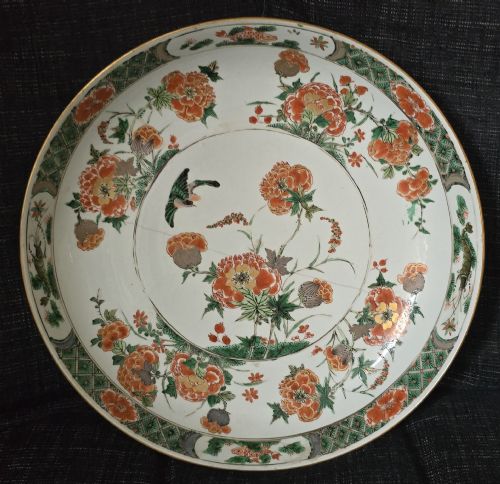
When you search for an iron red ceramic dish, you find vibrant works in porcelain finished with enamel and gold leaf.
Iron Red Ceramic Dish
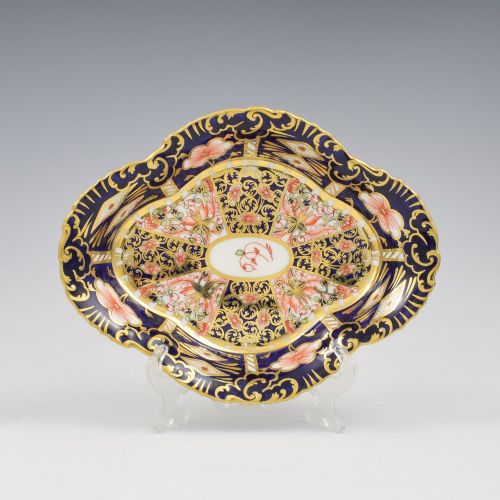
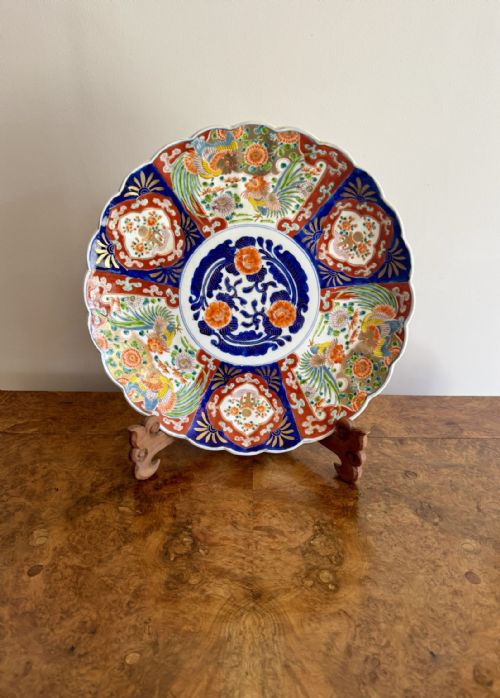
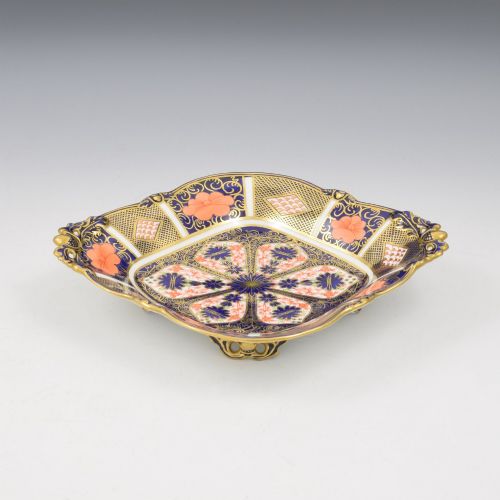
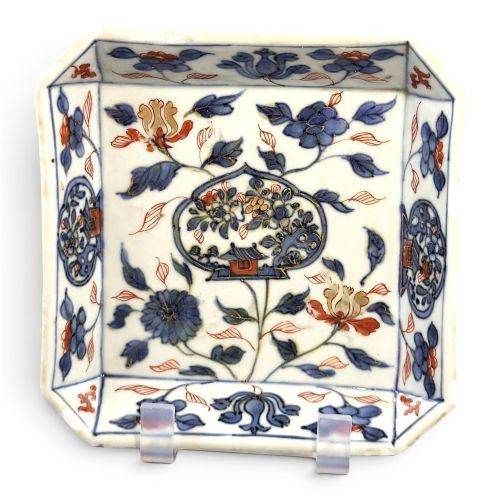
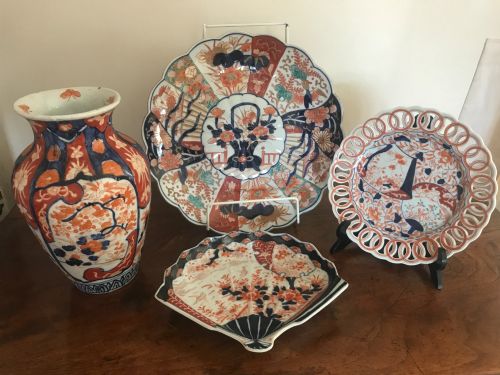
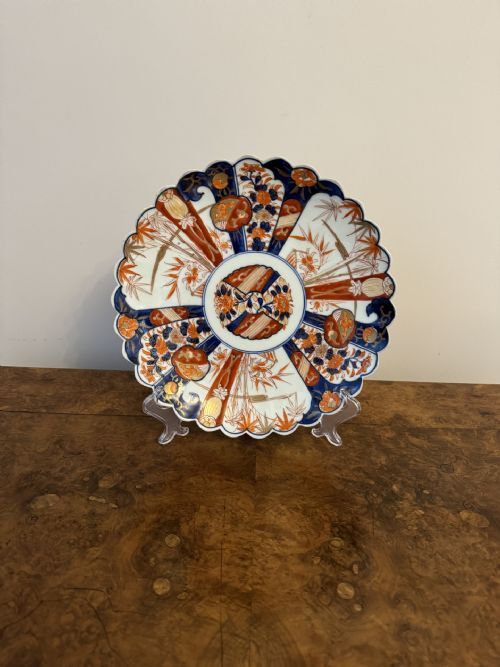
An iron red ceramic dish brings together centuries of decorative craft spanning the 18th century, the 19th century, and early decades like 1900, 1910, and 1920. Pieces range from large chargers and wall plates to bowls, square plates, and serving trays with scalloped or hexagonal edges.
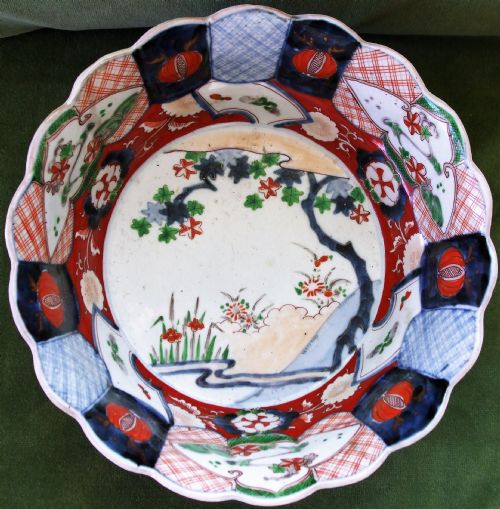
The selections on this page draw heavily from Japanese Imari and Chinese export traditions, alongside Kutani ware and English Imari interpretations. Buyers encounter plates depicting exotic birds, floral patterns, and figures such as the Seven Lucky Gods.
Originating across different periods including the Meiji period, Edo period, and Qing Dynasty, these decorative ceramics serve primarily as display pieces. Their distinct palettes rely heavily on iron red combined with cobalt underglaze and gilt highlights.
How they were made
Potters shaped these objects from fine porcelain and ceramic bodies before applying detailed hand-painted designs. Artisans utilised cobalt underglaze for blue pigments alongside iron red enamel to build the characteristic multi-coloured palette.
Many examples incorporate gold leaf and gilding to accentuate specific motifs within the floral, bird, and figural scenes. Kiln firing fixed the pigments and glazes into a durable finish across chargers, bowls, and plates.
Several plates depict the Seven Lucky Gods, ensuring your walls are guarded by a full crew of deities.
What varies in quality
The distinction between standard and superior pieces rests on the precision and complexity of the hand-painted brushwork. Superior examples display crisp definition in the floral, bird, and figural compositions, whereas simpler items show looser execution.
The application of enamel and gilding further separates the tiers, with finer dishes retaining rich gold leaf highlights and deep iron red tones. Form also plays a role, as unusual shapes like hexagonal plates, ribbon edges, and pierced serving trays demand greater skill from the maker.
The Iron Red Ceramic Dish Glossary
- Imari
- A style of Japanese export porcelain originating from Arita, traditionally recognised by a palette of cobalt blue, iron red, and gilt highlights. This style heavily influences many of the plates and chargers found in this category.
- Kutani ware
- A type of Japanese porcelain known for bold pictorial designs and rich enamel colours. Miniature bowls from the Meiji period represent this tradition.
- Gilding
- The application of gold leaf or gold powder to the surface of ceramics to create metallic highlights. It frequently complements iron red and cobalt blue pigments.
- Cobalt underglaze
- A blue pigment applied to the raw ceramic body before glazing and firing. It provides the deep blue foundational lines beneath the enamel layers.
- Charger
- A large decorative plate utilised historically for presentation or wall display rather than dining. These pieces often feature complex scenes depicting figures or dense floral motifs.
Iron Red Ceramic Dish: Frequently Asked Questions
How were iron red ceramic dishes used?
These pieces served primarily as decorative plates, chargers, and serving trays for display in formal rooms. Their rich enamel and gold leaf details made them prized ornamental objects.
Larger chargers were often mounted on walls or placed on sideboards, while smaller bowls and plates functioned as display dishes for dining rooms and parlours.
What is Japanese Imari style?
Japanese Imari refers to porcelain decorated in cobalt underglaze blue, iron red enamel, and gold leaf. The style developed in Japan for export to European markets.
Pieces in this tradition often feature intricate floral patterns, exotic birds, and figural scenes framed by geometric borders.
How do I date a ceramic dish?
Dating relies on stylistic markers, materials, and historical periods recorded in the manufacturing techniques. Pieces from the Meiji period or Qing Dynasty carry specific aesthetic traits.
Examining the glaze composition, base characteristics, and hand-painted motifs helps distinguish 18th-century examples from 19th-century and early 20th-century items.
Can I use these antique dishes for food?
Most antique decorative ceramics are intended for display and collection rather than daily culinary use. The delicate enamel, gold leaf, and iron red pigments can suffer wear from washing and cutlery.
Gentle dusting and careful placement preserve the painted surface and structural integrity of older plates and bowls.