

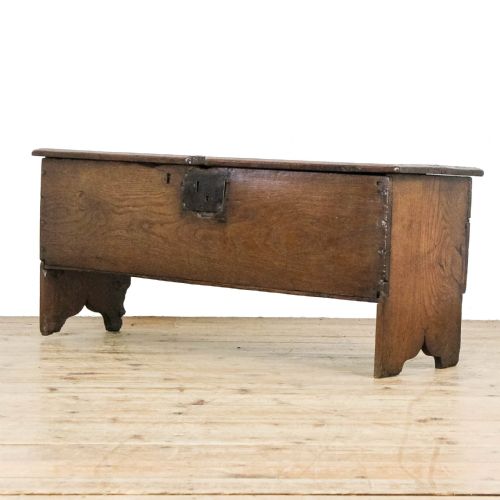


Iron Bound Oak Box
An iron bound oak box brings heavy timber and forged metal together for storage that was built to travel or secure valuables.
Iron Bound Oak Box
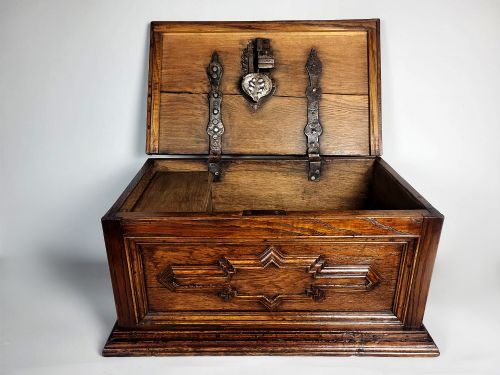
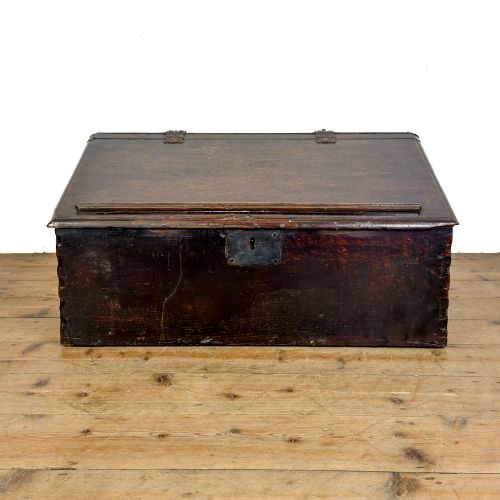
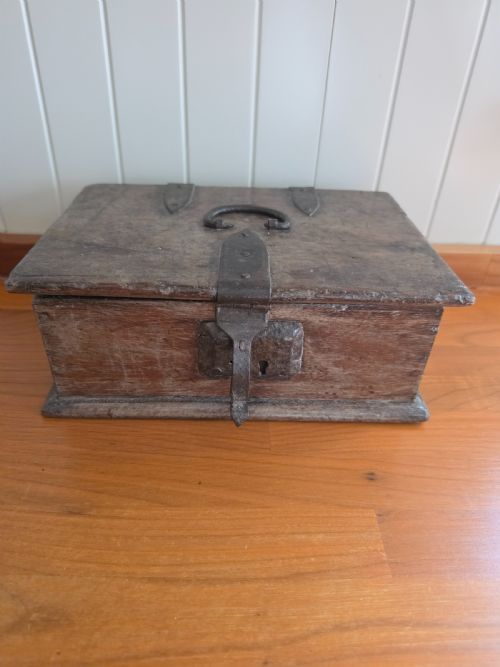
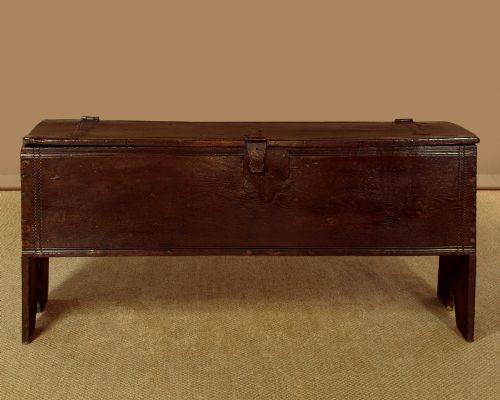
An iron bound oak box is a sturdy receptacle designed for security and transport, uniting solid oak timbers with robust metal reinforcement. These pieces appear in forms ranging from compact Bible boxes and safe boxes to large silver chests, travel trunks and sword chests.
The selection on this page draws heavily from the Victorian period, alongside examples spanning the 16th, 17th, 18th and Georgian eras. Buyers encounter utilitarian storage trunks alongside fitted domestic containers intended for silverware or documents.
Many items reflect specific historical uses, such as campaign containers, merchant chests and sea chests. The resulting variety bridges domestic display and heavy-duty utility across multiple centuries of craftsmanship.
Materials and construction
The primary material combination relies on dense oak boards secured by heavy iron, steel or wrought iron bands, straps and corner plates. These metal mounts were riveted or nailed directly to the timber to reinforce joints and resist forced entry.
Makers utilised forged hardware, including complex steel locks and drop handles, alongside brass details in certain domestic iterations. Interiors occasionally feature fitted compartments, fabric linings or painted finishes such as red paint.
One travelling trunk arrives with a startlingly bright red interior, proving that even heavy-duty security containers harboured hidden splashes of colour.
Markers of quality
Quality rests upon the integrity of the original hardware and the precision of the joinery joining the oak boards. Pieces featuring complex, original steel locks and robust, hand-forged iron bands stand apart from later replacements.
The presence of maker details, retailer plaques or untouched fitted interiors elevates an example above standard utility trunks. Furthermore, the thickness of the oak and the complexity of the metal strapping distinguish high-status strong boxes from simpler country house storage.
H D Dean
The Iron Bound Oak Box Glossary
- Silver chest
- A heavy storage box specifically lined and partitioned to hold family silverware securely. These containers often feature robust iron banding and drop handles for transport.
- Strong box
- A secure container designed for safeguarding valuables, typically fitted with a complex internal lock and heavy iron reinforcement. They were utilised for money, documents or precious items.
- Campaign chest
- A portable piece of furniture built for military officers on active service, designed to dismantle or travel easily. These items often incorporate brass hardware alongside iron bracing.
- Coffer
- A large, heavy chest with a lid, historically utilised for storing valuables, textiles or church plate. Early examples frequently display robust iron strapwork across the timber surface.
- Bible box
- A small desk-like container created to store sacred texts and writing materials. These compact wooden boxes often date from the 17th or 18th centuries.
Iron Bound Oak Box: Frequently Asked Questions
What were iron bound oak boxes used for?
These boxes served multiple secure storage functions, from holding household silverware and legal deeds to transporting military equipment during campaigns.
Their robust construction protected valuable contents against theft, dampness and the rigours of travel by sea or coach.
How can I tell an older box from a Victorian one?
Earlier pieces from the 16th and 17th centuries typically display hand-wrought ironwork, pegged oak joinery and simple board construction without mass-produced hinges.
Victorian and later examples often incorporate machine-rolled steel bands, standardised cast iron corners and more complex internal locking mechanisms.
Are the locks usually in working order?
Many surviving boxes retain their original steel locks, though operational status varies and functional keys are not guaranteed on every antique piece.
Specialist locksmiths can sometimes service these mechanisms if the original key is absent or worn.
How should I care for the oak and iron?
Maintain the timber by applying a traditional wax polish to nourish the oak without sealing the grain excessively.
Keep the metal parts clean and dry to prevent surface corrosion, avoiding harsh chemical cleaners on both the wood and the iron bands.