

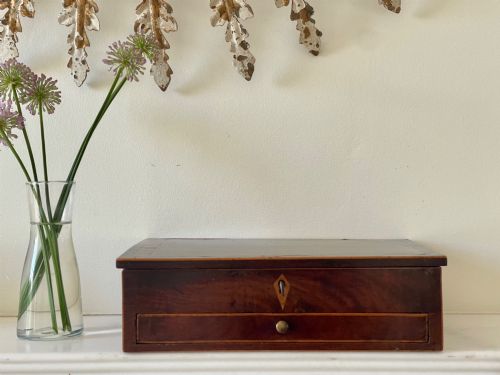
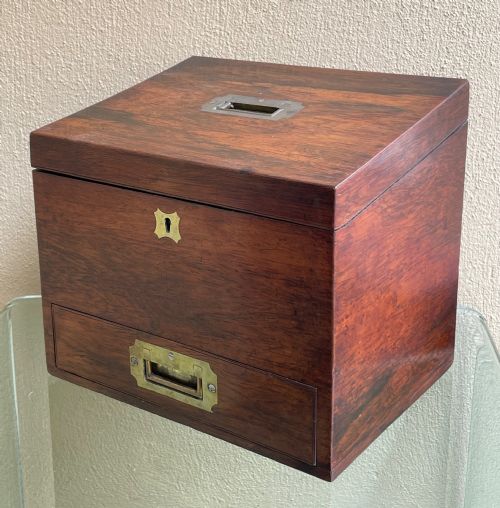
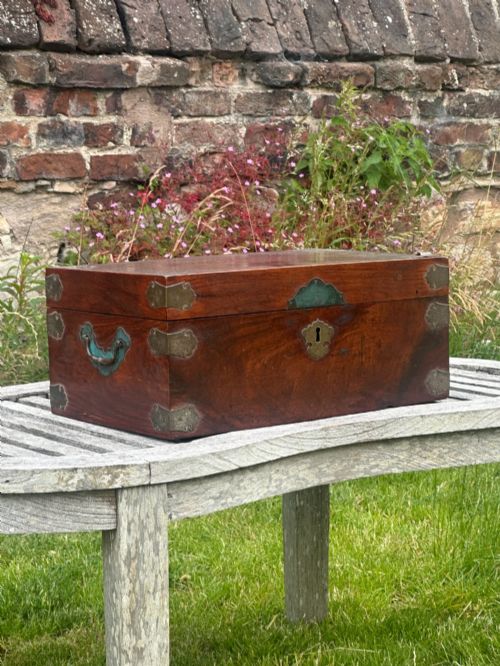
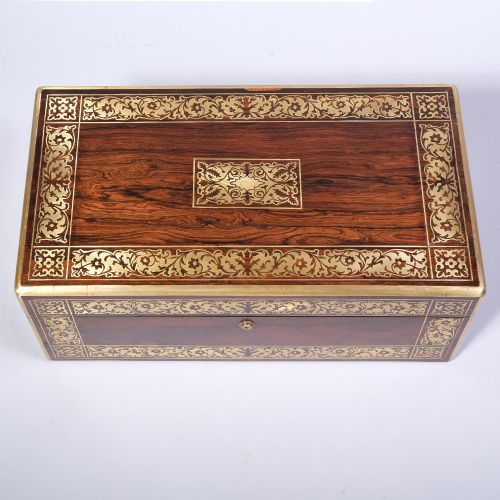
Wooden Writing Slope Box
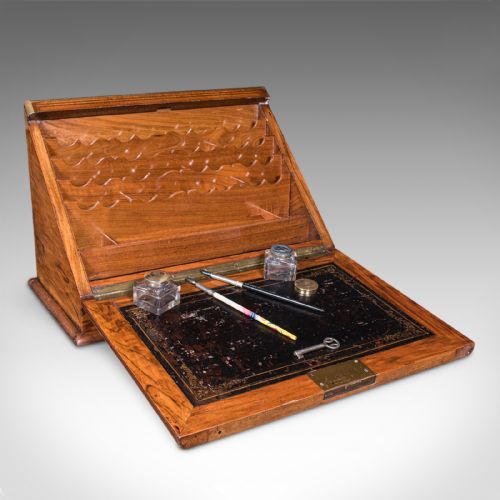
A wooden writing slope box is a portable desk designed for correspondence, housing ink, paper and valuables in a hinged cabinet.
Wooden Writing Slope Box
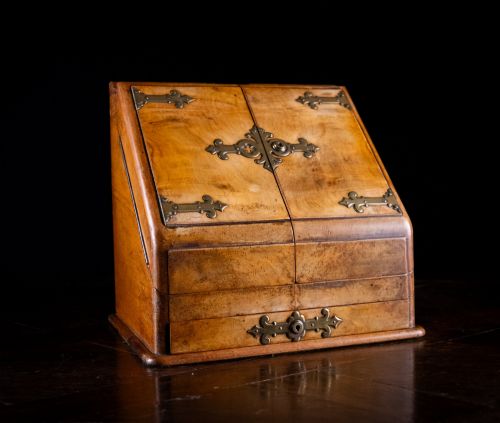
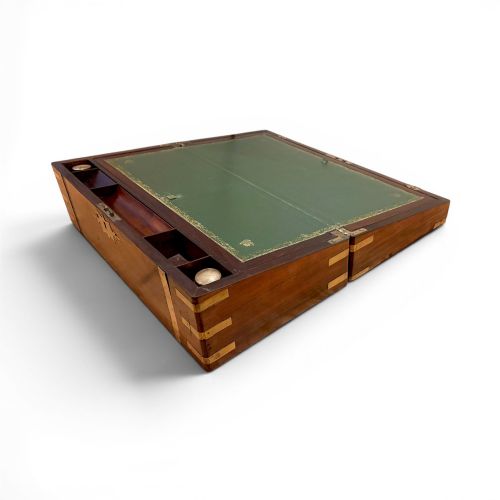
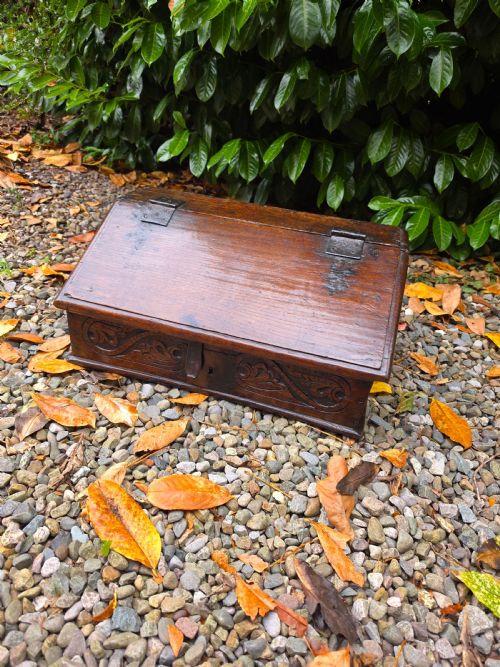
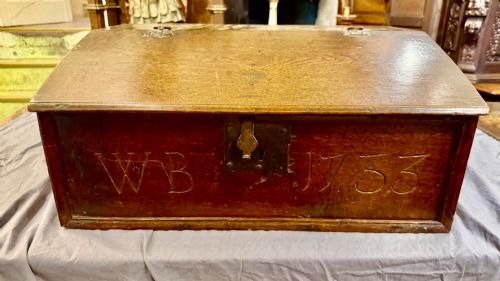
A wooden writing slope box serves as a portable desk for correspondence, opening to reveal a slanted writing surface and fitted interior compartments for ink and paper. When buyers search for a wooden writing slope box, they encounter variations spanning the Georgian, Regency and Victorian periods, along with earlier seventeenth-century oak bible and desk boxes.
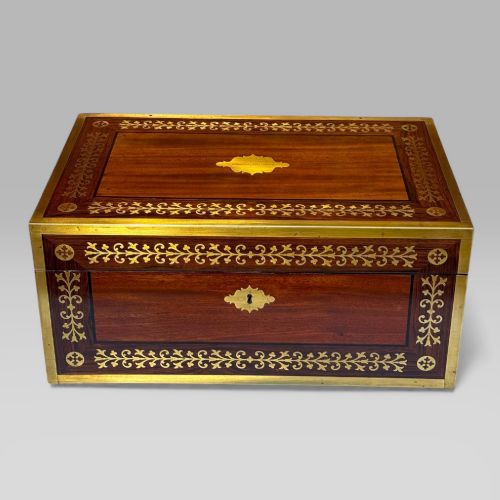
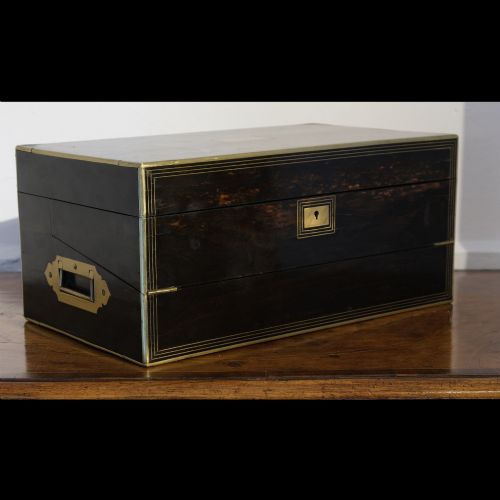
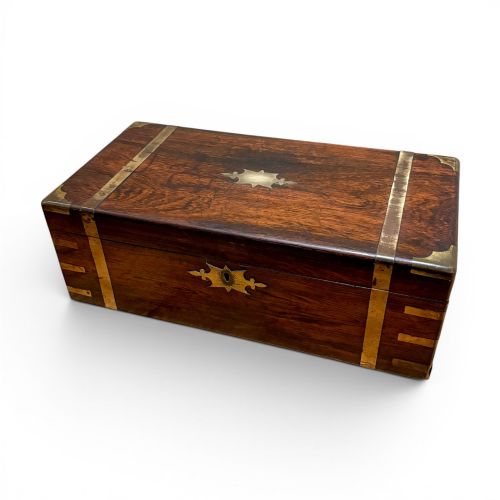
The pieces appearing on this page include mahogany, rosewood and walnut examples, often featuring brass binding and inlay characteristic of campaign styles used during travel. Cabinet forms range from stationery cases and correspondence boxes to larger slope desks with secret compartments and working keys.
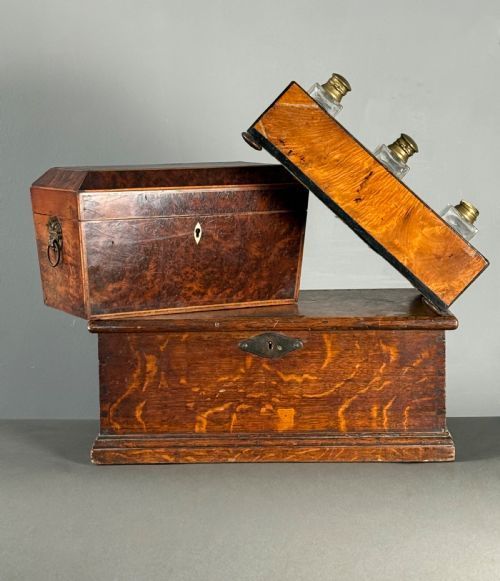
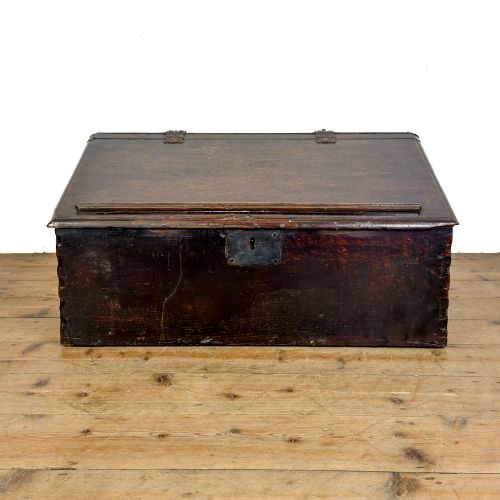
Earlier iterations take the form of heavy oak bible boxes from the seventeenth and eighteenth centuries, while later nineteenth-century examples utilise exotic woods such as camphor, coromandel and padouk. Anglo-Indian, Chinese huanghuali and French walnut pieces also feature alongside British domestic production.
How They Were Made
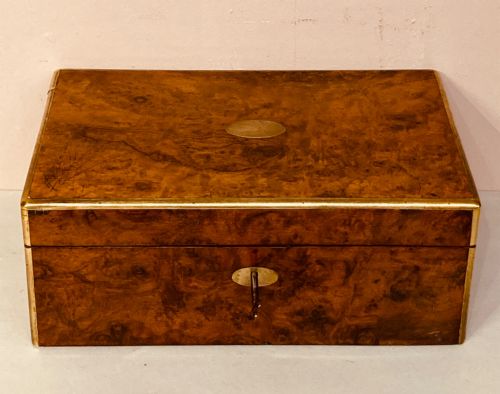
Cabinet makers constructed these boxes using dense hardwoods including mahogany, oak, rosewood and walnut, frequently selecting figured veneers like burr walnut and flame mahogany for exterior surfaces. Secondary timbers lined the interior compartments and secret drawers, while structural joints relied on precision carpentry suited to daily use and travel.
Metalwork played a structural and decorative role, with brass corner plates, strapwork and flush carrying handles reinforcing the corners of campaign boxes designed for mobility. Inlays of brass, mother-of-pearl and bone decorated the lids and escutcheons, accompanied by working brass locks and keys securing the fitted interiors.
Wooden Writing Slope Box Retail Price Guide 2026
Typical asking prices for wooden writing slope box among the pieces listed under this phrase on Sellingantiques today, from the lower quarter to the upper quarter. They describe what is for sale here now, not the wider market.
Some nineteenth-century writing slopes incorporate hidden spring releases that reward the curious owner by popping open secret drawers when pressed.
What Varies in Quality
Quality rests upon the selection of timber veneers, the precision of brass inlay and the integrity of the internal fittings such as secret drawers, pen trays and inkwell housings. Superior examples exhibit finely figured grain, substantial brass hardware and tight joinery that maintains structural alignment across the hinged writing flaps.
The presence of original fitted interiors, working locks with keys and specialised compartments for correspondence or stationery distinguishes finer boxes from utilitarian pieces. Regional and materials variation, such as campaign brass binding or marquetry details like Tunbridge ware, introduces distinct tiers of craftsmanship within the cabinet-making tradition.
The Wooden Writing Slope Box Glossary
- Writing slope
- A portable desk box featuring a hinged lid that opens at an angle to form a writing surface. These boxes typically contain partitioned spaces for inkwells, pens and paper.
- Campaign box
- A piece of furniture or a box reinforced with brass corners, straps and flush handles, built for transport during military or travel campaigns. These boxes utilise durable timbers like mahogany and camphor.
- Secret compartment
- A concealed drawer or hidden space accessed by removing a partition or releasing a hidden spring mechanism within the box. These spaces secured currency, jewellery and private letters.
- Bible box
- An early oak box with a sloping lid, originally designed to hold religious texts and documents in seventeenth and eighteenth-century households. These represent the heavy timber precursors to later writing slopes.
- Escutcheon
- A protective brass plate surrounding a keyhole on the lid or front of a box. This hardware prevents the wood from splitting around the lock.
Wooden Writing Slope Box: Frequently Asked Questions
What is a wooden writing slope box used for?
These boxes served as portable writing desks for composing letters while travelling or managing household correspondence. The hinged lid opened to provide an inclined writing surface lined with leather or velvet.
Inside, dedicated compartments held inkwells, blotting paper, pens and wax seals. Secret drawers and hidden spaces provided security for valuables and personal documents.
How do I tell a Georgian box from a Victorian one?
Georgian boxes tend to feature simpler lines, rich flame mahogany or rosewood veneers, and understated brass escutcheons without heavy corner mounts. The interiors often showcase clean joinery and smaller secret compartments.
Victorian examples frequently incorporate heavier campaign-style brass binding, flush carrying handles and more elaborate fitted interiors with compartments for stationery and visiting cards. Woods like burr walnut, coromandel and rosewood predominate in the later nineteenth century.
Did these boxes travel with the military?
Campaign boxes were specifically constructed for officers and travellers on the move, featuring robust brass reinforcement to withstand rough transport. Recessed carrying handles and flush brass corners prevented snagging during packing.
These pieces utilised dense timbers like mahogany, camphor wood or padouk to resist humidity and physical impact during journeys.
What are secret compartments?
Secret compartments are hidden drawers or concealed spaces built behind removable partitions within the interior layout of the box. Cabinet makers designed them to protect private correspondence, currency and jewellery from casual discovery.
Accessing these spaces often requires sliding a specific divider, lifting a false floor or releasing a concealed wooden spring latch.
How should I care for a wooden writing slope box?
Keep the wood conditioned with appropriate furniture wax to prevent the veneers from drying out or splitting. Avoid placing the box near direct heat sources or in areas with fluctuating humidity.
Protect the leather or velvet writing surface from moisture and ink spills, and handle the brass hinges and working locks with care.