




Irish Georgian Silver
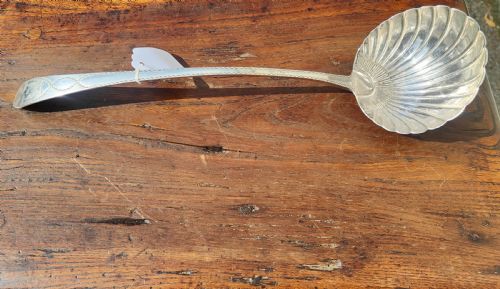
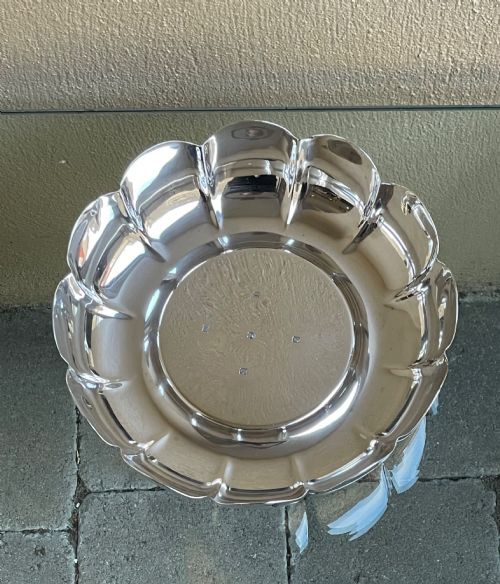
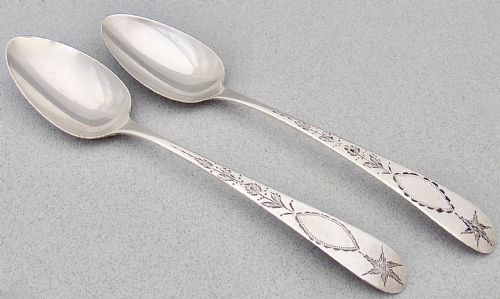
Irish georgian silver brings together heavy provincial forms, distinctive crested spoons and chased bowls rooted in eighteenth-century Dublin workshops.
Irish Georgian Silver
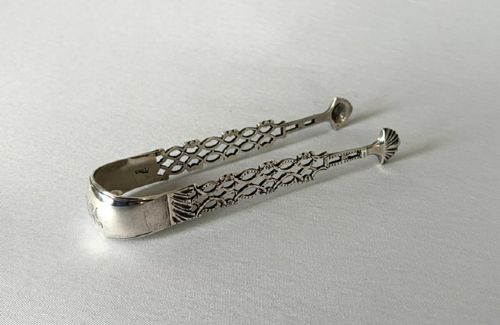
When collecting irish georgian silver, the buyer encounters domestic hollowware, flatware, and serving pieces spanning the reigns of the Georges.
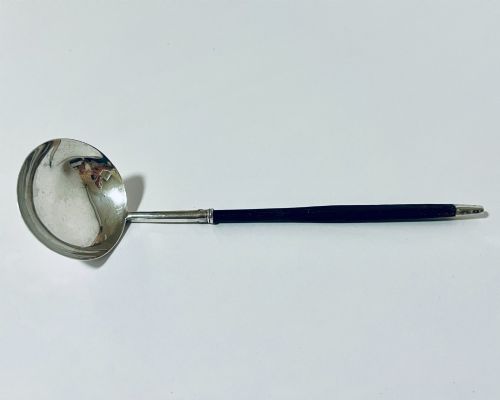
The objects appearing in these records range from marrow scoops and caddy spoons to large punch ladles, helmet cream jugs, and salvers.
Provincial pieces from makers in Cork sit alongside Dublin hallmarked items, offering a clear view of eighteenth-century craftsmanship.
Materials and Techniques
Silversmiths worked primarily in sterling silver, hammering and casting metal into substantial bowls, platters, and cutlery.
Chasing and engraving techniques decorated surfaces with floral motifs and family crests, while specialist pieces incorporated pewter or wood where appropriate.
Irish Georgian Silver Retail Price Guide 2026
Typical asking prices for irish georgian silver among the pieces listed under this phrase on Sellingantiques today, from the lower quarter to the upper quarter. They describe what is for sale here now, not the wider market.
A flintlock pistol with a silver-mounted walnut stock proves that eighteenth-century Irish metalworkers applied their craft well beyond the dining table.
Evaluating Pieces
The standard of a piece rests on the crispness of the Dublin hallmarks, the depth of the chasing, and the survival of original heraldic crests.
Substantial weight in hand and balanced proportions distinguish utilitarian flatware and large hollowware from lesser examples.
John Pittar·John Craig·Edward Power·Robert Breading·John Locker·Michael Smith·William Bond·J Keating·Thomas Sutton·John Hillery MacNamara·Ambrose Boxwell·James Scott·William Ward·Robert W Smith·Samuel Neville
The Irish Georgian Silver Glossary
- Hallmark
- Official stamps struck into precious metals to guarantee standard and origin. Dublin smiths applied specific city marks alongside maker initials.
- Caddy spoon
- A short-handled spoon designed for measuring loose tea leaves into a caddy. These frequently feature fiddle or old english patterns.
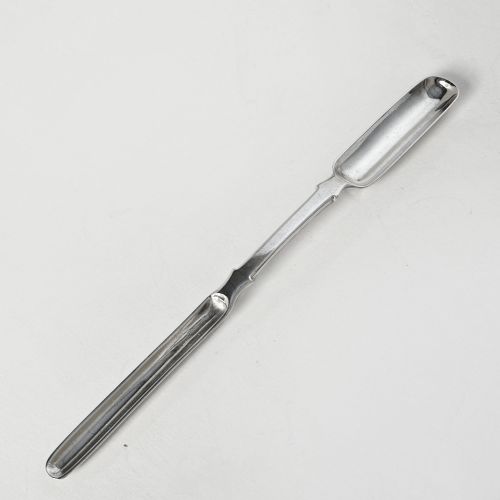
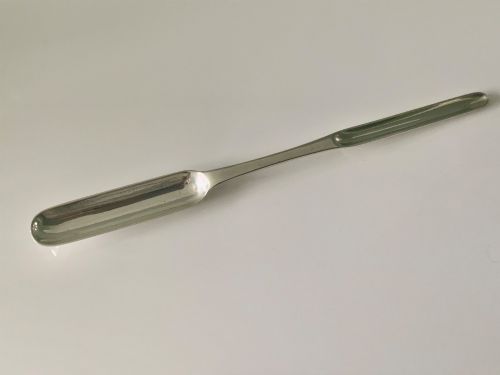
- Marrow scoop
- A narrow, double-ended utensil used for extracting marrow from bones. Georgian examples often bear provincial Irish marks.
- Potato ring
- A pierced, spool-shaped stand placed on the dining table to support a heavy dish. These rank among the larger domestic silver forms.
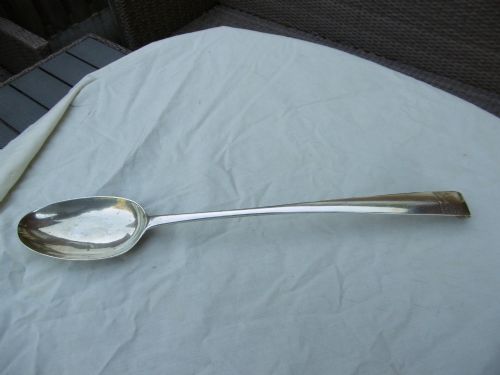
- Basting spoon
- A large spoon utilised for spooning juices over roasting meat. Dublin makers produced substantial specimens with hook ends.
Irish Georgian Silver: Frequently Asked Questions
How do I identify Dublin hallmarks?
Dublin silver carries specific date letters, maker stamps, and the Hibernia mark indicating Irish assay. These punches allow collectors to date pieces accurately.
Examining the metal under magnification helps verify that the stamps are contemporary to the object rather than later additions.
What were marrow scoops used for?
Marrow scoops served at the eighteenth-century dining table to extract bone marrow for spreading on toast or adding to dishes. Their elongated, double-ended bowls accommodated different bone sizes.
This specialised utility makes them distinct survivors among domestic dining silver.
How should I clean silver?
Silver requires gentle washing with warm soapy water and a soft cloth to remove everyday tarnish and dust. Aggressive dipping or abrasive polishes wear away crisp hand-engraving and heraldic crests over time.
Storing pieces in tarnish-resistant wraps preserves the finish between uses.
What is a potato ring?
A potato ring is a spool-shaped, pierced stand placed centrally on the dining table to elevate hot bowls or dishes. They emerged during the eighteenth century as decorative table furniture.
Their openwork frames often incorporate scrolling foliage and chased motifs.