
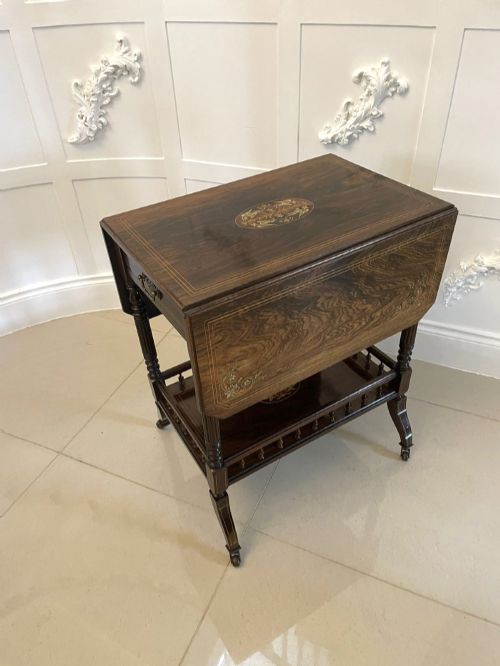
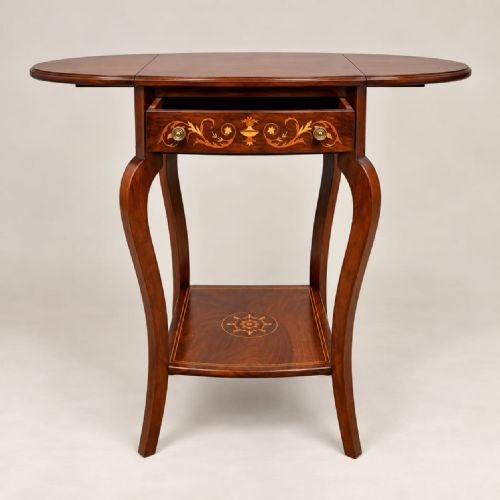


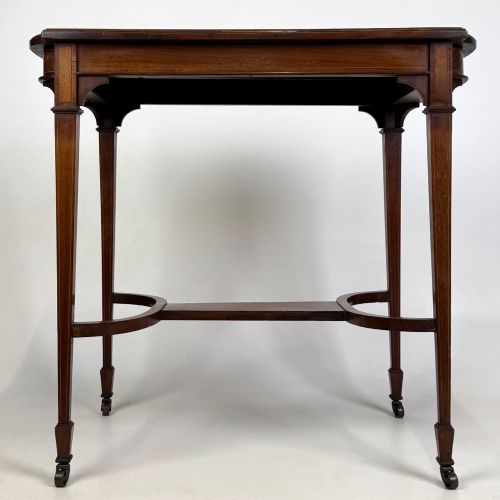
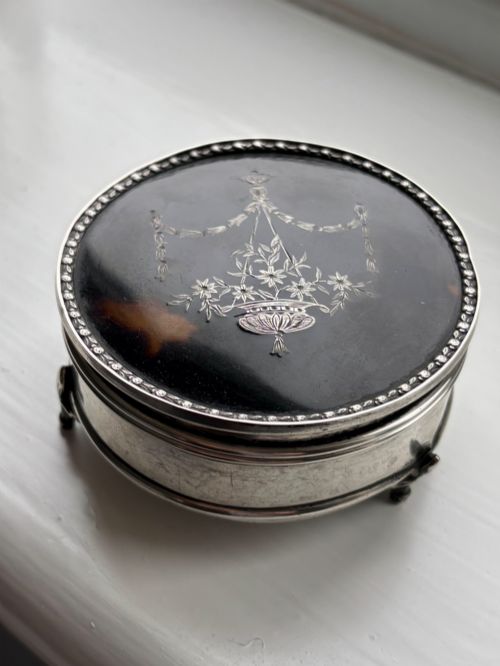
Inlaid Work Table
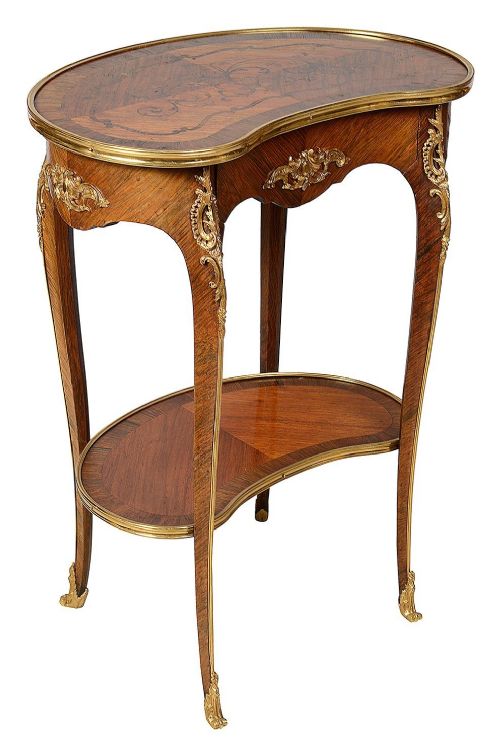
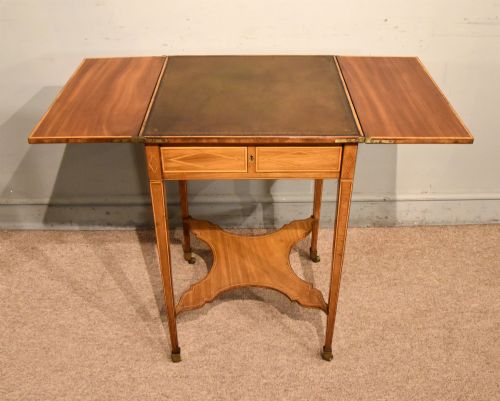
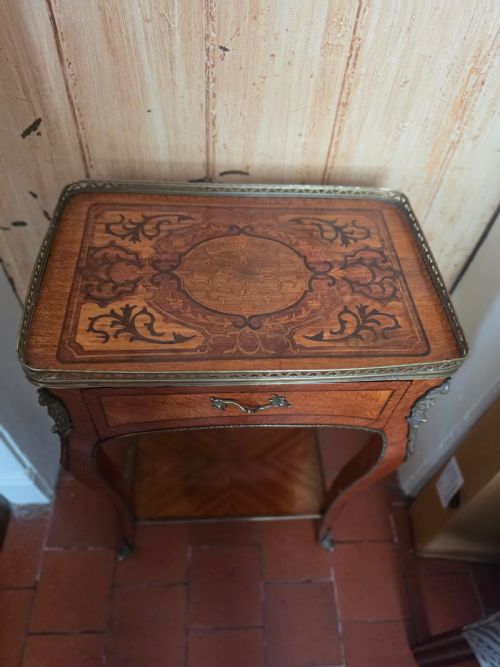
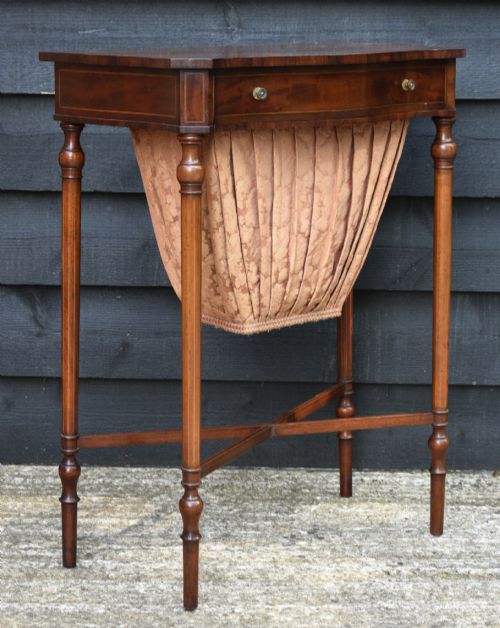
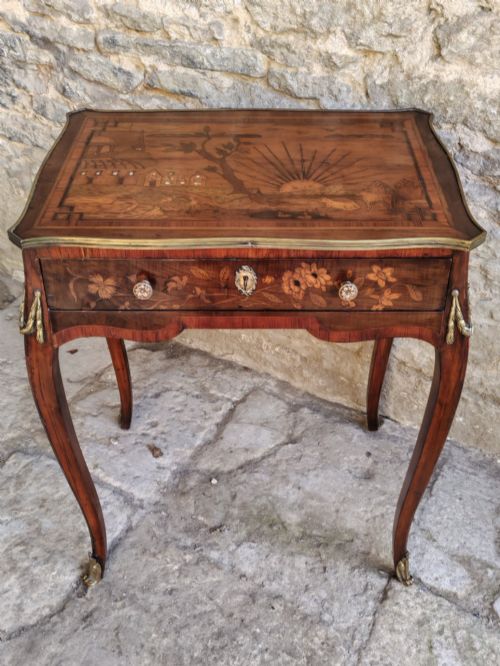
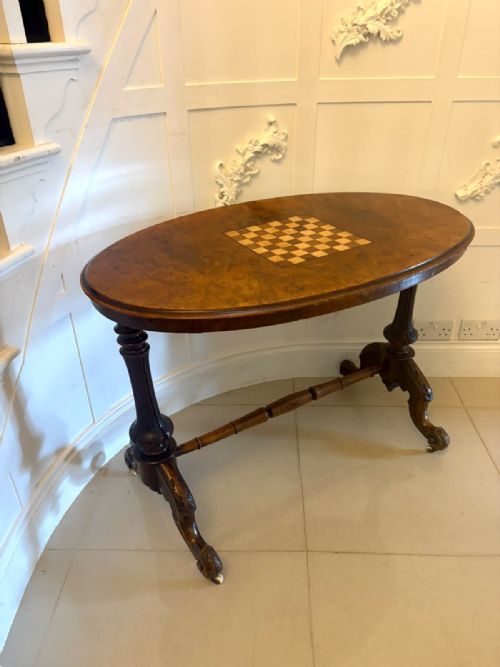
When you search for an inlaid work table, you encounter nineteenth-century occasional pieces built to hold sewing gear, letters, or games.
Inlaid Work Table
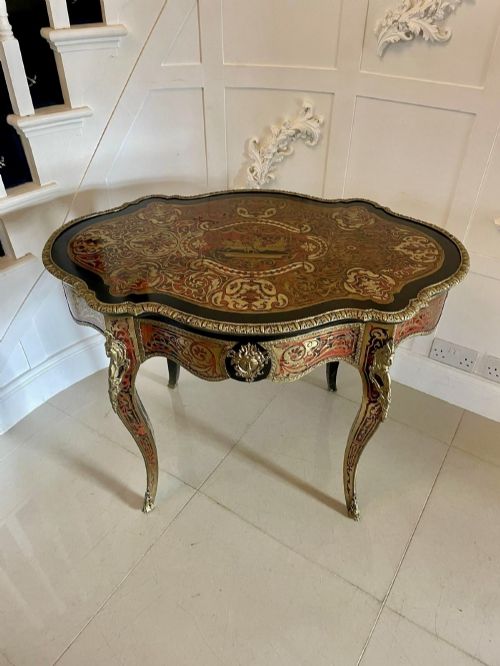
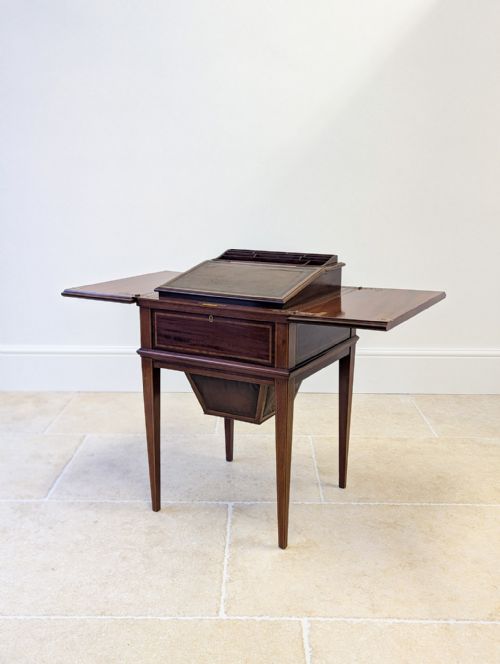
An inlaid work table serves multiple functions, frequently combining a sewing compartment, a games board, and a writing surface within a compact footprint. Buyers inspecting this page meet numerous Victorian burr walnut examples alongside Edwardian mahogany pieces and earlier Georgian designs.
The domestic interior of the nineteenth century relied on these versatile items for needlework and leisure. Many feature hinged tops that conceal fitted interiors, silk baskets, or specialised compartments for wool and bobbins.
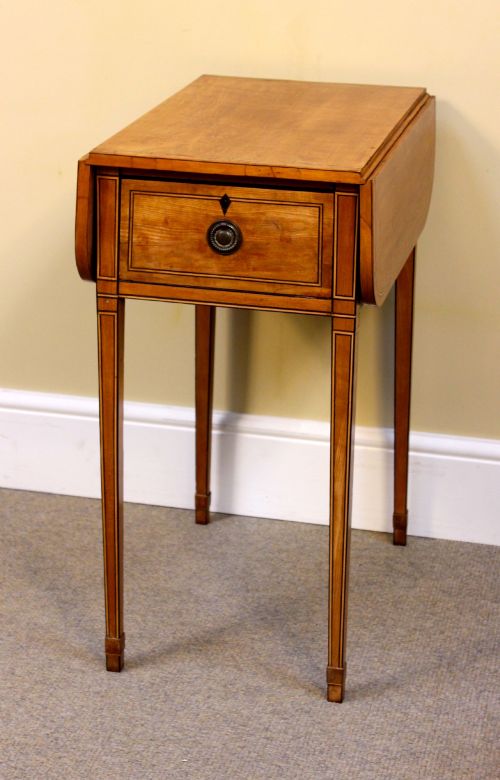
Origins span English workshops, French marquetry ateliers, and Italian craft centres, utilising forms from trumpet-shaped pedestals to Pembroke and drop-leaf tables.
Materials and Construction Methods
Cabinetmakers constructed carcass frames in mahogany, rosewood, walnut, and satinwood, applying finely sliced veneers of burr walnut, kingwood, or harewood to the primary surfaces.
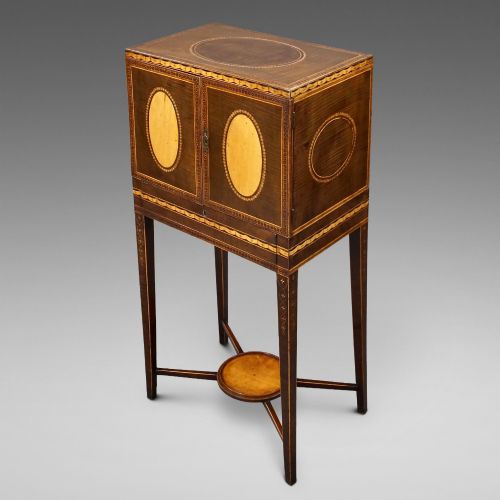
Decoration relied on contrasting woods, boxwood stringing, brass wire, and mother-of-pearl to create floral marquetry, geometric parquetry, or classical neoclassical motifs.
Internal compartments required precise joinery, utilising secondary timbers like pine or oak for drawers, sliding trays, and partitioned wells.
Some tables hide tiny velvet-lined compartments so secret that previous owners left nineteenth-century pins inside.
Distinctions in Execution and Materials
Superior examples display crispness in the cutting of the inlay, where different timbers fit together without excessive filler or widening gaps in the surrounding veneer.
The choice of primary timber and figuring dictates the visual weight, with select burr walnut or figured rosewood commanding greater respect among makers and collectors.
Internal engineering marks the grade of the piece, from simple open wells to fully fitted stationery trays, operable lock mechanisms, and pleated silk work bags.
Ralph Turnbull·Millet·Ollivant & Botsford·Asprey & Co.
The Inlaid Work Table Glossary
- Marquetry
- A decorative technique where small pieces of veneer are assembled into pictorial or geometric patterns on a wooden ground.
- Parquetry
- Geometric mosaic woodwork forming repeating patterns like cubes or herringbone across a table top.
- Trumpet table
- A nineteenth-century form featuring an octagonal or circular body widening towards the base above a carved pillar and tripod feet.
- Stringing
- Thin lines of contrasting timber inlaid into grooves around the edges of drawers, tops, and legs.
- Satinwood
- A lustrous, hard timber native to Ceylon and the West Indies, utilised extensively in late eighteenth and Edwardian pieces for its pale yellow grain.
Inlaid Work Table: Frequently Asked Questions
What is an inlaid work table?
An inlaid work table is a small nineteenth-century or earlier piece of furniture designed specifically for needlework, sewing, and leisure pursuits. These tables typically include built-in storage compartments, drawers, or fabric baskets beneath the top.
Cabinetmakers embellished the exteriors of these functional items with decorative wood veneers, brass stringing, and floral marquetry to suit formal drawing rooms and parlours.
How were these tables used historically?
Gentlewomen utilised these tables to organise sewing supplies, threads, needles, and ongoing needlework projects near seating areas. Many designs incorporate dual-purpose tops that reverse or fold open to reveal chess or backgammon boards.
When not utilised for crafts, the flat surfaces served as lamp tables or occasional stands for holding books and writing materials.
How do I distinguish a Victorian table from a Georgian one?
Georgian tables from the late eighteenth century tend to feature straight tapered legs, satinwood or mahogany veneers, and restrained neoclassical stringing patterns. The proportions remain slender and linear.
Victorian examples frequently showcase heavier timber choices like burr walnut and rosewood, often incorporating trumpet pedestals, carved cabriole supports, and intricate foliate marquetry.
How do I care for an antique inlaid table?
Maintain these pieces in rooms with stable humidity levels, away from direct sunlight and modern heating vents to prevent veneer lifting and timber shrinkage. Dust regularly with a dry cloth and apply occasional wax polish suited to antique wood.
Avoid placing damp items or unshielded hot drinks directly on the polished surfaces to protect the delicate nineteenth-century finishes and French polish.