




Brown Rosewood Work Table
A brown rosewood work table combines practical compartments with rich timber, offering a refined spot for needlework and small tasks.
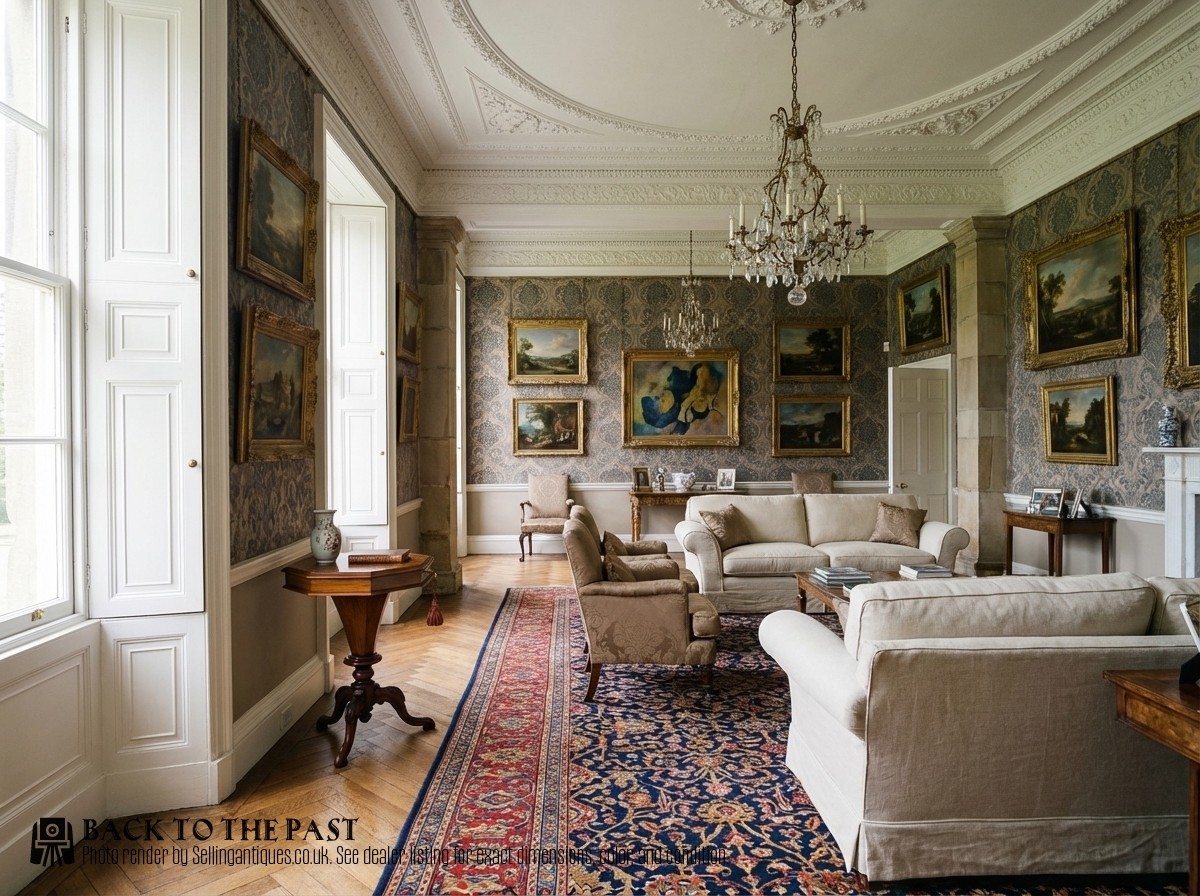
Brown Rosewood Work Table
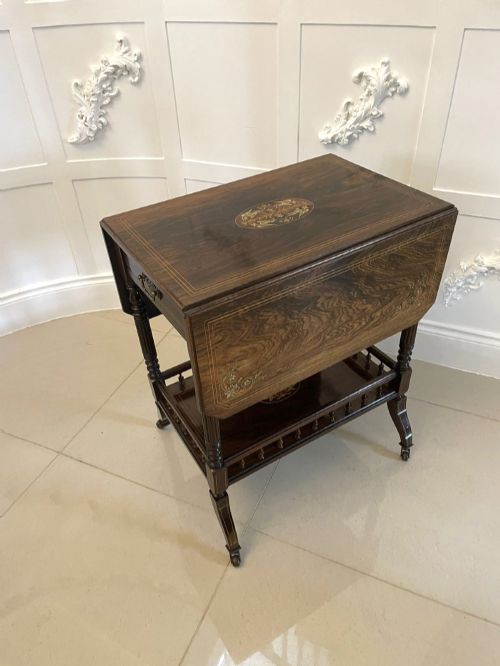
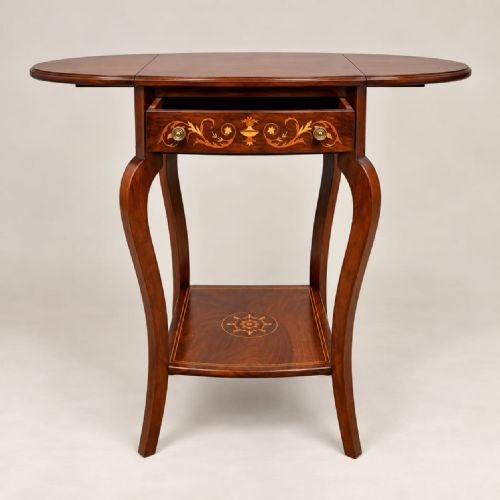
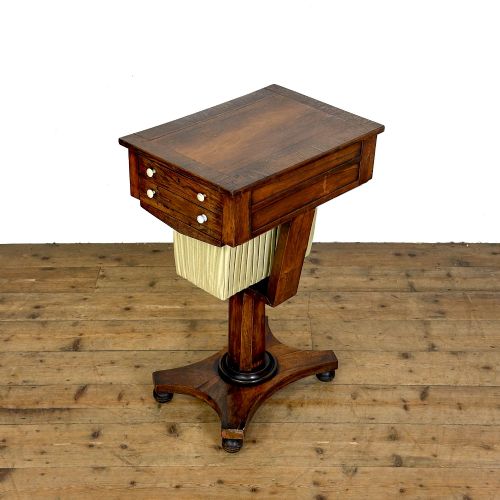
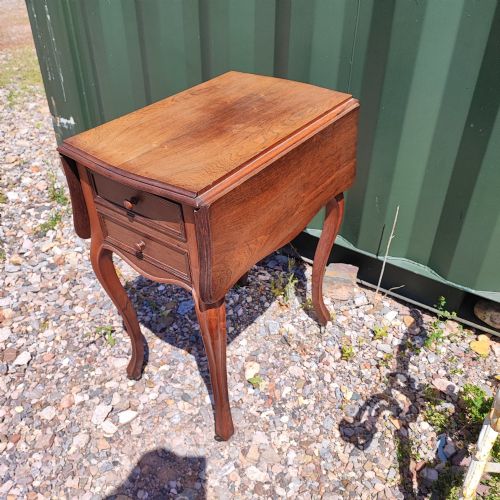
A brown rosewood work table is fundamentally a multi-functional piece of furniture designed for sewing, writing and light domestic tasks. When searching for this phrase, buyers encounter forms that span the Regency, William IV and Victorian periods, often featuring drop leaves or fitted internal compartments. These tables served as versatile companions in nineteenth century drawing rooms and boudoirs.
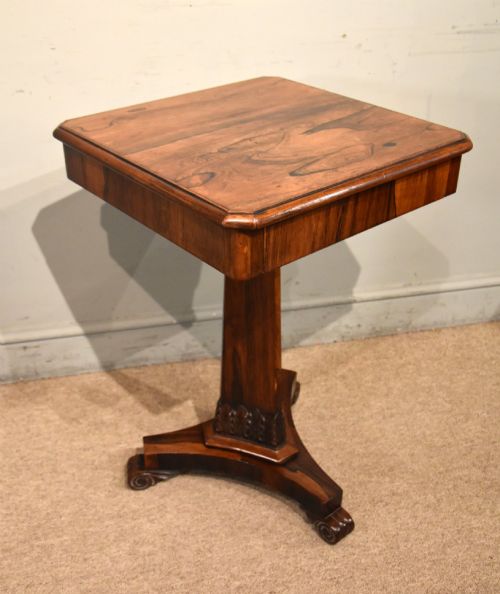
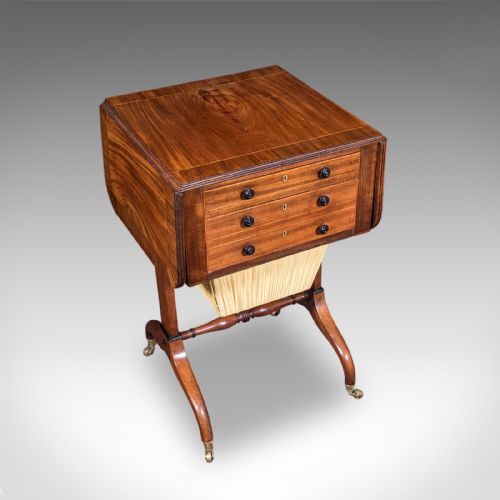
The most common versions on this page are drop leaf sewing tables and rectangular occasional pieces dating from the nineteenth century. Many incorporate fitted drawers, silk bags or internal trays intended to hold threads and implements. Their compact proportions make them suitable for modern living spaces as side or lamp tables.
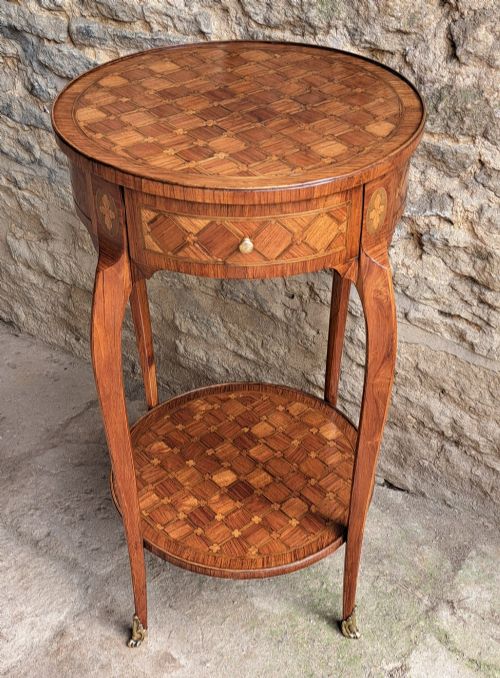
Origins range across English workshops, notably attributed to makers such as Gillows, alongside French provincial examples from the Napoleon III era. Materials extend beyond rosewood to include satinwood, kingwood and inlaid specimen woods. The unifying element remains the rich, dark grain of the primary timber.
Materials and Construction
Construction relies heavily on solid rosewood and matched veneers applied to secondary hardwoods like mahogany. Cabinetmakers utilised brass for castors, hinges and locks, while marquetry and parquetry incorporate lighter timbers such as satinwood and kingwood for decorative banding. Fabric, leather and gilt bronze appear in fitted interiors and writing surfaces.
Joinery methods of the nineteenth century ensure stability in relatively slender frames, particularly in drop leaf and folding mechanisms. Inlaid specimens demonstrate precise hand-cut marquetry and contrasting stringing. Surface finishes were traditionally hand-polished to highlight the deep brown tones and varied grain patterns of the rosewood.
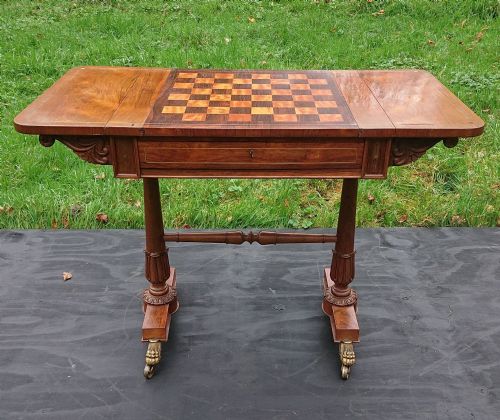
Some tables include hidden chess and backgammon boards for impromptu parlour matches between stitching sessions.
Assessing Quality and Execution
Quality in a brown rosewood work table rests on the crispness of the cabinetwork and the selection of the timber figures. Superior examples display closely matched veneers with rich grain movement across the top and drawer fronts. Inferior pieces may show careless timber selection or clumsy repairs to delicate drop leaf supports.
The sophistication of the interior fittings marks the distinction between standard production and high workshop output. Well-executed compartments, original brass hardware and subtle marquetry inlay elevate a piece significantly. Structural integrity in the hinged leaves and sliding bags remains essential for daily use.
Gillows of Lancaster
The Brown Rosewood Work Table Glossary
- Drop leaf table
- A table with hinged flaps on the sides that can be raised to extend the surface area or lowered when space is limited. This feature provides flexibility in smaller rooms.
- Marquetry
- Decorative patterns formed by inserting pieces of coloured wood, veneer or other materials into a solid wooden background. It often creates floral or geometric motifs on tabletops.
- Parquetry
- A geometric mosaic of wood pieces used for decorative floors and tabletops. It differs from marquetry through its strictly angular designs.
- Specimen wood top
- A tabletop composed of numerous small samples of different timbers arranged in a decorative pattern. These showcase the variety of exotic woods available to nineteenth century cabinetmakers.
- Work box
- A small chest or compartment designed to hold sewing tools, threads and needles. In these tables, it is often integrated into a drawer or a hanging fabric bag.
Brown Rosewood Work Table: Frequently Asked Questions
What was a work table used for?
A work table served as a multi-purpose piece for domestic needlework, correspondence and light reading. Ladies utilised the internal compartments and hanging bags to store sewing implements, threads and writing materials.
Over time, these tables transitioned into versatile occasional pieces placed beside seating. Their concealed storage made them practical for keeping small personal items tidy within the principal rooms of a house.
How do I date a rosewood table?
Dating relies on stylistic markers, construction methods and the prevailing aesthetic of the period. Regency and William IV pieces tend to feature bolder classical proportions, brass inlay and robust pillar supports, while Victorian examples often introduce more intricate turning or lighter inlay.
Examining secondary timbers inside drawers and the style of the brass hardware provides further chronological clues. Cabinetmakers altered their structural techniques across the nineteenth century, moving from hand-cut dovetails to more mechanised production towards the eighteen-nineties.
Are these tables suitable for daily use?
These tables adapt well to modern living as lamp tables, bedside stands or compact desks. Their original design as functional furniture means they possess practical drawers and surfaces for contemporary items.
Care should be taken to protect the rosewood surface from excessive moisture and direct heat. Regular polishing maintains the finish and safeguards the delicate veneers from drying out.
How do I distinguish Regency from Victorian examples?
Regency tables generally display restraint, clean architectural lines and classical brass mounts inspired by antiquity. The timber is often dark rosewood with minimal, precise brass stringing or inlay.
Victorian versions frequently embrace revival styles, heavier turned pedestals and more elaborate marquetry or parquetry. They may also incorporate softer secondary woods and varied edge profiles reflecting changing industrial capabilities.