


Inlaid Wooden Tallboy
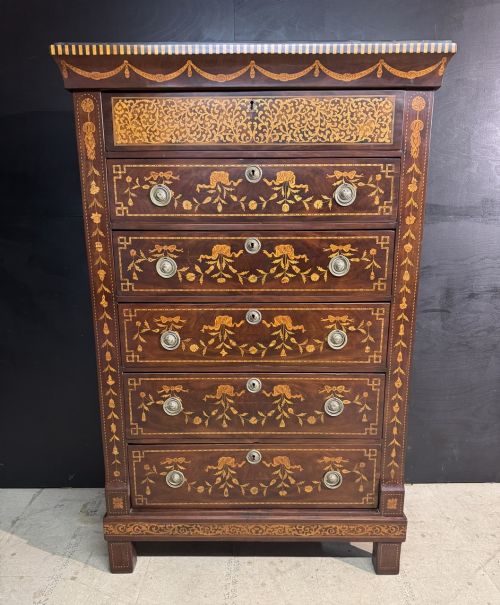
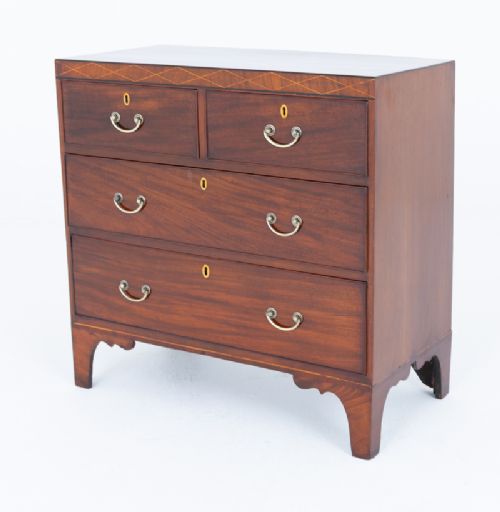
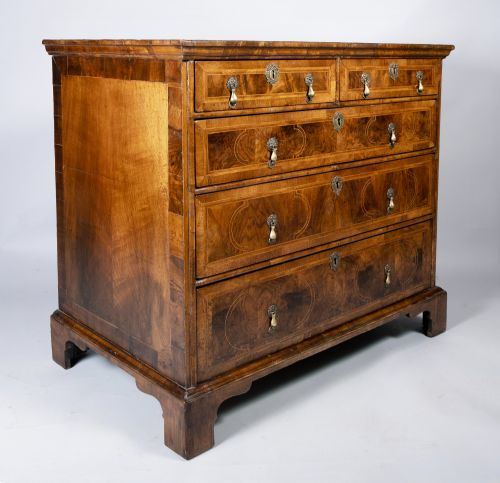
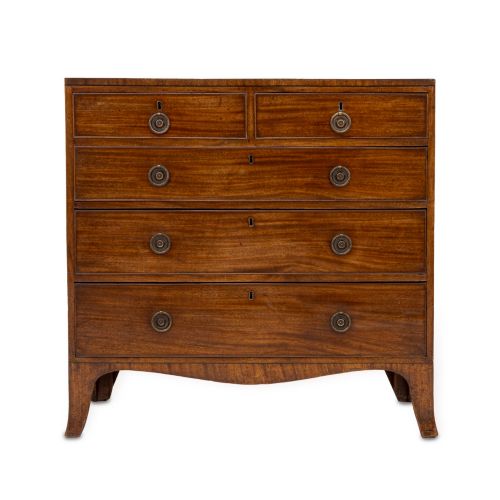
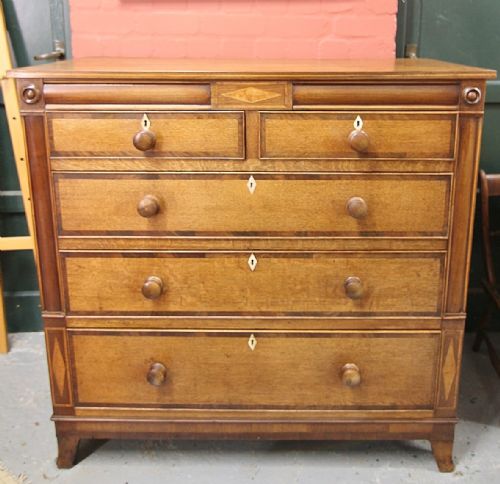
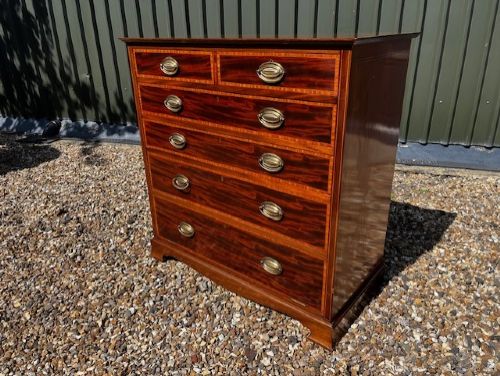
An inlaid wooden tallboy provides substantial vertical storage while displaying intricate decorative banding across period mahogany, walnut, and oak.
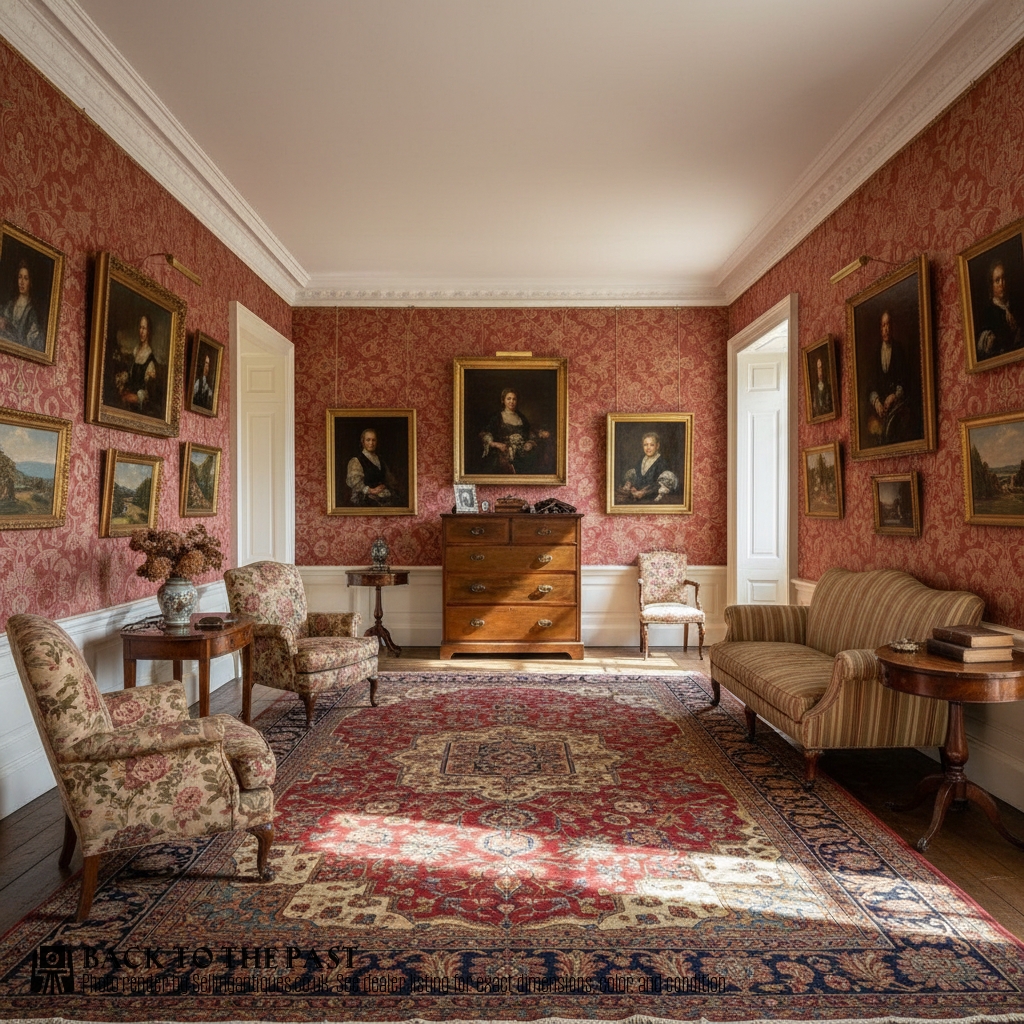
Inlaid Wooden Tallboy
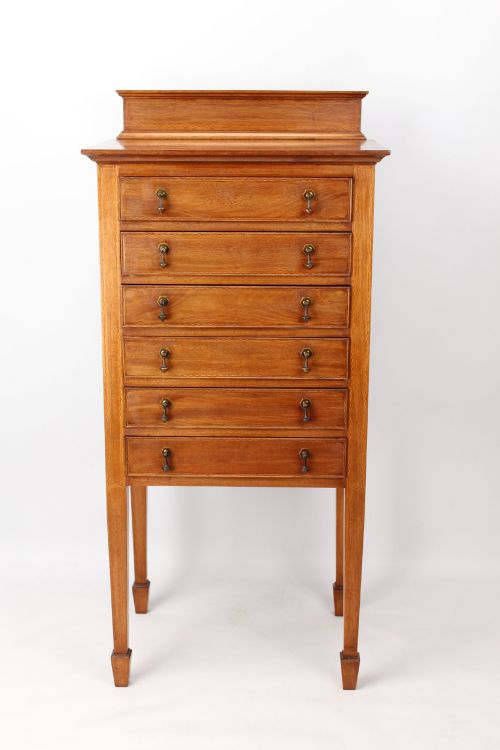
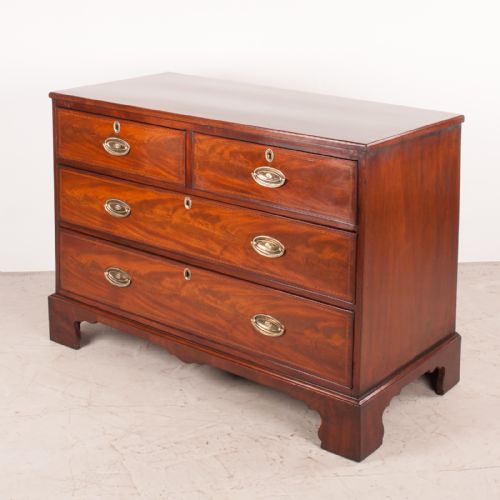
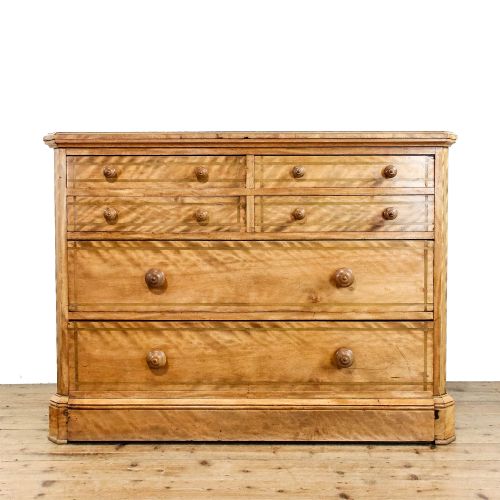
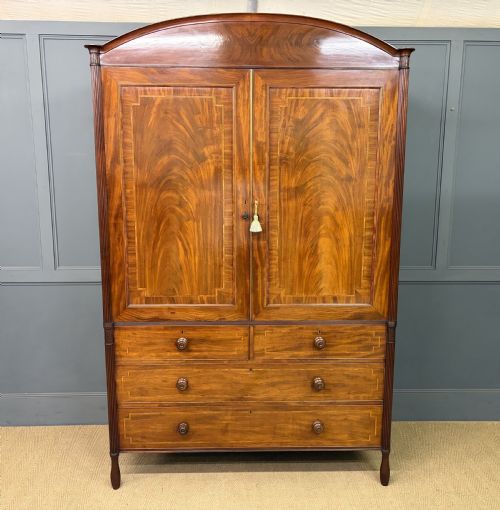
An inlaid wooden tallboy is a high-standing storage chest, often found as a chest of drawers or a linen press dating from the Georgian, Victorian, and Edwardian periods. Buyers encounter pieces spanning the 18th century through to the early 20th century, incorporating styles from William and Mary to Edwardian revivals.
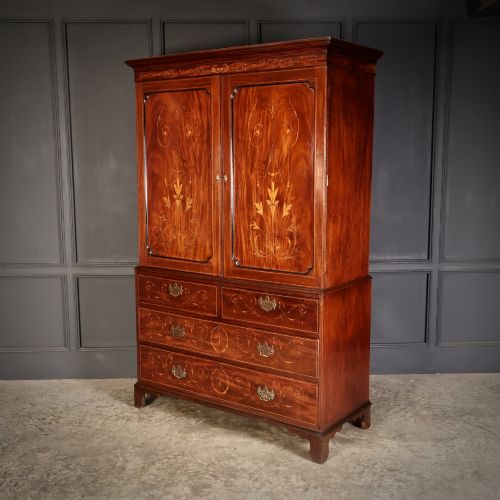
The primary forms include tall chests of drawers and taller linen presses combining cupboards with lower drawers. Materials range from substantial oak and walnut of the earlier periods to lighter mahogany, satinwood, and kingwood associated with later Georgian and Regency designs.
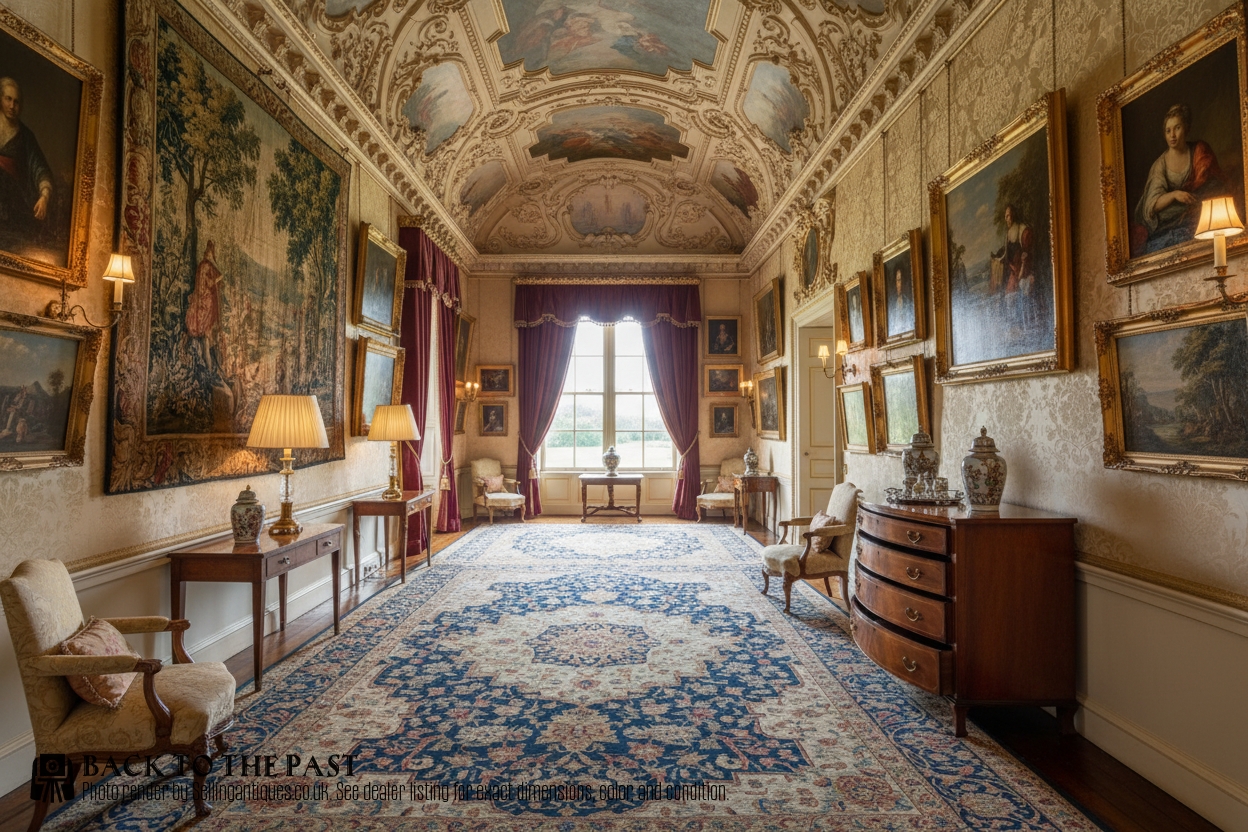
Materials and construction methods
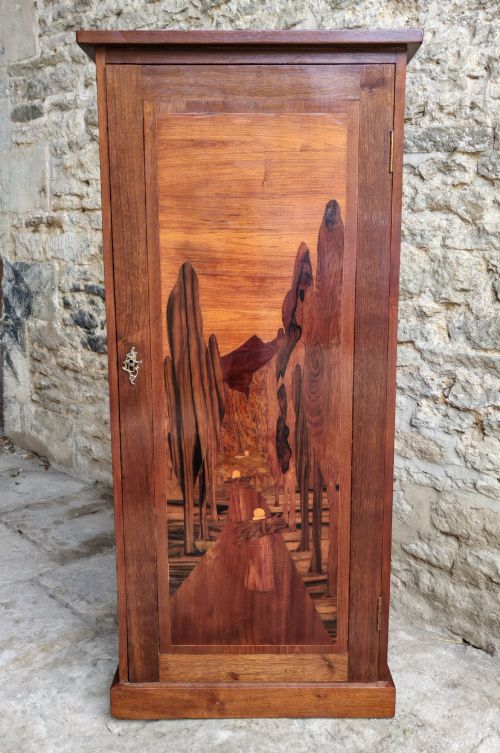
Cabinet makers utilised primary timbers such as mahogany, walnut, and oak for carcass construction, applying decorative veneers and solid boards. Surface enrichment relied on contrasting timbers including boxwood, satinwood, and fruitwood to create fine line inlay, crossbanding, and marquetry details.
The integration of brass handles, escutcheons, and secret drawers complements the cabinet work. Wood preparation involved careful sawing and seasoning to prevent warping across tall proportions.
Observed timber varieties include mahogany, walnut, oak, satinwood, kingwood, boxwood, and fruitwood.
Distinguishing quality levels
The standard of an inlaid wooden tallboy depends on the precision of the cabinet work and the fidelity of the timber selection. Finer examples display meticulously fitted marquetry, tightly executed boxwood inlay, and well-figured mahogany or walnut veneers that wrap harmoniously around the carcass.
Proportion and execution of secondary details, such as caddy tops, serpentine fronts, and hand-cut drawer linings, separate standard utility pieces from higher-tier cabinet making. The crispness of edge banding and the integration of brass hardware indicate the original workshop tier.
Mawer and Stephenson
The Inlaid Wooden Tallboy Glossary
- Tallboy
- A tall chest of drawers, often constructed in two sections with a lower chest supporting an upper chest or cupboard. This form maximises vertical storage capacity while occupying a compact floor footprint.
- Marquetry
- The art of forming decorative patterns using thin veneers of different coloured woods applied to a carcass. Craftsmen cut intricate pictorial or geometric designs to ornament drawer fronts and top panels.
- Crossbanding
- A border veneer applied around the edges of a drawer front or top panel where the grain runs perpendicular to the central surface. This technique creates a distinct framing effect utilising contrasting timber tones.
- Caddy top
- A raised furniture top with moulded edges reminiscent of the lid of a tea caddy. This profile is frequently encountered on Georgian and Regency case pieces.
- Serpentine front
- A furniture front curving outward in the centre and inward at the sides. This flowing shape requires advanced woodworking skill to build and veneer accurately.
Inlaid Wooden Tallboy: Frequently Asked Questions
How do I identify a Georgian tallboy?
Georgian examples typically employ solid mahogany or walnut with restrained line inlay, bracket feet, and distinct proportions. The construction relies on traditional hand-cut dovetails and mature timber grain.
Later revival pieces often imitate these characteristics, but period pieces carry the natural wear and patination accumulated over centuries of use.
What is the difference between a tallboy and a linen press?
A tallboy consists primarily of stacked drawers designed for clothing storage. A linen press incorporates upper cabinet doors enclosing sliding shelves or hanging space above lower drawers.
Both forms offer significant vertical storage while presenting decorative inlaid surfaces.
Where should I place a tallboy in my home?
Because of their height, these pieces suit bedrooms, dressing rooms, or hallways where floor space is limited. Their vertical presence draws the eye upward while providing deep drawer storage.
Ensure placement avoids direct sunlight to protect sensitive mahogany and satinwood veneers from fading.
How do I care for antique inlaid wood?
Maintain stable humidity and temperature levels in the room to prevent timber splitting and veneer lifting. Regular dusting with a soft, dry cloth preserves the polished surface.
Avoid silicone-based sprays and apply traditional beeswax sparingly to nourish the wood.