






Neoclassical Inlaid Furniture
Neoclassical inlaid furniture brings together precise geometry and lighter woods, offering refined storage and display pieces for the home.
Neoclassical Inlaid Furniture
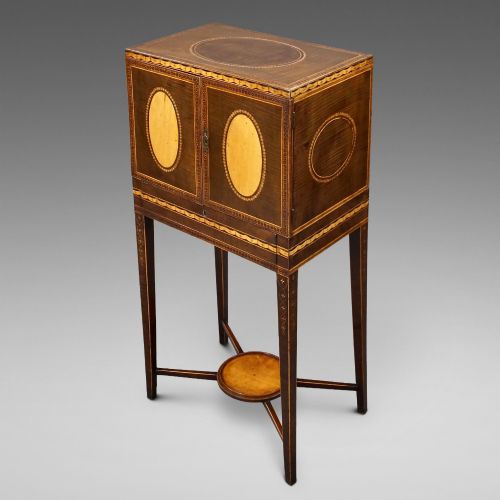
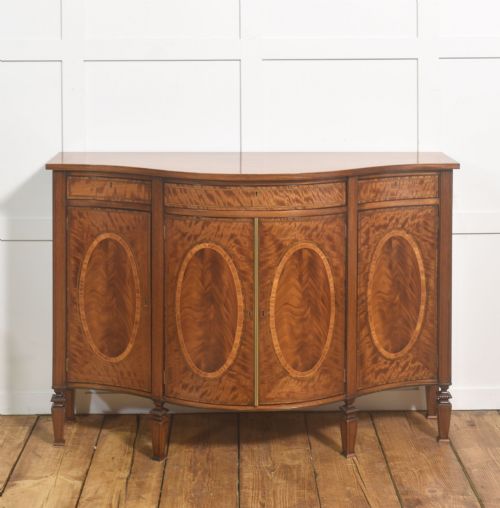
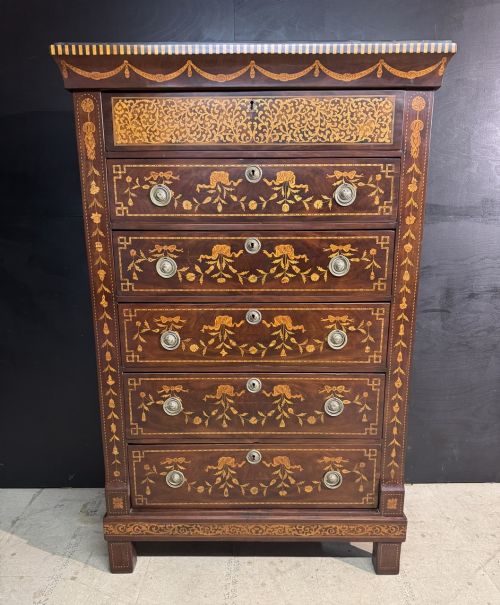
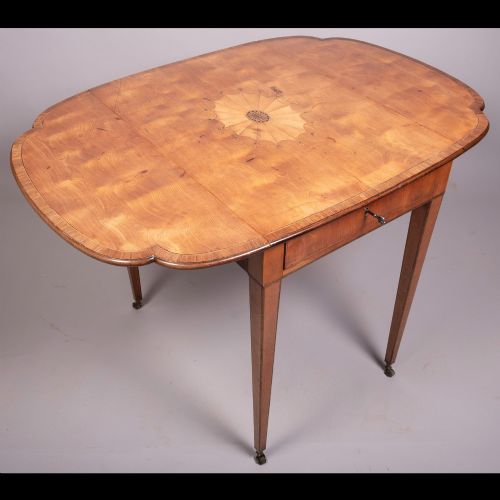
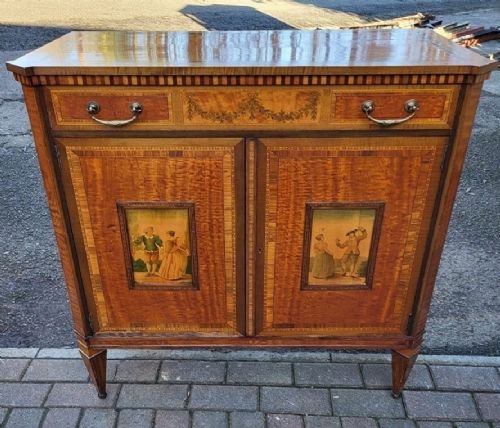
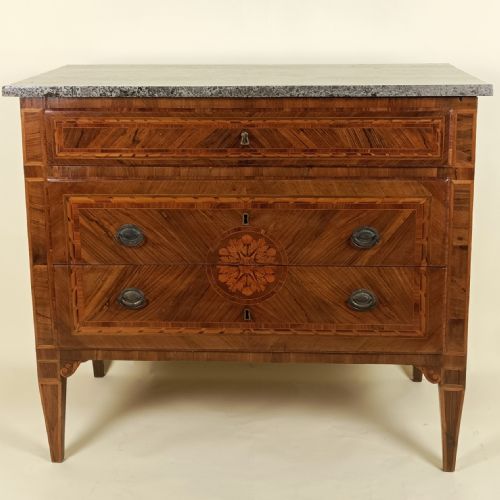
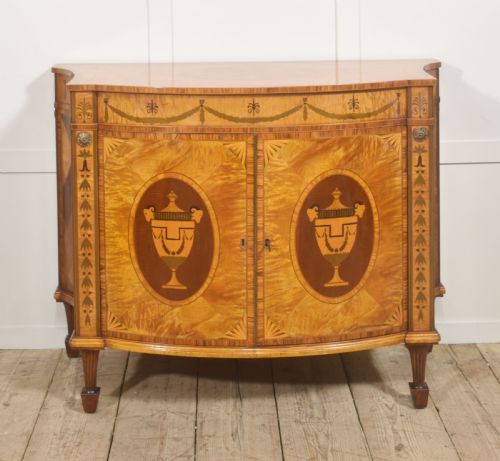
Neoclassical inlaid furniture encompasses formal case pieces and small tables designed with symmetrical lines, restrained ornamentation, and contrasting timber details. Buyers seeking these items will encounter various forms, including side cabinets, chests of drawers, and Pembroke tables.
The pieces originate across multiple periods, ranging from eighteenth-century examples to later revivals such as the Sheraton Revival and Louis XVI style. Surviving items frequently demonstrate regional craftsmanship from Britain, Italy, France, and the Netherlands.
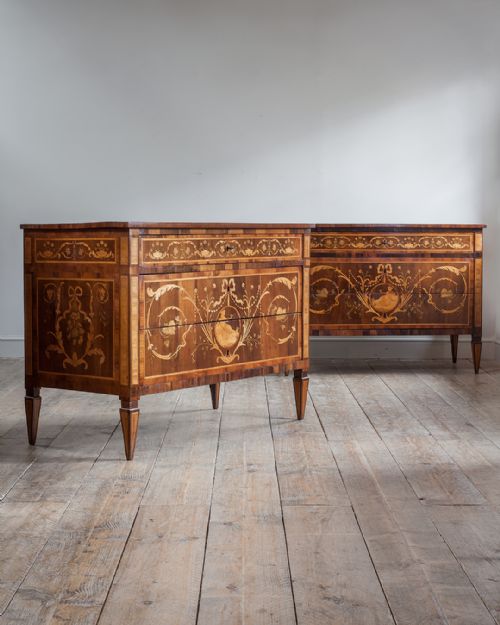
Commodes, console tables, and occasional tables dominate the selection, often combining functional storage with decorative surface marquetry. These items suit domestic interiors that benefit from classical proportions and lighter wood tones.
Materials and construction
Cabinetmakers utilised dense primary timbers like mahogany, walnut, and satinwood as a foundation for decorative surface work. Secondary woods provided structural stability for large case pieces and internal drawers.
Inlay techniques involved contrasting veneers such as boxwood, harewood, and fruitwood, sometimes paired with brass mounts or marble tops. Marquetry panels depicted floral or geometric motifs, cut and fitted precisely into the surrounding grain.
Listings feature satinwood, mahogany, and walnut alongside contrasting veneers of boxwood and fruitwood across multiple European origins.
Factors of quality
The standard of a piece depends on the precision of the veneer work and the integration of the inlay into the carcase. Sharp junctions between contrasting timbers indicate careful execution by the cabinetmaker.
Proportion and architectural balance dictate the success of the design, distinguishing refined examples from simpler workshop production. Original hardware and stable timber movement further separate superior pieces from heavily altered items.
James Hicks·Maple and Co
The Neoclassical Inlaid Furniture Glossary
- Marquetry
- Decorative veneer work arranged in pictorial or geometric patterns across a surface. This technique employs various tinted and natural woods to create contrast.
- Satinwood
- A pale, lustrous timber native to the tropics, prized for its golden sheen. It serves as a primary surface wood in many eighteenth- and nineteenth-century pieces.
- Commode
- A low decorative chest of drawers or cabinet designed for formal reception rooms. The form often incorporates serpentine fronts and intricate veneer panels.
- Demi-lune
- A half-moon shape utilised for console tables and side cabinets designed to sit flush against a wall. This profile allows for shallow furniture in compact spaces.
- Harewood
- Sycamore wood treated to acquire a soft greyish-brown tone through staining. It provides a muted contrast against brighter satinwood in inlaid panels.
Neoclassical Inlaid Furniture: Frequently Asked Questions
What is neoclassical inlaid furniture?
Neoclassical inlaid furniture comprises cabinets, tables, and chests built with classical proportions and decorated with contrasting wood veneers. These items emphasise symmetry, restrained classical motifs, and lighter timber surfaces.
Pieces range from authentic eighteenth-century examples to late nineteenth-century revival items. They serve both decorative and practical functions within traditional or contemporary interiors.
How do I identify a revival piece?
Revival pieces, such as those from the Sheraton or Louis XVI revival periods, often display standardised construction methods and uniform timber ageing compared to eighteenth-century originals. Examining the secondary woods and interior linings helps clarify the manufacturing date.
Cabinetmakers working in later periods adopted earlier stylistic vocabulary while utilising contemporary machinery and adhesives. Understanding these subtle structural differences aids in dating a piece accurately.
Where were these pieces made?
Workshop production centered across Britain, France, Italy, and the Netherlands, with each region developing distinct decorative characteristics. Italian and Dutch pieces frequently feature elaborate floral marquetry, whereas British examples lean toward restrained geometric borders.
Regional preferences influenced both the choice of primary timbers and the specific neoclassical motifs applied to the surface. These geographic variations help attribute unmarked items to specific European traditions.
How should I care for satinwood surfaces?
Satinwood furniture requires protection from direct sunlight to prevent the pale timber from darkening or fading unevenly. Maintaining consistent room humidity prevents the veneer from lifting or cracking over time.
Applying a microcrystalline wax periodically helps nourish the wood and protects the polished finish from minor moisture damage. Avoid using silicone-based polishes that can degrade historical surface treatments.