

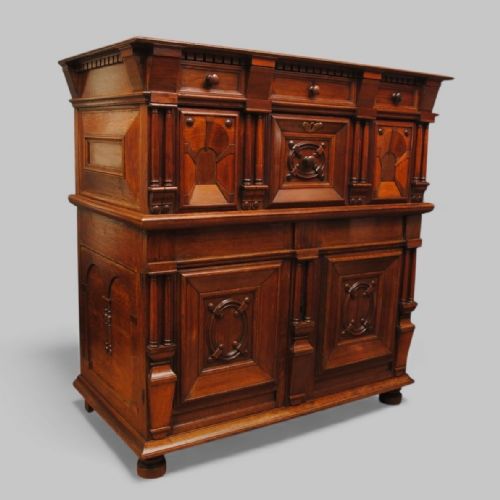


Inlaid Wooden Coffer
An inlaid wooden coffer is a robust storage chest finished with decorative woodwork, combining practical security with period craftsmanship.
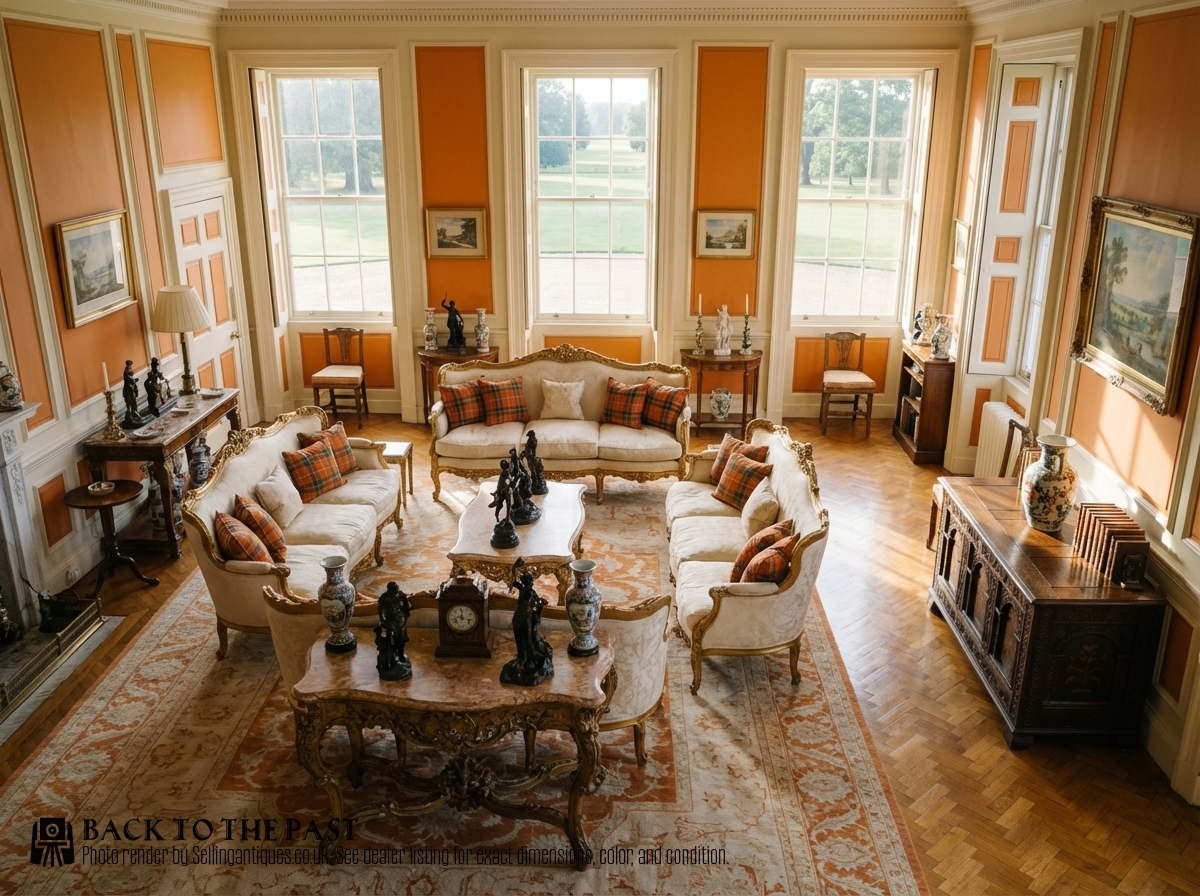
Inlaid Wooden Coffer
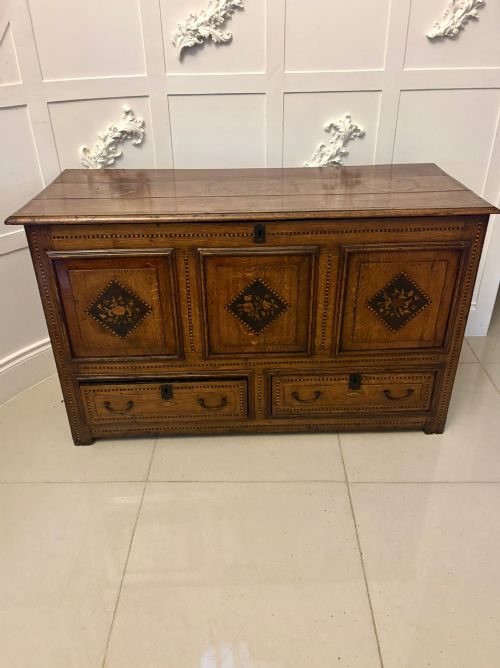
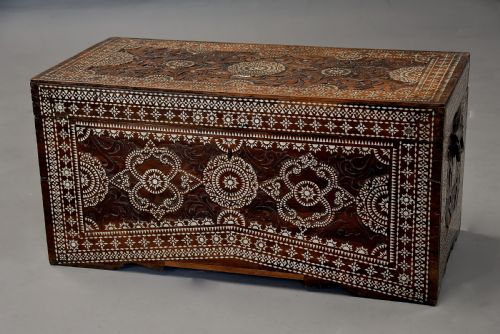
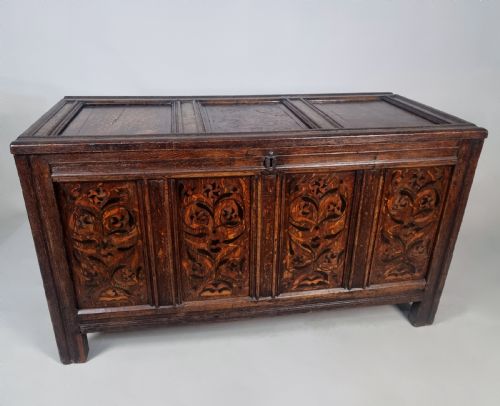
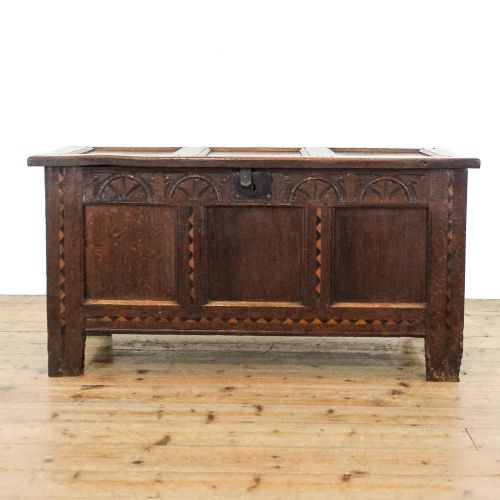
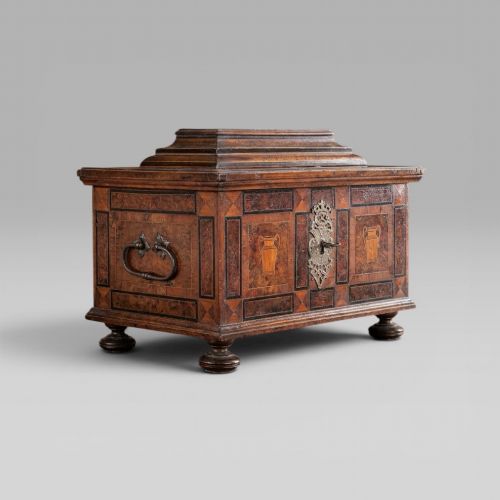
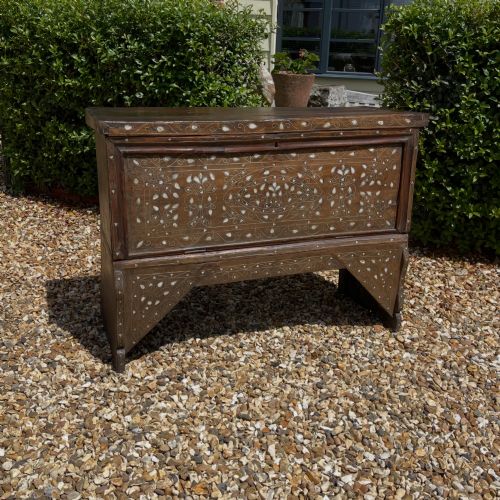
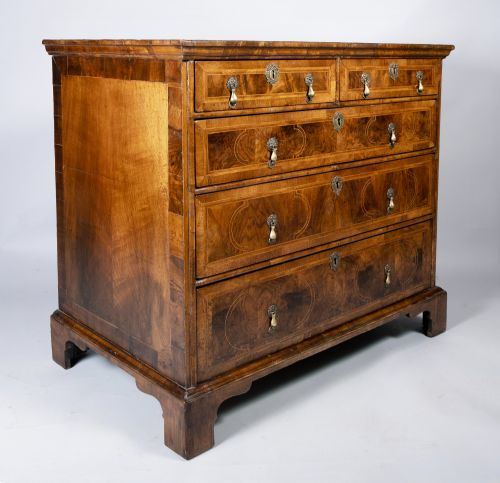
An inlaid wooden coffer appears in multiple forms across this page, ranging from seventeenth-century oak examples with marquetry to nineteenth-century continental dome coffers and twentieth-century hardwood trunks. Buyers will encounter seventeenth-century oak chests alongside walnut, mahogany, and fruitwood pieces spanning the eighteenth and nineteenth centuries.
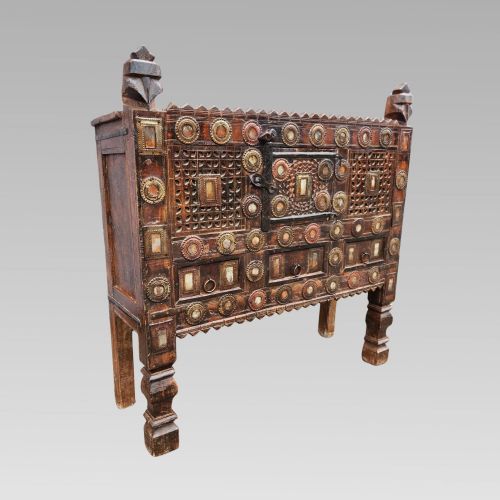
Regional variations extend from Welsh vernacular coffer bach and English oak panels to Middle Eastern hardwood trunks and continental bone-inlaid caskets. The selection covers heavy seventeenth-century oak construction as well as later mahogany and satinwood storage chests.
Materials and Construction
Carpenters constructed these pieces primarily in oak, walnut, and mahogany, often incorporating secondary timbers such as fruitwood, ebony, and satinwood. Marquetry, holly, bog oak, and mother of pearl provide the contrasting decorative surfaces set into the primary wood.
Metalwork complements the timber structure, with brass mounts, iron fastenings, and bone inlay appearing across various regional traditions. Joinery techniques range from traditional peg-joined oak framing to detailed veneering and surface inlay.
Inlaid Wooden Coffer Retail Price Guide 2026
Typical asking prices for inlaid wooden coffer among the pieces listed under this phrase on Sellingantiques today, from the lower quarter to the upper quarter. They describe what is for sale here now, not the wider market.
Evaluating Quality
Quality rests upon the precision of the joinery and the complexity of the decorative inlay, distinguishing standard utility storage from exhibition pieces. The crispness of carved details and the careful selection of figured timbers determine the standing of each piece.
The integrity of the original surfaces and the preservation of delicate marquetry or mother of pearl elements dictate the enduring character of the woodwork. Refined proportion and the harmonious combination of contrasting woods separate standard regional boxes from high-status examples.
Whytock & Reid
The Inlaid Wooden Coffer Glossary
- Coffer
- A heavy wooden chest traditionally used for storing valuables and household goods. These sturdy containers often feature hinged lids and elaborate front panels.
- Marquetry
- The art of applying pieces of veneer to a structure to form decorative patterns. Craftsmen utilise various coloured woods to create pictorial designs.
- Coffer Bach
- A small Welsh chest featuring a drawer beneath the main compartment. This regional form translates literally from Welsh as a little coffer.
- Mule Chest
- A storage chest fitted with one or more drawers at the base beneath the primary compartment. This form bridges the evolution between the traditional coffer and the modern chest of drawers.
Inlaid Wooden Coffer: Frequently Asked Questions
What is an inlaid wooden coffer?
An inlaid wooden coffer is a heavy storage chest decorated with contrasting wood veneers, marquetry, or materials such as bone and mother of pearl. These pieces combine secure storage with decorative craftsmanship.
Craftsmen built them across several centuries using regional timbers like oak, walnut, and mahogany. They served primarily to hold textiles, valuables, and domestic goods.
How were these chests used historically?
These chests functioned as secure storage containers for household valuables, linen, and personal documents before fitted closets became common. Their heavy construction and lidded designs helped protect contents from dust and theft.
Later regional variants like the coffer bach incorporated bottom drawers for smaller items. Many examples doubled as furniture surfaces within domestic interiors.
How do I identify seventeenth-century pieces?
Seventeenth-century pieces typically feature solid oak construction with pegged joinery, heavy proportions, and geometric panel carving. Marquetry inlay from this period often uses floral or strapwork motifs.
Inspectors look for period tool marks and structural framing consistent with early workshop practices. Later copies often display different timber preparation and machine-cut elements.
Where should I place a coffer at home?
A coffer fits well in a hallway, at the foot of a bed, or beneath a window as functional furniture that provides internal storage. Its flat lid allows the top surface to hold decorative items or textiles.
Keep wooden pieces away from direct heat sources and dramatic humidity shifts to protect the timber and inlay. Regular dusting maintains the finish of the polished wood.