

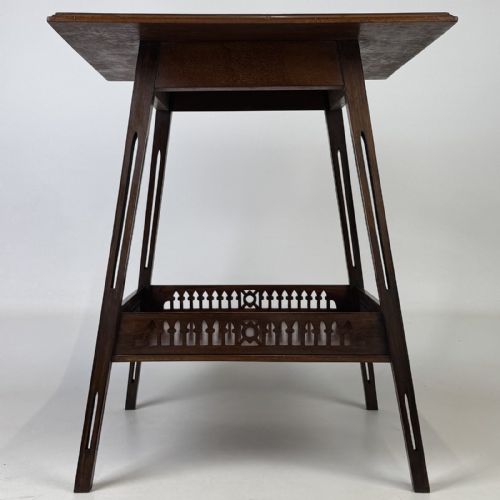
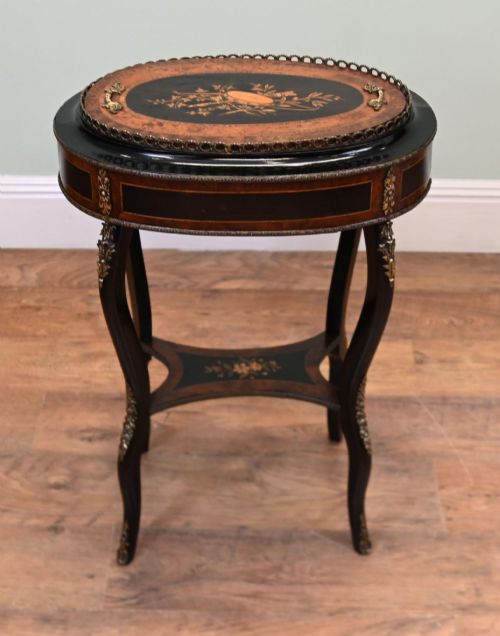
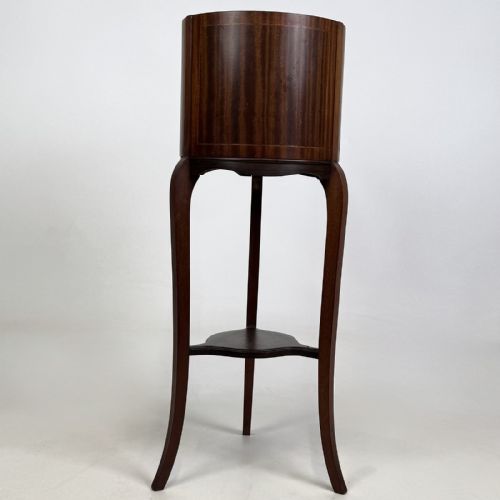
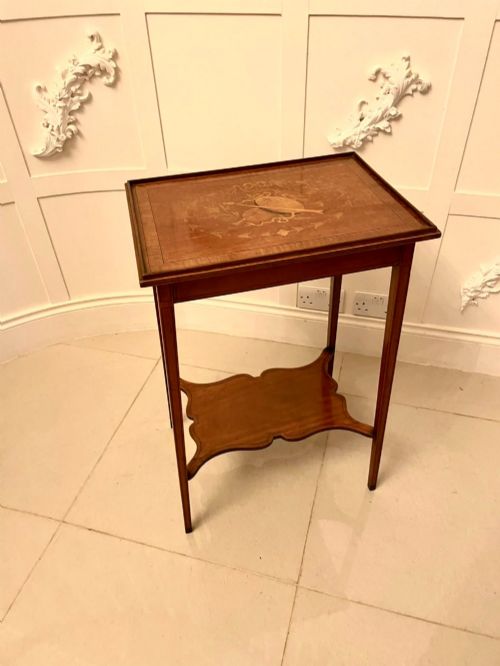
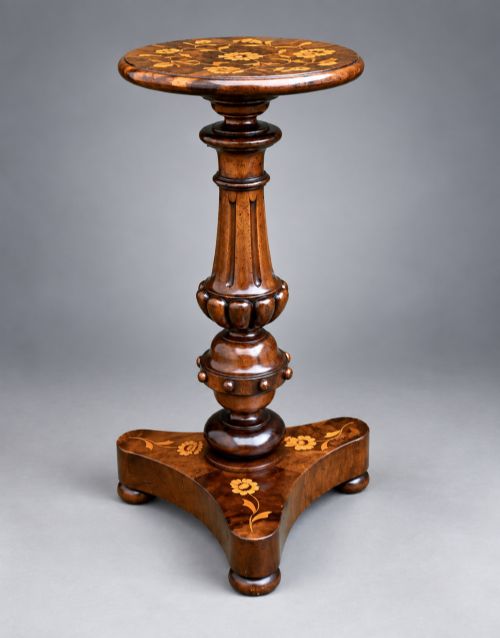
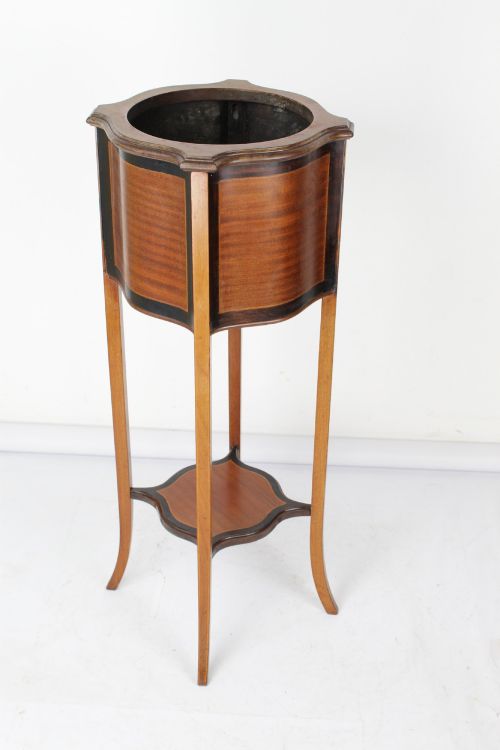

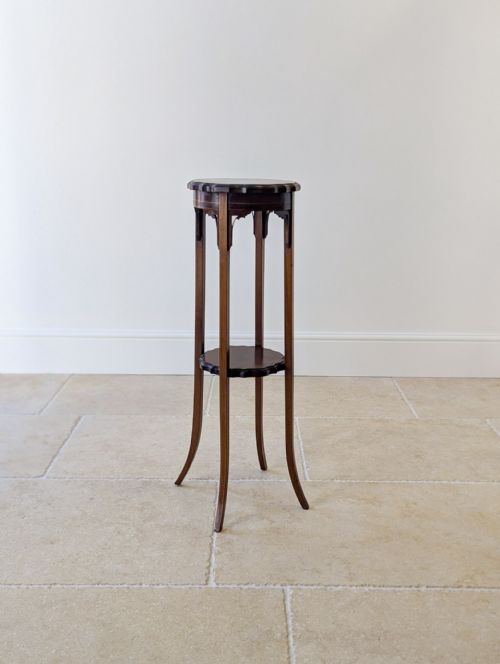
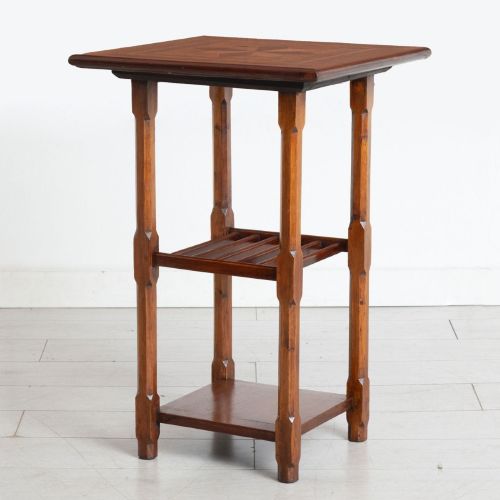
Inlaid Wood Plant Stand
An inlaid wood plant stand brings both structural height and decorative detail to a room, offering a purposeful stage for greenery or lamps.
Inlaid Wood Plant Stand
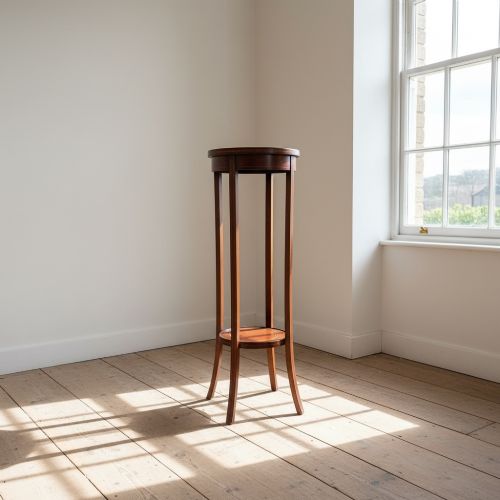
An inlaid wood plant stand serves as a dedicated pedestal or elevated surface for botanical displays, typically appearing in forms designed for domestic interiors during the Edwardian period and the nineteenth century. Buyers searching this phrase encounter a variety of related small furniture, including torcheres, lamp tables, jardiniere stands, and occasional tables that share similar slender proportions.
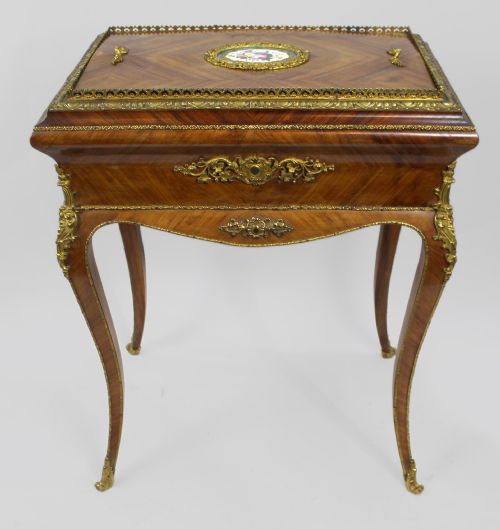
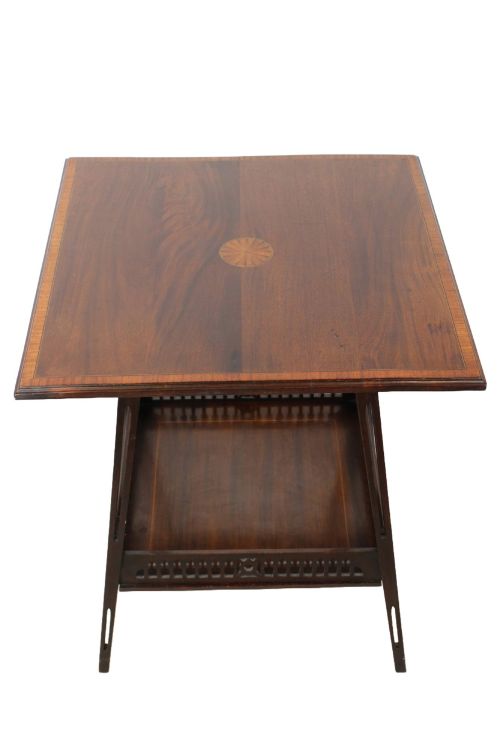
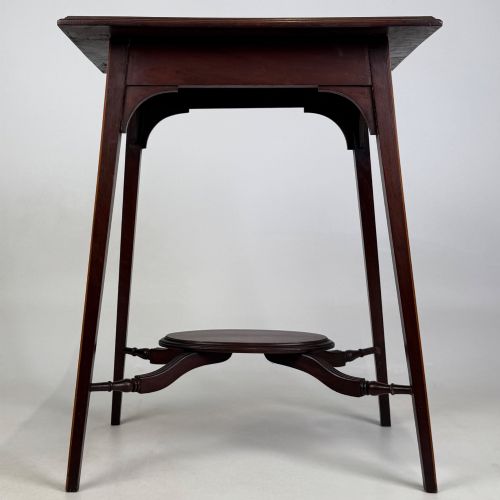
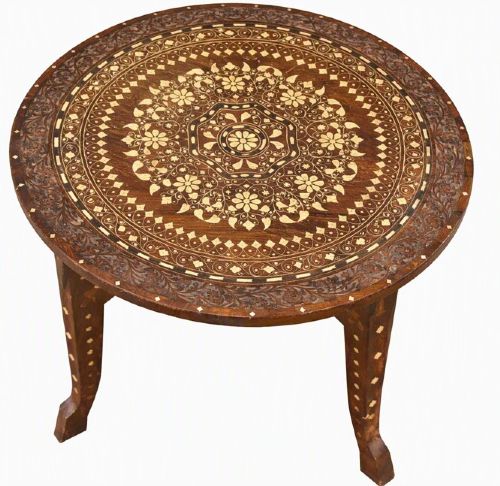
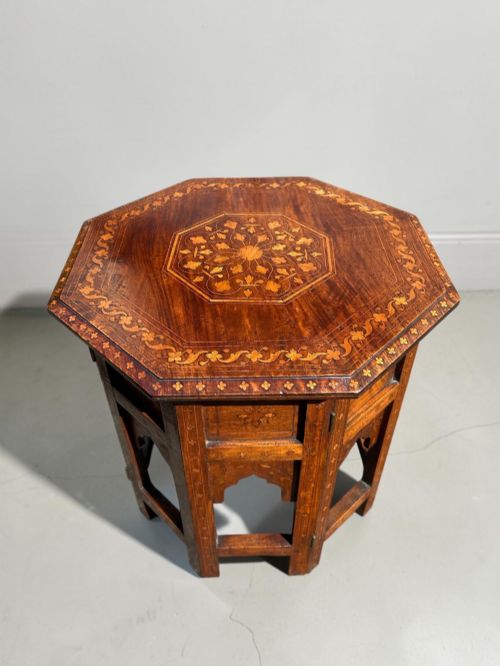
The pieces on this page span several stylistic revivals, ranging from Sheraton Revival mahogany designs to Dutch marquetry and Anglo-Indian bone or brass inlaid tables. While some function purely as plant supports or torchieres, others double as occasional side tables or candle stands, reflecting the versatile interior arrangements of their original periods.
How They Were Made
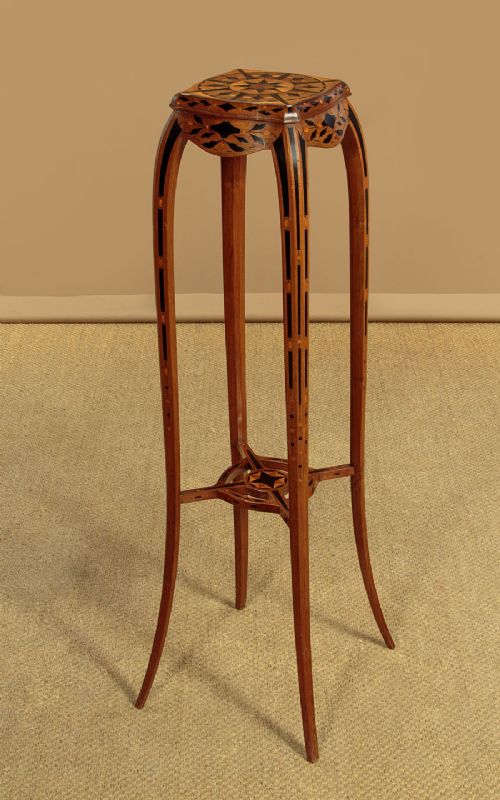
Cabinetmakers constructed these stands primarily using foundational timbers such as mahogany, satinwood, and walnut, often accentuating the surfaces with contrasting boxwood, brass, or bone inlay. Techniques combined traditional joinery for the frames with meticulous hand-cut marquetry and parquetry to form floral, geometric, or figurative motifs across the tops and shafts.
Surface ornamentation also incorporated carved detailing, ormolu mounts, and specialised techniques seen in regional workshops, such as the pierced fretwork of Arts and Crafts pieces or the intricate geometric patterns of Hoshiarpur and Moorish revival tables.
Inlaid Wood Plant Stand Retail Price Guide 2026
Typical asking prices for inlaid wood plant stand among the pieces listed under this phrase on Sellingantiques today, from the lower quarter to the upper quarter. They describe what is for sale here now, not the wider market.
The listings show a strong presence of Edwardian and nineteenth-century pieces, utilising mahogany, satinwood, and walnut alongside regional inlay traditions.
What Varies in Quality
The distinction between standard examples and top-tier pieces rests on the crispness of the cabinetwork and the precision of the inlay. Superior stands exhibit finely detailed botanical or geometric marquetry using contrasting timbers without filler, alongside well-proportioned turned or carved columns.
Materials dictate much of the distinction, as exceptional specimens utilise scarce woods like satinwood or incorporate high-status additions such as porcelain plaques, ormolu mounts, or intricately engraved bone and brass work that demonstrate superior workshop execution.
Trevor Page & Co·Liberty & Co
The Inlaid Wood Plant Stand Glossary
- Marquetry
- Decorative veneer work forming pictures or patterns by fitting together small pieces of various woods, shell, or other materials. This technique defines the ornate tops of many nineteenth-century occasional and plant tables.
- Torchere
- A tall, slender stand designed to hold a light or a plant. These pieces provide elevated display surfaces within a minimal floor footprint.
- Jardiniere
- An ornamental pot or stand for holding plants or flowers. Examples often incorporate metal liners or watertight trays alongside decorative woodwork.
- Occasional table
- A small, versatile table intended to be moved about a room as needed. In the context of plant stands, these pieces frequently share identical heights and top diameters.
- Sheraton Revival
- A late nineteenth and early twentieth-century design movement inspired by the furniture of George Sheraton. Pieces from this style feature light satinwood, delicate inlay, and classical proportions.
Inlaid Wood Plant Stand: Frequently Asked Questions
What is an inlaid wood plant stand used for?
These pieces were originally built to elevate potted plants, flowers, or decorative lamps to eye level within Victorian and Edwardian drawing rooms. Their slender design allows them to fit easily into corners or beside seating without crowding the floor.
Today, they serve the exact same domestic functions while adding period character to a modern interior. Many collectors also utilise them simply as display surfaces for small sculptures or ceramics.
How do I date an inlaid plant stand?
Dating relies heavily on observing the combination of primary timbers, inlay materials, and stylistic cues such as Edwardian satinwood or Victorian ebonised finishes. Structural construction methods underneath the top also provide reliable clues to the period of manufacture.
Comparing the decorative motifs against known revival styles helps narrow the decade of creation. Examining secondary woods inside the structure confirms whether a piece belongs to the nineteenth century or later revivals.
Are these stands sturdy enough for heavy plants?
Most stands are engineered to support moderate weight, but taller tripod bases and slender torcheres require careful placement on level flooring. They were designed for domestic potted plants rather than heavy garden urns.
Ensuring the central column and leg joints remain tight preserves their structural integrity. Placing lighter ceramic pots on top prevents any accidental tipping.
What is the difference between a torchere and a plant stand?
A torchere traditionally refers to a tall, slender stand originally intended to carry a light source, whereas a plant stand specifically accommodates botanical displays. In practice, makers often used the terms interchangeably for furniture of similar height and top dimensions.
Both forms feature elevated platforms supported by single columns or multi-legged bases. The distinction rests mostly on the original cataloguing of the maker rather than any physical difference in construction.