

Inlaid Wood Centre Table
An inlaid wood centre table anchors a room with patterned timber and decorative craft, bringing historical surface detail into modern living spaces.
Inlaid Wood Centre Table
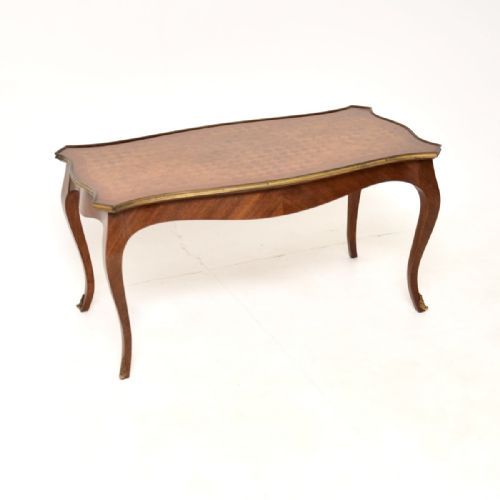
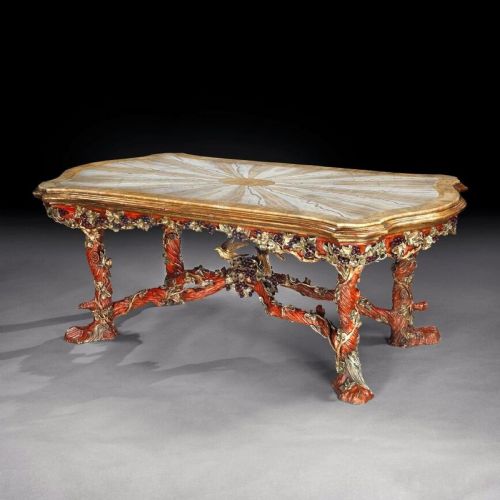
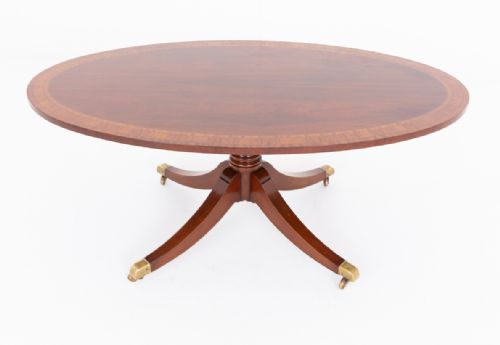
An inlaid wood centre table functions as a freestanding piece designed to be viewed from all sides within a room, often serving as a principal focal point. These tables appear frequently in nineteenth-century forms, notably during the Victorian and Regency periods, alongside later Edwardian and early twentieth-century interpretations.
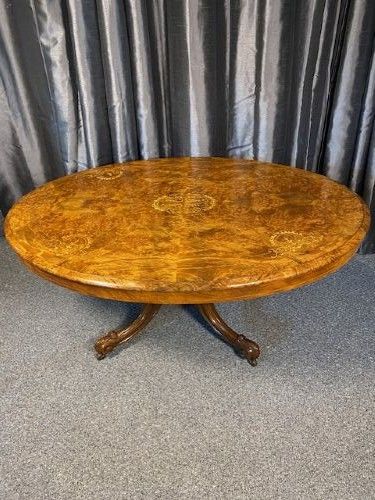
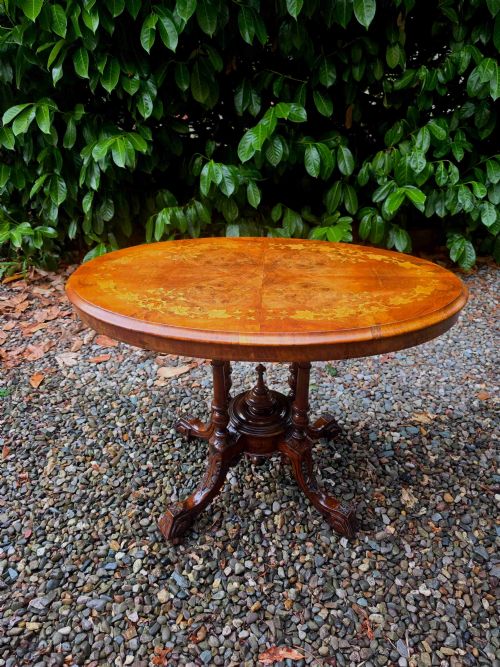
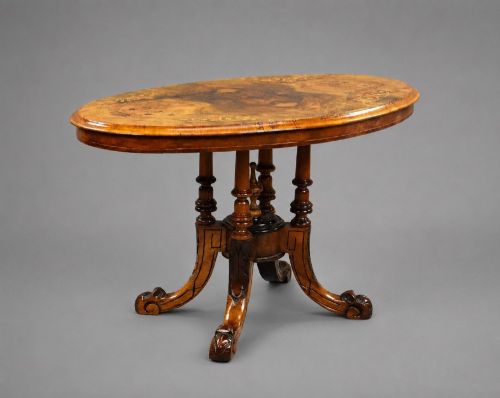
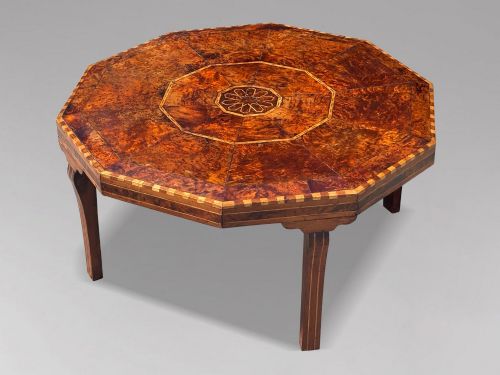
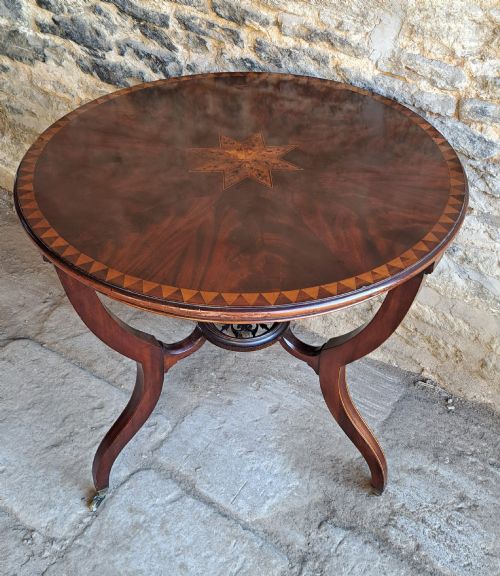
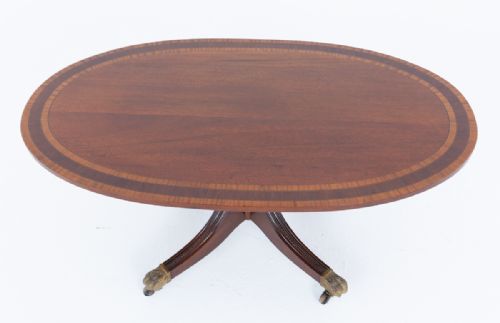
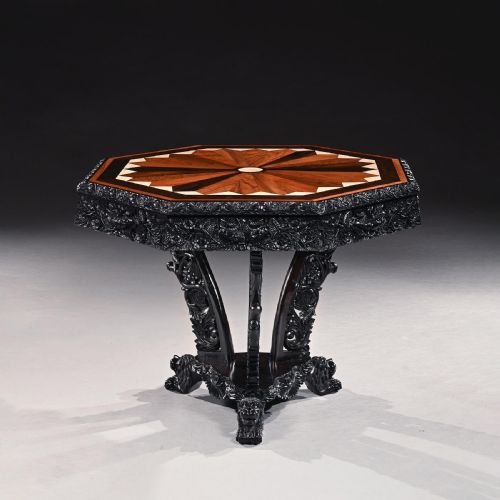
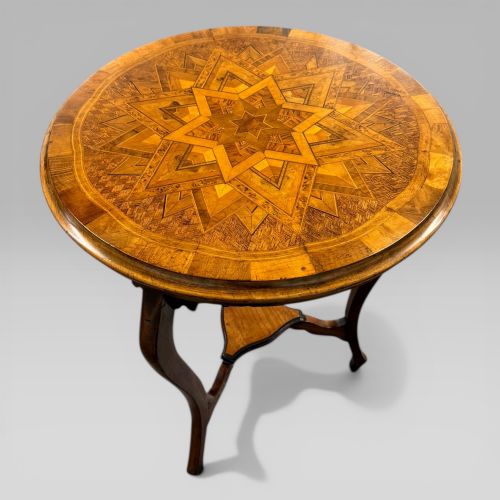
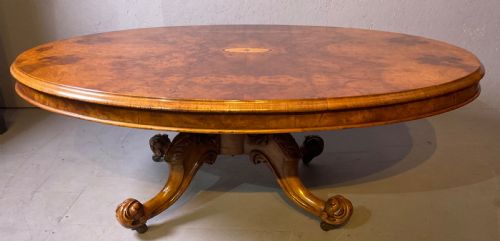
The selection ranges from circular pedestal formats and octagonal occasional pieces to larger library and drawing room examples. Woods such as walnut, rosewood, mahogany, and satinwood dominate the historical record, frequently embellished with contrasting veneers and geometric or floral motifs.
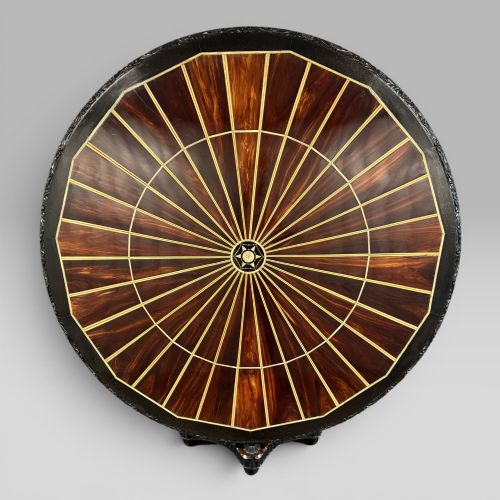
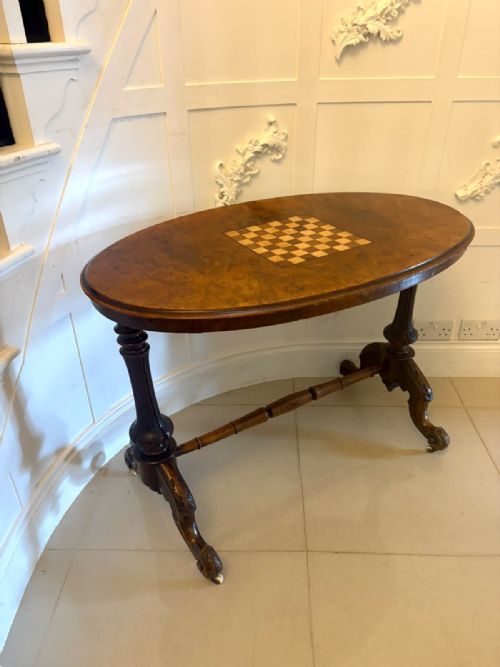
Makers utilised various regional styles, spanning English cabinet work, French Louis XV and XVI revivals, Italian Sorrento production, and Ceylonese workshops. Buyers encounter everything from compact occasional stands to substantial exhibition-quality tables featuring chess tops or elaborate marquetry.
How they were made
Cabinet makers constructed solid wood carcases and applied finely sliced decorative veneers to flat or curved surfaces. Timber selection relied on figuring, using burr walnut, flame mahogany, and rich rosewood to create natural pattern contrasts before inlay work began.
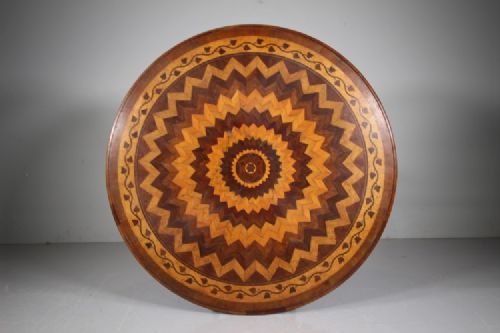
Marquetry and parquetry techniques involved cutting thin pieces of contrasting woods, bone, ivory, or mother-of-pearl to form pictorial or geometric designs fitted precisely into recessed channels. Brass stringing and ormolu mounts were often added to edge panels and borders, fixed with traditional adhesives and small pins.
Several Victorian tables double as domestic game boards, embedding chess and backgammon directly into the polished timber top for impromptu matches.
What varies in quality
The refinement of the timber preparation and the precision of the veneer matching dictate the initial visual impact of the piece. Superior examples display seamless transitions between contrasting wood species and meticulous alignment within the marquetry motifs.
The complexity and depth of the decorative scheme separate standard production from exhibition pieces. Advanced carving on pedestals, specialised internal mechanisms for tilt-tops or drop leaves, and the inclusion of diverse natural materials indicate higher workshop standards.
Amleto Bertoni·Anton Seuffert·Egan Workshop·Collinson and Lock·James Shoolbred and Co
The Inlaid Wood Centre Table Glossary
- Marquetry
- The art of applying pieces of veneer to a structure to form decorative patterns and pictures. Craftsmen cut multiple layers of wood simultaneously to achieve precise interlocking shapes.
- Parquetry
- A geometric mosaic of wood pieces used for floors and furniture surfaces. It relies on repeating angular shapes like squares, triangles, and lozenges.
- Ormolu
- Gilt bronze applied to furniture mounts and decorative details. The technique involves treating bronze with a mercury and gold amalgam before heating.
- Crossbanding
- A border of veneer laid around the main panel of a piece with the wood grain running perpendicular to the central design. This frames the primary timber and provides a clean visual edge.
- Stringing
- Thin inlay lines of contrasting wood or metal used to outline panels and drawers. It creates subtle linear definition across tabletops and friezes.
Inlaid Wood Centre Table: Frequently Asked Questions
Where should I place a centre table?
These tables suit placement in the middle of a large entrance hall, drawing room, or open living area where they remain accessible from all sides. Their finished appearance allows them to stand away from walls without losing visual impact.
Positioning them beneath a central ceiling light or chandelier highlights the detailed surface wood grain and marquetry patterns. Ensure adequate clearance around the perimeter for everyday movement and seating arrangements.
How do I care for antique wood surfaces?
Maintain the finish by dusting regularly with a soft, dry cloth and avoiding silicone-based polishes that build up over time. Natural beeswax applied sparingly helps nourish aged timbers without softening historical polishes.
Keep tables away from direct heat sources, radiators, and prolonged direct sunlight to prevent the timber veneers from drying, warping, or cracking. Using coasters and placemats protects delicate nineteenth-century polishes from moisture and heat damage.
Can I use an antique table daily?
Historic tables accommodate normal everyday use as display surfaces, lamp tables, or occasional desks when treated with reasonable care. Solid construction and robust pedestals allow them to function reliably in modern households.
Delicate satinwood or intricate ivory-inlaid surfaces require more caution regarding heavy objects or liquid spills. Protective glass tops are sometimes employed by owners who wish to shield fragile antique marquetry during daily use.
How do I identify the period of a table?
Dating relies on observing a combination of timber choices, structural framing methods, and decorative design motifs. Regency pieces often feature rosewood with brass inlay and classical pedestals, while Victorian examples frequently showcase burr walnut and carved cabriole legs.
Construction marks, screw types, and secondary woods hidden beneath or inside the carcase provide further clues to age. Stylistic revivals in the later nineteenth and early twentieth centuries frequently reinterpreted earlier Georgian and French court aesthetics.