


Inlaid Walnut Furniture
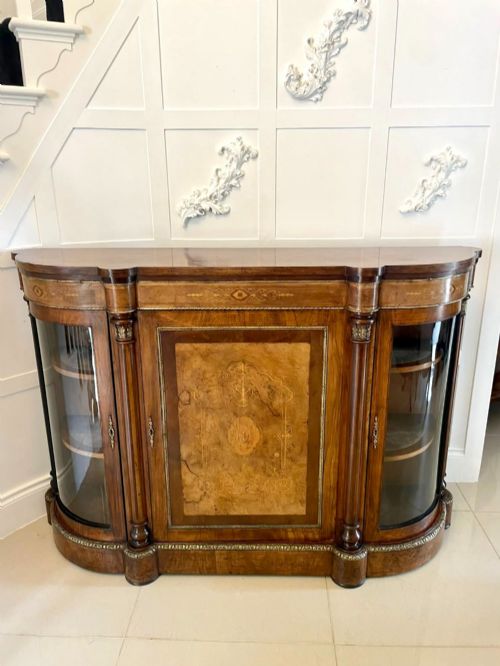
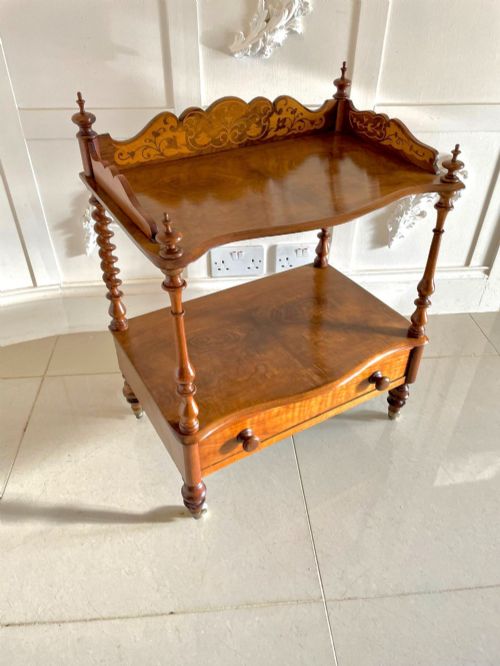
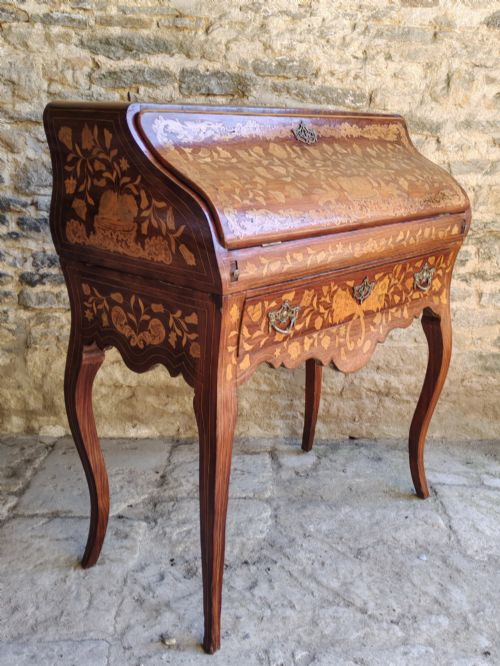
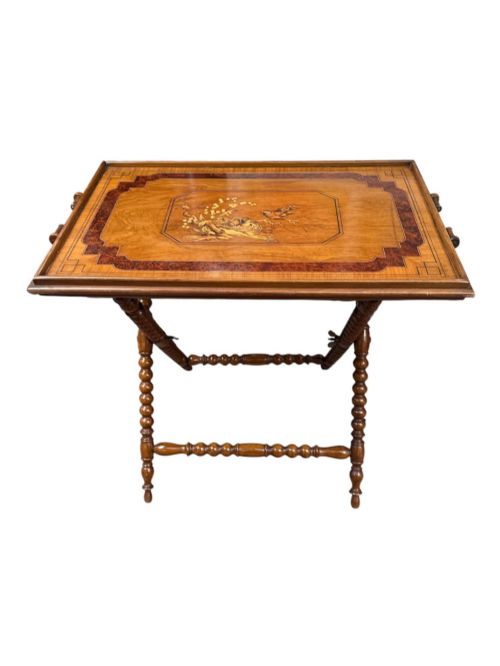
These pieces of inlaid walnut furniture bring rich timber grain and intricate marquetry into daily use, combining utility with artistry.

Inlaid Walnut Furniture
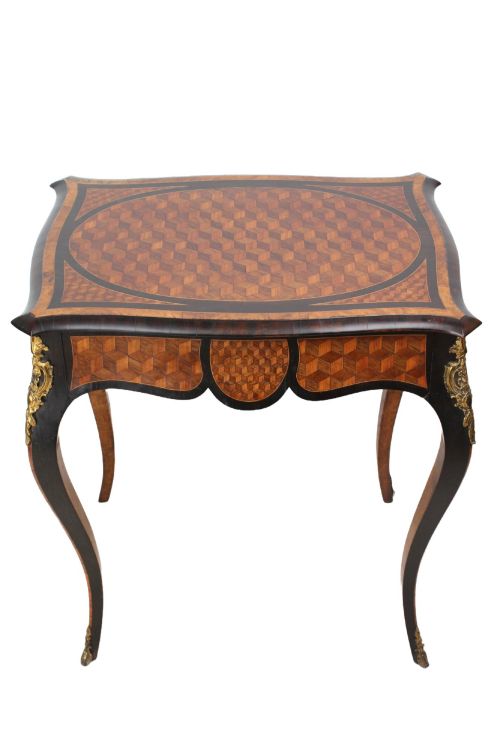
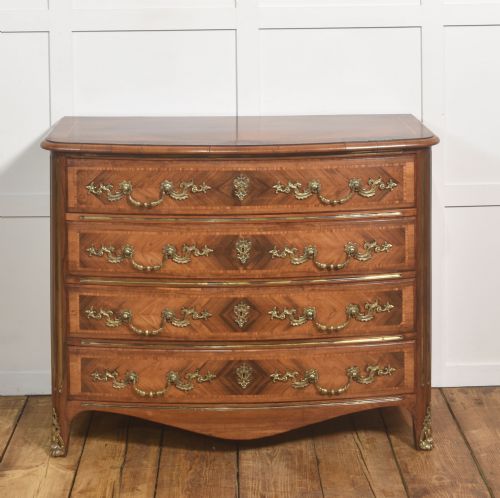
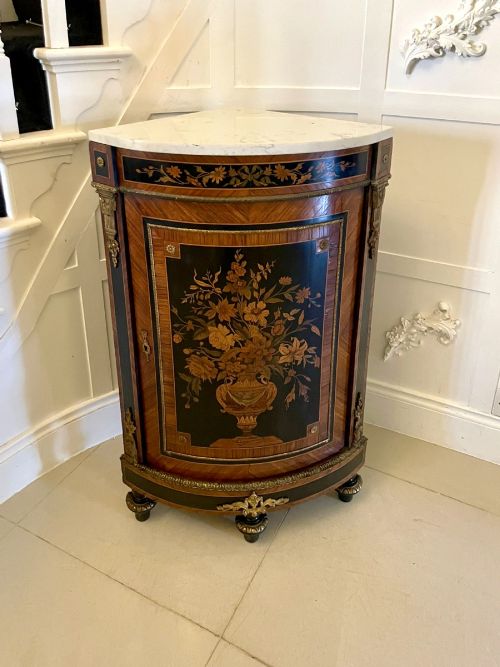
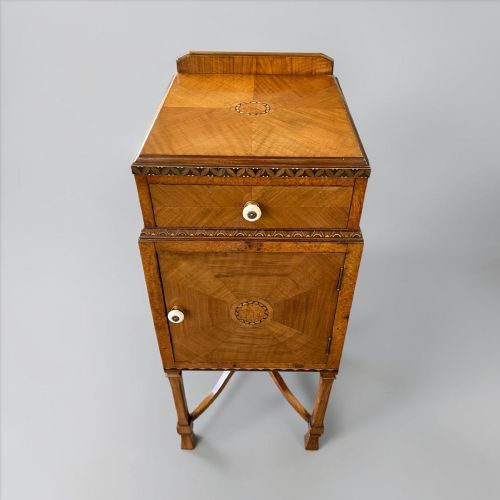
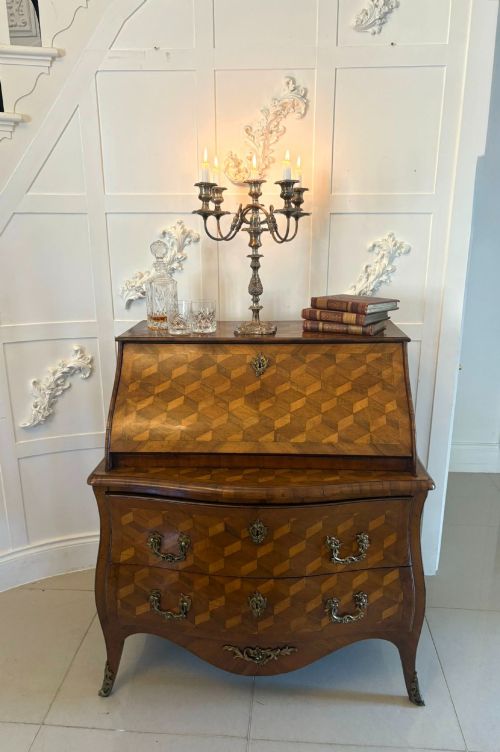
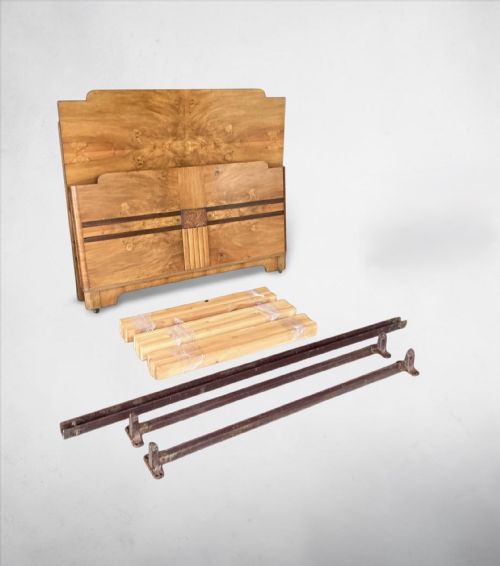
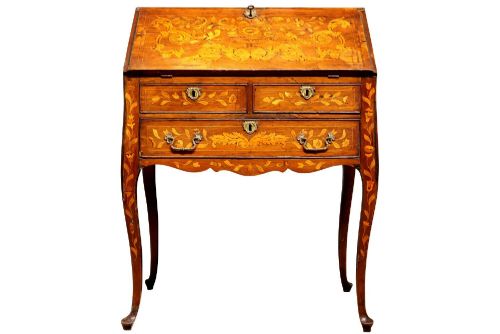
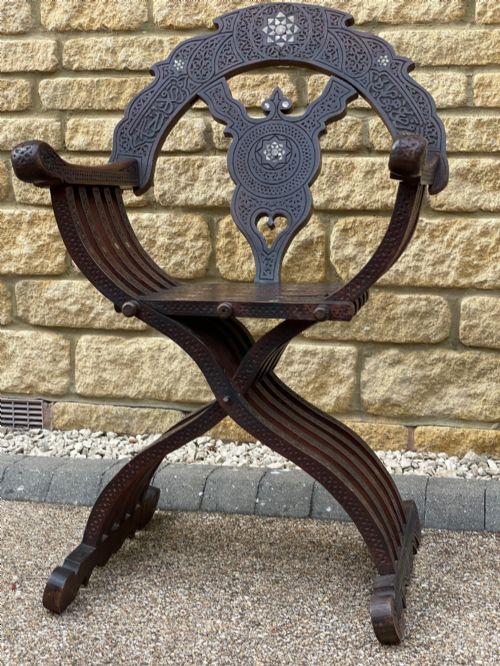
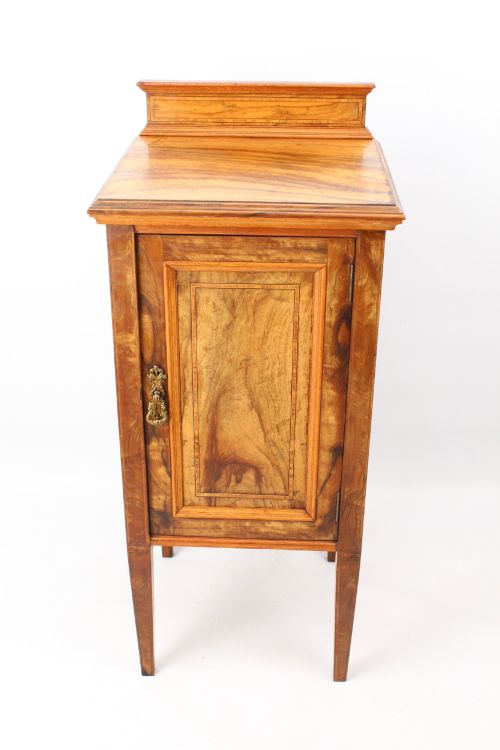
When you search for inlaid walnut furniture, you encounter pieces spanning several centuries, from seventeenth-century chests to twentieth-century tables. The selection ranges widely in form, including desks, cabinets, commodes, and occasional tables.
The most common examples on this page date from the Victorian and eighteenth-century periods, often showcasing elaborate floral or geometric patterns. These items serve practical domestic roles while displaying complex decorative skill.
How they were made
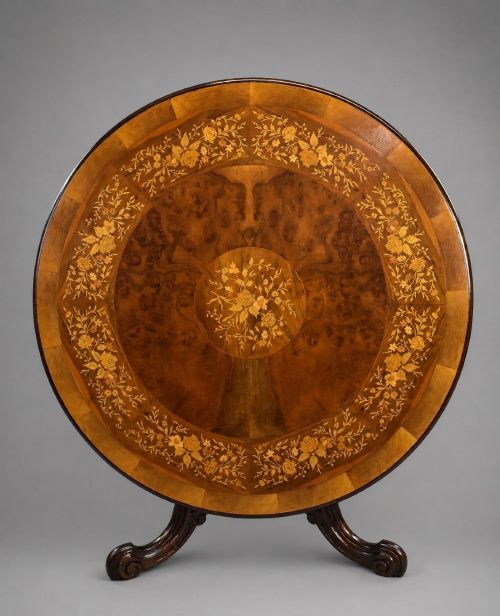
Cabinet makers utilised walnut timber, frequently selecting burr walnut for its swirling figure, alongside contrasting woods such as fruitwood and satinwood for pictorial inlay. Metal elements like brass and ormolu often provide structural mounts or delicate stringing.
Marquetry and parquetry techniques involve cutting thin veneers into intricate shapes and assembling them onto a solid carcase. Master craftsmen combined these timber patterns with bone, mother of pearl, or pewter to enrich the surface texture.
Inlaid Walnut Furniture Retail Price Guide 2026
Typical asking prices for inlaid walnut furniture among the pieces listed under this phrase on Sellingantiques today, from the lower quarter to the upper quarter. They describe what is for sale here now, not the wider market.
Certain tables feature secret compartments designed to hide love letters from prying eyes.
What varies in quality
The precision of the veneer work largely determines the standard of each piece, distinguishing simple linear stringing from pictorial floral marquetry. Smooth alignment across drawers and joints indicates the skill of the original workshop.
The selection of the timber grain itself creates a hierarchy, with highly figured burr walnut commanding greater visual depth. Intact mounts in brass or ormolu and preserved original surfaces also elevate the standing of an item.
JAS Shoolbred·Maple & Co·Gillows·Lamb of Manchester·August Ungethüm
The Inlaid Walnut Furniture Glossary
- Marquetry
- The art of forming decorative patterns by fitting together thin veneers of wood and other materials. This technique allows for complex pictorial designs across table tops and drawer fronts.
- Parquetry
- Geometric mosaic woodwork used for floors and furniture surfaces. Triangular or square veneers form repeating angular patterns.
- Oyster veneer
- Slices of branch wood cut transversely to show circular rings resembling oysters. This method produces rhythmic, swirling patterns across seventeenth-century drawer fronts.
- Ormolu
- Gilded bronze used for furniture mounts and decorative feet. It provides a metallic accent against dark walnut surfaces.
Inlaid Walnut Furniture: Frequently Asked Questions
How do I clean inlaid walnut furniture?
Dust surfaces regularly with a soft, dry cloth to prevent dirt accumulation in the fine veneer joints. Avoid modern liquid polishes that contain silicones.
Apply a traditional beeswax sparingly when the timber appears dry, buffing gently to maintain a soft sheen without building up excess residue.
Where should I place these pieces?
Keep walnut furniture away from direct sunlight and heat sources to prevent the wood from drying out and the veneers from lifting. Stable indoor humidity protects both the timber carcase and the delicate inlay.
Position side tables and cabinets in rooms with moderate temperatures where the wood can safely adapt to ambient conditions.
How do I date a piece?
Examine the construction methods of the carcase, drawer linings, and secondary timbers used beneath the walnut veneer. Joinery styles and hardware often indicate whether a piece originates from the seventeenth century or the Victorian revival.
Compare the motifs of the floral marquetry or parquetry against documented periods to confirm the likely decade of manufacture.
Can I use these for daily storage?
Most chests of drawers, desks, and cabinets retain their original internal capacity and function effectively for modern storage needs. Drawer runners and cupboard doors operate smoothly when properly adjusted.
Treat antique mechanisms with care, avoiding overloading shelves or forcing drawers that respond to seasonal humidity changes.