
Inlaid Trinket Box
An inlaid trinket box brings small treasures to life on a dressing table through rich timber and careful marquetry.
Identifying the Inlaid Trinket Box
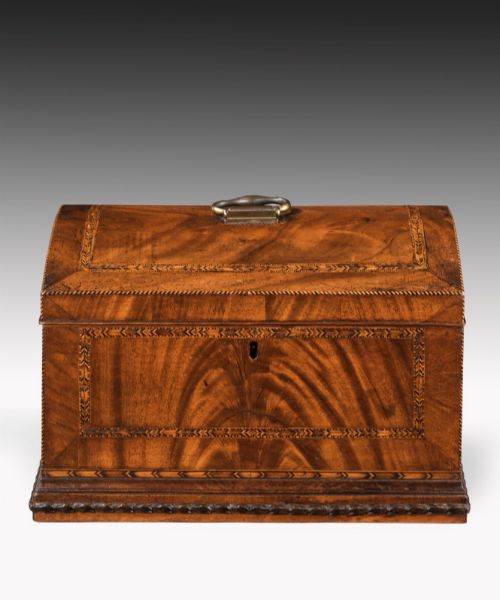
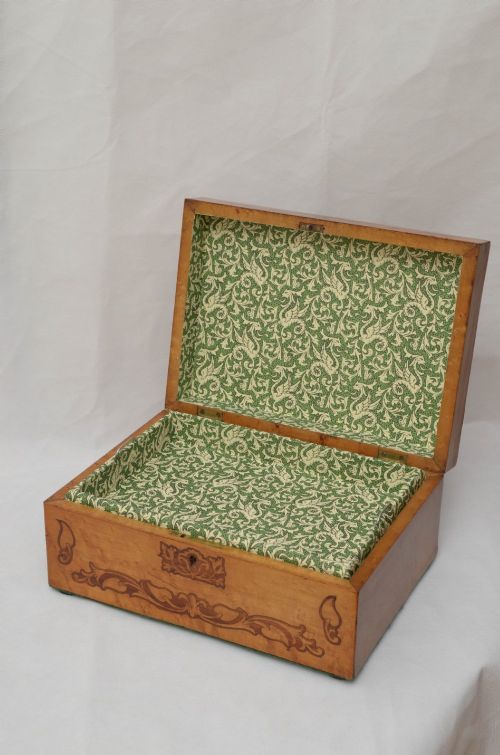
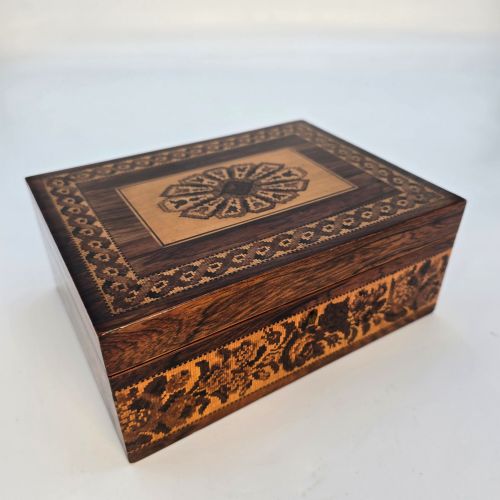
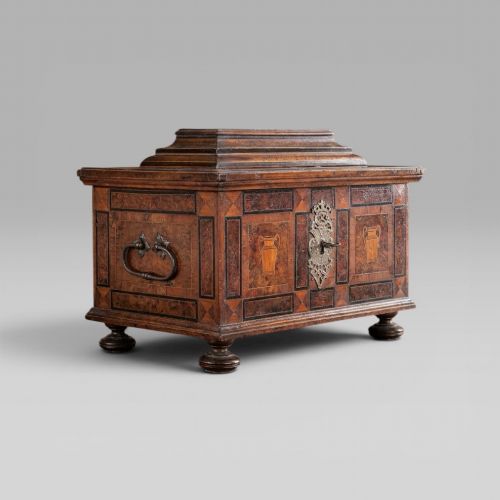
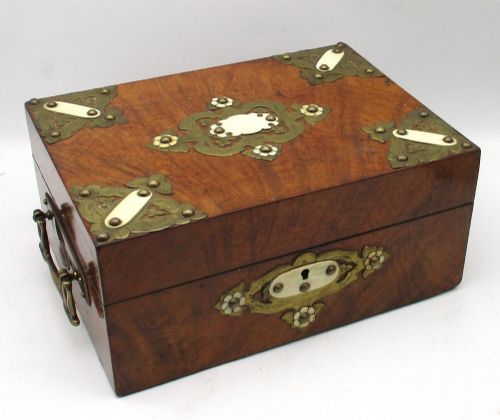
An inlaid trinket box is a small lidded receptacle designed to hold precious keepsakes and personal ornaments. The pieces appearing here predominantly span the Victorian and Edwardian eras, reflecting the high demand for decorative domestic containers during those periods.
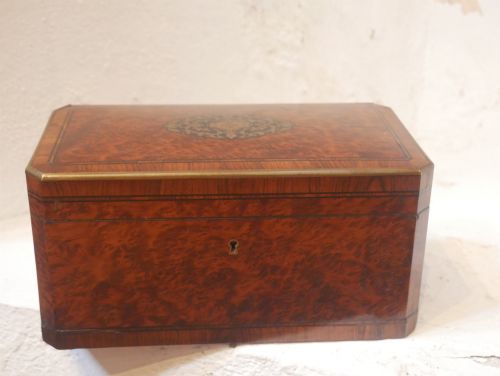
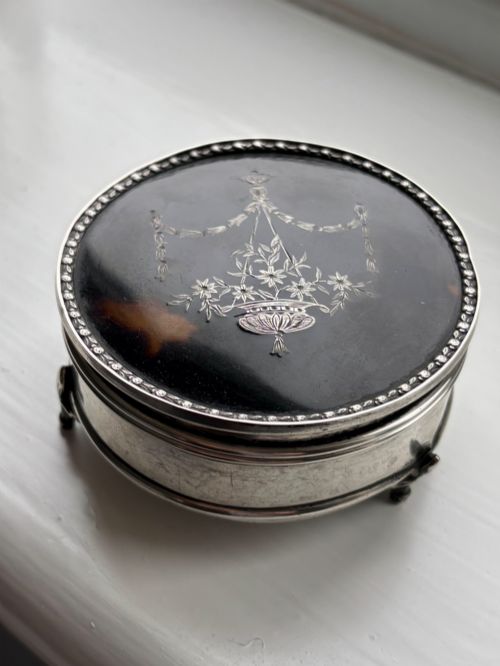
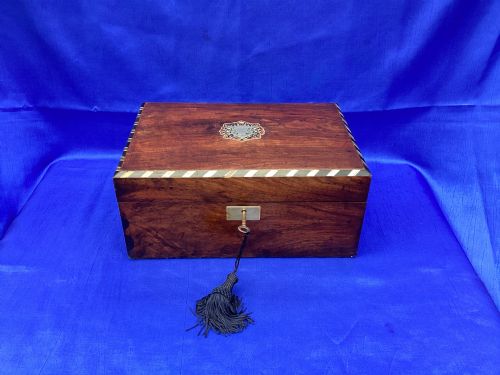
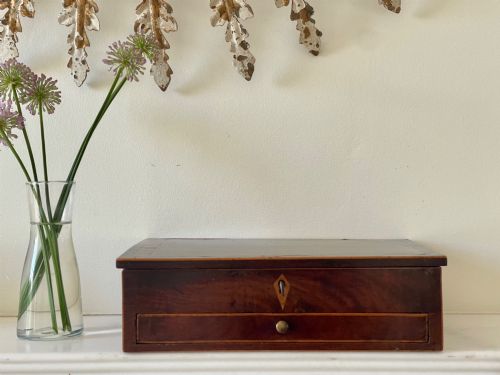
Forms extend from traditional rectangular caskets to oval pocket pieces, incorporating related snuff boxes and jewellery containers. These objects frequently emerge in rich timbers such as walnut, mahogany, rosewood and ebony.
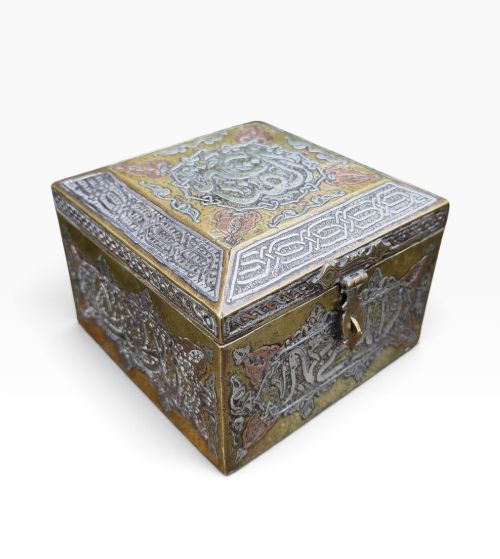
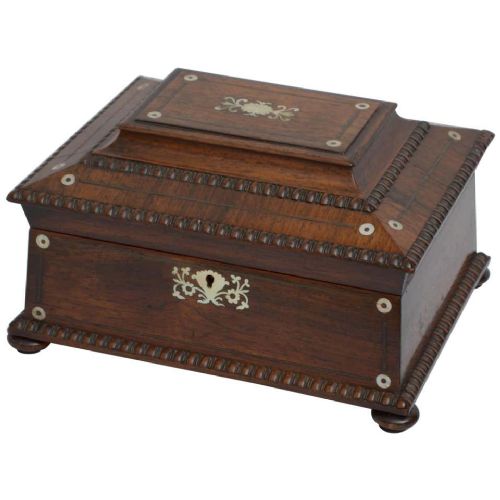
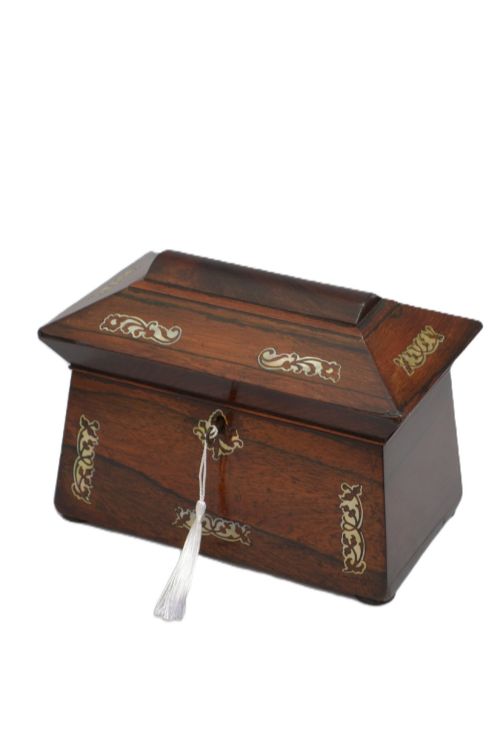
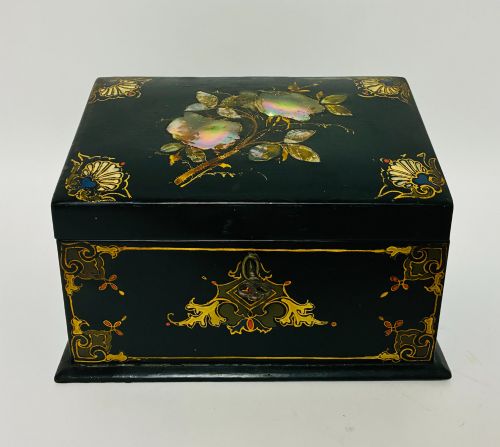
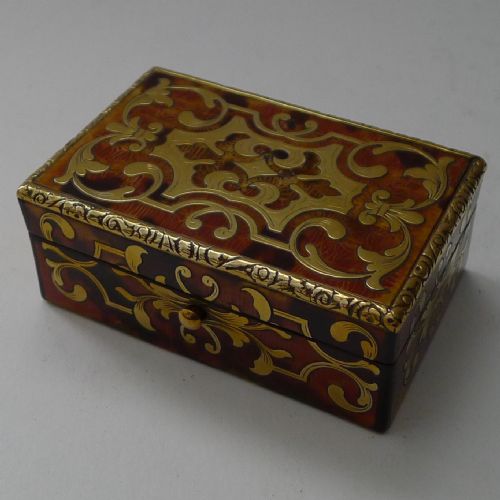
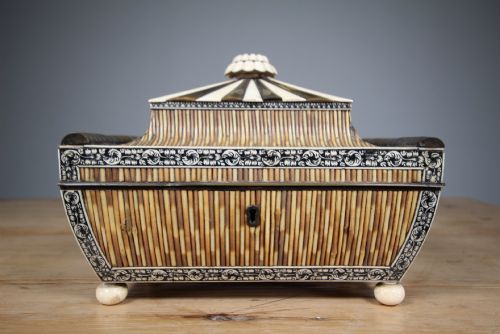
Surviving examples showcase decorative surface embellishments ranging from geometric wood inlay to mother-of-pearl, tortoiseshell and pietra dura panels. The variety reflects the diverse manufacturing centres operating across Britain, Europe and Anglo-Indian workshops during the nineteenth and early twentieth centuries.
Materials and Construction
Cabinetmakers constructed the foundational carcases of these boxes using dense hardwoods like walnut, mahogany, rosewood and ebony. Skilled artisans then applied contrasting veneers and delicate marquetry panels to the lids and sides.
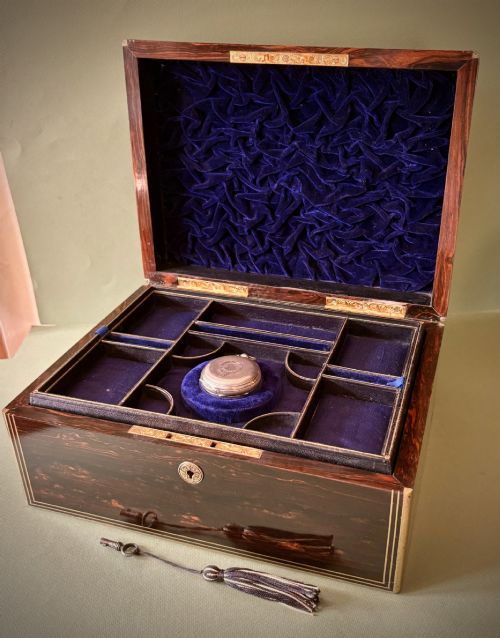
Specialist techniques involved embedding mother-of-pearl, tortoiseshell, sterling silver, darkened metal and pietra dura directly into the timber surfaces. Gilded mounts and fine interior linings of velvet or silk finished the construction.
Anglo-Indian workshops employed distinct traditions of contrasting star and geometric bone or ivory inlay upon dark ebony foundations. European makers favoured intricate floral wood motifs alongside metallic stringing to accentuate the grain.
Certain tortoiseshell boxes manage to look remarkably indignant about holding paperclips instead of lace.
Assessing Quality and Execution
The distinction between standard containers and superior examples rests upon the precision of the marquetry and the choice of materials. Finer boxes display tight, seamless joints where contrasting veneers meet without visible gaps or excessive filler.
The complexity and depth of the decorative medium dictate the standing of a piece. Delicate pietra dura panels, intricate mother-of-pearl scaling and substantial sterling silver mounts elevate a box above simple geometric wood banding.
The Inlaid Trinket Box Glossary
- Marquetry
- The art of applying decorative pieces of veneer to a structural carcase to form geometric or pictorial designs. This technique defines the patterned lids seen on many nineteenth-century containers.
- Pietra Dura
- An Italian method of inlaying cut and fitted polished coloured stones to create pictures. It appears on select ebony boxes to form floral decorations.
- Veneer
- A thin slice of figured hardwood applied over a secondary timber base to provide a decorative exterior surface. High-grade veneers display rich grain patterns.
- Casket
- A formal term for an ornate box, usually featuring a hinged lid and secure clasp, designed for holding valuables. These objects often include fitted velvet interiors.
- Stringing
- A narrow line of contrasting wood inlay used to frame panels and outline box lids. It provides subtle linear definition to the surface.
Frequently Asked Questions
What were inlaid trinket boxes used for?
These small containers held personal valuables such as rings, brooches, pins and calling cards on dressing tables and mantelpieces. They provided a secure and decorative method for keeping delicate personal items organised.
Victorian households utilised them extensively in private parlours and bedrooms as both functional storage and decorative ornaments.
How do I date a Victorian box?
Dating relies on identifying the underlying timber, the style of the inlay and the construction methods used for the hinges and interior linings. Earlier nineteenth-century examples often feature rosewood and mother-of-pearl.
Later Victorian and Edwardian pieces incorporate different hardware and varied geometric marquetry patterns that reflect changing manufacturing fashions.
How should I clean the wood surface?
Maintenance requires gentle dusting with a soft, dry cloth to protect delicate veneers and inlaid elements from moisture damage. Avoid modern chemical polishes that can degrade historic finishes and loosen old adhesives.
Applying a microcrystalline wax occasionally helps nourish older hardwoods without harming mother-of-pearl or tortoiseshell components.
What is pietra dura?
Pietra dura involves inlaying precisely cut pieces of coloured stone into a dark stone or wood background to form detailed motifs. This demanding technique creates lasting floral pictures on the lids of select boxes.
Items featuring this work represent high-status craftsmanship from specialised European and imported workshops.