


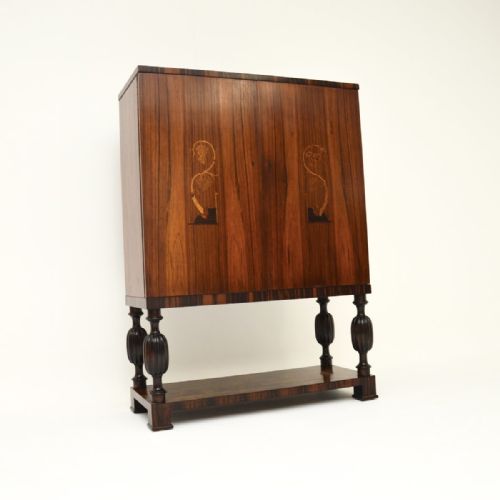
Inlaid Rosewood Furniture
Inlaid rosewood furniture brings rich timber and bright contrasting details to tables and cabinets.
Inlaid Rosewood Furniture
When you search for inlaid rosewood furniture, you encounter tables, cabinets, and bookcases spanning the nineteenth and early twentieth centuries. Side tables, games tables, and display cabinets dominate the selection, alongside specialised forms like revolving bookcases and nesting tables.
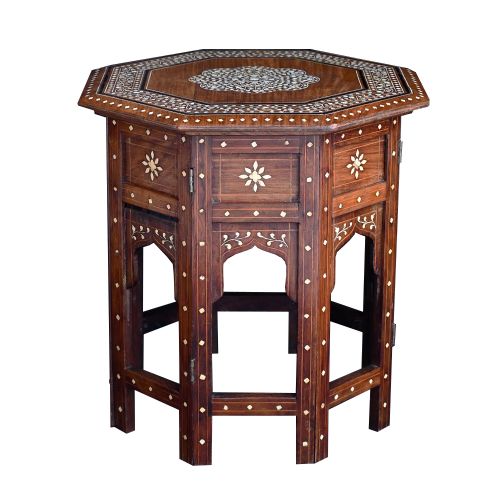
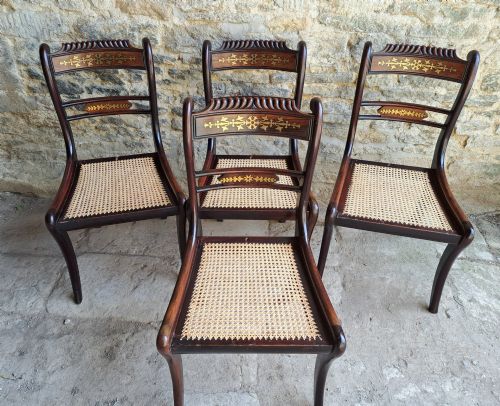
The objects stem from several distinct stylistic traditions, including Regency, Victorian, Edwardian, and Anglo-Indian Hoshiarpur production. Pieces range from British card tables with metal stringing to intricately decorated octagonal tables from overseas workshops.
How they were made
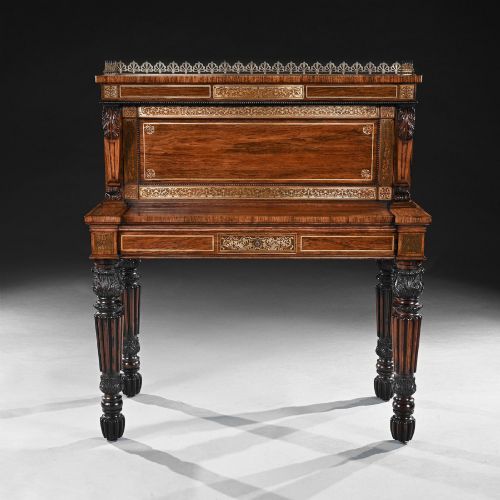
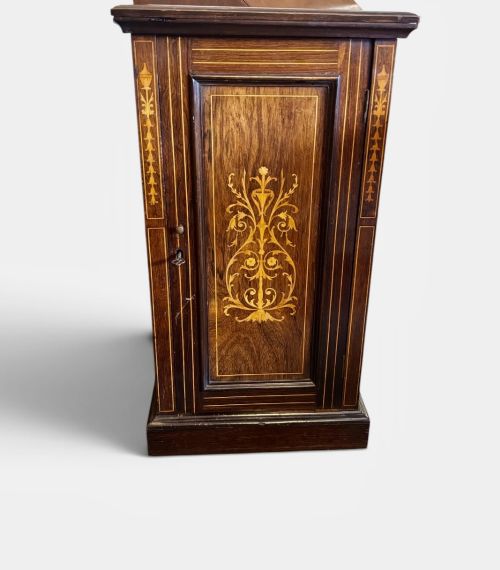
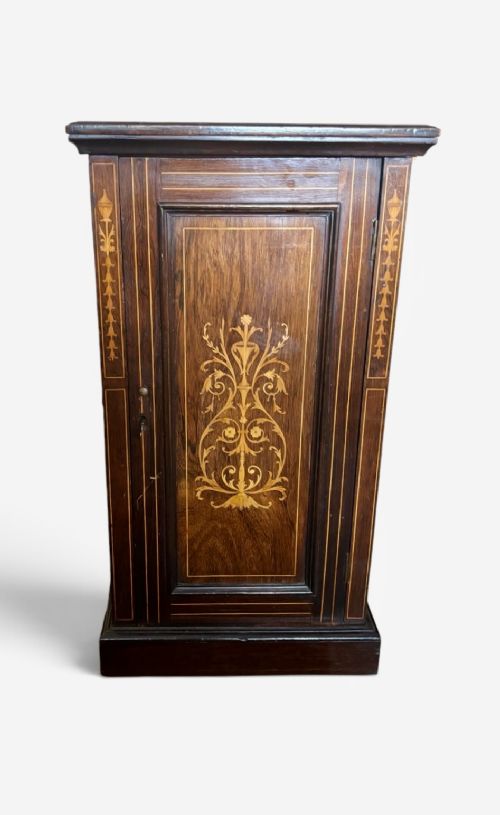
Craftsmen utilised dense rosewood as the primary timber, often framing or contrasting it with lighter woods such as satinwood and boxwood. Brass inlay, sometimes cast or sheet metal, formed geometric stringing and complex motifs across table tops and cabinet doors.
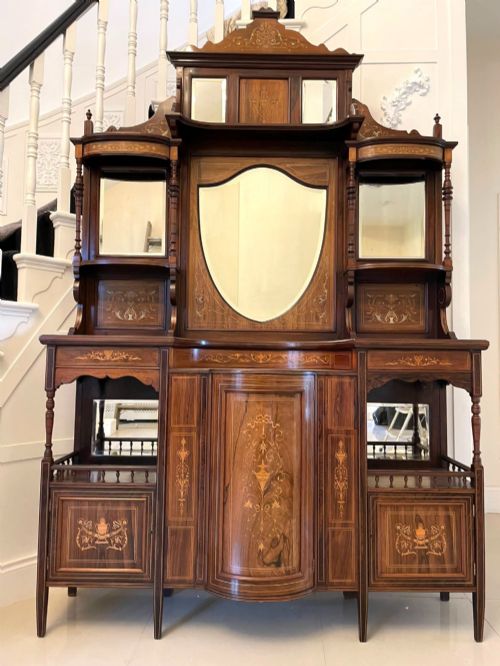
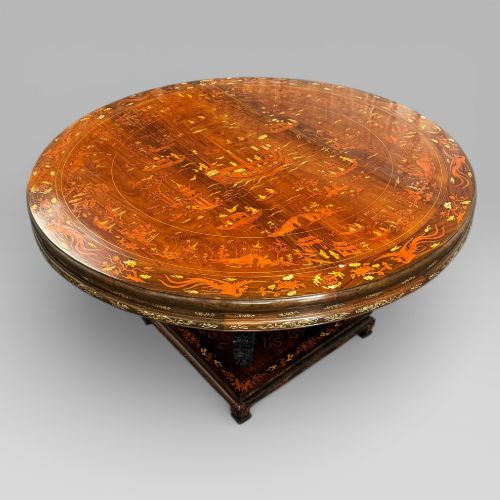
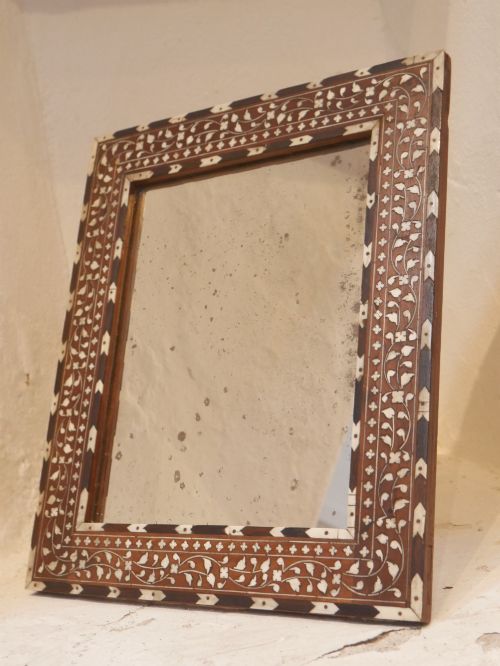
Certain regional traditions incorporated bone inlay and ebony details into carved wooden surfaces. Specialised workshops employed marquetry techniques to form pictorial or floral patterns across panels and furniture tops.
The listings include multiple materials combined with rosewood, featuring brass, boxwood, satinwood, bone, and ebony across various nineteenth century forms.
What varies in quality
The precision of the contrasting inlay work dictates much of the visual standard across these pieces. Sharp edges where the contrasting wood or metal meets the dark rosewood ground distinguish superior execution.
Construction methods and secondary timbers support the structural integrity of tables and cabinets over centuries. Finer examples retain original brass sabots, castors, and working mechanical elements like swivel tops or revolving actions.
Gillows Oxford Street Workshop·George Bullock·Edwards & Roberts·Louis Constantin Le Gaigneur
The Inlaid Rosewood Furniture Glossary
- Marquetry
- Decorative veneer work arranged in patterns or pictures. Craftsmen cut contrasting materials like boxwood and satinwood to fit precisely into the surface ground.
- Sabot
- A protective metal sleeve fitted to the base of a furniture leg. These brass fittings frequently appear on Regency card and centre tables.
- Quartetto
- A set of four graduating nesting tables. These stack together neatly when not in use.
- Shodona
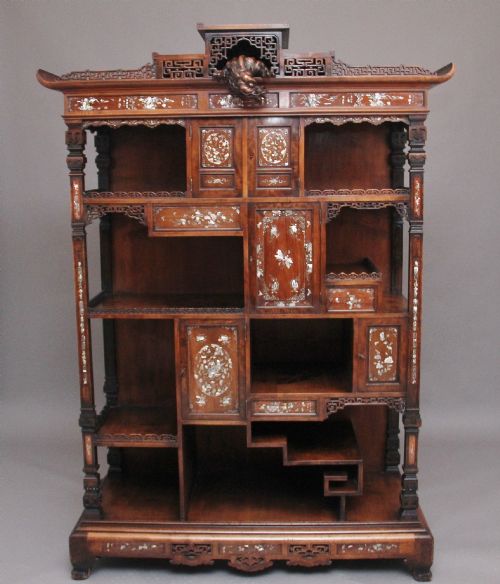
- An imported Japanese display cabinet form featuring asymmetric shelving and intricate panels. These appeared in nineteenth century European interiors.
- Stringing
- Thin lines of contrasting wood or metal inlaid into furniture surfaces. This linear detail defines the edges of panels and table tops.
Inlaid Rosewood Furniture: Frequently Asked Questions
What periods do these pieces date from?
The inventory spans the nineteenth and early twentieth centuries, with substantial representation from the Regency and Victorian eras.
Additional examples extend into Edwardian and later periods, alongside specialised Anglo-Indian items from the late nineteenth century.
How were games tables used?
Games tables functioned as multi-purpose items in drawing rooms, opening to reveal baize-lined surfaces for cards or chess.
When closed, they served as console or card tables against the wall until needed for evening entertainment.
How do I identify Hoshiarpur pieces?
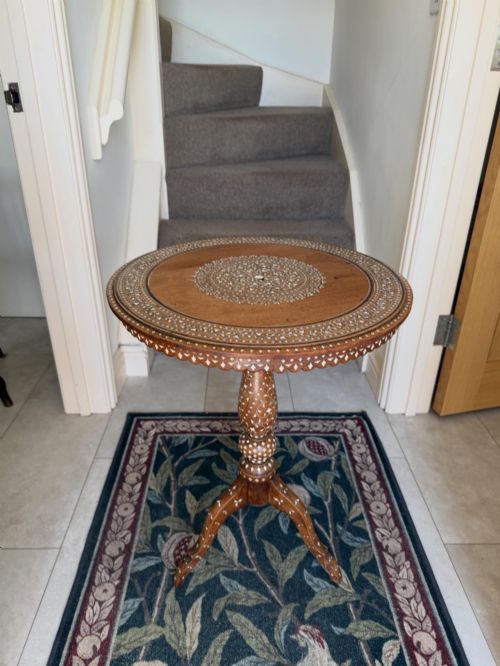
Hoshiarpur items originate from northern India and are characterised by dense overall carving and intricate bone or brass inlay.
These pieces typically include occasional tables, octagonal tables, and mirrors featuring complex floral and geometric motifs.
Where should I place a revolving bookcase?
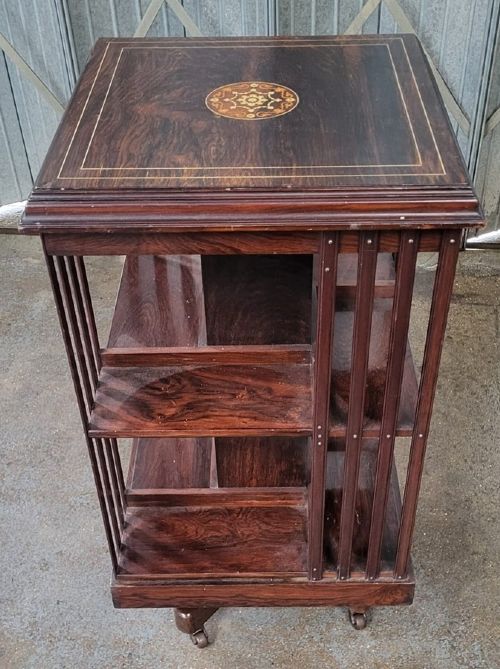
Revolving bookcases suit corners or spaces beside seating where multiple volumes require easy access.
Their rotating mechanism allows compact storage of books while displaying the inlaid rosewood top.