


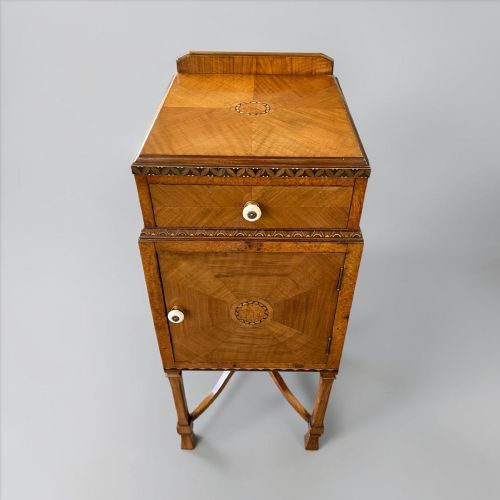
Inlaid Marquetry Side Table
An inlaid marquetry side table brings intricate wood patterns and historical craftsmanship into a room as both a functional surface and a decorative centrepiece.
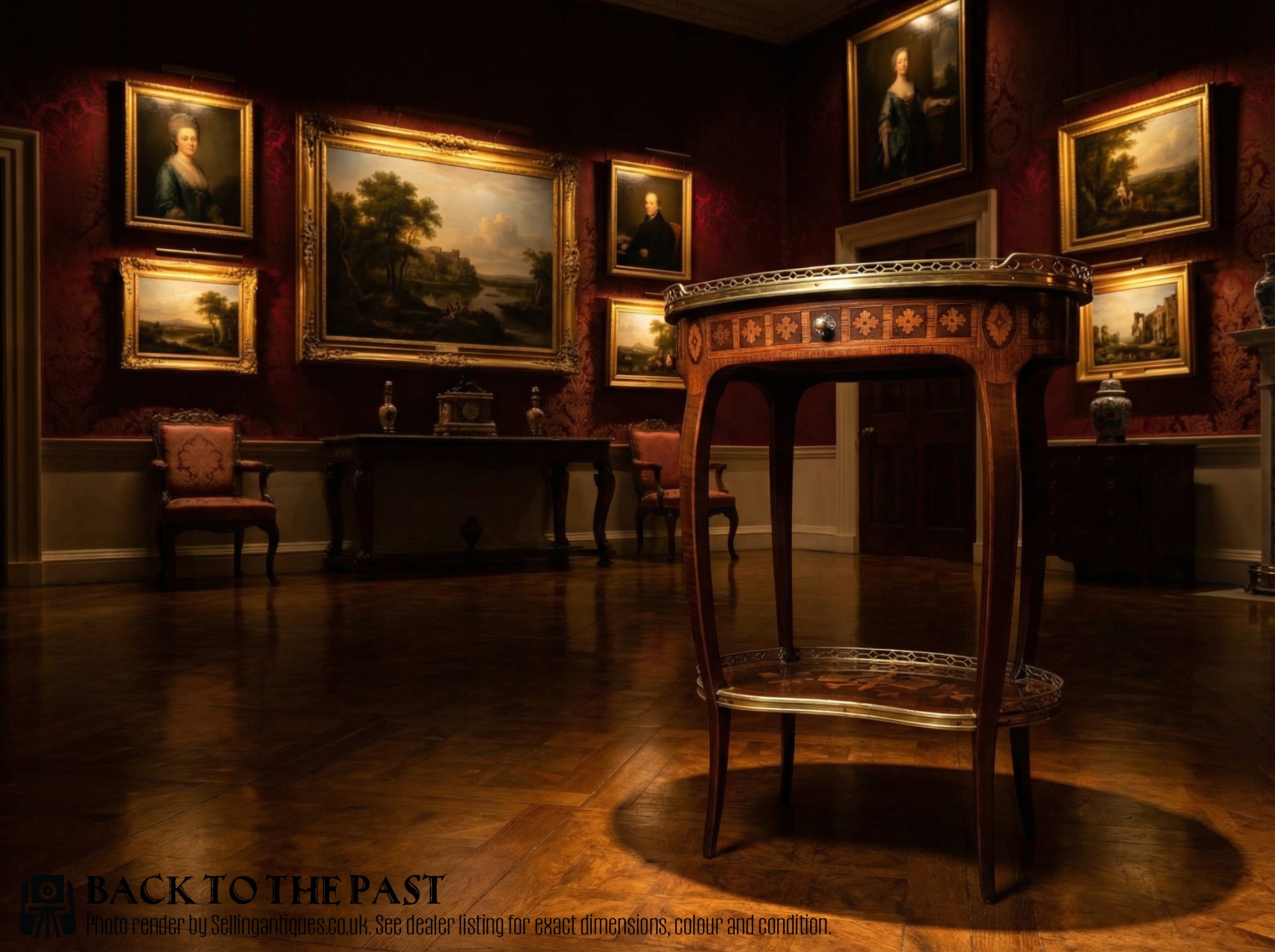
Inlaid Marquetry Side Table
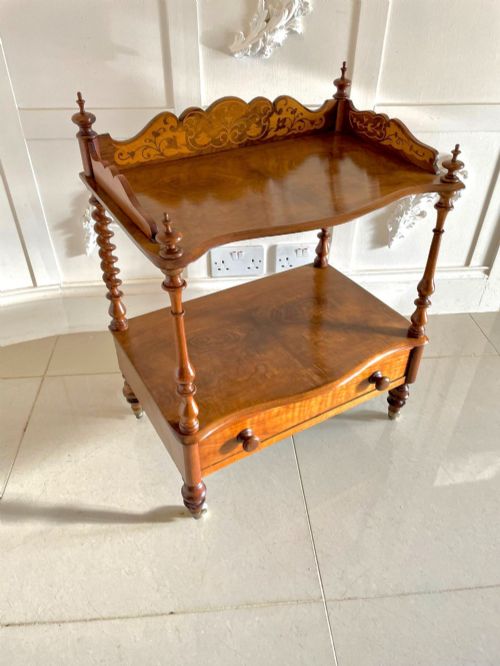
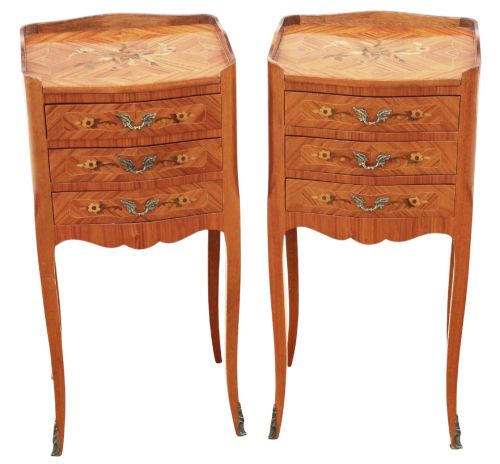
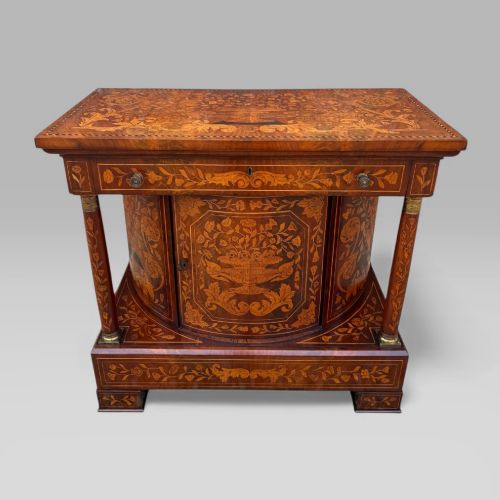
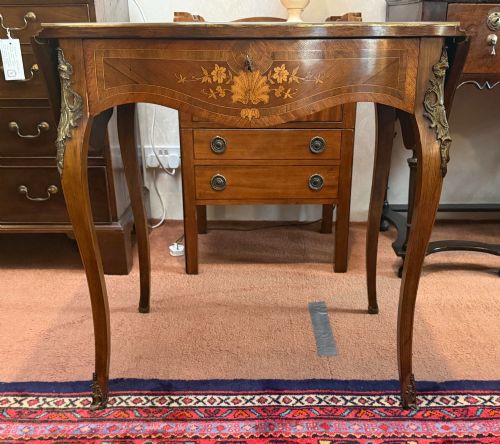
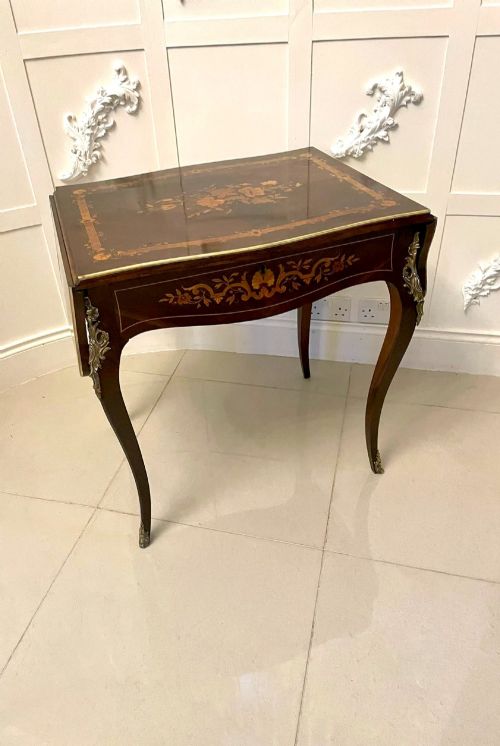
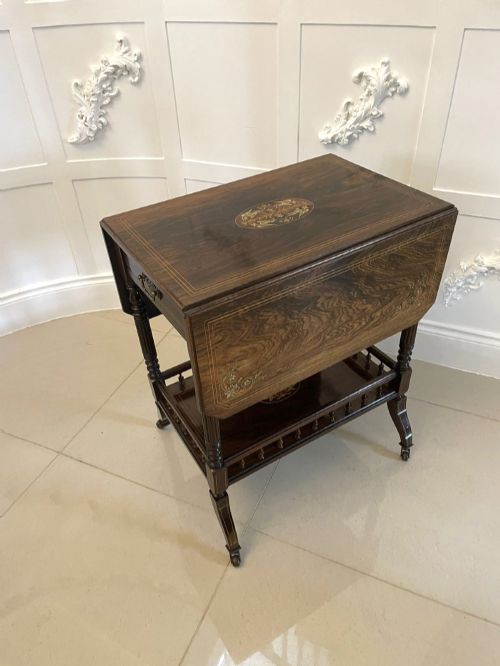
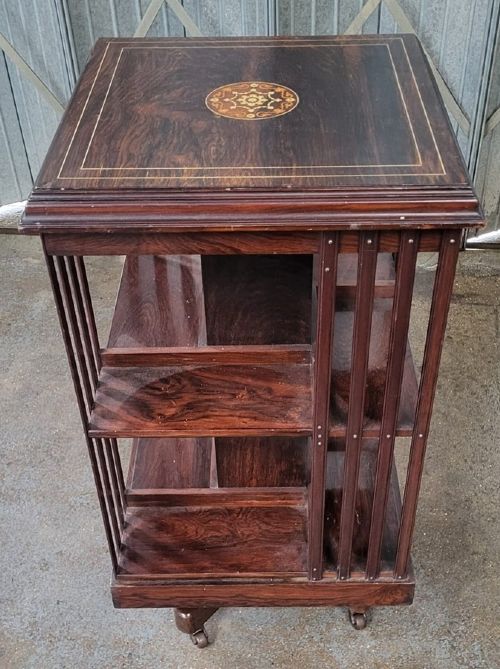
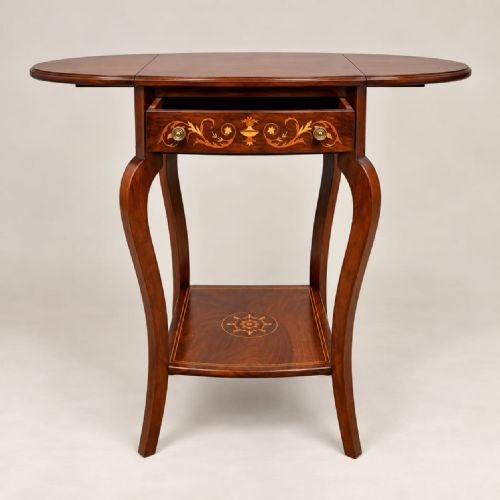
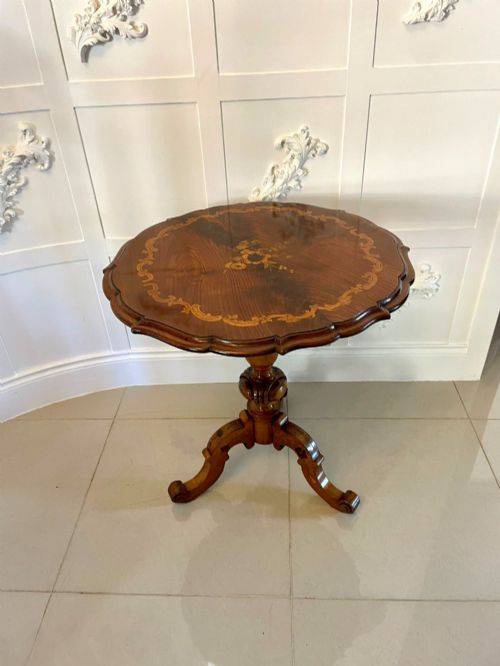
The search for an inlaid marquetry side table encompasses a wide variety of domestic forms from the eighteenth, nineteenth, and early twentieth centuries. Pieces span occasional tables, lamp tables, card tables, and bedside cabinets produced across English, French, Dutch, and Italian workshops.
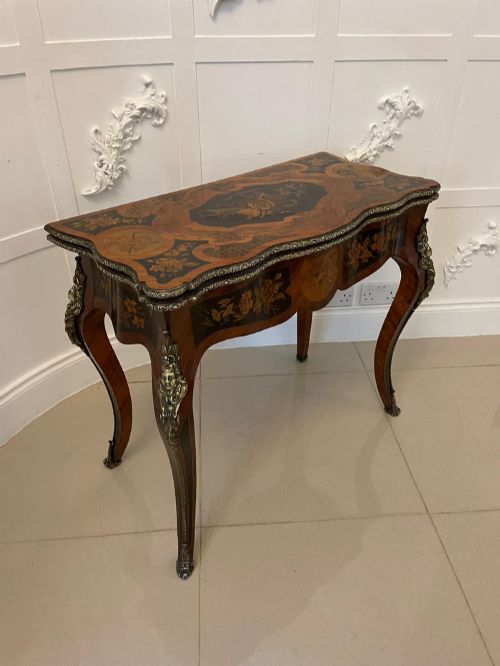
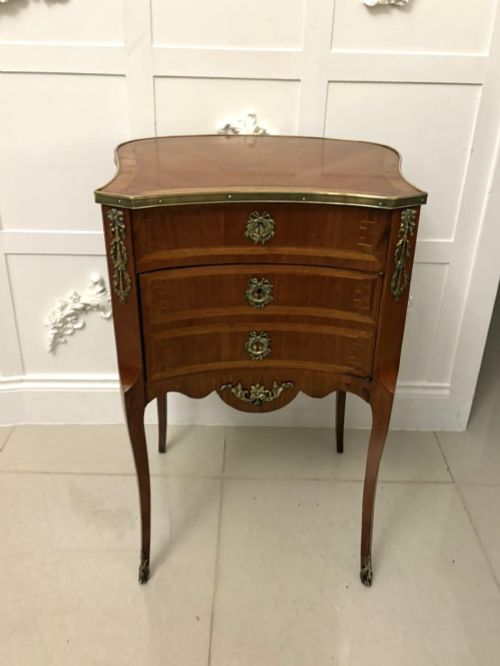
Victorian and Edwardian examples in walnut and mahogany appear frequently alongside French Louis XV revival pieces featuring elaborate floral or pictorial veneers. Buyers encounter everything from compact bedside stands to large freestanding centre tables designed for the middle of a room.
Materials and Techniques
Cabinet makers utilised dense hardwoods such as walnut, mahogany, rosewood, and kingwood as the primary structural bodies and veneering grounds. Contrasting timbers including satinwood, harewood, and birch provided the varied tones required for detailed pictorial and geometric inlay.
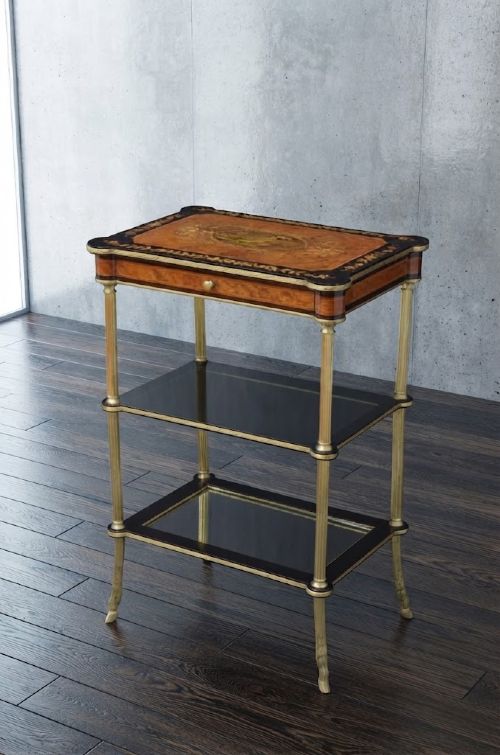
Marquetry involved fitting precisely cut pieces of veneer together into paper-thin sheets before gluing them to the carcase, often supplemented by cast or chased ormolu mounts, brass stringing, and ebonised detailing.
Listings feature walnut, mahogany, satinwood, and kingwood across Victorian, Edwardian, and eighteenth-century periods.
Craftsmanship and Execution
Quality separates along the precision of the veneer cutting and the tightness of the joints within the marquetry panels. Superior examples display seamless integration of contrasting woods without excessive filler, while lesser pieces show wider gaps or lifting edges.
The choice of secondary timbers, the weight and detail of any bronze or ormolu mounts, and the crispness of hand-cut brass stringing distinguish standard production from exceptional cabinet work.
Gillows·Edwards and Roberts
The Inlaid Marquetry Side Table Glossary
- Marquetry inlay
- Decorative veneer work forming pictorial or geometric designs by assembling small pieces of various coloured woods.
- Ormolu
- Gilt-bronze mounts and decorative hardware applied to the corners, legs, and aprons of fine furniture.
- Parquetry
- Geometric patterns formed by small pieces of contrasting veneer, distinct from the curving pictorial motifs of marquetry.
- Burr walnut
- Timber featuring swirling, mottled grain patterns harvested from tree growths, highly prized for veneering table tops.
- Centre table
- A freestanding piece finished on all sides so it can stand away from walls in the middle of a room.
Inlaid Marquetry Side Table: Frequently Asked Questions
How do I clean an antique marquetry top?
Dust the surface regularly with a soft, dry cloth to prevent dirt accumulation in the veneer joints. Avoid modern liquid polishes containing silicone, which can penetrate hairline cracks in old finishes.
Apply a microcrystalline wax sparingly once or twice a year to nourish the wood and protect the delicate inlay work. Keep the table away from direct sunlight and radiators to prevent the wood from drying out and the veneer from lifting.
Can I use a side table for daily lamp placement?
Most antique side tables easily support standard table lamps, occasional reading materials, and small decorative objects. Ensure the weight is distributed evenly across the centre of the top rather than resting on cantilevered drop leaves.
Use felt pads under the base of any lamp or heavy decorative item to prevent scratching the delicate French polish or wax finish on the marquetry veneer.
How do I tell an 18th century table from a Victorian revival?
Eighteenth-century pieces typically exhibit hand-cut dovetails, oak or pine secondary woods, and simpler structural framing beneath the decorative veneers. The marquetry tends to feature naturalistic floral sprays executed in lighter satinwood and walnut.
Victorian revival pieces often utilise machine-sawn veneers, different secondary woods like deal or mahogany, and heavier ormolu mounts. Makers of the nineteenth century frequently copied earlier Louis styles with greater symmetry and denser background timbers.