
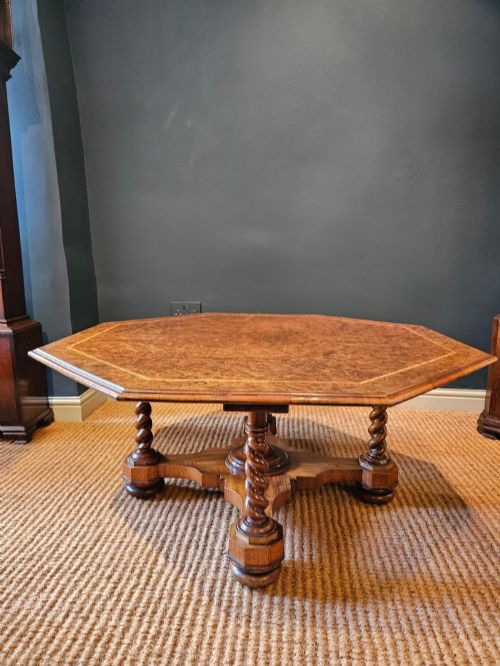

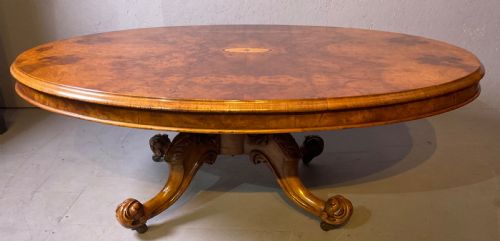
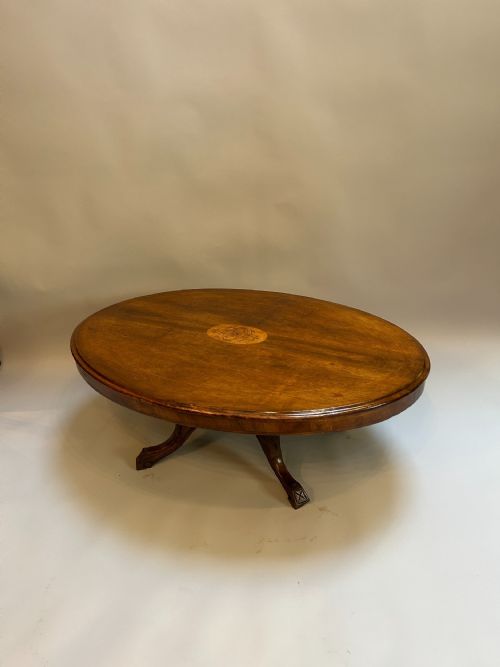
Inlaid Low Table
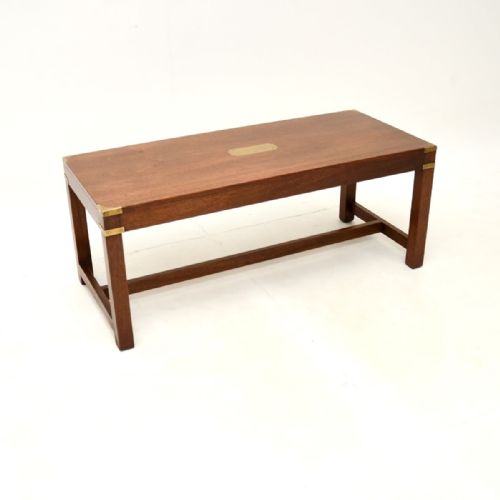
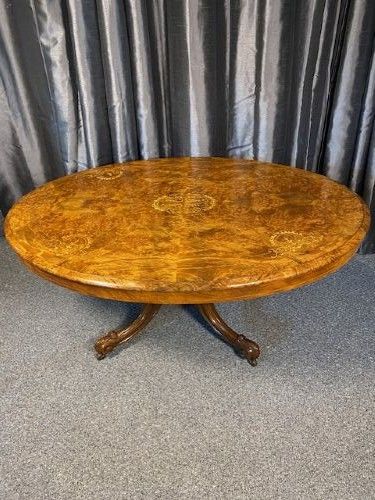
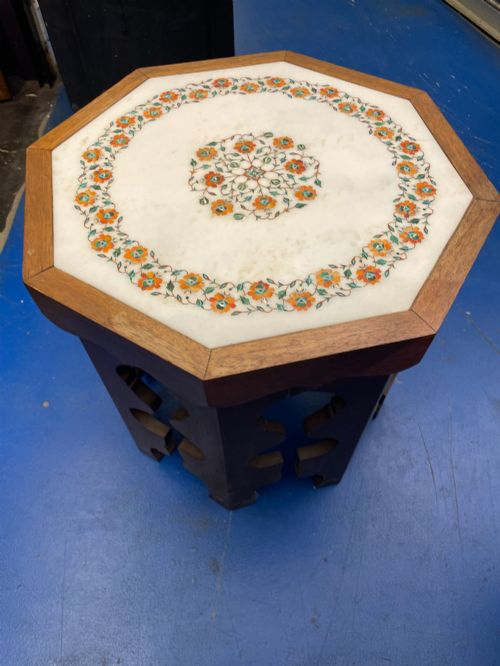
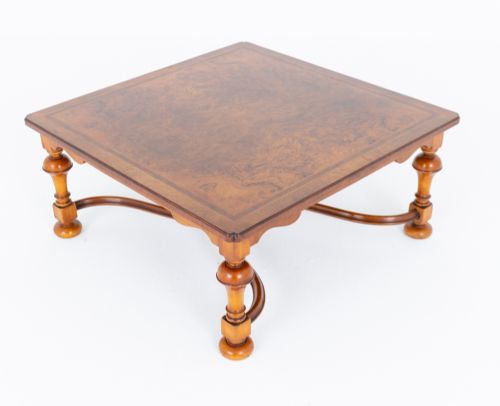
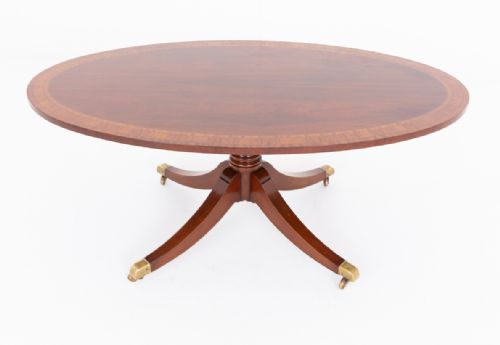
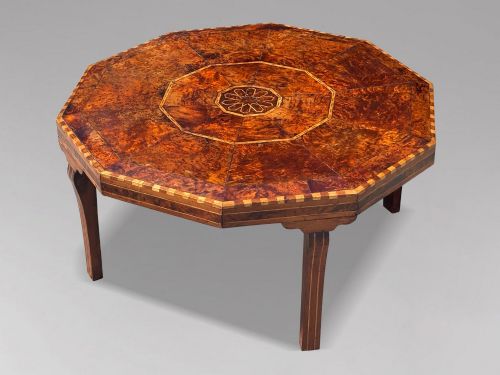
When you search for an inlaid low table, you enter a diverse landscape of decorative surfaces ranging from Victorian burr walnut to French marquetry and Moorish design.
Inlaid Low Table
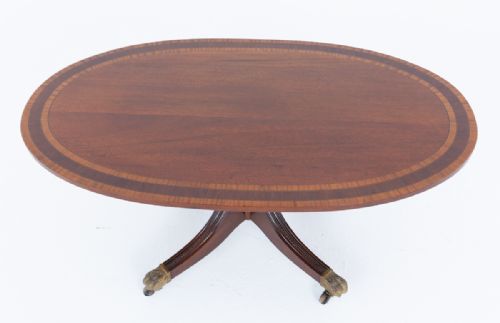
An inlaid low table brings together centuries of surface ornament and domestic utility, appearing in forms from round occasional tables to octagonal coffee tables and low side tables.
The pieces on this page span the seventeenth century through the Art Deco period, with strong representation from Victorian walnut pieces and French coffee tables.
Makers and workshops utilised various woods like mahogany, satinwood, and burr yew, incorporating brass or wood inlay to define the tabletop.
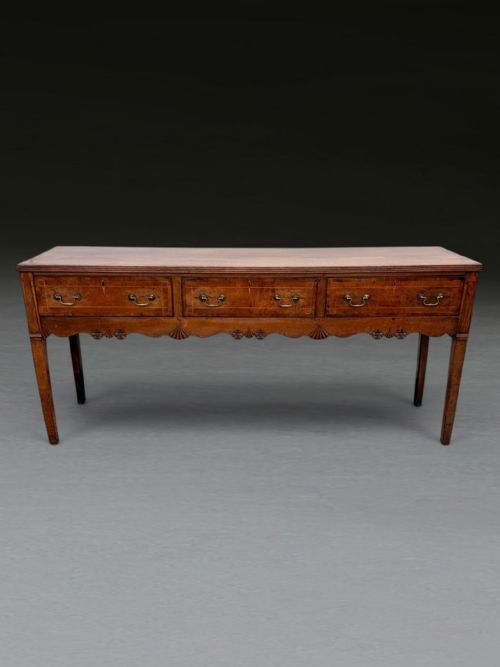
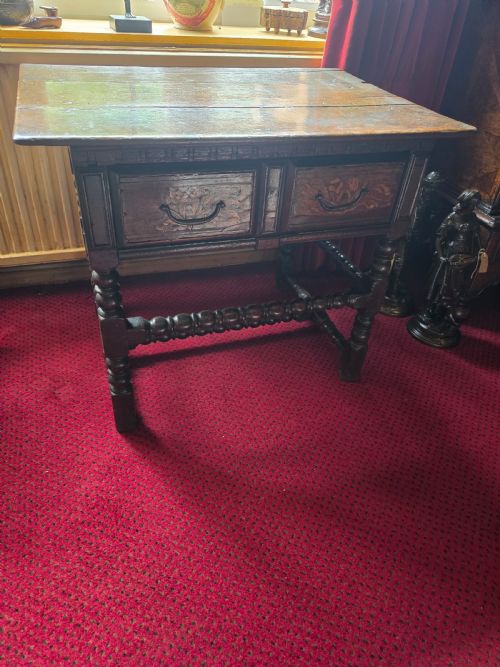
Alongside traditional English lowboys and Georgian dresser bases, buyers encounter continental centre tables and specialised lamp tables designed for lower seating arrangements.
Materials and Construction Methods
Makers constructed these tables using a foundation of solid timbers such as oak, mahogany, and walnut, frequently applying fine veneers of burr walnut, rosewood, or satinwood to the primary surfaces.
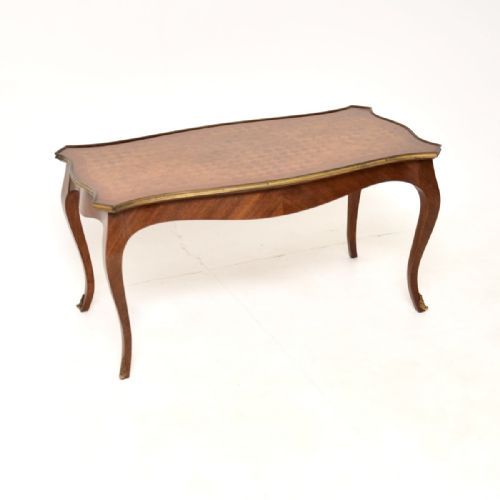
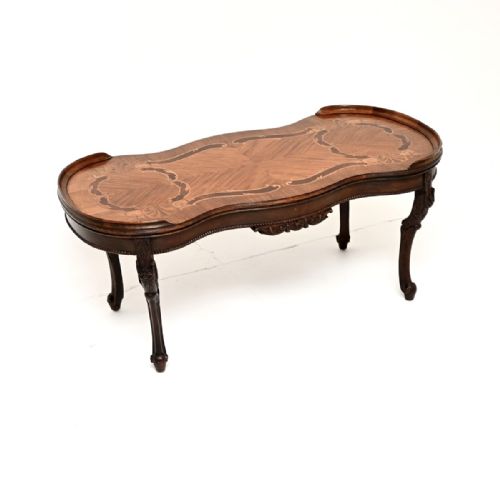
Decorative elements relied on precision cutting of contrasting materials like boxwood, fruitwood, brass, and mother of pearl to create intricate parquetry, marquetry, and linear stringing.
Structural embellishments included hand-carved bases, ormolu mounts, and gilt bronze details, depending on the stylistic influence of the workshop.
Listings feature walnut, mahogany, and oak tables decorated with boxwood inlay, brass, and marquetry across Victorian and twentieth-century periods.
Evaluating Craftsmanship and Design
The distinction between ordinary and exceptional examples rests in the precision of the inlay work and the quality of the underlying timber figures, such as burr walnut or birds-eye maple.
Superior tables display seamless integration of contrasting woods and metals where individual pieces fit tightly without excessive filler, maintaining crispness in floral or geometric motifs.
The integrity of the structural frame, the harmony of proportion between the low height and the top, and the retention of original surface patination elevate certain pieces above standard production.
Gillows of Lancaster·Edwards and Roberts·Majorelle·Waring and Gillow
The Inlaid Low Table Glossary
- Marquetry
- The art of forming decorative patterns by fitting together small pieces of wood veneer, shell, or metal onto a structural surface. This technique allows for elaborate pictorial or floral designs across tabletops.
- Parquetry
- A geometric mosaic of wood pieces used for decorative floors and tabletops. It relies on symmetrical patterns like cubes, chevrons, or squares.
- Lowboy
- A traditional English side table with drawers, typically standing on four legs at a low height. Eighteenth-century examples often feature cabriole legs and delicate drawer pulls.
- Ormolu
- Gilt bronze ornamentation applied to furniture mounts, feet, and edges. It gained widespread use in nineteenth-century French cabinet making.
- Satinwood
- A durable, hard wood with a natural golden sheen and satin-like texture. It served as a favoured veneer for light-coloured inlay and banding during the Georgian and revival periods.
Inlaid Low Table: Frequently Asked Questions
What is an inlaid low table used for?
These tables function primarily as coffee tables, lamp tables, or occasional surfaces placed beside seating. Their reduced height accommodates domestic living spaces while providing a decorative display area.
Historically, many low tables originated as larger dining or centre tables that were subsequently reduced in height, or they emerged from specialised nineteenth-century forms like lowboys and dwarf bookcases adapted for modern use.
How do I identify French pieces?
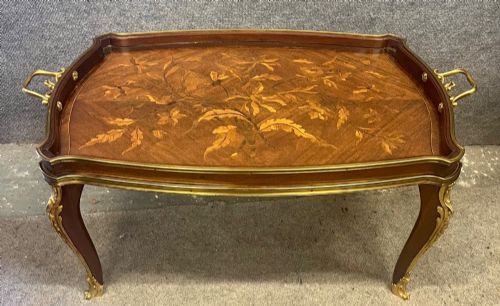
French tables frequently incorporate elaborate marquetry, parquetry, and gilt bronze or ormolu mounts. Woods such as tulipwood and rosewood often appear in these designs.
Stylistic markers include Louis XV revival curves, intricate floral motifs, and signed or stamped workshop plaques embedded in the woodwork.
Are these tables sturdy enough for daily use?
Most antique tables tolerate normal daily placement of lamps, books, and cups when handled with reasonable care. Solid wood frames and sound joinery ensure structural stability.
Delicate veneers and intricate brass or wood inlay require protection from excessive moisture, heat, and direct sunlight to prevent lifting or drying out over time.
How do I date an inlaid table?
Dating relies on examining the secondary timbers used in the frame, the style of the inlay, and the construction methods of the joints. Georgian pieces show hand-cut dovetails and native fruitwoods, while Victorian examples often feature dark walnut and heavier brass mounts.
Art Deco and later twentieth-century iterations display geometric minimalism, stylized rosewood veneers, and machine-assisted construction techniques.