


Inlaid Accent Table
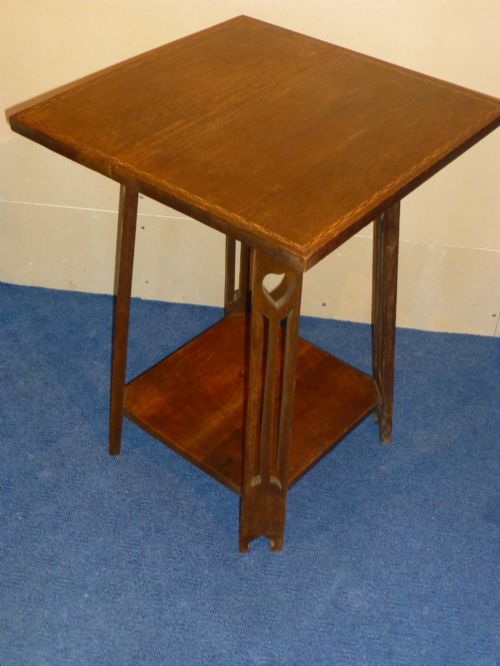
An inlaid accent table brings patterned timber, bone, or brasswork into a room, serving as a compact surface that catches the eye.
Inlaid Accent Table
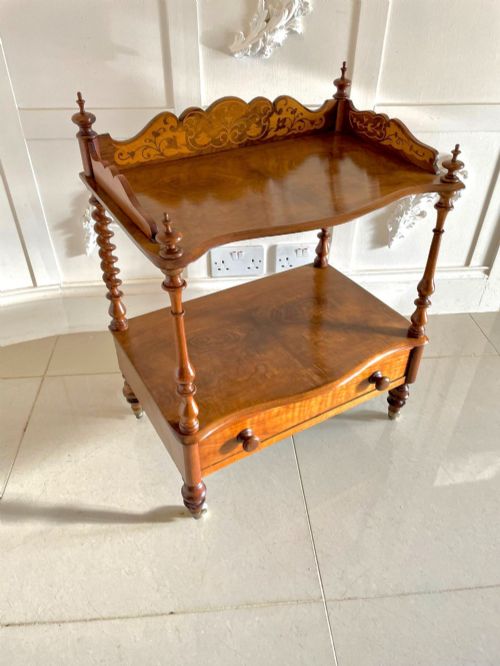
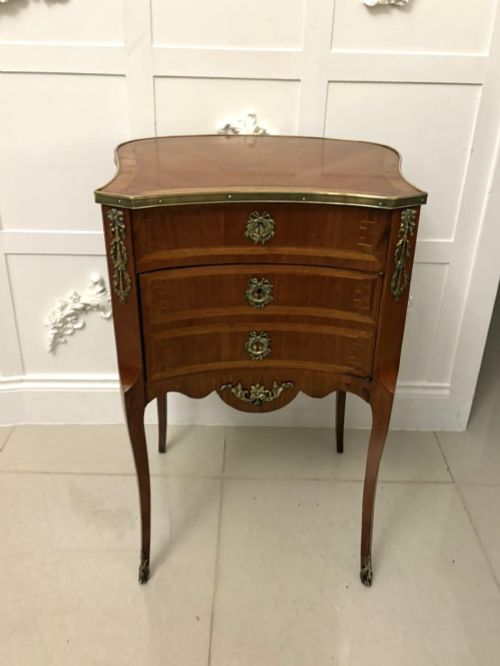
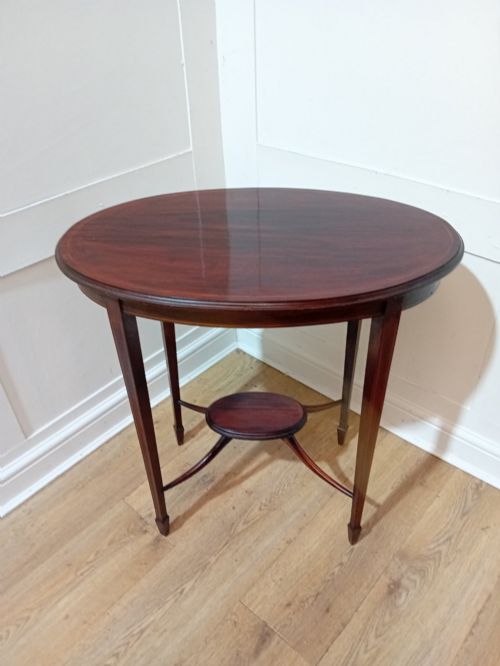
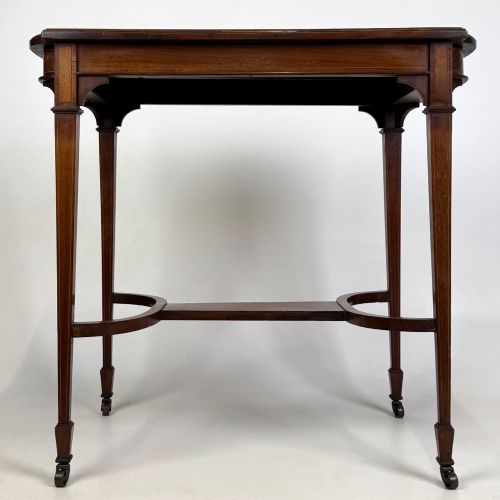
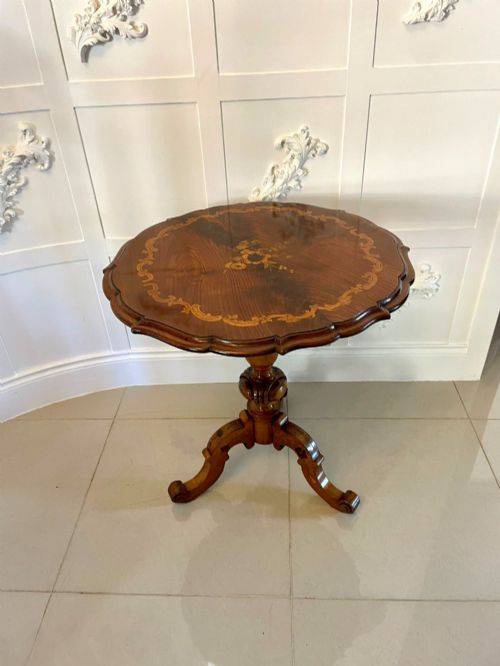
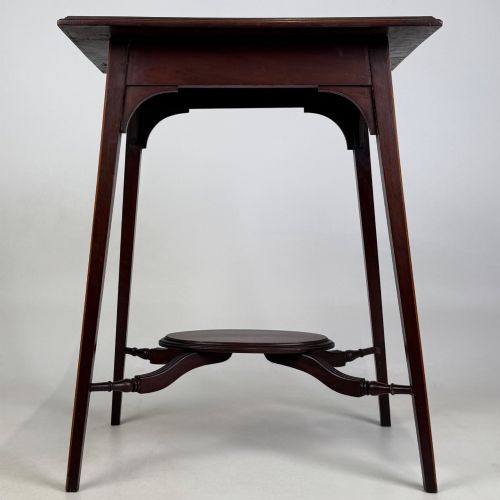
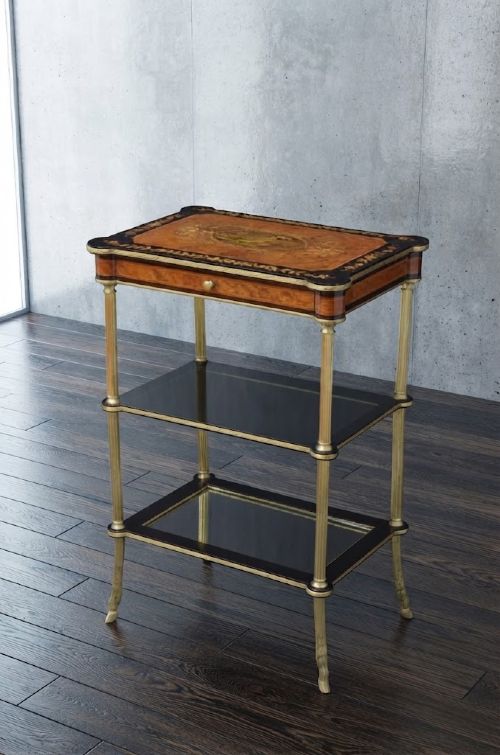
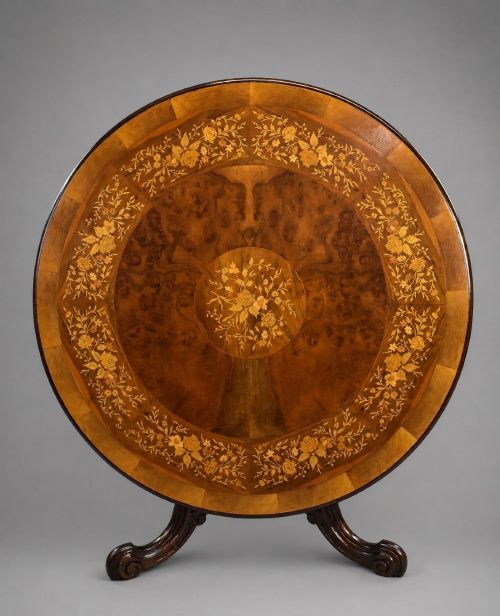
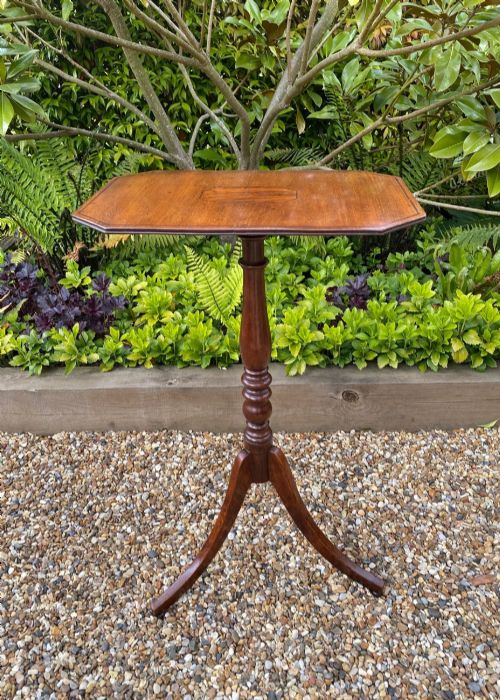
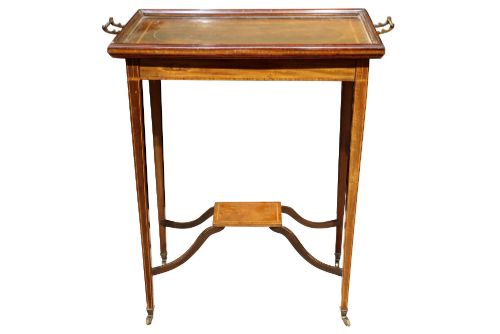
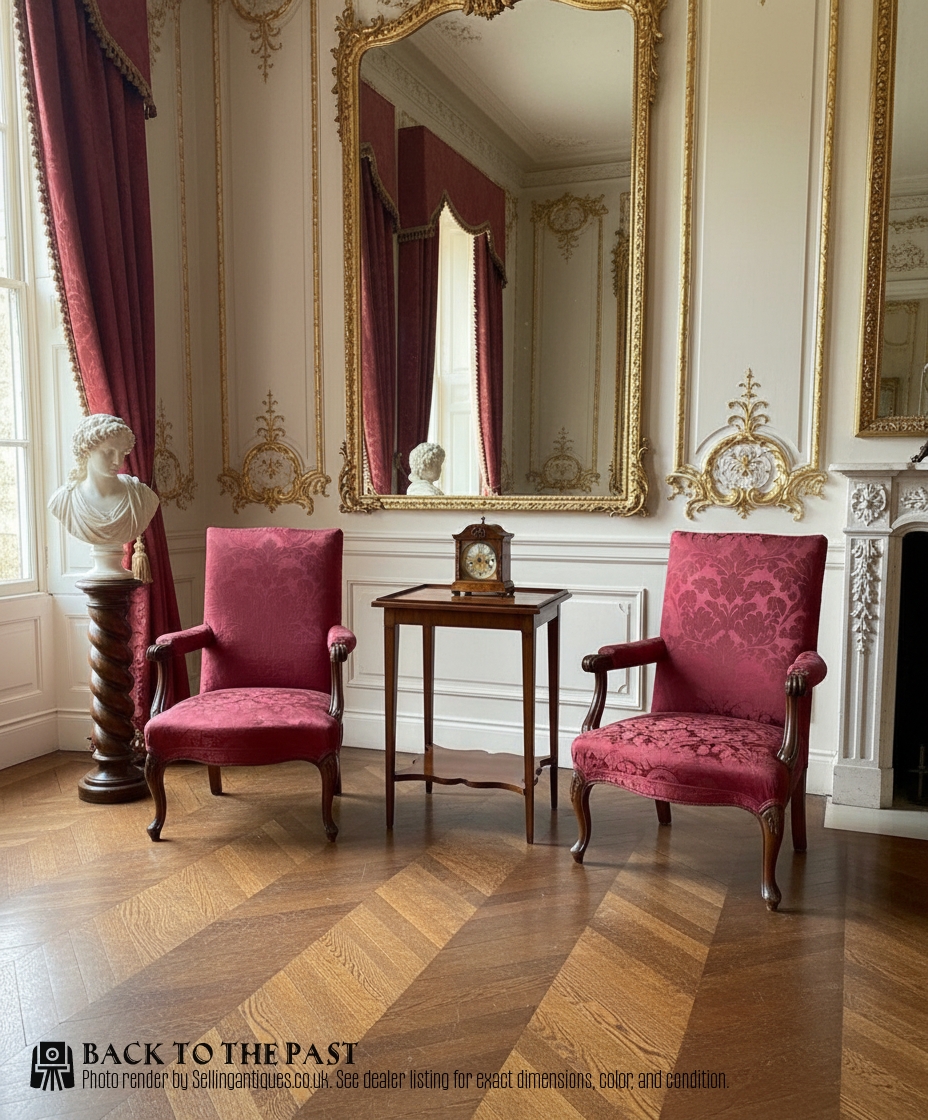
An inlaid accent table appears in various compact forms across this page, including lamp tables, occasional tables, side tables, and wine tables. These pieces serve primarily to hold small items or illuminate a corner while introducing decorative surface detail.
The selection spans several centuries, drawing heavily from Victorian and Edwardian periods alongside earlier Georgian and Regency examples. Mahogany and walnut frameworks dominate, frequently enriched by contrasting veneers and intricate surface decoration.
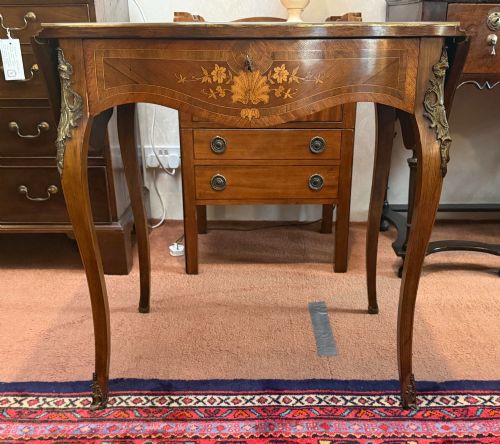
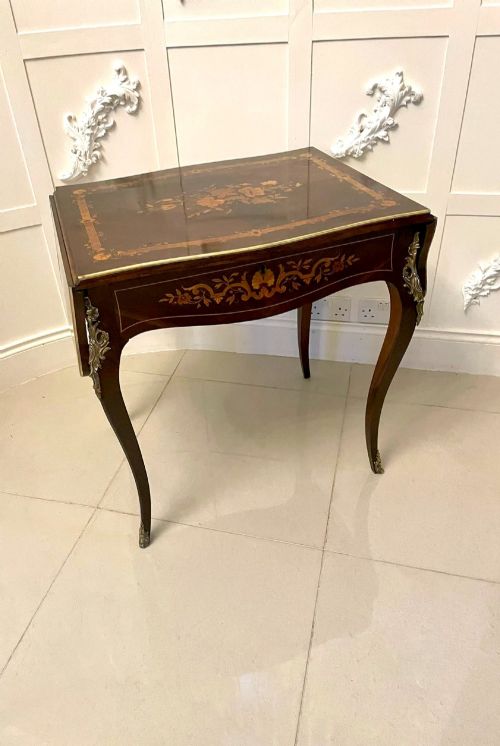
Buyers meet diverse regional styles here, from French Louis XV marquetry to Anglo-Indian and Hoshiarpur tables featuring bone and brass inlay. Each piece reflects the prevailing aesthetic of its era, whether classical British revival or intricate imported craftsmanship.
Materials and Technique
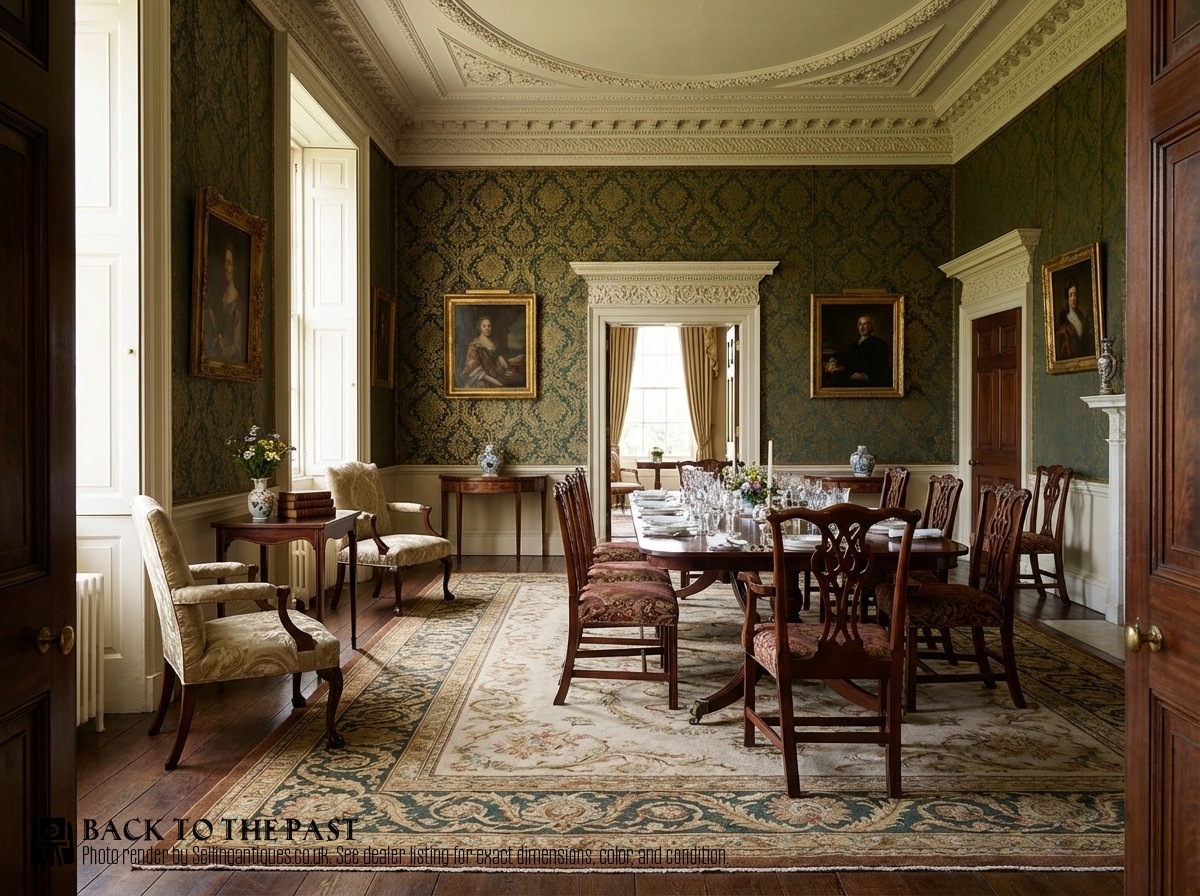
Cabinetmakers constructed these tables using a foundation of solid timbers such as mahogany, oak, or walnut, overlaid with finer veneers like satinwood, rosewood, and kingswood. This method allowed artisans to create striking geometric and floral patterns across the top surface.
Inlay work relied on meticulously cutting contrasting materials - including bone, brass, mother-of-pearl, and various exotic woods - to fit flush into recessed channels within the primary timber. Artisans then scraped and polished the surface to achieve a seamless tactile finish.
Inlaid Accent Table Retail Price Guide 2026
Typical asking prices for inlaid accent table among the pieces listed under this phrase on Sellingantiques today, from the lower quarter to the upper quarter. They describe what is for sale here now, not the wider market.
Listings feature woods such as mahogany, satinwood, and rosewood alongside bone, brass, and ormolu inlay across various nineteenth-century periods.
Craftsmanship and Proportion
The distinction between standard examples and finer pieces lies in the precision of the veneer work and the depth of the marquetry. Superior tables display crisp alignment in multi-wood patterns without visible gaps or excessive filler along the joints.
Structural integrity and timber selection further separate the tiers of quality, evident in the choice of secondary woods, the stability of the pedestal or leg joints, and the retention of original brass galleries or mounted hardware.
Liberty & Co.·William Birch·Gillows
The Inlaid Accent Table Glossary
- Marquetry
- The art of applying decorative pieces of veneer to a structure to form intricate pictorial or geometric designs. This technique defines many of the French and Victorian pieces on display.
- Ormolu
- Gilded bronze used for decorative mounts and edgings on furniture, particularly associated with French styles. It adds a metallic accent to the corners and legs of formal tables.
- Pembroke table
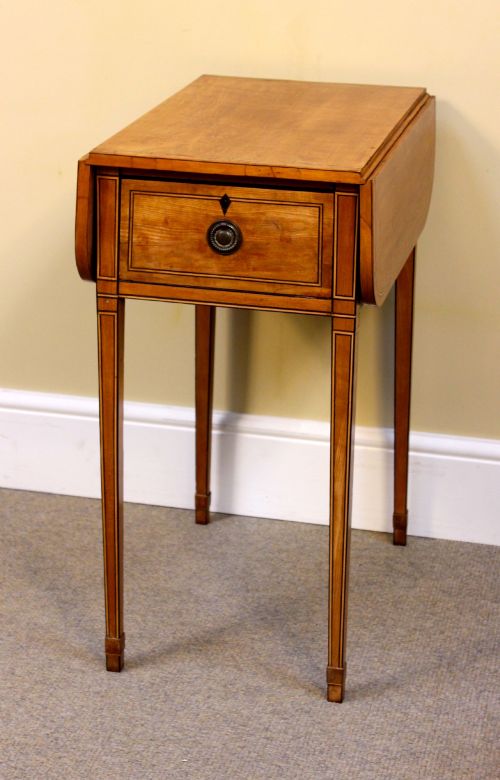
- A small, versatile table with hinged drop leaves on either side, often fitted with a single drawer. George III and eighteenth-century examples represent standard forms of this design.
- Parquetry
- A geometric mosaic of wood pieces used for floors and tabletops. It differs from marquetry by strictly following repeating angular patterns.
Inlaid Accent Table: Frequently Asked Questions
How do I clean an inlaid accent table?
Dust the surface regularly with a soft, dry cloth to prevent dirt accumulation within the inlaid channels. Avoid using harsh chemical sprays or excess moisture, which can loosen delicate veneers and lift bone or brass elements.
Apply a quality furniture wax sparingly to nourish the surrounding timber and maintain a protective barrier. Buff gently with a clean cloth after application to preserve the natural lustre of the wood.
Where should I place an occasional table?
Position these compact surfaces beside armchairs, sofas, or in neglected corners where they provide functional space for a lamp or book. Their modest footprint allows them to integrate smoothly into living rooms and bedrooms alike.
Keep tables away from direct heat sources and strong sunlight to prevent the timber from warping or the delicate veneer from fading. Consistent indoor humidity helps preserve both the structure and the inlay.
What is the difference between marquetry and inlay?
Marquetry involves covering the entire surface of a table with an assembled mosaic of veneers to create a pictorial design. The pieces are fitted together before being glued onto the underlying carcase.
Inlay specifically refers to inserting contrasting materials into carved recesses within a solid piece of wood. The surrounding timber remains visible as the primary background rather than serving merely as a base.
How do I identify a Victorian table?
Victorian pieces frequently employ dense timbers like burr walnut and feature darker finishes combined with elaborate marquetry. Construction methods from this era often show machine-sawn components alongside hand-finished details.
Look for design cues such as cabriole legs, serpentine edges, and revival motifs drawn from earlier French or English styles. The proportion and weight typically reflect nineteenth-century domestic interior trends.