

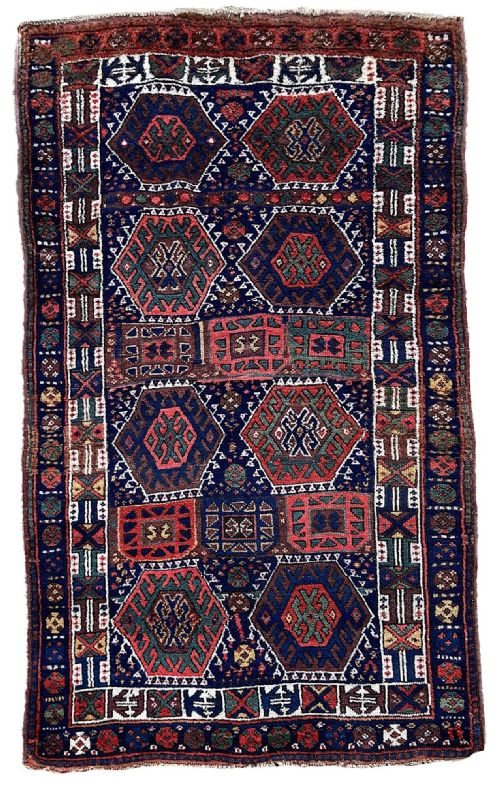


Indigo Blue Rug
An indigo blue rug brings deep vegetal dye into a room through hand-knotted tribal and village woolwork.
Indigo Blue Rug
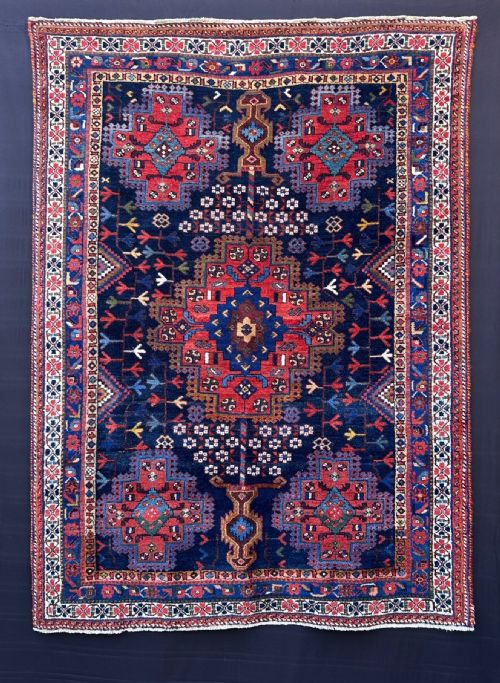
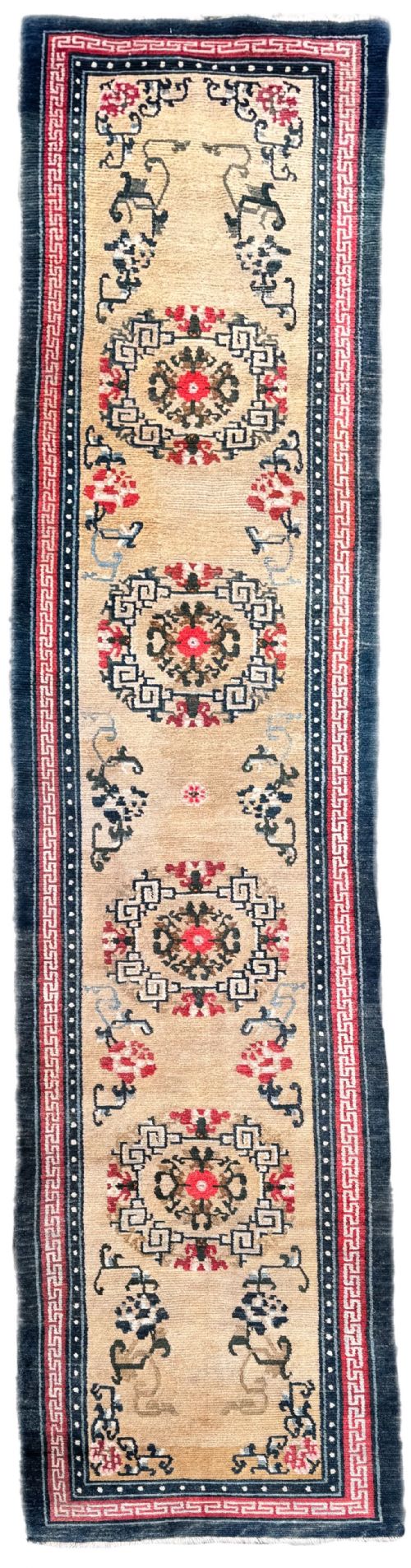
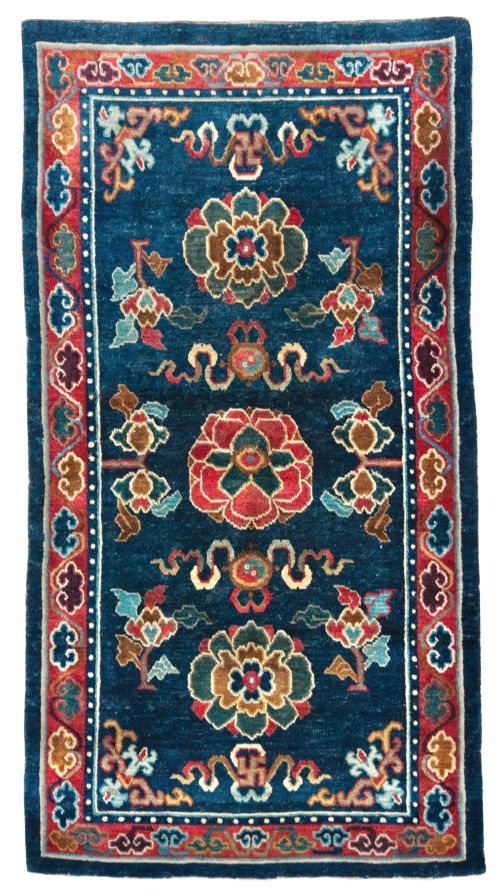
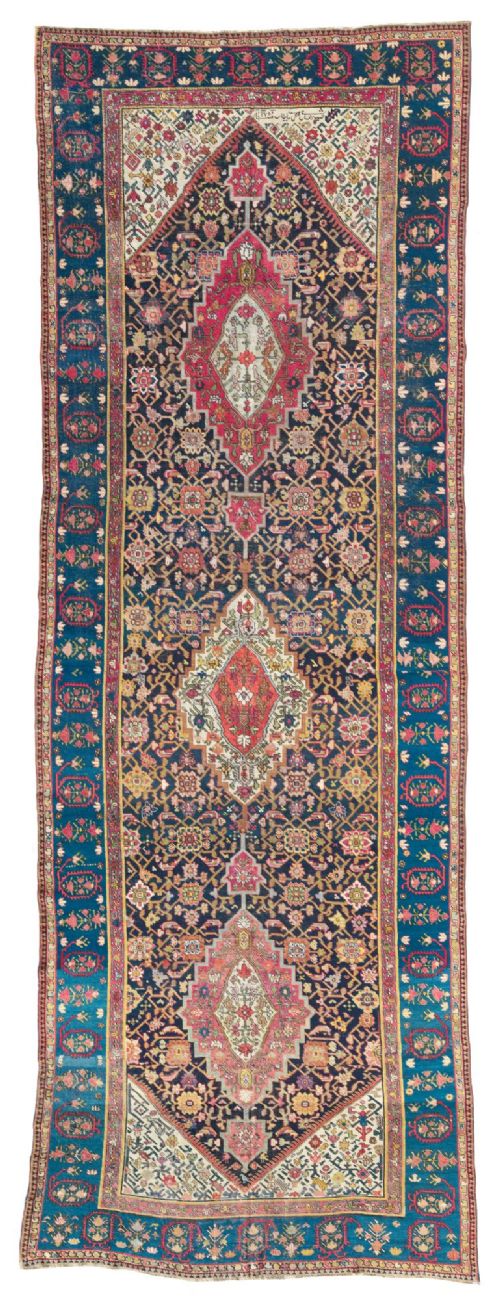
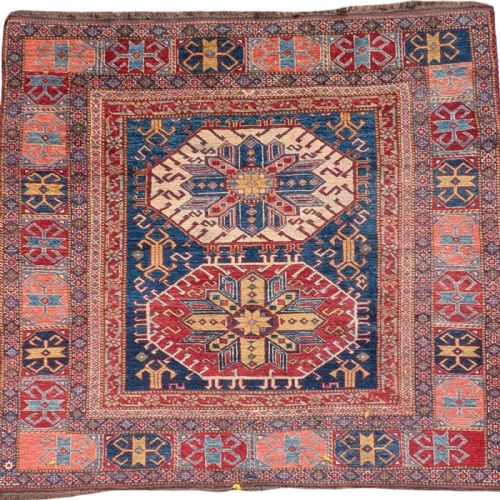
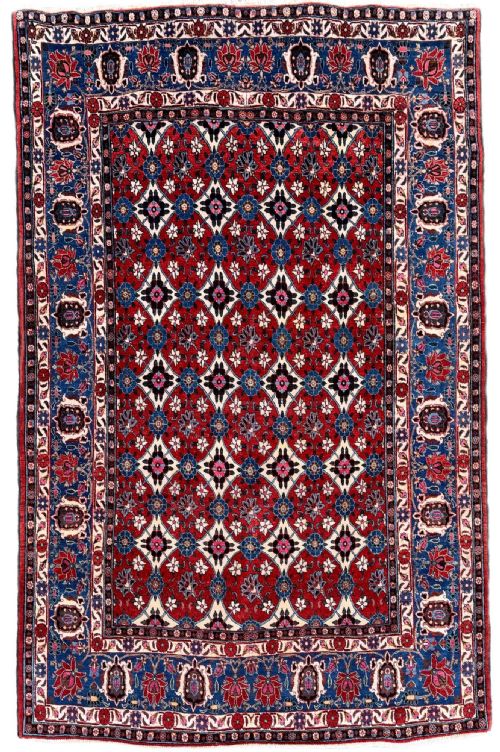
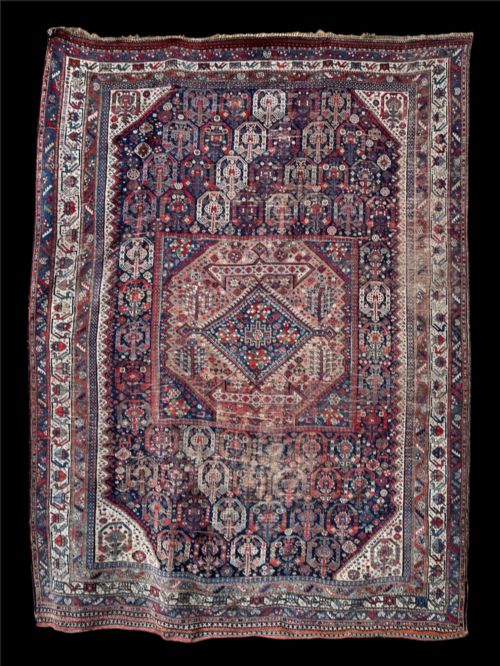
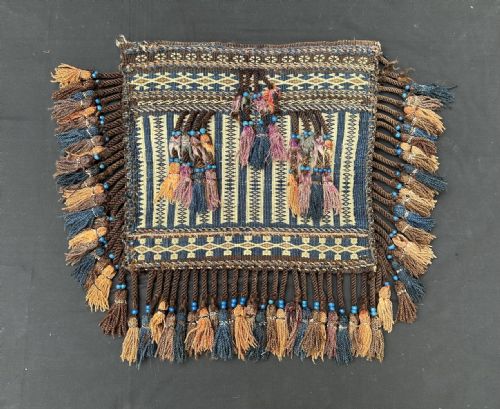
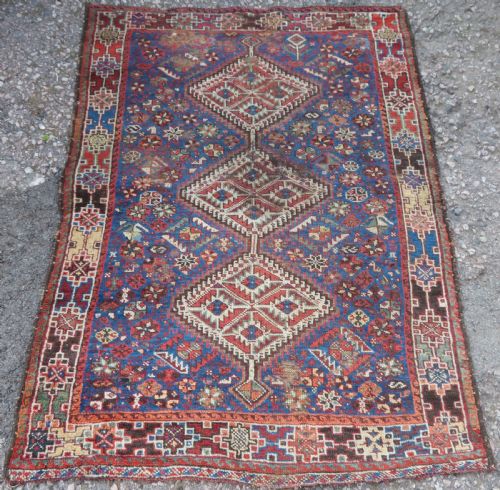
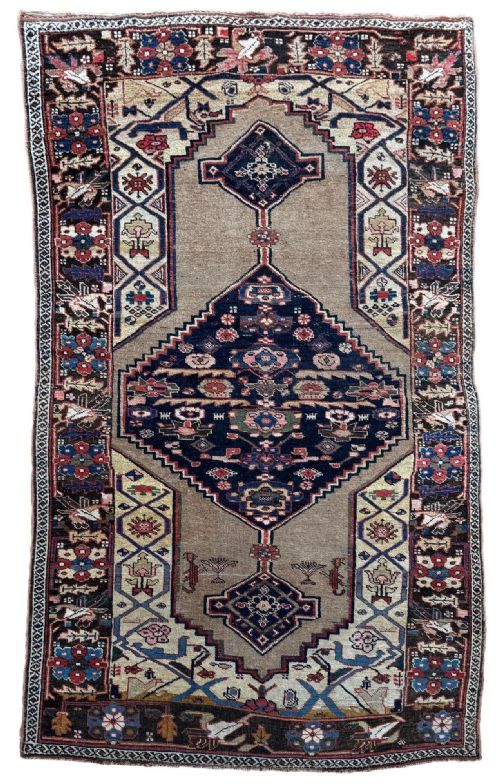
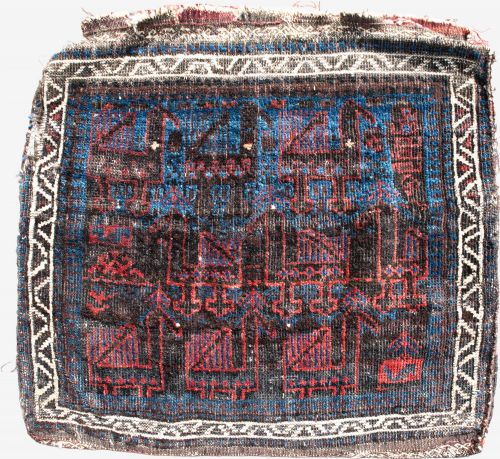
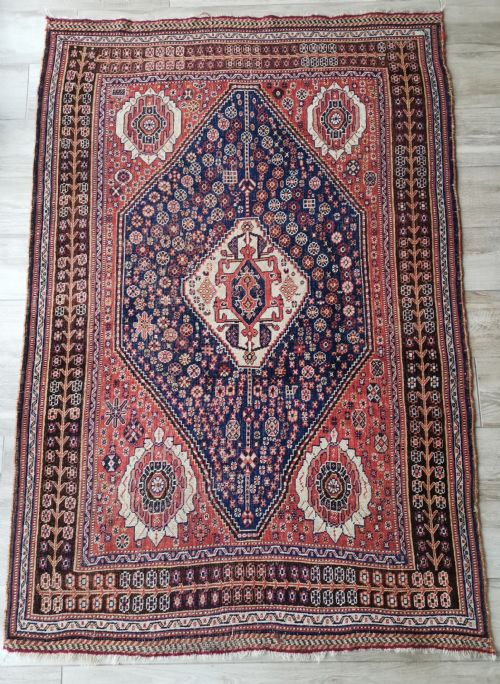
An indigo blue rug encompasses woven floor coverings and flat-weaves from Persian, Caucasian, Turkish, and Tibetan traditions. Buyers encounter village carpets, runner rugs, and tribal bag faces bearing saturated blue grounds.
The selections span the nineteenth and early twentieth centuries, produced by regional weavers using wool, cotton, and goat hair. Formats range from long narrow runners to square seating mats and large tribal carpets.
How these rugs were made
Weavers knotted hand-spun wool onto cotton or wool foundations, utilising natural dyes extracted from plants to achieve deep blue shades. Certain pieces incorporate goat hair and glass beads for structural reinforcement and ornamentation.
Village and nomadic workshops constructed these textiles on horizontal or vertical looms, employing asymmetrical or symmetrical knots alongside flat-weave kilim techniques.
Nomadic weavers occasionally stitched glass beads directly into their storage bags to ward off the evil eye.
What varies in quality
The saturation and depth of the natural blue dye determine the visual impact, along with the consistency of the hand-spun wool across the pile. Regional precision in tribal motifs separates standard pieces from exceptional village examples.
Structural integrity depends on the tightness of the knotting and the preservation of the original side cords and end finishes.
The Indigo Blue Rug Glossary
- Kelim
- A flat-woven carpet or rug produced without a pile by tightly interweaving warp and weft threads. These textiles often serve as floor coverings or hanging wall art.
- Kazak
- A style of rug originating from the Caucasus region, recognised for geometric medallions and bold primary colours. Weavers utilised rich natural dyes on wool foundations.
- Boteh
- A stylised almond or paisley motif representing a floral spray or cypress tree. This ancient design appears frequently in Persian and Caucasian tribal weaving.
- Runner
- A long, narrow carpet format designed for corridors, hallways, or bedside placement. These pieces balance repeated geometric fields with elongated dimensions.
Indigo Blue Rug: Frequently Asked Questions
How do I place an indigo blue rug in a modern room?
These carpets anchor neutral floorboards and stone tiles with deep vegetal tones. Their geometric and tribal patterns provide contrast against minimalist contemporary furniture.
Position runners in hallways or smaller mats beside seating areas to let the saturated blue ground draw the eye through the space.
What maintenance does antique wool require?
Regular gentle vacuuming without a beater bar removes grit from the wool pile. Professional specialist cleaning preserves the natural dyes and lanolin in the fibres.
Keep woven textiles out of direct sunlight to prevent the indigo dye from fading unevenly over decades.
How are regional Caucasian styles identified?
Caucasian pieces display sharp geometric medallions, hooked polygons, and stylised animal forms in contrasting palettes. Star motifs and serrated borders point directly to specific village workshops.
The handle tends to be heavier, with stiff wool foundations supporting dense pile construction.
Why do natural dyes vary in tone?
Plant-based colorants absorb into hand-spun wool with subtle variations across the dye batch. This phenomenon creates abrash, where the blue shade shifts softly in bands down the length of the rug.
Such tonal movement confirms the use of traditional indigo vats rather than synthetic aniline dyes.