
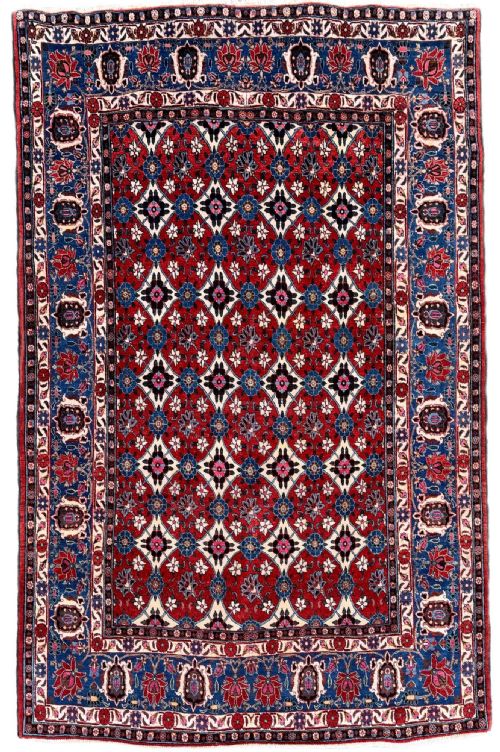
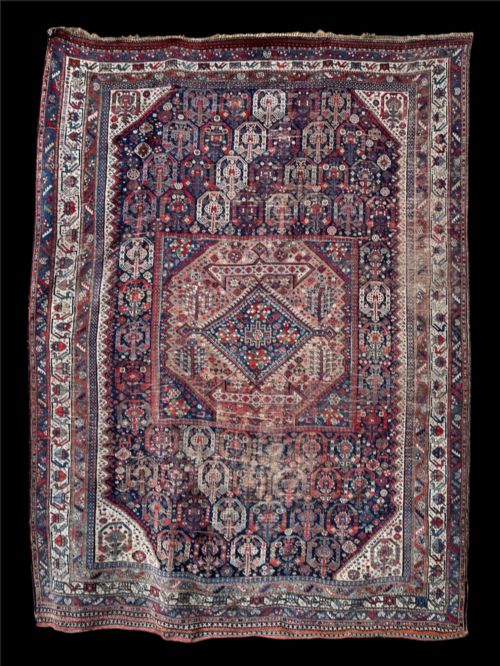
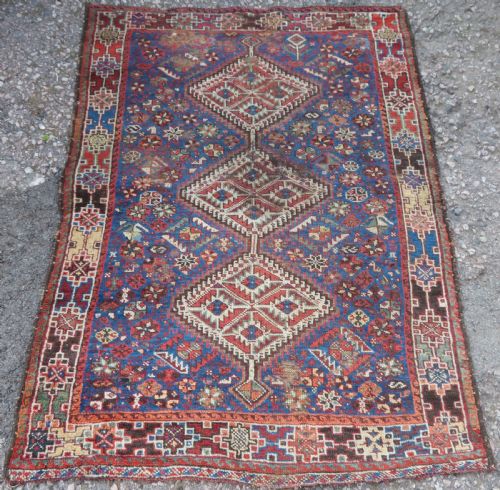
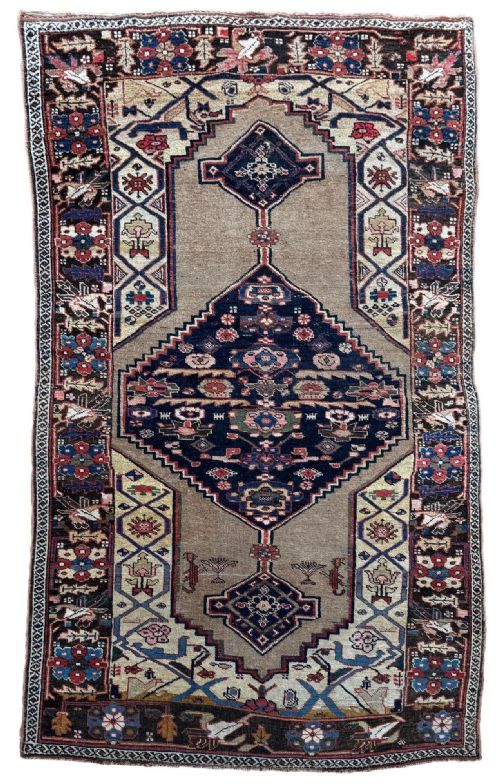




Indigo Blue Area Rug
An indigo blue area rug brings deep colour and centuries of woven tradition directly onto your floor.
Indigo Blue Area Rug
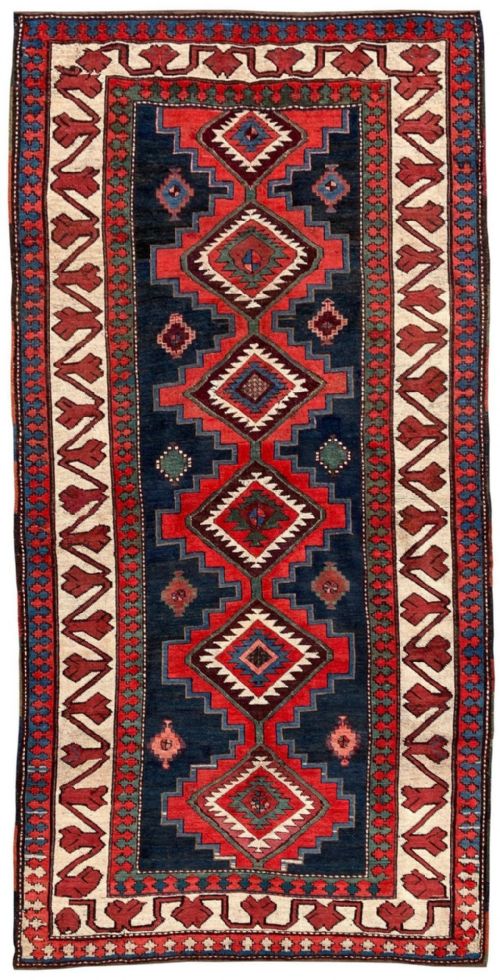
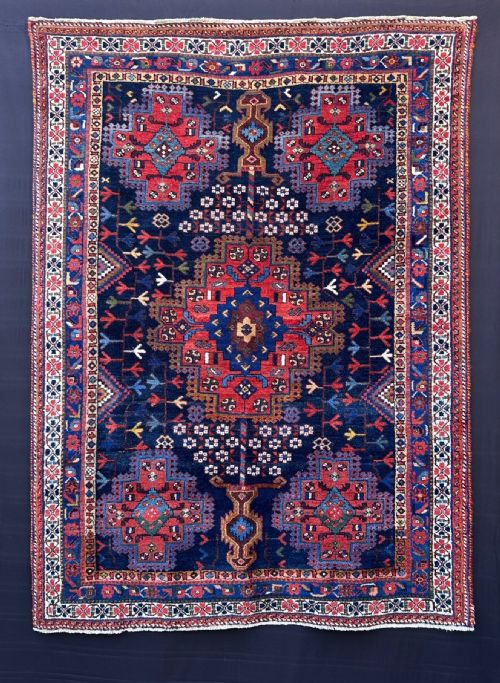
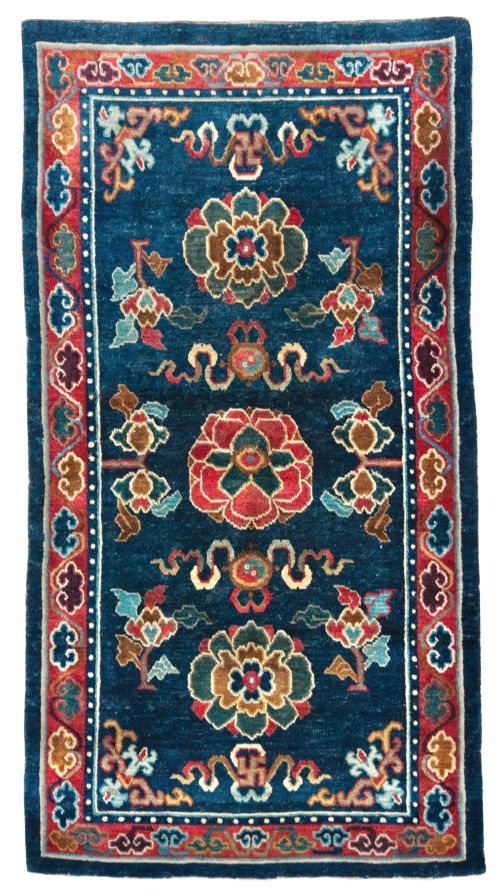
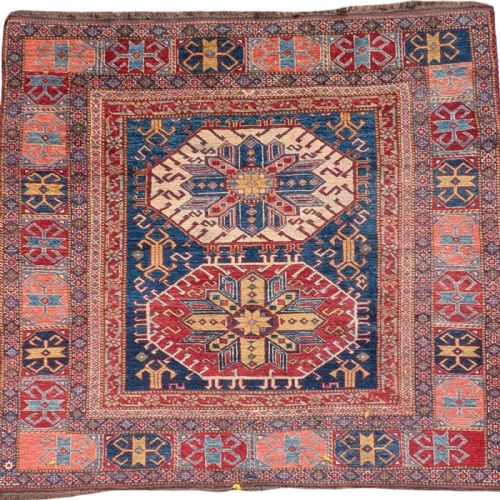
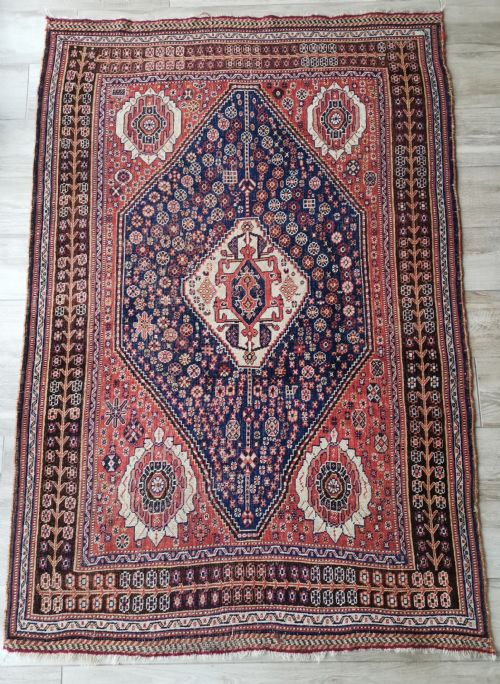
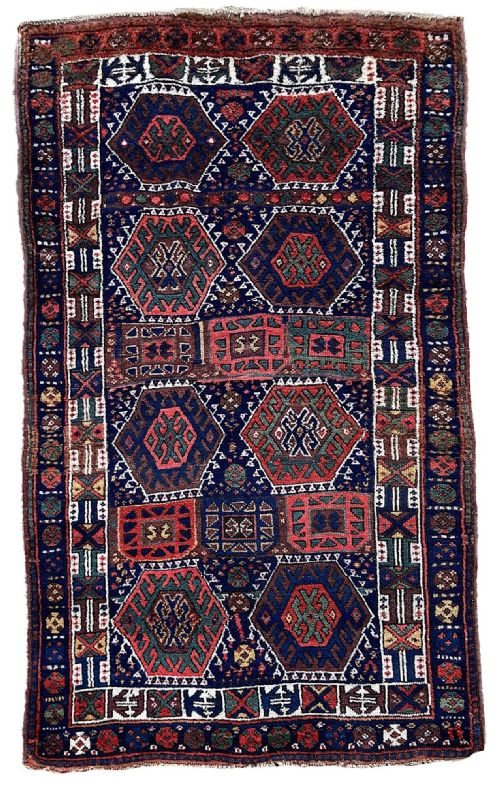
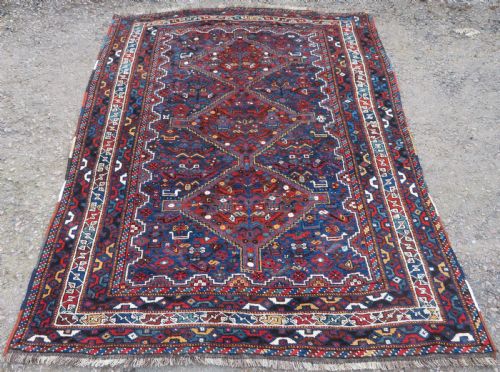
An indigo blue area rug spans tribal and village workshops from Persia, the Caucasus, Tibet, and China, dating from the late nineteenth century into the early twentieth century. These textiles include room-sized carpets, long runners, and smaller seating mats woven by diverse nomadic confederacies and settled communities alike.
The version most commonly met on this page is the Persian tribal rug or Caucasian geometric weaving from around 1900. These pieces often display saturated blue fields populated by medallions, boteh motifs, or distinctive star patterns.
The selection here encompasses regional types such as Afshar, Khamseh, Qashqai, Baluch, and Kazak productions. Each centre of weaving brought specific local geometries and symbolic motifs to the loom.
How they were made
These floor coverings were constructed using wool, cotton, and occasionally goat hair for foundations and pile. Natural dyes produced the characteristic deep indigo blue tones that anchor the palette of these antique pieces.
Weavers knotted wool onto cotton or wool warps andwefts, employing techniques passed down through generations in tribal camps and village houses. The use of natural dye stuffs gave the wool a rich depth that developed subtle variations in shade over time.
Current listings span the 1870s to the 1930s, featuring wool and cotton construction with natural dyes.
What varies in quality
The distinction between standard village production and finer examples rests in the crispness of the drawing and the complexity of the design. Tightly beaten foundations and finely spun wool create a denser handle that holds intricate geometric or floral layouts with greater clarity.
The depth and saturation of the natural indigo dye contribute significantly to the visual weight of the piece. Superior examples display complex abrash where the dye takes differently to the wool, creating tonal movement across the field.
The Indigo Blue Area Rug Glossary
- Abrash
- Natural variations in colour tone caused by batches of yarn dyed at different times or with varying dye strengths.
- Medallion
- A central ornamental motif placed in the middle of the rug field, commonly found in Persian and Caucasian weaving.
- Boteh
- A stylised floral or almond-shaped motif representing a-seed, shrub, or palm leaf, frequently repeated across tribal carpets.
- Warp
- The vertical threads stretched tightly on the loom before knotting begins, forming the structural skeleton of the rug.
- Weft
- The horizontal threads passed across the warp strands between rows of knots to secure the pile in place.
Indigo Blue Area Rug: Frequently Asked Questions
How do I clean an antique indigo blue area rug?
Maintenance requires gentle vacuuming without a rotating beater bar to protect the ancient wool pile and foundational structure.
Professional specialist cleaning is necessary for deeper soil removal to prevent dye bleed or fibre degradation.
Can I place these rugs in high traffic areas?
Many of these tribal pieces were constructed for daily nomadic or domestic use and possess robust wool construction.
Placing a quality underlay beneath the rug reduces friction against hard floors and extends the working life of the textile.
How do I identify a Caucasian rug from a Persian one?
Caucasian examples tend to feature starker geometric polygons, bold primary colours, and sharp angular lines derived from mountain traditions.
Persian village and tribal counterparts often incorporate curved floral elements, intricate medallion arrangements, and softer botanical motifs.
What causes the varied shades of blue in these rugs?
The variation stems from traditional natural dye vats where indigo absorption fluctuated between different batches of hand-spun wool.
Exposure to light and natural wear over the decades further softens the dye into complex, shifting tones known as abrash.