

Impasto Canvas Artwork
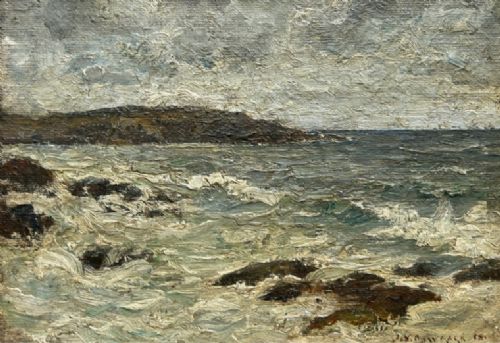
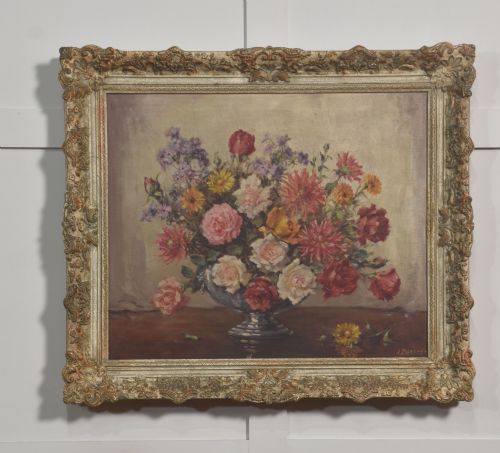
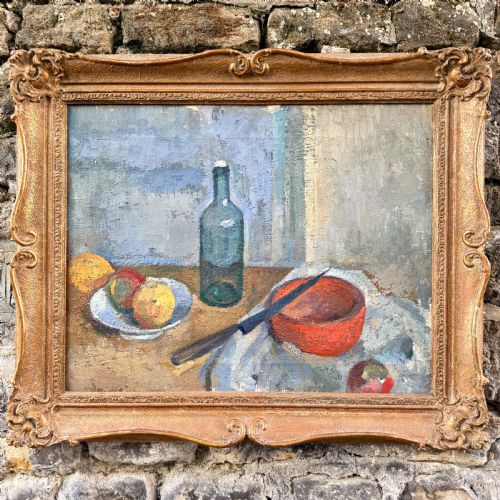
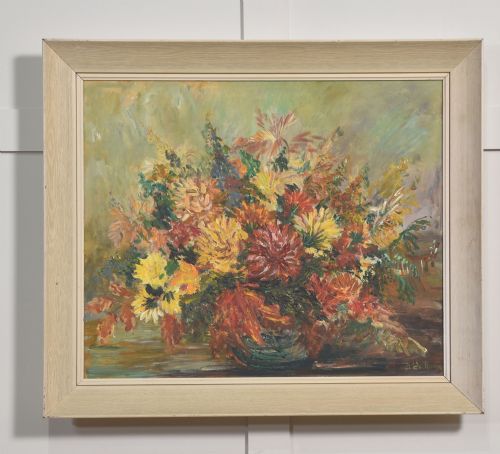
Impasto canvas artwork brings tactile weight and layered pigment to walls, offering the deep relief of oils built up thickly by hand.
Impasto Canvas Artwork
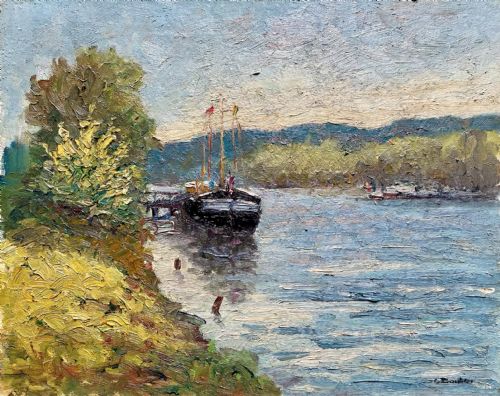
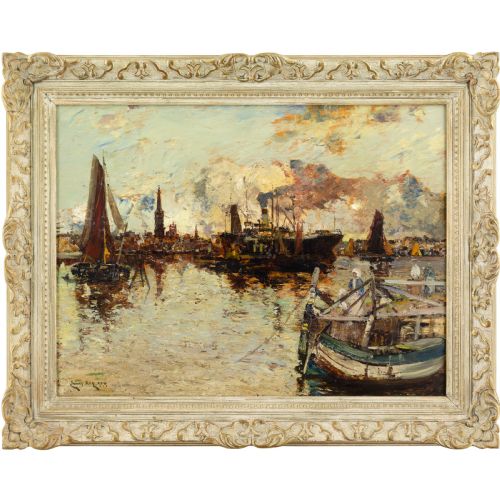
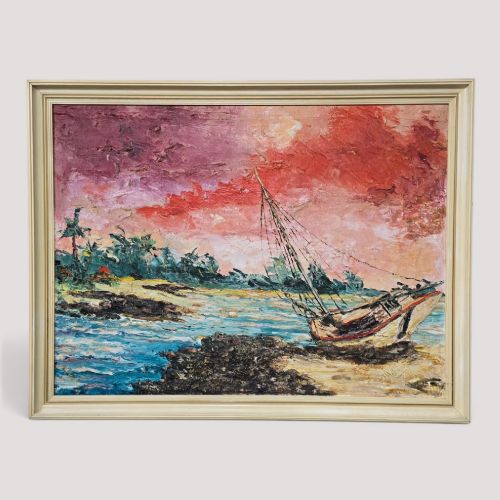
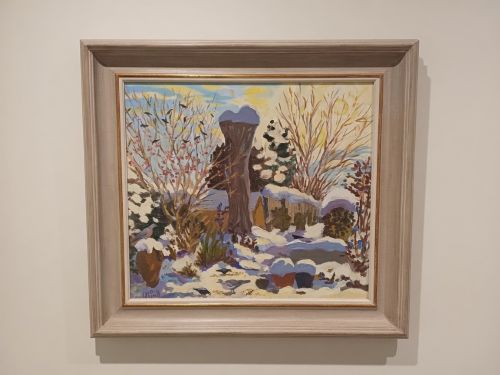
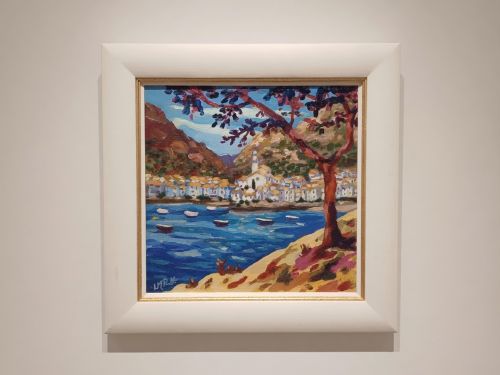
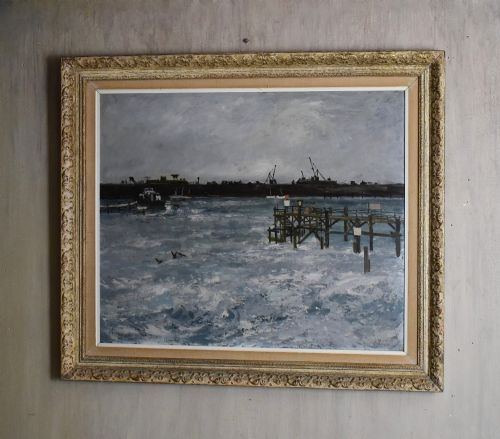
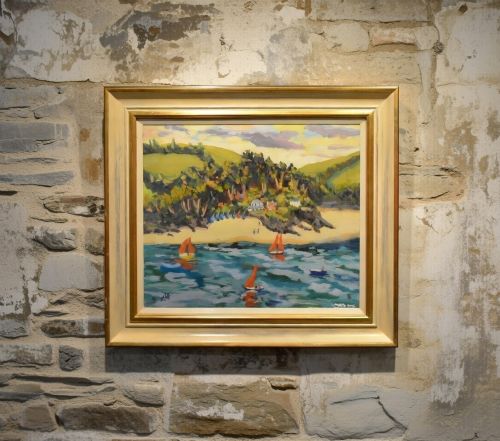
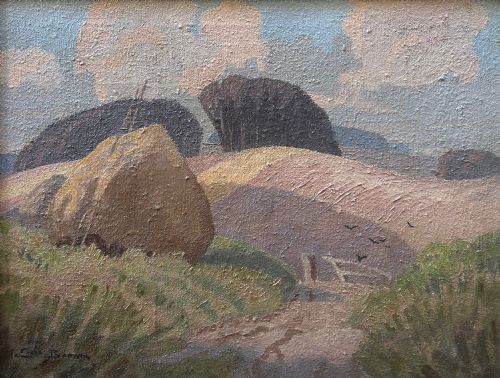
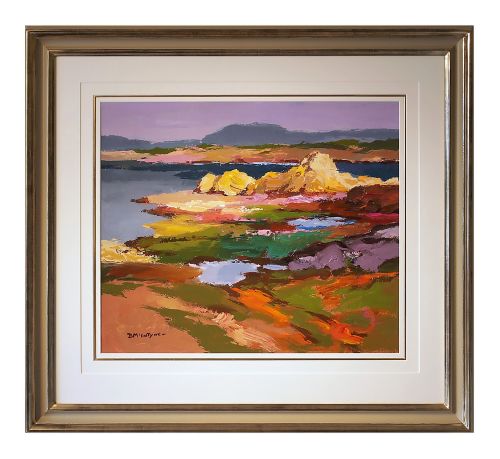
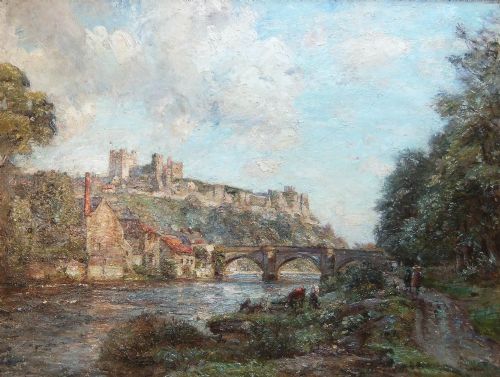
When searching for impasto canvas artwork, collectors encounter oil paintings where pigment stands proud of the surface to create physical texture. The pieces collected here span the twentieth century, running from early modernist approaches through mid-century impressionism and post-impressionism.
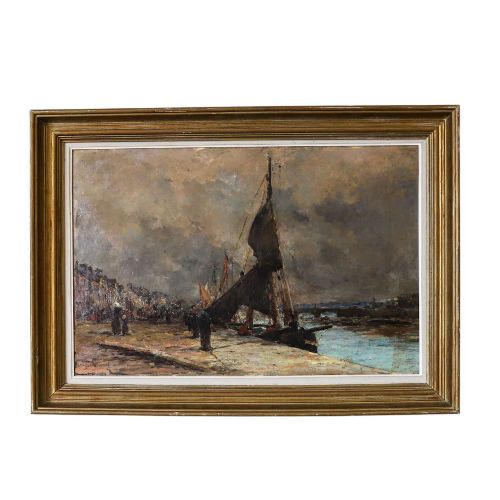
Most examples meet the eye as landscapes, coastal views, maritime scenes, and floral still lifes executed on stretched canvas or board. Makers situated in Britain and France dominate the selection, bringing mid-century expressionist and modernist techniques to harbours, townscapes, and intimate interiors.
Method and Material
The technique relies on heavy applications of oil paint, laid down thickly using stiff brushes or palette knives to leave visible ridges and peaks. Canvas stretched over wooden frames or applied directly to wooden boards provides the rigid support required to hold the weight of dense pigment.
Gilt wood frames frequently enclose these works, complementing the rich textures of the painted surface with traditional carved mouldings.
Listings feature oil paintings on canvas and board spanning from the early twentieth century through the nineteen-sixties.
Gradations of Quality
Quality rests in the deliberate handling of the medium and the stability of the thick pigment layers over time. Superior works demonstrate a confident rhythm in the knife or brush strokes, where the raised paint describes form and light rather than acting as mere decoration.
The integration of colour harmony within heavy impasto distinguishes accomplished painting from heavy-handed application. Strong structural composition beneath the surface relief ensures the texture supports the overall spatial arrangement of the scene.
Kenneth Cozens·I Berezny·D L Williams·James Kay·Lucy Pratt·Peter Brannan·Eric Brown·Donald McIntyre·Herbert Royle·Lilian Colbourn·Ronald Ossory Dunlop·Elisabeth Bardon·Helen Layfield Bradley·Jean-Baptiste Olive·Raymond Picque·Gaetan Dumas·Gabriel Dauchot·Cecil Rochfort D'Oyly-John·Caroline Burnett·Baruch Shalom Oskotsky·E A Minardo
The Impasto Canvas Artwork Glossary
- Impasto
- A technique where oil paint is laid onto the canvas in very thick layers that stand out from the surface. This allows the marks of the brush or palette knife to retain their physical shape once dry.
- Post-Impressionism
- An artistic movement developing roughly from the late nineteenth century that extended impressionist practices while rejecting its limitations. Artists prioritised symbolic content, expressive brushwork, and heavier use of form.
- Mid-Century Modern
- A style originating in the middle decades of the twentieth century that influenced painting and design through simplified forms and a focus on contemporary life. Works from this era often embrace brighter palettes and abstract tendencies.
- Expressionism
- A modernist movement where artists sought to depict subjective emotions and responses rather than physical reality. This approach often utilises distorted forms and aggressive application of pigment.
- Board
- A rigid flat panel used as a support for oil painting in place of stretched fabric. Painters frequently utilised wooden boards for smaller studies and urban landscapes.
Impasto Canvas Artwork: Frequently Asked Questions
What is impasto paint?
Impasto is a technique in oil painting where the pigment is applied thickly to the canvas or board, leaving raised marks and textures.
Artists utilise brushes or palette knives to build up these physical ridges, allowing the dried paint to catch the light and create a three-dimensional effect.
How do I care for textured oil paintings?
Textured oil paintings require gentle dusting with a soft, dry brush to prevent dirt from settling within the deep ridges of pigment.
Avoid using damp cloths or cleaning solutions on the textured surface, and keep the canvas away from direct heat sources and strong moisture.
How do I identify mid-century canvas art?
Mid-century canvas art typically reflects the artistic movements of the nineteen-fifties and sixties, featuring subjects like urban townscapes, abstracted landscapes, and expressive coastal views.
The materials and framing methods, alongside signatures and exhibition labels on the reverse, often help confirm the period of execution.
What is the difference between canvas and board supports?
Canvas is a woven fabric stretched across a wooden frame, offering a slight give under the application of heavy paint.
Board provides a completely rigid flat surface for the oil paint, which was frequently favoured by artists working outdoors or creating smaller landscape studies.