


Imari Ware Vase
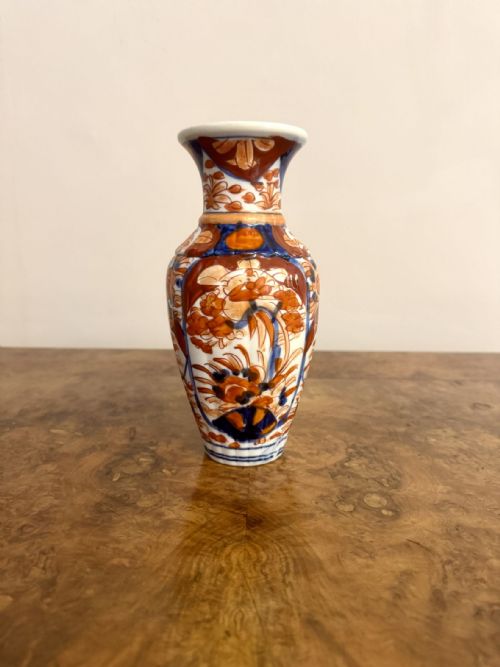
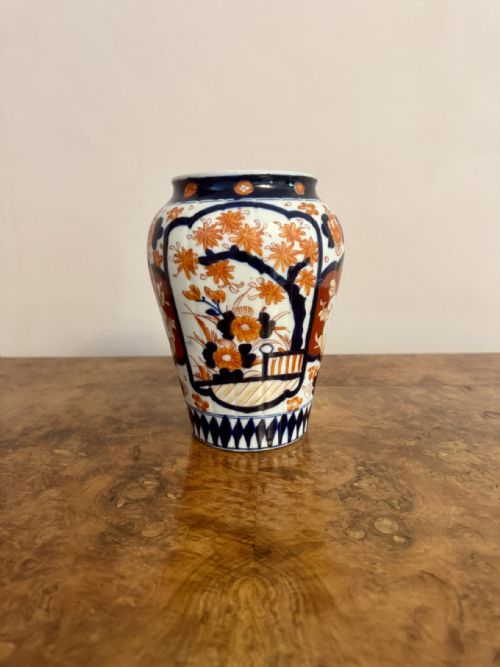
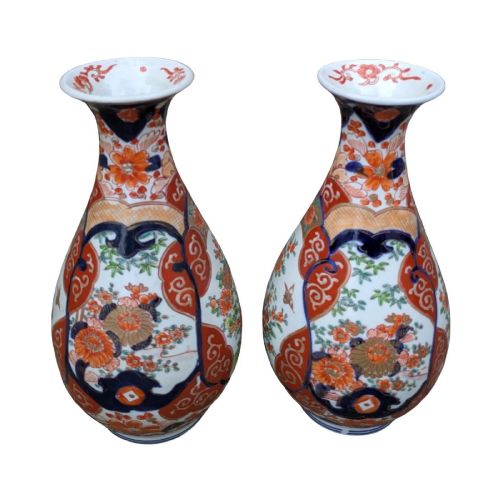
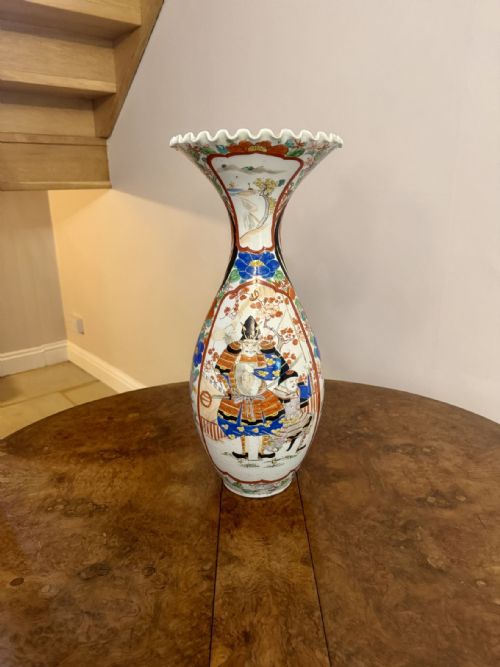
An imari ware vase brings vibrant cobalt and iron red colour to a room, rooted in centuries of Japanese export and domestic traditions.
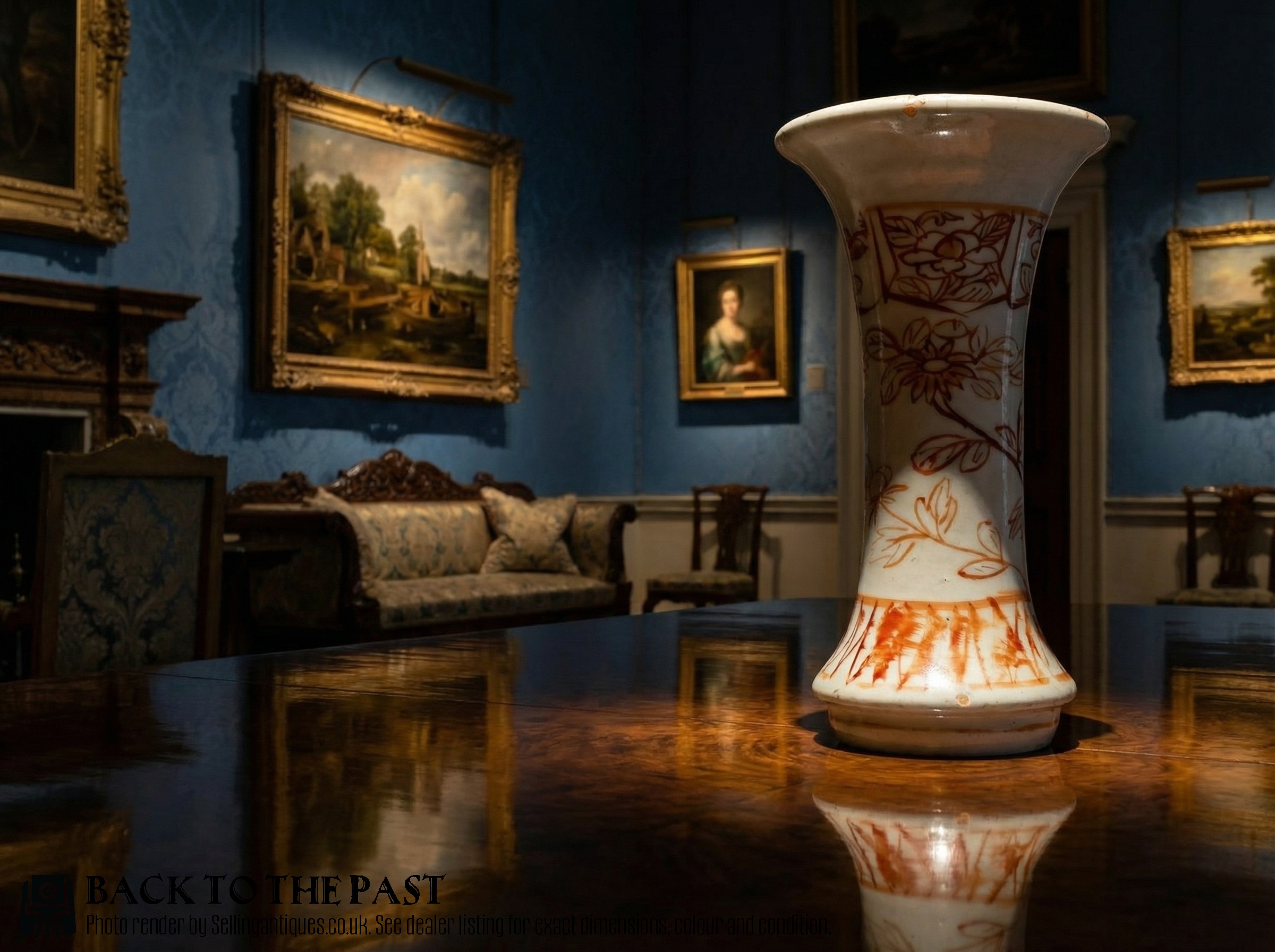
Imari Ware Vase
When you search for an imari ware vase, you encounter pieces spanning from the Edo and Meiji periods through to Edwardian interpretations. The selection here ranges from single decorative vessels and ginger jars to impressive pairs and garnitures.
Most examples originate from Japan, executed in the distinctive palette of underglaze blue and iron red, often enhanced with gold leaf. You also find British adaptations such as Edwardian porcelain pieces created in this enduring aesthetic.
Forms vary from standard bottle shapes and hexagonal profiles to covered jars and large two-handled vessels. These objects served primarily as decorative display items in European and Japanese interiors alike.
Materials and construction
These vessels are formed from hard-paste porcelain, painted by hand under and over the glaze using cobalt blue, iron red enamel, and supplementary gold gilding. The high-firing process creates a durable body capable of supporting intricate surface decoration.
Details are applied using glaze and gold leaf to accent the panels of floral and geometric motifs. Later Edwardian interpretations utilise similar porcelain recipes to replicate the traditional Japanese palette.
Some nineteenth-century makers packed ginger so tightly inside these jars that generations later, stubborn families still use them strictly for desk change.
Judging quality in imari ceramics
The distinction between ordinary and exceptional pieces lies in the crispness of the hand-painted cobalt and the precision of the iron red and gold leaf work. Superior vessels display a balanced composition across complex shapes like hexagonal bodies or garniture sets.
Scale and proportion also define the upper tier, particularly in large nineteenth-century examples and matched pairs or sets of three. The weight of the porcelain and the richness of the enamel application determine the presence of the maker's artistic ambition.
Royal Crown Derby
The Imari Ware Vase Glossary
- Imari palette
- A traditional decorative scheme dominated by cobalt blue, iron red, and gold. This combination originates from Japanese export wares produced in Arita.
- Meiji Period
- The era in Japanese history spanning from 1868 to 1912. Many export ceramics found on the market date from this time of prolific production.
- Garniture
- A set of matching vases designed for symmetrical display on a mantelpiece or cabinet. These typically comprise three or five pieces.
- Ginger jar
- A ceramic vessel with a broad body and a domed lid, originally used for storing spices. Later examples function purely as decorative covered jars.
- Arita porcelain
- Ceramic ware produced in the town of Arita in Hizen province, Japan. It forms the foundation of traditional imari production.
Imari Ware Vase: Frequently Asked Questions
How do I date an imari vase?
Dating relies on stylistic markers, body weight, and the intensity of the cobalt and enamel colours. Eighteenth-century pieces exhibit different potting techniques compared to Meiji period or Edwardian examples.
Examining the foot rim and the clarity of the glaze provides further clues to the period of manufacture.
Are imari vases waterproof?
Most antique porcelain vessels hold water safely, but hairline fractures or older repairs can compromise integrity. It is advisable to inspect the interior before using them for fresh flowers.
Using a discreet inner container protects the glaze and body from potential moisture damage.
What is the difference between Japanese and English imari?
Japanese imari refers to pieces made in Arita for domestic and export markets during the Edo and Meiji periods. English imari consists of domestic copies made by factories such as Royal Crown Derby during the Edwardian era and earlier.
Both follow the classic cobalt, red, and gold palette, though the paste and potting style differ.
How should I display a garniture set?
Garniture sets of three or five pieces look best arranged symmetrically on a sideboard, table, or mantelpiece. The tallest vessel typically occupies the centre with the matching side pieces flanking it.
Spacing them evenly allows the painted panels and gilding to catch the light from different angles.