







Imari Ware Pottery
Imari ware pottery brings striking palettes of cobalt glaze, enamel, and gold leaf to plates, vases, and bowls that collectors prize for their rich decorative presence.

Imari Ware Pottery
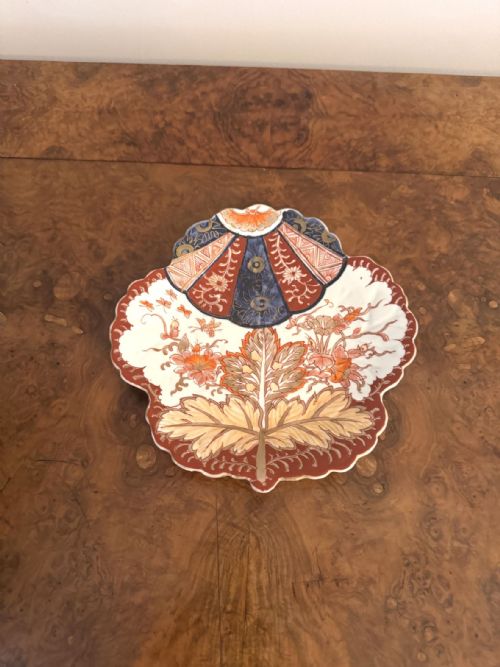
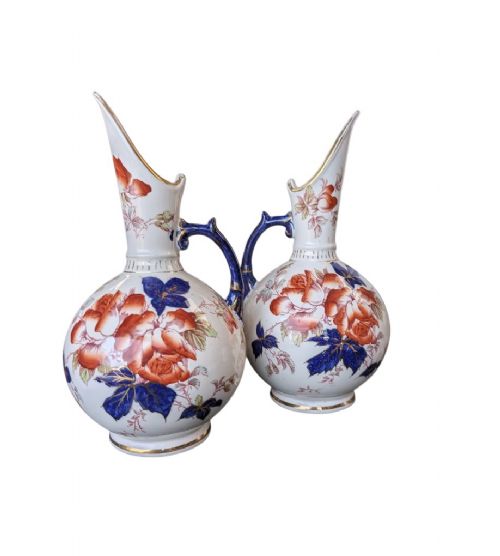
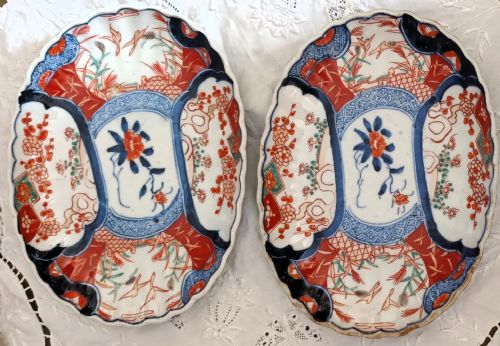
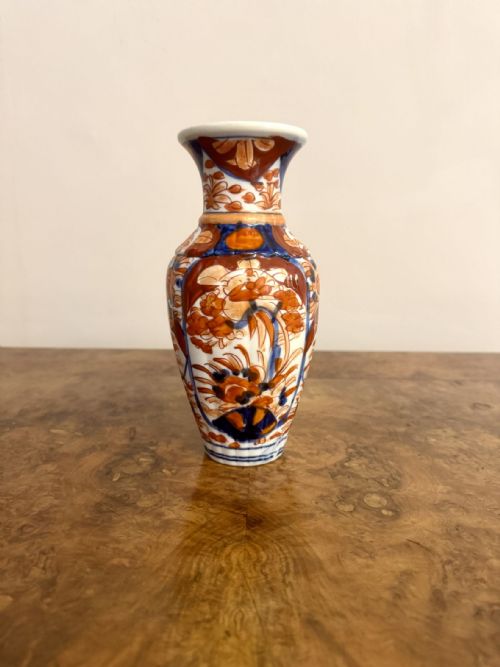
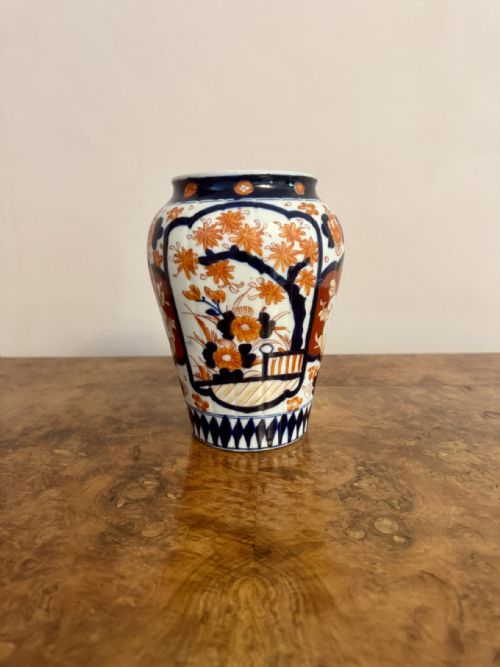
Imari ware pottery encompasses a diverse selection of plates, vases, pitchers, and bowls spanning the eighteenth, nineteenth, and early twentieth centuries. These pieces originate predominantly from Japanese traditions, including the Edo and Meiji periods, alongside British interpretations from the Edwardian era.
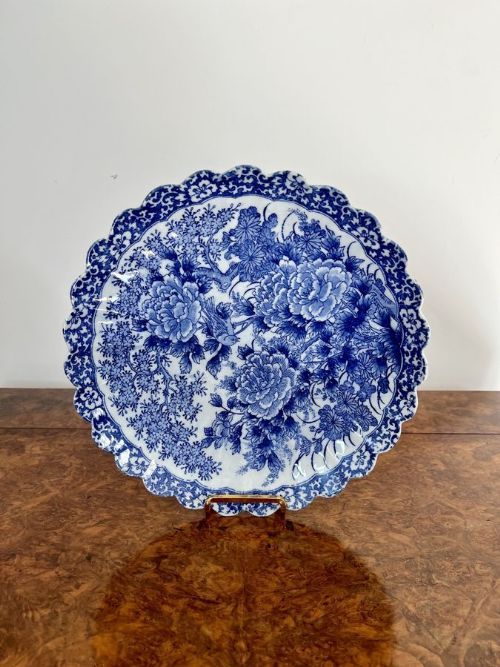
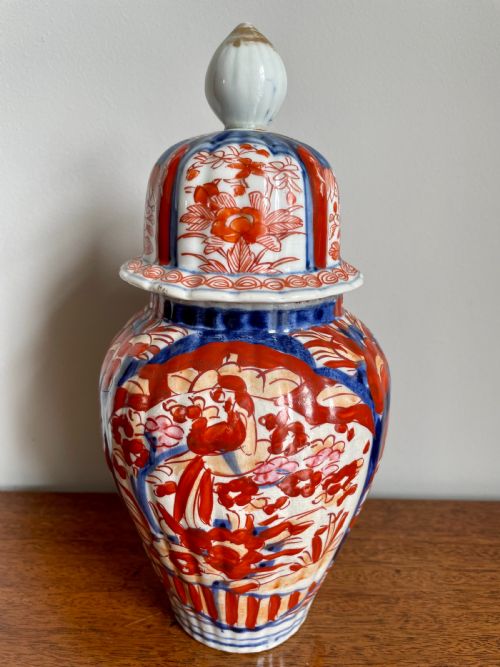
Buyers encountering this category will most frequently discover nineteenth-century Japanese examples alongside pieces dated around nineteen hundred. Forms range from hexagonal and lidded vases to scalloped edge plates and tripod bowls, reflecting both decorative and functional domestic uses of the period.
How they were made
The construction relies heavily upon hard-paste porcelain shaped into vessels, chargers, and dishes before receiving cobalt glaze underglaze painting. Artisans then applied rich enamel glaze details and gold leaf or gilt highlights over the initial firing.
Firing techniques allowed makers to fuse complex polychrome designs onto the porcelain body, creating the characteristic visual depth seen in Japanese Imari and Edwardian Imari production.
Imari Ware Pottery Retail Price Guide 2026
Typical asking prices for imari ware pottery among the pieces listed under this phrase on Sellingantiques today, from the lower quarter to the upper quarter. They describe what is for sale here now, not the wider market.
What varies in quality
Quality in imari ware pottery rests upon the precision of the hand-painted cobalt and enamel decoration, where finer pieces display crisp lines and balanced compositions. The application of gold leaf and gilt work also distinguishes superior examples through its retention and intricate detail.
Physical scale and form complexity elevate certain items, such as large paired vases or unusual hexagonal and lidded vessels, above standard utilitarian plates and dishes.
Royal Crown Derby
The Imari Ware Pottery Glossary
- Cobalt glaze
- A deep blue mineral pigment applied under the glaze before firing to form the foundational outlines of imari designs. This material provides the permanent dark blue contrast characteristic of traditional wares.
- Hard-paste porcelain
- A dense, durable ceramic composed of kaolin and petuntse fired at high temperatures. It forms the robust white body beneath the colourful enamel layers.
- Meiji Period
- The era in Japanese history spanning from eighteen sixty-eight to nineteen twelve, noted here for producing intricate porcelain vases and dishes. Pieces from this time often exhibit elaborate decorative schemes.
- Enamel glaze
- Coloured glass-like pigments painted over the fired glaze and subjected to a lower temperature secondary firing. This technique introduces vibrant reds, greens, and other hues to the finished surface.
- Tripod bowls
- Vessels raised upon three small feet, appearing in eighteenth-century Arita productions. These forms offer a distinct profile compared to flat plates and standard standing vases.
Imari Ware Pottery: Frequently Asked Questions
What is imari ware pottery?
Imari ware pottery refers to decorative porcelain pieces featuring distinct blue, red, and gold colour schemes. The style originated in Japan before influencing European ceramic production.
Collectors find these wares in various forms, including cabinet plates, large vases, pitchers, and tripod bowls dating from the eighteenth century onward.
How do I date imari ware pottery?
Dating these ceramics involves examining the porcelain body, the style of the cobalt and enamel painting, and any associated marks. Eighteenth-century pieces often show distinct Arita origins, while nineteenth-century items align with Meiji period aesthetics.
Victorian and Edwardian examples may also incorporate British interpretations of the classic Japanese palette, combining different historical influences within a single piece.
How were these pieces used?
Many imari items served as decorative display pieces in formal rooms, particularly large vases and chargers. Plates and dishes were also utilised for dining and household presentation.
Covered vessels and pitchers combined practical storage with ornamental visual impact, fitting the lavish interior styles of the Victorian and Edwardian periods.
How do I care for antique imari?
Preserving these ceramics requires gentle handling and washing by hand in warm water using mild soap. Avoid soaking pieces with delicate gold leaf or overglaze enamel work to protect the surface decoration.
Displaying vases and plates away from direct sunlight helps maintain the vibrancy of the cobalt and enamel glazes over time.