





Imari Style Porcelain Platters
Imari style porcelain platters are striking, high-contrast display pieces shaped by centuries of cross-continental trade and design.
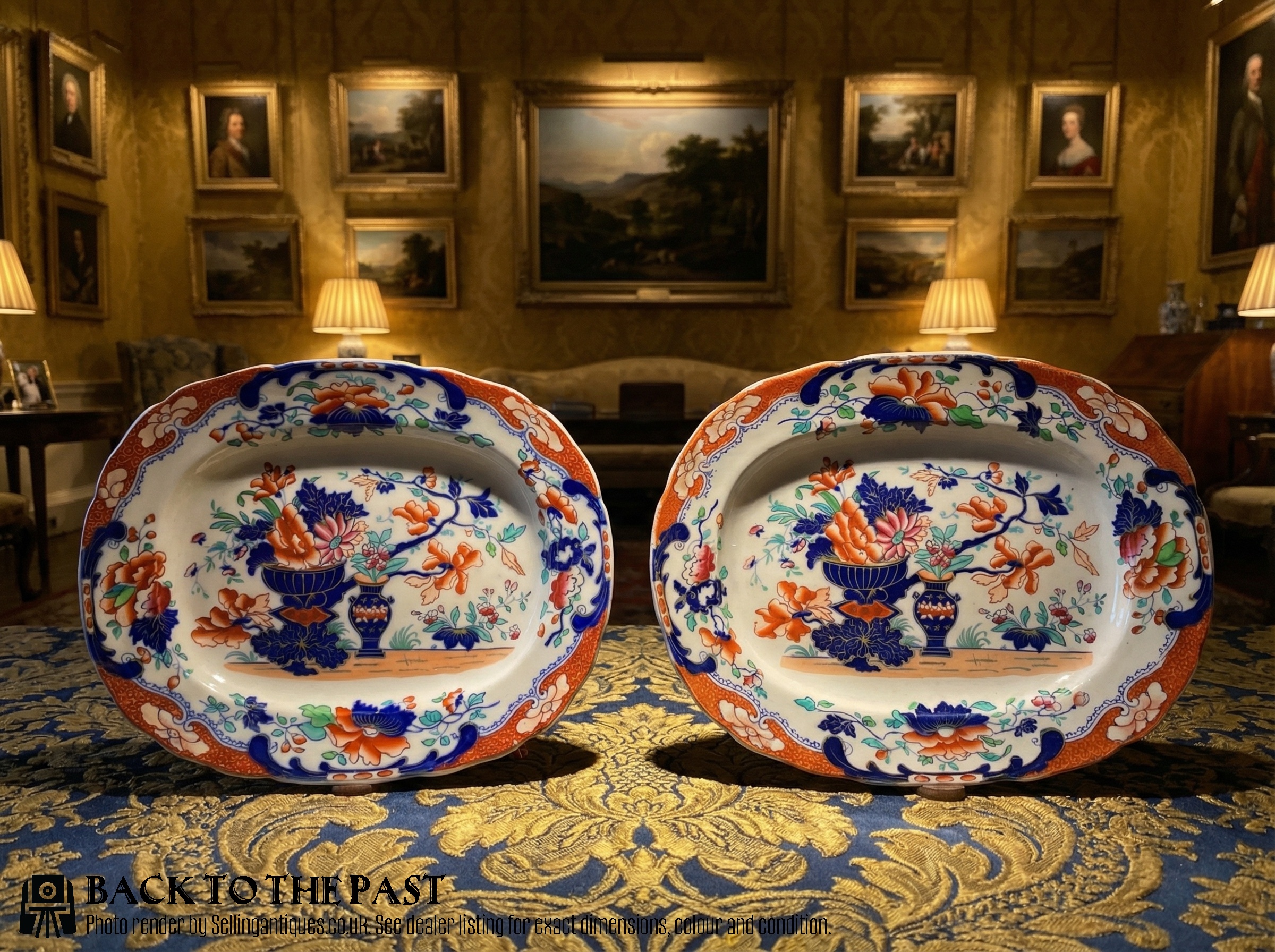
Imari Style Porcelain Platters
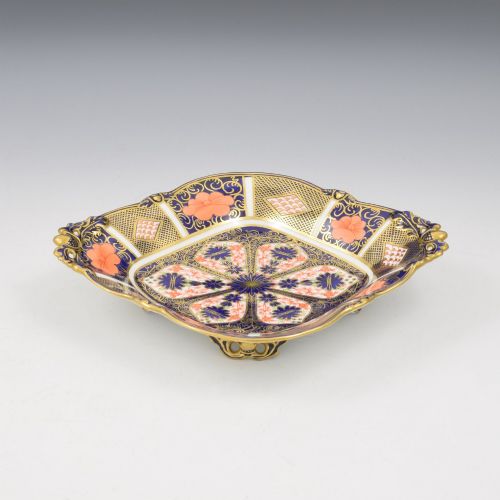
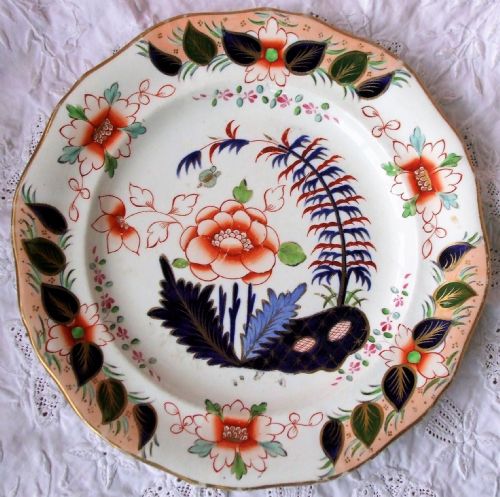
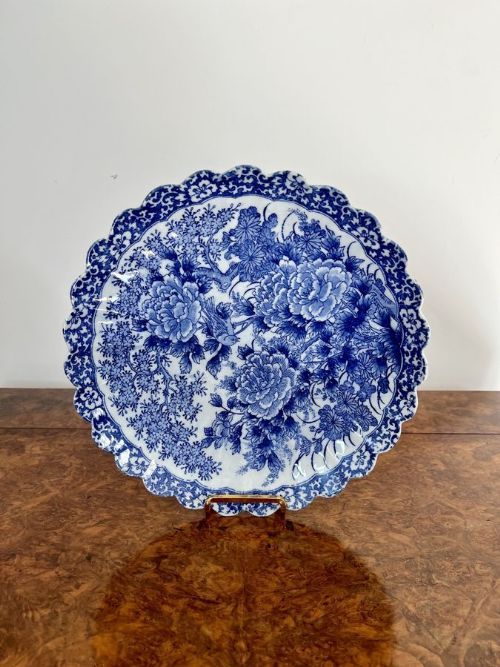
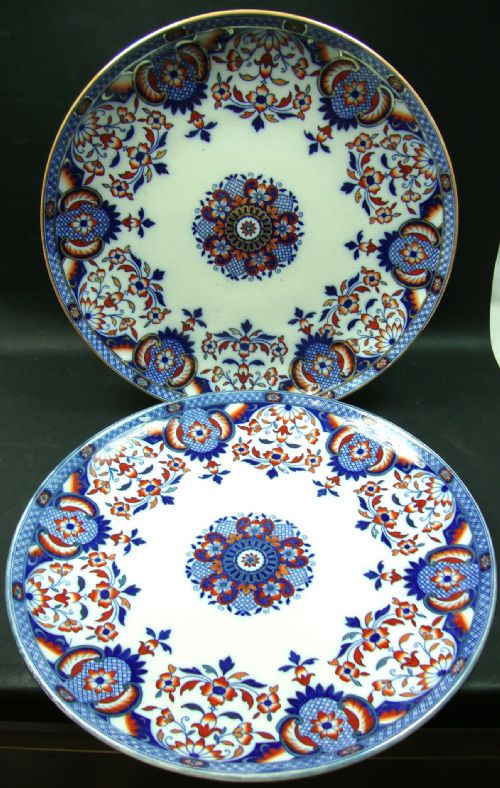
When you search for imari style porcelain platters, you encounter a mix of Japanese imports, Chinese export wares, and British interpretations spanning the nineteenth and early twentieth centuries. The pieces on this page lean heavily towards Japanese Arita chargers and plates from around nineteen hundred, alongside English ironstone variations.
Forms range from large round chargers and oval serving dishes to scalloped edges and fan shapes. These items served both decorative display purposes and formal dining functions across Victorian households and international markets.
Materials and Construction
Makers utilised hard-paste porcelain, earthenware, and ironstone as the structural base for these items. Potters applied cobalt underglaze pigments before the initial firing to achieve deep blue tones.
Overglaze enamel colours and gold leaf were added in subsequent firings to create the characteristic palette. Skilled painters worked by hand directly onto the glazed ceramic surface.
The listings on this page span the nineteenth century, nineteen hundred, and nineteen twenty, featuring materials like ironstone, porcelain, gold leaf, and cobalt underglaze.
Evaluating Quality and Execution
The precision of the hand-painted brushwork and the vibrancy of the enamel and gold leaf application set the finer examples apart. Crisp cobalt underglaze lines combined with dense, deliberate overglaze detailing indicate superior craftsmanship.
The weight, clarity of the ceramic body, and complexity of the moulded edge shapes also distinguish standard production items from exceptional workshop output.
Royal Crown Derby·John Davenport of Longport·Mintons
The Imari Style Porcelain Platters Glossary
- Imari Style
- A decorative ceramic aesthetic characterised by a palette of cobalt blue, iron red, and gold. This style originated in Japan and was subsequently copied by European potteries.
- Cobalt Underglaze
- A pigment applied to raw ceramic before glazing and firing that produces a permanent blue colour beneath the shiny surface. It withstands high kiln temperatures without fading.
- Ironstone
- A heavy, durable type of earthenware patented in Britain during the nineteenth century. It provided a strong, opaque alternative to imported porcelain.
- Charger
- A large decorative plate or platter used traditionally for ceremonial display or as a base setting during formal meals. These items dominate visual spaces on walls and sideboards.
- Overglaze Enamel
- Coloured glass powders painted onto already fired and glazed ceramics, then fixed in a lower-temperature muffle kiln. This technique allows for bright reds, greens, and gilt highlights.
Imari Style Porcelain Platters: Frequently Asked Questions
How do I tell Japanese Imari from English Imari?
Japanese pieces usually employ a finer porcelain body with lighter weight and distinct potting characteristics from the Arita kilns. English versions often utilise dense ironstone or earthenware bodies produced by domestic factories.
The hand-painted motifs on Japanese examples follow traditional East Asian iconography closely, whereas English interpretations adapt the palette to Victorian tastes and shapes.
Were these platters used for food?
Many larger chargers and decorative plates were intended strictly for visual display on sideboards or walls. Smaller trays and shaped dishes saw practical use during dessert courses and formal dinners.
Overglaze enamel and gold leaf decorations can wear down with frequent washing and cutlery contact, influencing how past owners utilised them.
How do I care for antique Imari ceramics?
Wash these pieces gently by hand using lukewarm water and mild soap when cleaning becomes necessary. Avoid soaking items with gold leaf or overglaze enamel to prevent surface degradation.
Display them securely on stable plate stands or wall hangers designed to support the substantial weight of large chargers.
What does the nineteen hundred date span signify?
Dates around nineteen hundred reflect the peak production period of Japanese export ceramics destined for Western markets. These items capture late Meiji era craftsmanship alongside Victorian decorative preferences.
Stylistic continuity makes precise dating difficult without specific factory marks or registration ciphers stamped into the ceramic base.