

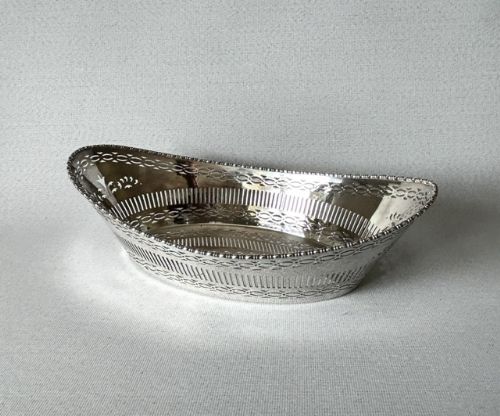
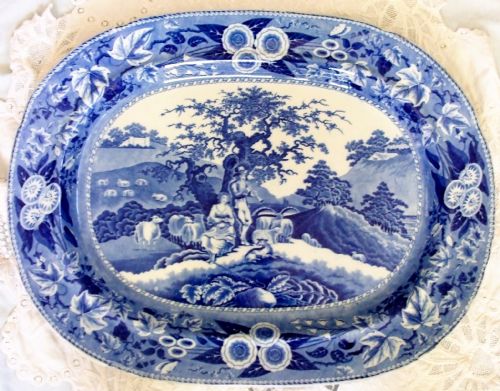
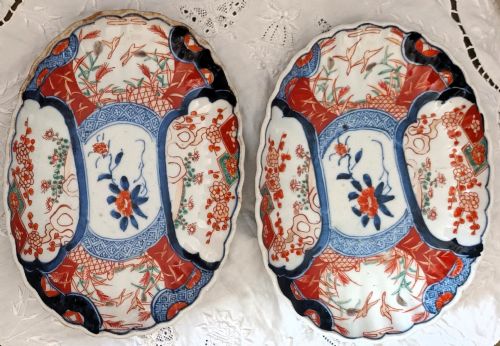


Antique Oval Serving Dishes
These antique oval serving dishes bring historical weight to the table, offering generous proportions and enduring craftsmanship for modern dining.
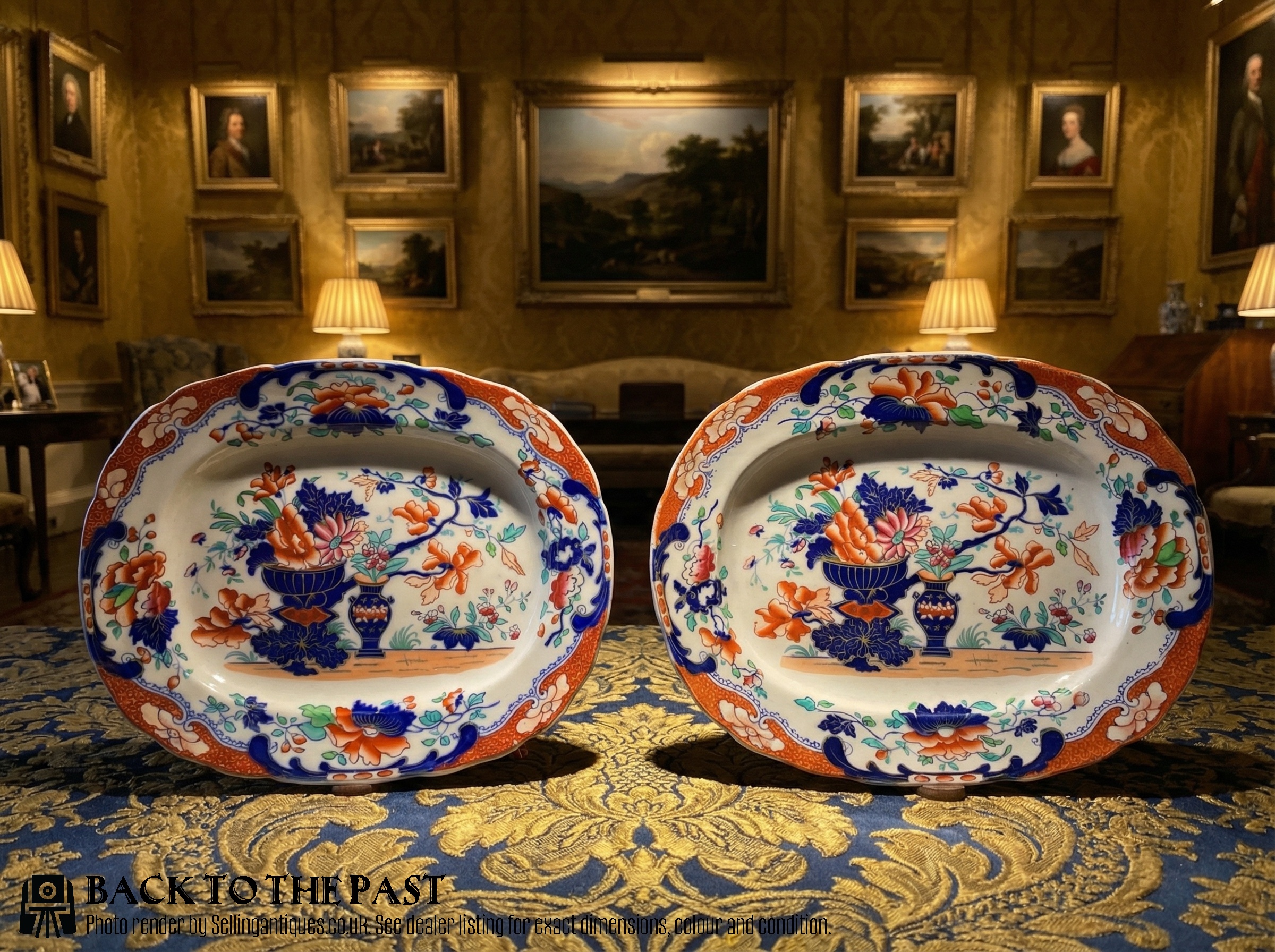
Antique Oval Serving Dishes
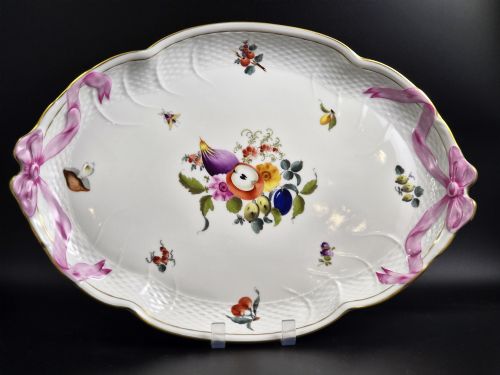
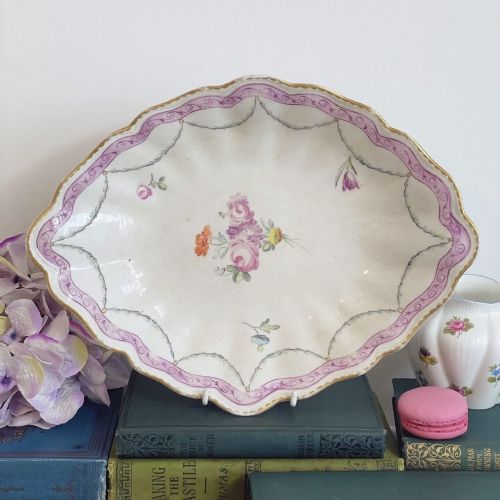
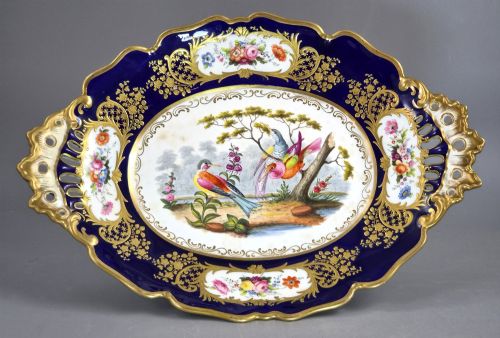
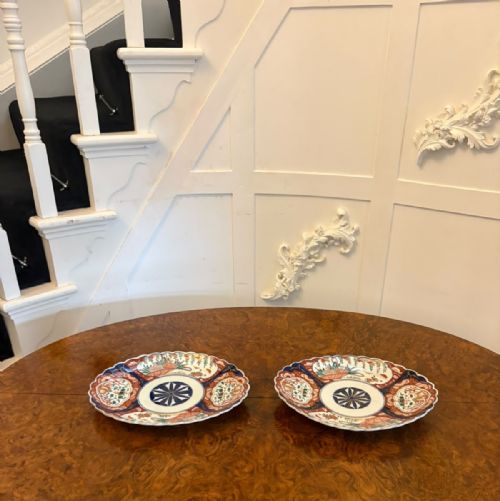
When searching for antique oval serving dishes, buyers encounter a diverse selection of platters, meat dishes, and entree pieces spanning the eighteenth, nineteenth, and early twentieth centuries. These items originated from major English factories like Derby, Coalport, and Wedgwood, alongside Chinese export porcelain and Japanese Meiji period Imari wares.
The most common forms on this page include large blue and white transfer-printed pottery platters from the Victorian and Georgian eras, alongside fine porcelain dessert dishes and silver-plated entree dishes. Whether intended for carving meats or presenting fruit, these vessels reflect the shifting dining habits and domestic needs of past centuries.
How they were made
Pottery and porcelain pieces rely on traditional throwing and moulding techniques, finished with handpainted polychrome enamels, cobalt blue underglazes, or transfer-printed scenes such as the popular piping shepherd and zebra patterns. Creamware and ironstone bodies provide the durable foundation for these extensive ceramic services.
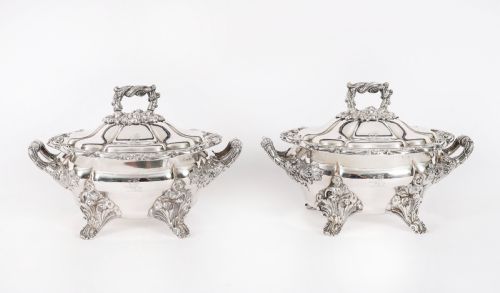
Metal items utilise sterling silver, copper, and Old Sheffield Plate or later silver plating techniques. Smiths shaped these metal vessels by hand or press, often adding chased floral engraving, cast handles, and gold leaf highlights to elevate the presentation.
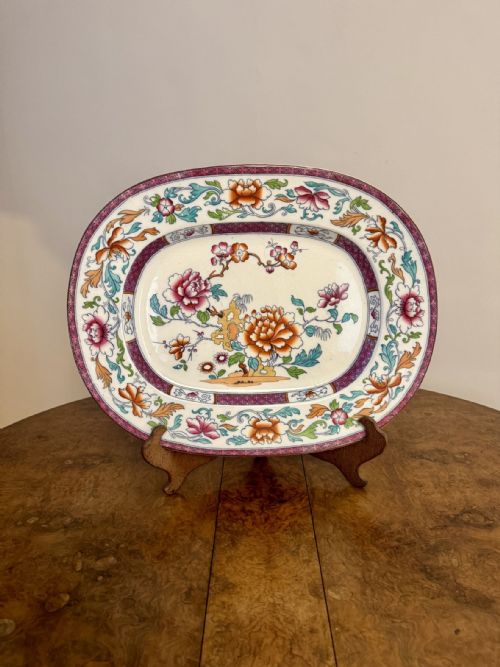
The selection includes regional styles such as Chinese Export, Japanese Meiji Imari, and English Victorian Chinoiserie alongside traditional Georgian patterns.
What varies in quality
Quality in these dishes rests upon the crispness of the transfer print, the delicacy and precision of handpainted botanical or avian details, and the depth of the glaze. Finer porcelain bodies display superior translucency and purity, whilst ceramic platters maintain a truer oval shape without warping from the kiln.
In silver and plated wares, the weight of the metal, the clarity of hallmarks or maker stamps, and the preservation of the underlying copper or base metal dictate the standing of a piece. Superior examples exhibit deeply cast decorative borders and robust construction that withstands centuries of use.
H & R Daniel·Mappin & Webb·Walker & Hall·Royal Worcester·Barr Flight & Barr
The Antique Oval Serving Dishes Glossary
- Creamware
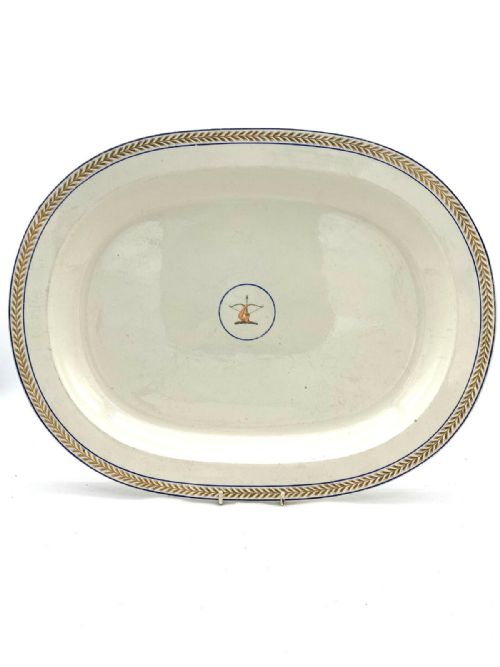
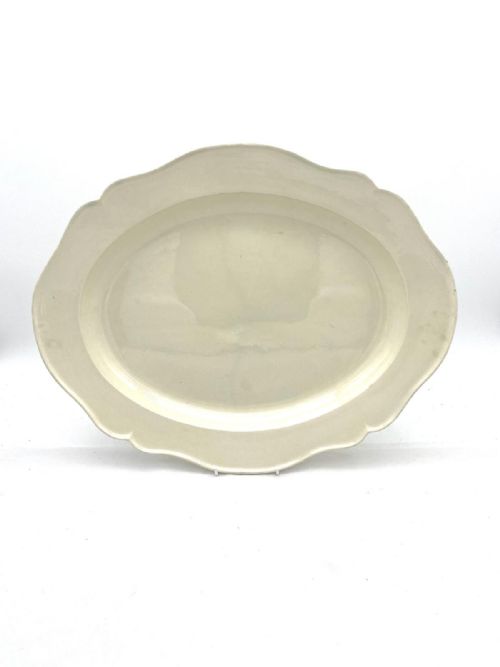
- A fine-grained, light-coloured earthenware perfected in the eighteenth century by makers like Wedgwood. Its warm cream hue provided an ideal canvas for armorial crests and painted decoration.
- Transfer printing
- A mechanical method of applying complex blue and white or polychrome designs to pottery from an engraved copper plate. This technique allowed factories to produce uniform decorative patterns efficiently.
- Old Sheffield Plate
- An early fused plating method where a thin sheet of sterling silver was fused to a thicker copper core. Pieces made this way often reveal hints of copper along high points and edges.
- Entree dish
- A covered serving vessel designed for the second course of a formal meal. These often feature removable handles to allow the base to function independently as an open platter.
- Imari
- A style of Japanese export porcelain characterised by a distinctive palette of underglaze blue, iron red, and gilt highlights. These wares were widely imitated and collected across Europe during the eighteenth and nineteenth centuries.
Antique Oval Serving Dishes: Frequently Asked Questions
How do I date an antique platter?
Dating relies heavily on factory backstamps, ceramic body types, and stylistic cues such as transfer print motifs or the shape of the rim. Georgian pieces often feature handpainted polychrome or early blue and white transfer prints, whereas Victorian examples lean towards heavier ironstone bodies and romantic pastoral scenes.
Examining the foot ring and glaze characteristics also helps distinguish eighteenth-century earthenwares from later nineteenth-century productions. Comparing pieces with documented factory patterns provides a reliable timeline for unmarked items.
Can I use these dishes for serving food?
Most ceramic and silver-plated pieces remain entirely suitable for modern dining and food presentation. Stoneware, ironstone, and glazed porcelain handle warm food comfortably, though older overglaze enamels require gentle hand washing to preserve the colours.
Silver-plated and sterling pieces should be washed immediately after use to prevent acidic foods from tarnishing the metal surfaces. Avoid dishwashers and harsh abrasive cleaners to protect the historic glazes and platings.
What is the difference between ironstone and creamware?
Creamware is a refined, lighter earthenware developed in the eighteenth century with a warm, buttery tone and a relatively porous body. Ironstone, introduced later in the nineteenth century, is a much heavier, denser, and more durable ceramic designed to withstand heavy domestic service.
Ironstone platters typically feel much heavier in the hand and resist chipping better than standard earthenware or soft-paste porcelain. Both materials serve different aesthetic and functional roles within antique dining collections.
How should I display large meat platters?
Large meat platters look striking displayed upright on sturdy plate stands or hung securely on walls using coated wire hangers. Their generous dimensions and decorative central scenes make them excellent focal points for dining rooms and kitchens.
When displaying them on sideboards or tables, grouping them by period or matching colour palettes creates a cohesive arrangement. Ensure wall fixtures are rated for the heavier weight of Victorian ironstone and large ceramic chargers.